Kombucha production relies on a delicate balance of yeast and bacteria known as SCOBY. While this microbial culture is essential for fermentation, it also makes sanitation more critical than in many other beverage processes. Residual sugar, yeast sediment, and cellulose from SCOBY can easily accumulate inside tanks and fittings. Without proper cleaning, these residues may lead to contamination, inconsistent flavor, or reduced equipment lifespan.
For commercial producers, maintaining hygienic kombucha brewing equipment is not only about food safety but also about maintaining consistent fermentation performance. A well-maintained kombucha fermentation tank ensures stable pH development, predictable fermentation time, and reliable product quality.
This guide explains the recommended cleaning procedures, maintenance practices, and common mistakes to avoid when managing kombucha fermentation equipment.
Why Cleaning Kombucha Fermentation Tanks Is Critical
Unlike beer or wine production, kombucha fermentation operates in a highly acidic yet biologically active environment. While the acidity of kombucha can suppress some microorganisms, it does not eliminate all contamination risks.
Biofilm Formation from SCOBY
SCOBY produces cellulose during fermentation. Over time, fragments of this cellulose can stick to tank walls, valves, or gaskets. If not removed, these deposits can form biofilms where unwanted microorganisms may grow.
Residual Sugar and Yeast Sediment
Kombucha contains significant residual sugar and yeast biomass. These organic materials can accumulate in the bottom cone of a fermentation tank or inside valves, creating ideal conditions for microbial contamination.
Corrosion and Equipment Damage
Kombucha typically reaches a pH between 2.5 and 3.5. Acidic residues left inside tanks for long periods may gradually affect seals or fittings and reduce the lifespan of brewing equipment.
Flavor Contamination Between Batches
Even small amounts of leftover fermentation residue can alter the taste profile of the next batch. Off-flavors, excessive acidity, or unpredictable carbonation may result.
For these reasons, commercial kombucha producers rely on structured cleaning systems such as CIP (Clean-In-Place).
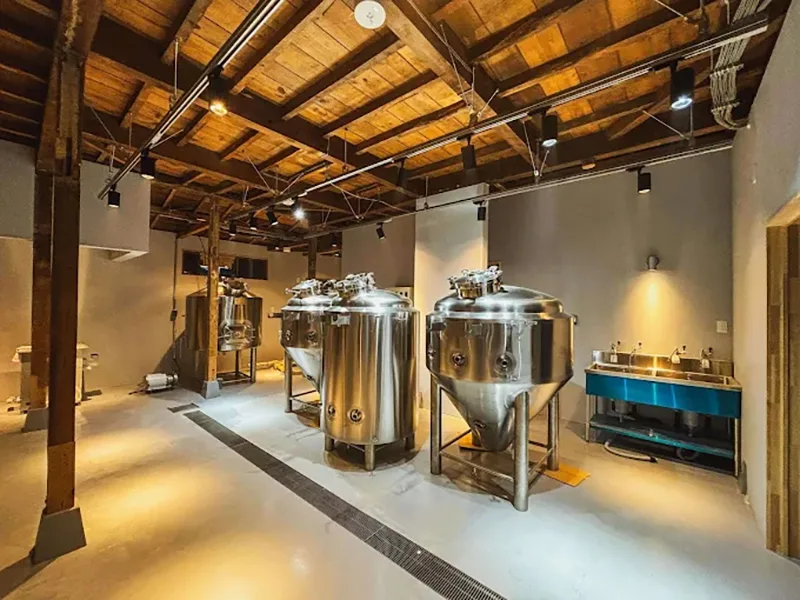
CIP Cleaning for Kombucha Brewing Equipment
Modern kombucha brewing equipment usually includes CIP spray balls that allow tanks to be cleaned without disassembly. The system circulates cleaning solutions through the fermentation tank to remove organic residue and sanitize surfaces.
A complete cleaning cycle typically involves five stages.
Pre-Rinse Stage
The first step is to remove visible residue from the tank.
Key Objectives
- Flush out yeast sediment
- Remove SCOBY fragments
- Dissolve remaining sugar
Warm water around 35–40°C is typically used during this stage. The rinse usually lasts 5–10 minutes depending on tank size.
Proper pre-rinsing prevents organic residue from baking onto the tank surface during later high-temperature cleaning.
Caustic Cleaning
Caustic washing is the most important step in cleaning a kombucha fermentation tank.
Alkaline cleaning agents break down organic matter such as proteins, sugars, and yeast deposits.
Typical Parameters
- Cleaning solution: Food-grade alkaline cleaner or sodium hydroxide
- Concentration: 1–2%
- Temperature: 70–80°C
- Circulation time: 15–30 minutes
The hot alkaline solution is circulated through the CIP spray ball, ensuring full coverage of the tank walls, manway edges, and bottom cone.
Intermediate Rinse
After caustic cleaning, the tank must be rinsed thoroughly with clean water.
The purpose of this step is to remove any remaining alkaline residue. Rinsing continues until the discharged water reaches a neutral pH.
Skipping or shortening this step may reduce the effectiveness of the next acid wash stage.
Acid Cleaning
Acid washing is essential for removing mineral buildup inside kombucha fermentation tanks.
Water used in brewing often contains minerals such as calcium and magnesium. Over time, these minerals form scale deposits on stainless steel surfaces.
Typical Acid Wash Parameters
- Cleaning solution: Food-grade phosphoric or nitric acid cleaner
- Temperature: 40–50°C
- Circulation time: 10–15 minutes
Acid cleaning helps:
- Dissolve mineral scale
- Neutralize alkaline residues
- Maintain stainless steel passivation
Regular acid washing helps extend the life of fermentation tanks and ensures efficient heat transfer in temperature-controlled systems.
Final Rinse and Sanitization
The final step removes any remaining cleaning chemicals and prepares the tank for the next batch.
A final rinse with clean or filtered water ensures no chemical residues remain.
Many kombucha producers also perform a sanitization step before refilling the tank.
Common sanitizing agents include:
- Peracetic acid (PAA)
- Iodophor
- Chlorine-dioxide solutions
Peracetic acid is widely preferred because it leaves minimal residue and is effective at low concentrations.
Key Maintenance Areas in Kombucha Fermentation Tanks
Cleaning the tank interior alone is not enough. Several components in kombucha brewing equipment require special attention.
CIP Spray Ball
The spray ball is responsible for distributing cleaning solution across the tank interior.
Because kombucha residues can be sticky, spray holes may become blocked by SCOBY fragments.
Regular inspection ensures the spray ball rotates freely and maintains proper coverage.
Bottom Valves and Drain Ports
Sediment often collects at the bottom cone of fermentation tanks. The drain valve can accumulate yeast, sugar deposits, and SCOBY fragments.
These valves should be periodically disassembled and manually cleaned to avoid hidden contamination.
Gaskets and Seals
Silicone or rubber gaskets create airtight seals in tank fittings. Over time they may degrade or absorb flavors.
Routine inspection and replacement of worn gaskets help maintain sanitary conditions.
Thermowells and Temperature Sensors
Temperature control is essential for kombucha fermentation. However, mineral scale can accumulate on sensor housings.
Acid cleaning helps remove these deposits and maintain accurate temperature readings.
Sample Valves
Sample valves are frequently used during fermentation monitoring. Because they are exposed to the environment, they can easily introduce contamination.
Flushing the valve before and after sampling helps maintain hygienic conditions.
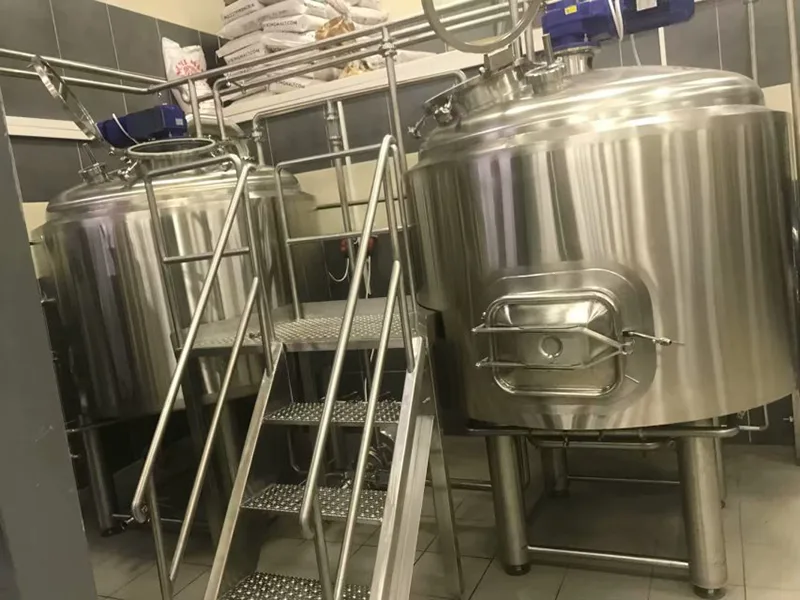
Common Cleaning Mistakes in Kombucha Brewing Equipment
Even experienced producers sometimes make mistakes that compromise sanitation.
Assuming Kombucha Acidity Prevents Contamination
While kombucha is acidic, some microorganisms—especially molds and wild yeast—can survive in low pH environments.
Sanitation standards should remain as strict as those used in beer or beverage production.
Using Chlorine-Based Cleaners
Chlorine can damage stainless steel and create unpleasant chlorophenol flavors if residues remain.
Most commercial breweries avoid chlorine and instead use PAA or iodine-based sanitizers.
Ignoring SCOBY Biofilm
SCOBY forms a tough cellulose layer that may not dissolve easily during chemical cleaning.
Mechanical removal during the pre-rinse stage helps prevent long-term biofilm buildup.
Skipping Acid Cleaning
Many operators rely only on alkaline cleaning. However, alkaline solutions cannot remove mineral scale.
Without acid cleaning, deposits may accumulate and reduce equipment efficiency.
Incorrect Cleaning Chemical Concentration
Using too much or too little cleaning chemical can both cause problems. Low concentrations reduce cleaning effectiveness, while excessive concentrations may leave harmful residues.
Testing solutions with pH strips or concentration meters helps maintain proper cleaning performance.
Best Practices for Long-Term Fermentation Tank Maintenance
A well-organized maintenance routine improves equipment reliability and product consistency.
Clean Immediately After Fermentation
Residue becomes harder to remove once it dries. Cleaning tanks promptly after each batch prevents stubborn deposits.
Inspect Stainless Steel Surfaces
Check tanks regularly for scratches, corrosion, or mineral buildup. Even small surface defects can harbor bacteria.
Keep Tanks Dry During Storage
If tanks will not be used for an extended period, ensure they are fully dry before sealing them.
Some breweries also store tanks under a light CO₂ pressure to prevent contamination.
Maintain Cleaning Logs
Recording cleaning schedules, chemical concentrations, and operator details helps maintain consistent sanitation practices and supports food safety compliance.
Conclusion
Effective cleaning and maintenance of a kombucha fermentation tank are essential for producing high-quality kombucha. Because kombucha fermentation involves active microbial cultures and acidic conditions, sanitation must be handled carefully to prevent contamination and protect brewing equipment.
By implementing a structured CIP cleaning process, monitoring key tank components, and avoiding common sanitation mistakes, producers can ensure their kombucha brewing equipment remains in optimal condition.
Consistent cleaning not only protects the fermentation process but also guarantees that every batch of kombucha delivers the fresh, balanced flavor consumers expect.
If you are planning to build a brewery, feel free to contact us for our equipment list.