Purchasing brewery equipment is only one part of setting up a commercial brewery. Before the brewhouse, fermenters, glycol system, CIP system, and other equipment arrive, the installation site needs to be properly prepared.
A well-prepared site can reduce installation time, prevent utility problems, and make future brewery operation and maintenance easier. The exact requirements depend on the brewery capacity, equipment configuration, heating method, local building codes, and production process.
For buyers working with a brewery equipment manufacturer, site preparation should ideally begin after the equipment layout and technical specifications have been confirmed.
1. Confirm the Brewery Layout Before Construction
The first step is to finalize the equipment layout.
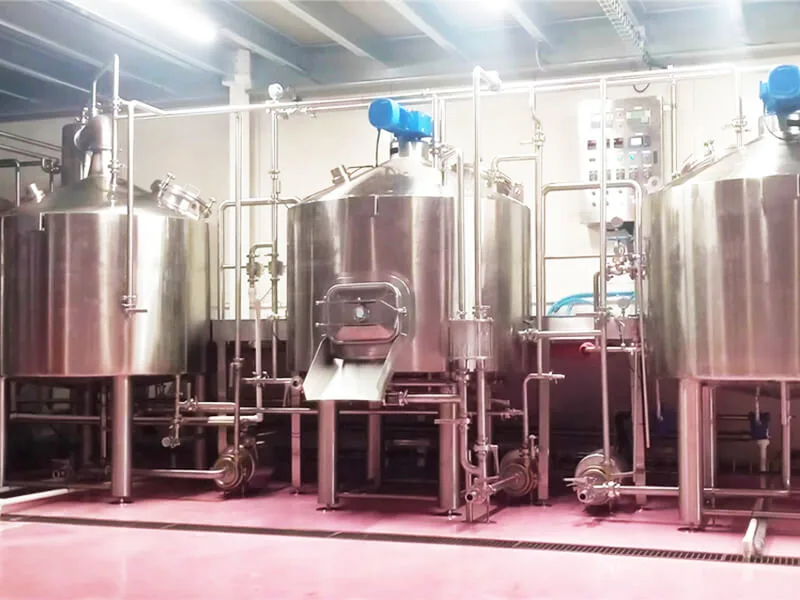
A typical commercial brewery may include:
- Malt milling and conveying equipment
- 양조장
- 열교환기
- 발효 탱크
- Bright beer tanks
- 글리콜 냉각 시스템
- CIP 시스템
- Hot and cold water tanks
- 제어 시스템
- Boiler or electric heating system
- Beer packaging equipment
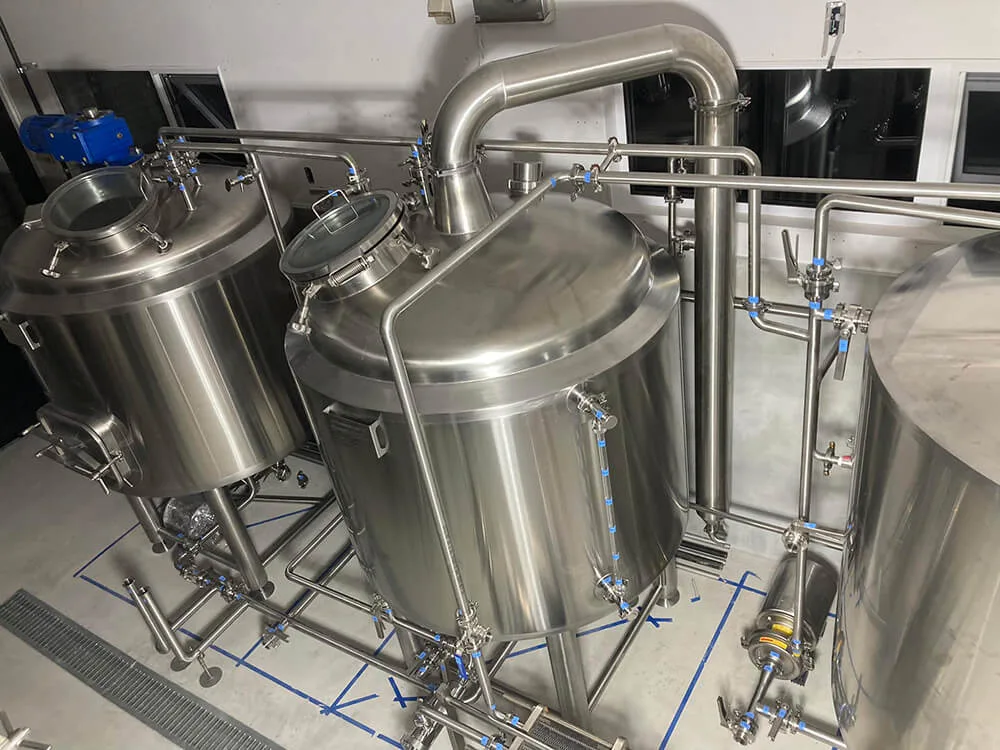
The layout should consider not only where each piece of equipment will be installed, but also how materials, wort, beer, cleaning solutions, and personnel will move through the facility.
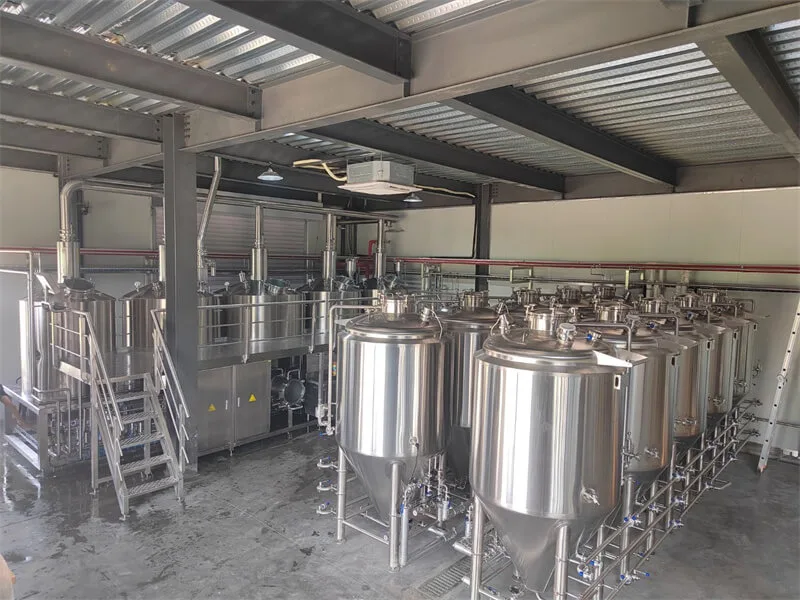
Allow sufficient space around major equipment for operation, inspection, cleaning, maintenance, and replacement of components.
For example, fermenters should not be installed so close together that operators cannot access valves, manways, temperature sensors, or CIP connections.
2. Check Floor Conditions and Load Capacity
Brewery equipment is heavy, and the operating weight can be significantly higher than the empty equipment weight.
A tank filled with water or beer can weigh several tons depending on its capacity. The floor therefore needs to be suitable for the equipment and its operating load.
Before installation, check:
- Floor load capacity
- Floor thickness
- Foundation condition
- Equipment support points
- Anchor requirements
- Floor levelness
- Drainage slope
For large fermenters, brewhouses, and storage tanks, the foundation and support structure should be confirmed according to the equipment drawings and local engineering requirements.
A brewery equipment manufacturer can provide equipment dimensions, operating weight, support details, and installation drawings for the site engineering team.
3. Plan Drainage Before Equipment Installation
Drainage is an important part of brewery site preparation because brewing and cleaning generate a significant amount of wastewater.
The drainage system should be planned around:
- 양조장
- CIP area
- Fermentation area
- Packaging area
- Tank washing areas
- Floor cleaning areas
The floor should allow water to drain efficiently without creating standing water around equipment.
Drain size and wastewater treatment requirements should be determined according to the brewery’s process and local regulations.
Drainage should be considered before the equipment is installed. Changing drainage routes after tanks and piping are in place can be difficult and expensive.
4. Prepare Water Supply
Water is one of the most important utilities in a brewery.
The site should provide sufficient water for:
- Brewing
- Cleaning
- CIP
- Tank washing
- Cooling-related processes
- Packaging and other auxiliary operations
The required water flow and pressure depend on the brewery capacity and equipment configuration.
Water quality is also important. Brewing water may require treatment depending on the source water and the beer styles being produced.
Before equipment installation, confirm:
- Water source
- Water pressure
- Flow rate
- Water temperature
- Water treatment requirements
- Connection size and location
The final requirements should be determined from the brewery process design rather than using a generic water specification.
5. Plan Electrical Power and Control Connections
Electrical requirements should be confirmed before the equipment arrives.
The brewery site should have sufficient electrical capacity for equipment such as:
- Pumps
- Motors
- Agitators
- Glycol chillers
- Refrigeration equipment
- Control cabinets
- Packaging equipment
- Electric heaters, if applicable
The electrical system should also consider voltage, frequency, phase, breaker capacity, cable routing, grounding, and local electrical requirements.
For a brewery with PLC automation, the control cabinet location should be planned so that operators can monitor the production process while maintaining convenient access to equipment.
The equipment manufacturer should provide electrical specifications for the supplied equipment so the local electrical contractor can prepare the required connections.
6. Prepare Heating System Requirements
The heating method has a major influence on site preparation.
Commercial breweries may use:
- Electric heating
- Steam heating
- Direct fire heating
For steam-heated systems, the site may require a boiler, steam piping, condensate drainage, water treatment, ventilation, and other supporting utilities.
For electric heating, the electrical infrastructure needs to accommodate the required heating load.
The exact requirements depend on brewhouse capacity, heating speed, production schedule, and local energy conditions.
Heating equipment should therefore be selected together with the brewhouse rather than treated as a separate installation issue.
7. Prepare the Cooling System Area
Fermentation and beer storage require controlled cooling.
A typical brewery cooling system may include:
- Glycol chiller
- Glycol tank
- Pumps
- Piping
- Heat exchangers
- Temperature control system
The cooling equipment should be installed in a location with adequate ventilation and sufficient service space.
The site should also allow glycol piping to reach the fermenters and other cooled tanks without creating unnecessary pipe runs.
For a larger brewery, the cooling load should be calculated based on the number and size of fermenters, fermentation temperature, production schedule, ambient conditions, and other cooling requirements.
8. Provide Adequate Ventilation
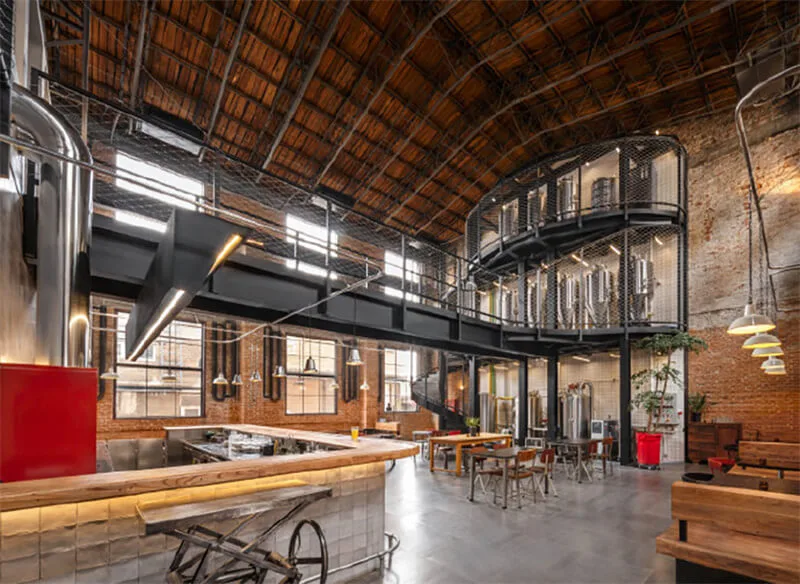
Ventilation should be considered during brewery building design.
Different areas may generate heat, steam, CO₂, or other process-related emissions.
The brewhouse can generate considerable heat and vapor, while fermentation areas may require appropriate ventilation because fermentation produces CO₂.
The boiler room, if applicable, also has its own ventilation and safety requirements.
Ventilation design should comply with applicable local building, fire, and occupational safety requirements.
9. Check Doorways, Ceiling Height and Equipment Access
One of the most common practical issues during equipment installation is access.
A tank may fit inside the production area but be impossible to move through the building entrance.
Before manufacturing and shipment, check:
- Door width
- Door height
- Ceiling height
- Passage width
- Elevator capacity
- Loading dock dimensions
- Forklift access
- Crane access
- Tank lifting requirements
Tall fermentation tanks can require special handling during installation.
For large brewery projects, equipment dimensions and transportation routes should be reviewed together with the factory layout.
10. Prepare Piping and Utility Connections
Brewery equipment requires multiple utility connections.
Depending on the system, these may include:
- Brewing water
- Hot water
- Steam
- Glycol
- Compressed air
- CO₂
- Electrical power
- 배수
- Product piping
- CIP piping
Connection locations should be coordinated with the equipment drawings before construction.
This helps reduce unnecessary pipe crossings and makes future maintenance easier.
For automated systems, instrument and control connections should also be considered during piping and electrical planning.
11. Plan Space for CIP and Cleaning Operations
A brewery should not only be designed for production. It also needs to be designed for cleaning.
The CIP system should have sufficient space for:
- CIP tanks
- Pumps
- Piping
- 밸브
- Chemical handling
- Operator access
The CIP system may serve brewhouse vessels, fermentation tanks, bright beer tanks, and process piping depending on the brewery design.
The cleaning route should be considered when planning the equipment layout so that hoses, pipes, and connections can be accessed safely and efficiently.
12. Prepare for Equipment Delivery and Installation
Site preparation should continue through the delivery stage.
Before shipment, confirm:
- Delivery route
- Unloading area
- Crane or forklift requirements
- Temporary storage area
- Installation sequence
- Equipment lifting points
- Packaging removal area
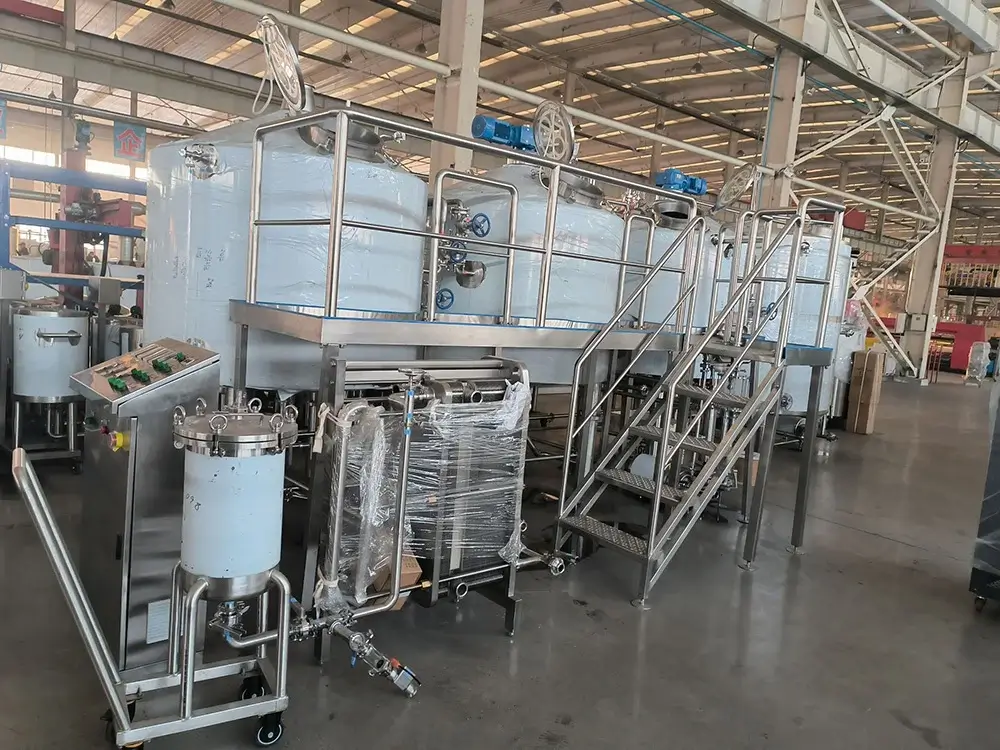
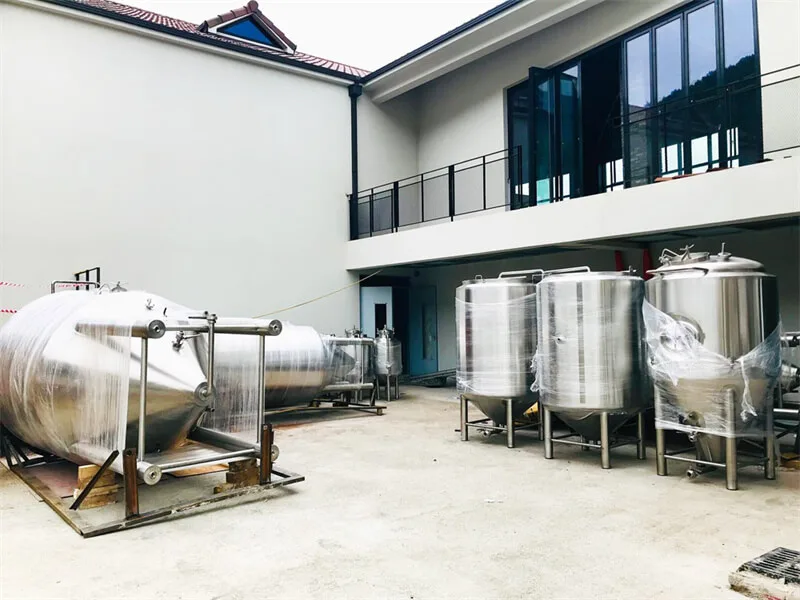
Large stainless steel tanks may need to be unloaded individually and moved directly into their installation positions.
For overseas projects, the buyer should also coordinate the delivery schedule with the local installation team and construction contractors.
13. Coordinate with the Brewery Equipment Manufacturer
The best time to discuss site preparation is before equipment production is completed.
A professional brewery equipment manufacturer can provide information such as:
- General arrangement drawings
- Equipment dimensions
- Connection drawings
- Utility requirements
- Electrical specifications
- Tank weights
- Piping connection points
- Installation recommendations
This information allows the buyer’s local contractors to prepare the building before the equipment arrives.
For a turnkey brewery project, the equipment manufacturer may also help coordinate the equipment layout, utility requirements, installation, commissioning, and operator training.
14. Site Preparation Checklist
Before brewery equipment arrives, the following items should be confirmed:
| Item | Check |
|---|---|
| Equipment layout | Finalized |
| Floor and foundation | Suitable for operating loads |
| 배수 | Installed and accessible |
| Water supply | Flow and pressure confirmed |
| Electrical power | Capacity and connections prepared |
| Heating | Boiler or electrical system ready |
| Glycol cooling | Chiller and piping prepared |
| Ventilation | Adequate for process conditions |
| Piping | Connection points confirmed |
| CIP area | Space and utilities prepared |
| Doorways | Large enough for equipment access |
| Ceiling height | Suitable for tank installation |
| Unloading | Forklift/crane access available |
| Local permits | Checked according to local requirements |
Why Site Preparation Matters
Proper site preparation can reduce installation delays and help avoid costly modifications after equipment arrives.
The most important principle is to treat the brewery as an integrated production system rather than installing each machine independently.
Brewhouse capacity, fermenter configuration, cooling capacity, heating system, CIP system, utilities, piping, and building layout should all be considered together.
Work with a Brewery Equipment Manufacturer
METO provides brewery equipment from individual tanks and brewing systems to integrated commercial brewery solutions. Our engineering team can provide equipment drawings, technical specifications, utility requirements, and layout information to support site preparation before delivery.
For a new brewery project, providing your target production capacity, brewery size, beer styles, available building space, heating method, and local utility conditions allows the equipment design to be developed around the actual project requirements.
METO에 문의 to discuss your brewery layout and equipment installation requirements before ordering your system.