Modern fermentation is no longer limited to breweries and wineries. Today, it powers industries ranging from food and beverages to pharmaceuticals, biotechnology, dairy processing, precision fermentation, and renewable energy. As production scales and quality standards become increasingly stringent, manufacturers need equipment that delivers consistent performance, superior hygiene, and long-term reliability.
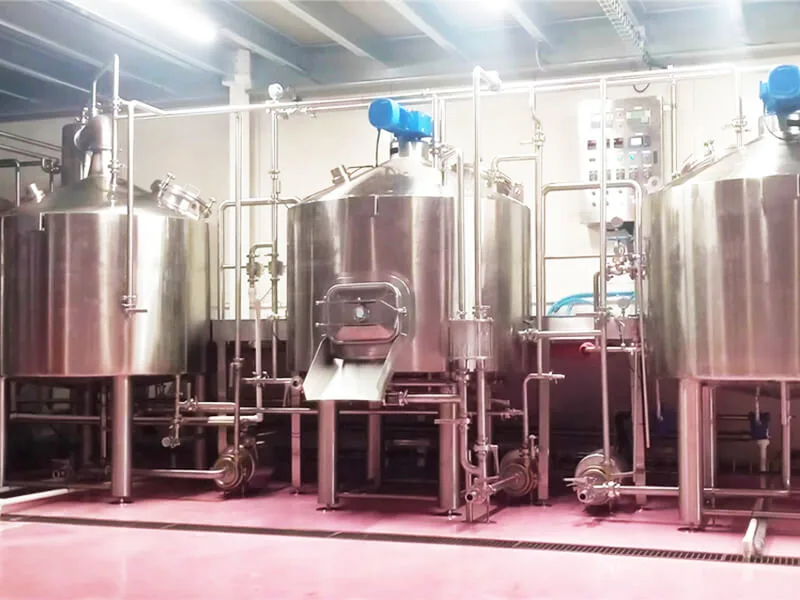
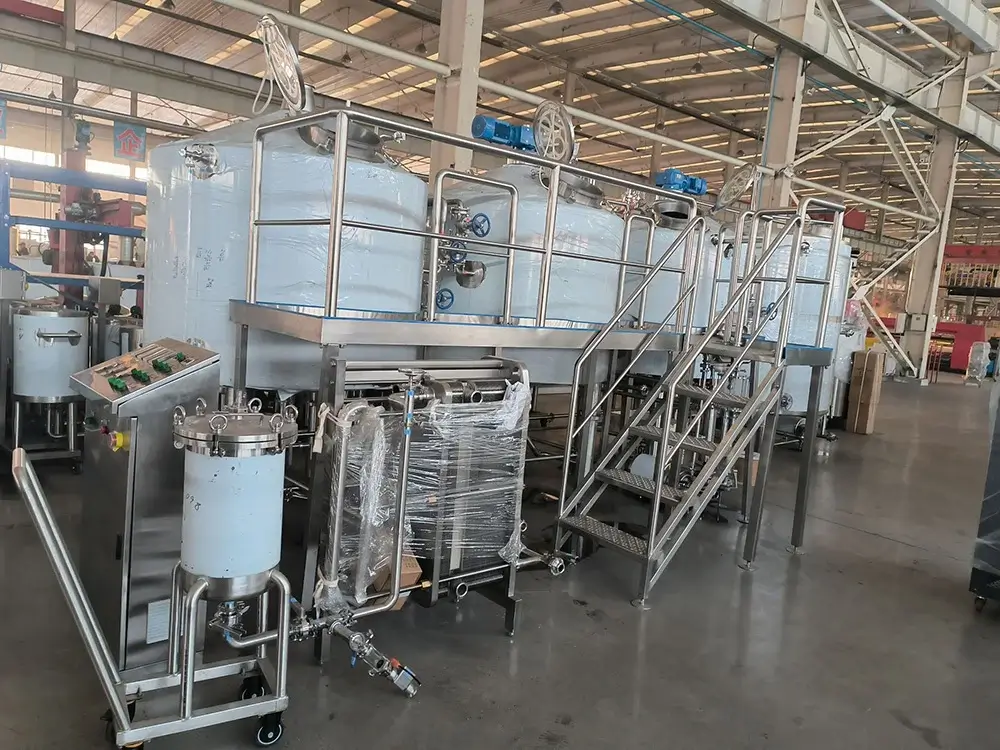
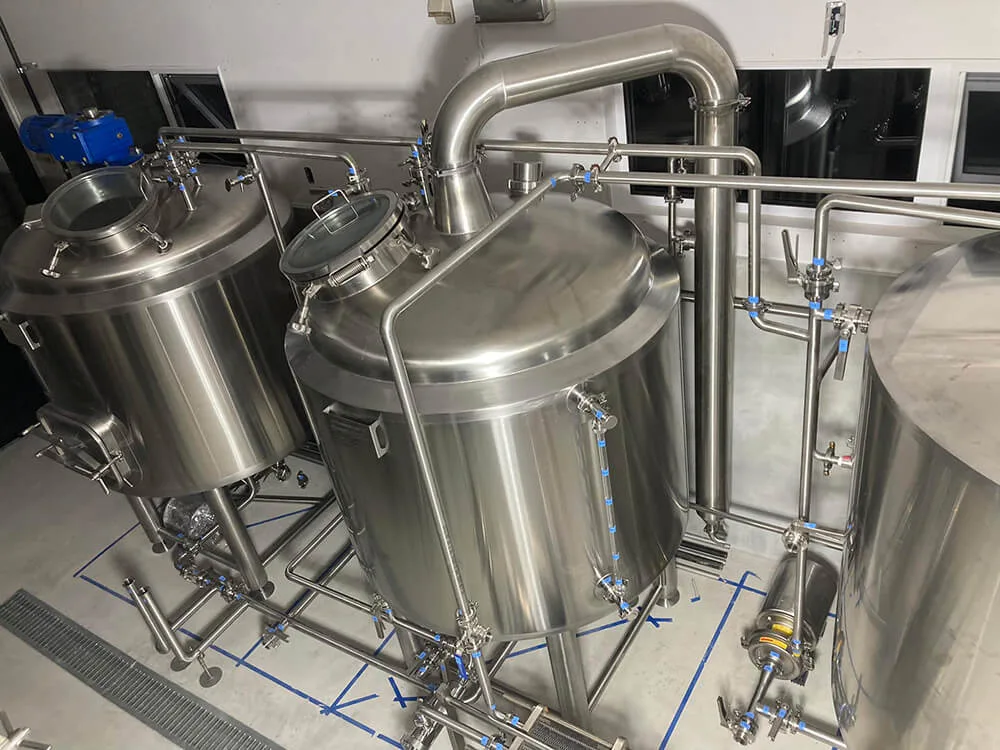
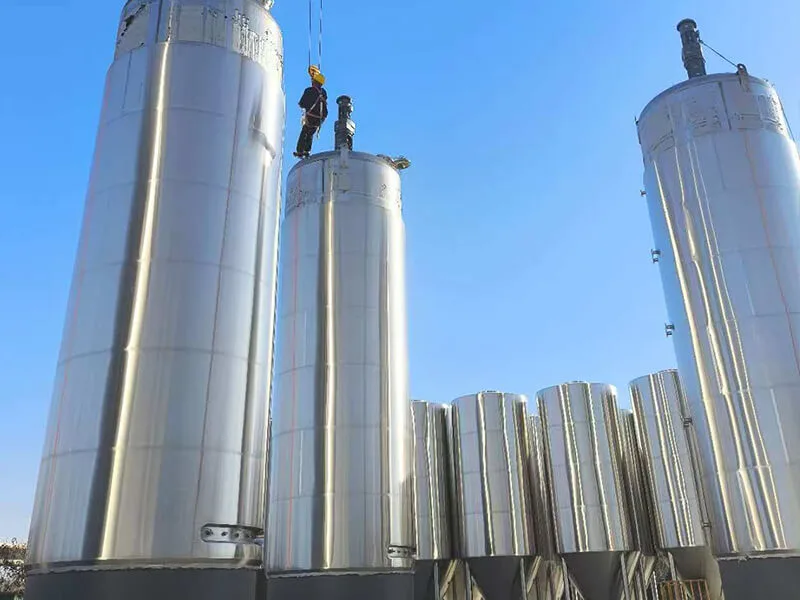
At the heart of every successful fermentation process is the stainless steel fermentation tank. More than a simple vessel, it serves as a controlled environment where microorganisms convert raw materials into valuable products. Every aspect of the tank—from material selection and welding quality to temperature control and automation—directly influences product consistency, operational efficiency, and regulatory compliance.
Whether you’re launching a craft brewery, expanding a pharmaceutical facility, or designing a large-scale bioprocessing plant, selecting the right fermentation system is one of the most important investments you’ll make.
This guide explores the key engineering considerations, emerging technologies, and purchasing strategies that help global manufacturers choose the ideal stainless steel fermentation tank.
Why Stainless Steel Fermentation Tanks Dominate Modern Manufacturing
Fermentation requires precise environmental control. Even small fluctuations in temperature, oxygen levels, or sanitation can negatively affect product quality, yield, and safety.
Compared with plastic, fiberglass, or carbon steel alternatives, food-grade stainless steel offers significant advantages:
- Outstanding corrosion resistance
- Excellent mechanical strength
- Long service life exceeding 20 years with proper maintenance
- Easy cleaning and sterilization
- Superior resistance to chemicals and cleaning agents
- Excellent compatibility with automated production systems
- Full compliance with international food and pharmaceutical regulations
These characteristics explain why stainless steel has become the preferred material for breweries, wineries, dairy plants, pharmaceutical manufacturers, enzyme producers, and biotechnology companies worldwide.
More importantly, investing in premium equipment significantly reduces the Total Cost of Ownership (TCO) through lower maintenance costs, improved production efficiency, and reduced contamination risks.
Material Selection: Why 304 and 316L Stainless Steel Matter
Choosing the correct stainless steel grade is the foundation of a reliable fermentation system.
Food-Grade 304 Stainless Steel
304 stainless steel remains the industry’s most widely used material because it offers an excellent balance between performance and cost.
It is ideal for:
- Beer brewing
- Distilled spirits
- Dairy processing
- Most food fermentation
- 水处理
Advantages include:
- Excellent corrosion resistance
- 高机械强度
- Easy fabrication
- Cost-effective for standard applications
For breweries producing lagers, ales, or non-acidic beverages, 304 stainless steel provides outstanding long-term performance.
Food-Grade 316L Stainless Steel
When fermentation involves acidic ingredients or aggressive cleaning chemicals, 316L becomes the preferred option.
Typical applications include:
- Wine fermentation
- 康普茶的生产
- Fruit wine
- Vinegar
- Pharmaceutical fermentation
- Biotechnology
- Cosmetic ingredients
- High-purity chemical production
The addition of molybdenum significantly improves resistance to:
- Organic acids
- Chlorides
- Salt corrosion
- Aggressive CIP chemicals
The lower carbon content also reduces the risk of weld corrosion, making 316L particularly suitable for GMP production environments.
Although 316L typically costs 15–30% more than 304, its longer service life often delivers greater value in demanding applications.
Surface Finish and Passivation: Small Details with Major Impact
Material selection alone is not enough. The quality of the internal surface largely determines cleanability, contamination resistance, and product purity.
Professional fermentation tanks typically feature:
- Internal surface roughness ≤ Ra 0.6 μm
- Mirror polishing
- Automatic orbital TIG welding
- Pickling and passivation treatment
- Dead-leg-free sanitary design
Why Passivation Is Essential
Surface passivation removes free iron from stainless steel and forms a protective chromium oxide layer.
This process offers several benefits:
- Improved corrosion resistance
- Reduced bacterial attachment
- 设备使用寿命更长
- Better compatibility with CIP cleaning
- 维护要求较低
High-quality passivation is particularly important for pharmaceutical and biotechnology applications, where even microscopic contamination can affect production.
International Certifications: Building Trust in Global Markets
For manufacturers exporting equipment or operating internationally, certifications are often mandatory rather than optional.
ASME Certification
Widely required across North America for pressure vessels. Benefits include:
- Proven structural integrity
- Compliance with pressure vessel regulations
- Easier project approvals
- Greater buyer confidence
PED Certification
Essential for supplying pressure equipment to European markets. PED certification verifies that equipment satisfies European safety requirements for pressure vessels.
GMP Compliance
Pharmaceutical manufacturers require fermentation systems that support Good Manufacturing Practice (GMP). Typical GMP features include:
- Hygienic welding
- Full material traceability
- Sterile sampling ports
- SIP capability
- Complete documentation package
Selecting certified equipment simplifies audits and regulatory inspections while reducing operational risks.
Smart Fermentation: The Rise of Intelligent Manufacturing
Digital transformation is reshaping fermentation across every industry. Modern fermentation tanks now integrate advanced monitoring and automation systems that improve product consistency while reducing labor requirements.
IoT-Enabled Real-Time Monitoring
Intelligent sensors continuously monitor:
- 温度
- 压力
- pH
- Dissolved oxygen
- Liquid level
- Foam detection
Operators can access production data remotely through industrial control platforms or cloud-based dashboards. Typical temperature control accuracy reaches ±0.5°C, ensuring stable fermentation conditions throughout the production cycle.
Automated Temperature and pH Control
Maintaining optimal fermentation conditions directly impacts:
- Yeast health
- Bacterial growth
- Product flavor
- Alcohol production
- Biomass yield
Automated control systems eliminate manual adjustments while maintaining highly consistent process conditions. Benefits include:
- Faster fermentation
- Improved batch consistency
- Reduced operator error
- 降低能耗
CIP and SIP Systems: Smarter Cleaning, Lower Risk
Cleaning accounts for a significant portion of production downtime. Modern fermentation facilities increasingly rely on:
CIP (Clean-In-Place)
Automated circulation cleaning eliminates the need for tank disassembly. Typical cleaning sequence includes:
- 预冲洗
- Caustic wash
- 中间冲洗
- Acid wash
- Final rinse
Advantages include:
- Lower labor costs
- Reduced water consumption
- Consistent cleaning quality
- Faster turnaround
SIP (Sterilize-In-Place)
For pharmaceutical and biotechnology production, SIP uses steam to sterilize equipment without dismantling the system. Benefits include:
- 降低污染风险
- Improved sterility assurance
- Compliance with GMP requirements
- Reduced production interruptions
Together, CIP and SIP significantly improve plant productivity while maintaining strict hygienic standards.
Multi-Stage Fermentation Systems Improve Production Efficiency
Many industrial processes require different environmental conditions throughout fermentation. Instead of relying on multiple independent tanks, manufacturers increasingly adopt modular multi-stage fermentation systems.
These systems support:
- Sequential fermentation
- Different microbial cultures
- Controlled maturation
- Continuous production
福利包括:
- Higher productivity
- Better process control
- Reduced floor space
- Easier expansion
- 提高产品一致性
For biotechnology and pharmaceutical facilities, modular designs also simplify future capacity upgrades.
Selecting the Right Tank Size and Configuration
Every production facility has unique operational requirements. Choosing the appropriate capacity and tank geometry ensures efficient workflow and future scalability.
Pilot and Craft Production (100L–5,000L)
适用对象:
- Craft breweries
- Wineries
- Distilleries
- Universities
- Research laboratories
- Product development
These systems emphasize flexibility and recipe experimentation.
Commercial Production (5,000L–50,000L)
Ideal for:
- Beverage manufacturers
- Dairy plants
- Food processors
- Medium-sized pharmaceutical facilities
Key priorities include:
- Stable automation
- Efficient cleaning
- High production throughput
Industrial Scale (50,000L+)
Large fermentation plants require:
- Customized engineering
- Structural analysis
- Automated process control
- Integrated utilities
- Comprehensive safety systems
Industrial projects typically involve complete turnkey solutions rather than standalone tanks.
Tank Design: Matching Equipment to Your Process
Different applications benefit from different tank configurations.
Conical Fermenters
Most common for beer brewing because they allow:
- Efficient yeast collection
- Easy sediment removal
- Simplified harvesting
- Better clarification
Cylindrical Fermentation Tanks
Frequently used in:
- Biotechnology
- Pharmaceuticals
- Dairy
- Chemical processing
These tanks maximize usable volume and accommodate various agitation systems.
Jacketed Fermentation Tanks
Cooling or heating jackets enable precise thermal control throughout fermentation. Common jacket types include:
- Dimple jackets
- Half-pipe jackets
- Full jackets
Proper thermal management improves product quality while reducing energy consumption.
Custom Engineering Creates Better Long-Term Value
No two fermentation facilities are identical. Leading manufacturers increasingly offer OEM and ODM customization, including:
- Custom capacities
- Agitator configurations
- Pressure ratings
- 加热方法
- Cooling systems
- PLC automation
- Explosion-proof designs
- Multi-product compatibility
A tailored solution often delivers significantly higher productivity than off-the-shelf equipment.
Turnkey Fermentation Solutions Simplify Project Delivery
Purchasing equipment is only one part of a successful project. Many global manufacturers now prefer turnkey solutions covering the complete project lifecycle:
- Process consultation
- Equipment design
- 3D layout planning
- Manufacturing
- FAT testing
- International shipping
- 安装
- 调试
- Operator training
- After-sales technical support
Working with a single engineering partner reduces communication complexity while ensuring compatibility across the entire production line.
Navigating Global Supply Chains
International equipment procurement has become increasingly complex due to changing trade policies, shipping costs, and regional regulations. When evaluating suppliers, buyers should consider more than equipment price alone.
重要因素包括:
- Manufacturing capability
- Quality management systems
- International certifications
- 备件供应
- Delivery schedules
- Technical documentation
- Remote support
- Local service capability
Choosing an experienced global supplier often minimizes project delays and lowers lifecycle operating costs.
Reducing Total Cost of Ownership (TCO)
The lowest purchase price rarely delivers the lowest lifetime cost. A well-designed stainless steel fermentation tank reduces ownership costs through:
- 设备使用寿命更长
- Lower maintenance expenses
- 减少停机时间
- Faster cleaning cycles
- 降低能耗
- 提高了生产效率
- Higher product consistency
- Easier regulatory compliance
Over a service life of 20 years or more, these operational savings typically outweigh the initial investment difference between standard and premium equipment.
结论
As fermentation technology continues to evolve, stainless steel fermentation tanks have become strategic production assets rather than simple storage vessels. Material quality, hygienic engineering, automation, certification, and customization all contribute to safer production, higher efficiency, and consistent product quality.
Whether you are building a craft brewery, expanding a winery, developing a pharmaceutical production line, or scaling a biotechnology facility, selecting the right fermentation system is an investment in your company’s long-term competitiveness.
A trusted equipment partner should provide more than manufacturing expertise—they should offer engineering consultation, global compliance support, customized solutions, and reliable after-sales service throughout the entire lifecycle of your project.
If you’re planning a new fermentation facility or upgrading an existing production line, request a customized solution, equipment catalog, factory inspection videos, or a detailed project consultation. The right fermentation system will help maximize productivity, protect product quality, and support sustainable business growth for years to come.