The global craft beer industry continues to expand as consumers increasingly seek fresh, locally brewed, and distinctive beers. From brewpubs and restaurants to boutique hotels and independent breweries, more entrepreneurs are investing in commercial brewing equipment that delivers professional quality without the complexity of large industrial breweries.
Among all available capacities, 500L Microbrewery Equipment, also known as a 5HL Nano Brewery System, has become one of the most popular choices. It offers an ideal balance between production flexibility, manageable investment, and future scalability, making it an excellent solution for startups and growing craft breweries.
This guide explores the essential components, customization options, brewery layout considerations, and sourcing strategies that every international buyer should understand before purchasing a 500L brewing system.
Why Choose a 500L Microbrewery System?
For many brewery owners, selecting the right production capacity is one of the most important business decisions.
A 500L brewing system occupies the “sweet spot” between pilot brewing and large-scale commercial production. It produces enough beer to supply taprooms, restaurants, bars, and regional distribution while maintaining flexibility for seasonal recipes and experimental batches.
Typical applications include:
- Brewpubs with on-site beer production
- Boutique craft breweries
- Hotel breweries
- Restaurant brewing systems
- Contract brewing startups
- Brewery training centers
- Beverage R&D laboratories
Compared with smaller home brewing equipment, a commercial 500L system provides greater production efficiency, higher automation, and better batch consistency while remaining affordable for new businesses.
Many breweries can recover their investment relatively quickly because the equipment supports multiple brewing cycles each week while requiring a relatively small operating team.
Core Components of a 500L Brewing System
A complete Commercial Beer Brewing Equipment package includes both hot-side and cold-side processing equipment. Every component plays an important role in ensuring beer quality, production efficiency, and long-term operational reliability.
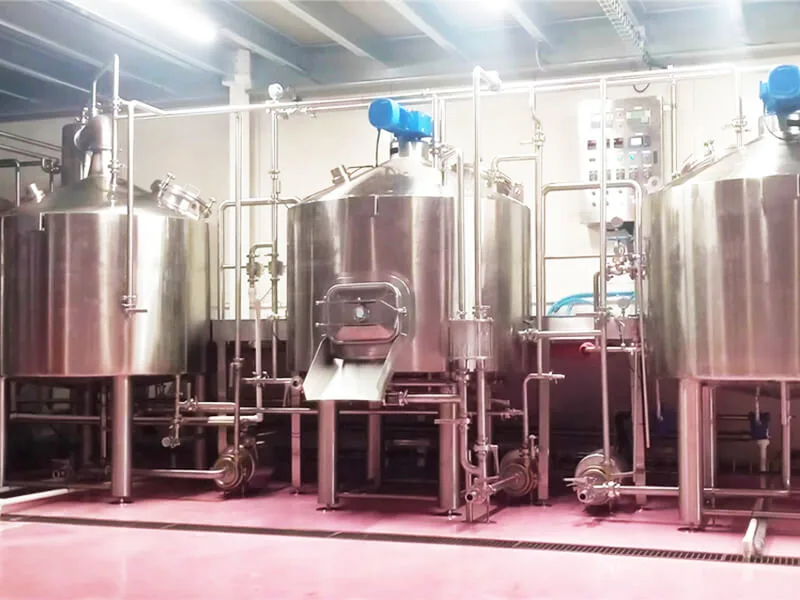
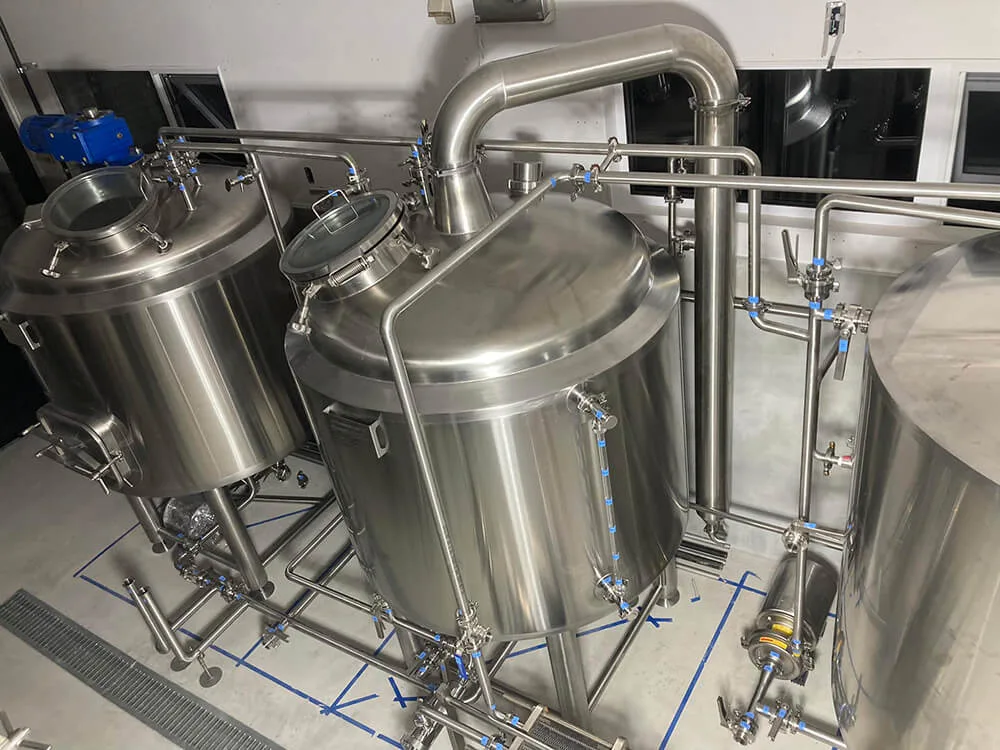
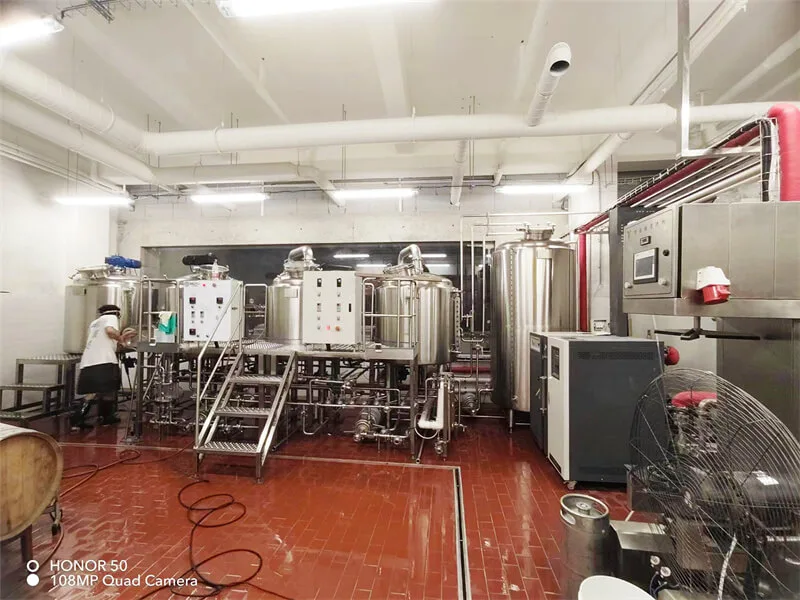
Brewhouse: The Heart of Beer Production
The brewhouse performs the key brewing processes, including mashing, lautering, boiling, and whirlpool separation.
Depending on production goals and budget, manufacturers typically offer several brewhouse configurations:
Two-Vessel Brewhouse
The most economical solution combines:
- 麦芽浆/烧煮器
- 水壶/漩涡
适用对象:
- 啤酒馆
- Small breweries
- Limited installation space
Advantages include:
- 降低投资成本
- 占地面积小
- Simplified operation
Three-Vessel Brewhouse
A more flexible configuration usually includes:
- 泥浆池
- 烧结炉
- 水壶/漩涡
福利包括:
- Shorter brewing cycles
- Higher daily output
- Improved mash efficiency
- Greater brewing flexibility
四罐式酿造系统
Designed for breweries planning continuous production.
Independent vessels allow simultaneous brewing operations, significantly increasing production capacity.
Precise Temperature Control Matters
Beer quality depends heavily on stable temperature control throughout the brewing process.
Modern 500L systems generally achieve temperature accuracy within ±0.5°C, enabling brewers to reproduce recipes consistently.
Heating options typically include:
蒸汽加热
Preferred by most commercial breweries.
优势
- Uniform heat distribution
- High thermal efficiency
- Reduced caramelization risk
- Easy temperature adjustment
电加热
Suitable where steam infrastructure is unavailable.
优势
- Lower installation complexity
- Clean operation
- Simple maintenance
Direct Fire Heating
Common for breweries seeking traditional brewing characteristics.
优势
- Rapid heating
- Lower initial equipment cost
However, direct fire systems require careful operation to prevent scorching.
Whirlpool System for Cleaner Wort
After boiling, the wort enters the whirlpool vessel.
The rotating flow separates hot break material and hop residue before cooling.
Effective whirlpool design improves:
- 麦汁透明度
- Fermentation stability
- Beer flavor
- Shelf life
Proper internal geometry minimizes protein carryover into fermentation.
Fermentation System: Where Beer Comes Alive
The fermentation cellar represents the largest portion of a brewery investment.
A standard 500L brewery commonly includes:
- Multiple Conical Fermenters
- 明亮的啤酒罐
- 乙二醇冷却系统
- Temperature controllers
Conical Fermenters
Conical fermenters provide several operational advantages:
- Easy yeast harvesting
- Efficient sediment removal
- Better sanitation
- Improved beer clarity
Cooling jackets maintain precise fermentation temperatures for different beer styles.
Whether brewing lagers or ales, stable fermentation temperatures directly affect flavor development.
明亮的啤酒罐
After fermentation, beer is transferred into bright tanks for:
- Conditioning
- Carbonation
- Clarification
- Packaging preparation
Bright tanks ensure consistent carbonation before kegging, bottling, or canning.
乙二醇冷却系统
Reliable cooling is essential throughout fermentation.
A typical glycol package includes:
- 乙二醇冷水机组
- Insulated piping
- Glycol pump
- Expansion tank
- 数字温度控制器
Proper glycol sizing depends on:
- Ambient climate
- Number of fermenters
- 冲泡频率
- Cold storage requirements
Oversizing slightly allows future brewery expansion.
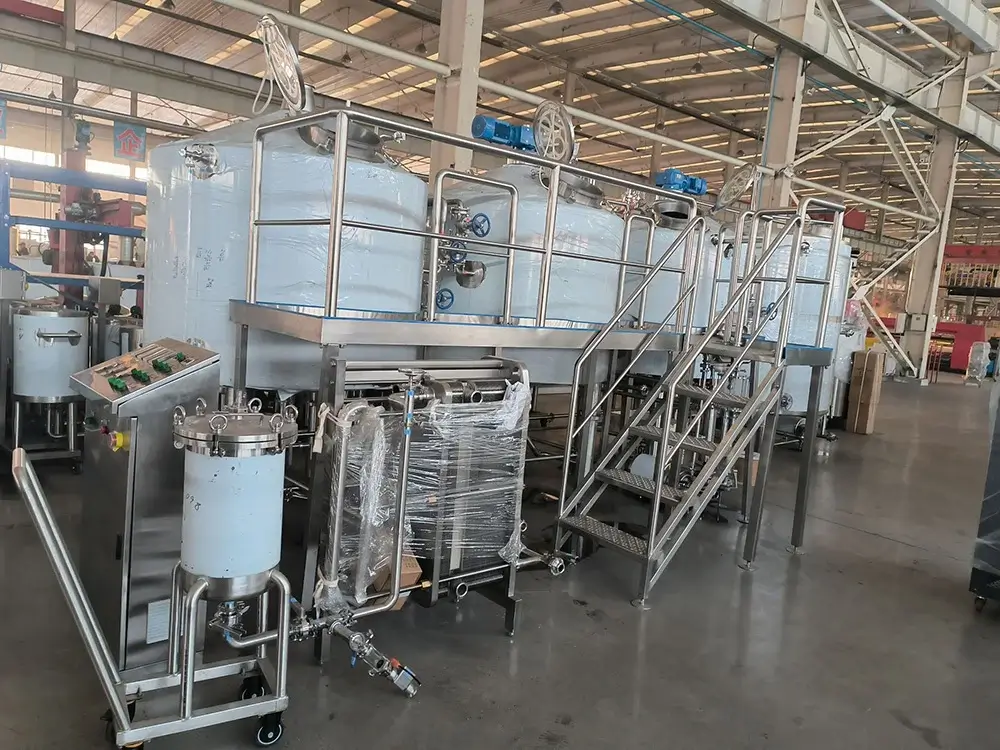
Automation and CIP Cleaning Systems
Automation significantly improves brewing consistency while reducing labor costs.
Most professional 500L Microbrewery Equipment integrates:
- PLC Control Panel
- HMI touch screen
- 食谱管理
- 自动温度控制
- Pump automation
- Valve control
These systems enable operators to repeat recipes with minimal manual intervention.
CIP 清洁系统
Sanitation is fundamental to beer quality.
A modern CIP Cleaning System simplifies equipment cleaning by circulating cleaning solutions through tanks and pipelines without disassembly.
福利包括:
- 减少劳动力
- Faster cleaning cycles
- Lower chemical consumption
- Improved hygiene
- 降低污染风险
For breweries operating daily, automated CIP quickly becomes indispensable.
Custom Brewery Layout Design
Every brewery has unique space constraints.
Professional Brewery Layout Design helps maximize production efficiency while ensuring smooth workflow.
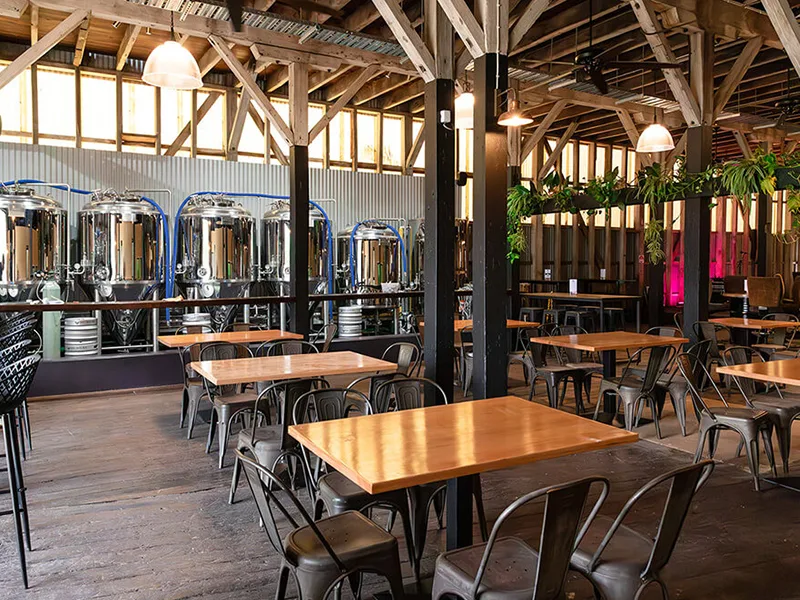
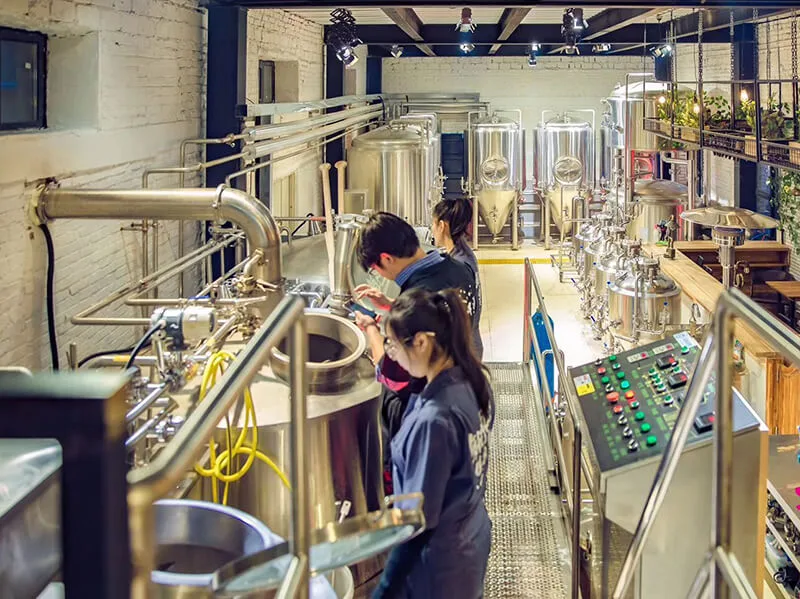
Brewpub Layout
Urban brewpubs often have limited floor space.
Design priorities include:
- Compact brewhouse arrangement
- Front-of-house visibility
- Efficient pipe routing
- Customer interaction
Vertical fermenter placement often saves valuable floor space.
Independent Craft Brewery
Larger facilities prioritize:
- Material handling
- Expansion capacity
- Separate brewing and packaging areas
- Efficient logistics
Planning future tank additions during the initial design phase can significantly reduce later renovation costs.
Material Selection and Brewery Appearance
Material quality directly affects durability, sanitation, and brand image.
SUS304 Stainless Steel
The industry standard for most breweries.
Advantages include:
- Excellent corrosion resistance
- Food-grade safety
- 易于清洁
- Competitive cost
SUS316L Stainless Steel
Recommended for breweries producing acidic beverages or operating under particularly demanding conditions.
福利包括:
- Higher corrosion resistance
- 更长的使用寿命
- Superior chemical resistance
Copper Cladding
Although stainless steel performs the actual brewing, decorative copper cladding remains popular for visible brewpub installations.
Copper-clad brewhouses create a premium appearance that enhances customer experience and strengthens brewery branding.
Utility Planning Before Installation
Successful brewery installation requires more than purchasing equipment.
International buyers should verify local utility conditions before manufacturing begins.
Typical considerations include:
电力供应
Most manufacturers customize equipment according to local standards:
- 220V–480V
- 50Hz or 60Hz
- 三相电源
供水
Water requirements include:
- 冲泡用水
- Cleaning water
- 冷却水
- Boiler feed water
Water treatment systems may also be recommended depending on local water quality.
压缩空气
Automation systems often require clean compressed air for pneumatic valves and actuators.
What Global Buyers Should Look for When Choosing a Brewery Equipment Manufacturer
Selecting the right Brewery Equipment Manufacturer is just as important as choosing the equipment itself.
Price alone rarely reflects long-term value.
Instead, buyers should evaluate several critical factors.
Manufacturing Experience
Experienced manufacturers typically offer:
- Proven engineering solutions
- Stable production quality
- Better customization capability
- International project experience
Reviewing completed brewery projects helps verify practical expertise.
Welding and Surface Finish
High-quality fabrication directly affects sanitation and equipment lifespan.
Look for manufacturers offering:
- TIG welding with full penetration
- Smooth internal welds
- Inner mirror polishing (Ra ≤ 0.4 μm)
- Pickling and passivation treatment
- Pressure testing before shipment
Poor welding often leads to contamination, cleaning difficulties, and premature corrosion.
Certifications
International certifications facilitate customs clearance and demonstrate manufacturing quality.
Common certifications include:
- CE Certification
- ISO9001 Quality Management
- UL or CSA compliance (depending on destination market)
- PED certification for pressure vessels when required
Always confirm which certifications apply to your country’s regulations before placing an order.
Turnkey Brewery Solutions vs. Buying Equipment Separately
Many first-time buyers underestimate the complexity of building a commercial brewery.
Purchasing equipment from multiple suppliers may reduce initial costs, but it often creates compatibility issues during installation.
A complete Turnkey Brewery Solution usually includes:
- Brewery process design
- Equipment manufacturing
- 3D layout drawings
- 公用事业规划
- 安装指南
- Commissioning support
- 酿造培训
- After-sales technical assistance
Working with a single supplier simplifies project management and minimizes startup delays.
OEM and ODM Customization Options
Every brewery has different operational goals.
Professional manufacturers generally provide OEM/ODM Customization, including:
- Tank capacity adjustments
- Heating method selection
- Automation upgrades
- Copper decoration
- Brewery logo engraving
- Custom voltage and frequency
- Special valve configurations
- Packaging line integration
Tailoring the equipment to local regulations and production plans ensures better long-term performance.
结论
A 500L Microbrewery Equipment system represents one of the smartest investments for entrepreneurs entering the commercial craft beer industry. It delivers the production capacity required for profitable brewing while maintaining manageable operating costs and flexibility for future expansion.
When evaluating suppliers, focus on more than equipment pricing. Manufacturing quality, brewery layout design, automation level, certification compliance, welding standards, and long-term technical support all contribute to the success of your brewery.
Choosing an experienced Brewery Equipment Manufacturer capable of delivering a complete Turnkey Brewery Solution can significantly reduce project risks, accelerate installation, and help you bring high-quality craft beer to market with confidence.
Whether you are opening a brewpub, expanding an existing brewery, or launching a new commercial brewing venture, investing in a well-designed 500L brewing system provides a solid foundation for sustainable growth.
If you’re planning a new brewery project, request a customized layout proposal, utility assessment, and detailed quotation based on your production goals. A properly engineered solution today will save substantial time, cost, and operational challenges in the years ahead.
Contact our engineering team today to discuss a customized turnkey brewing solution, facility layout design, and equipment configuration tailored to your production goals.