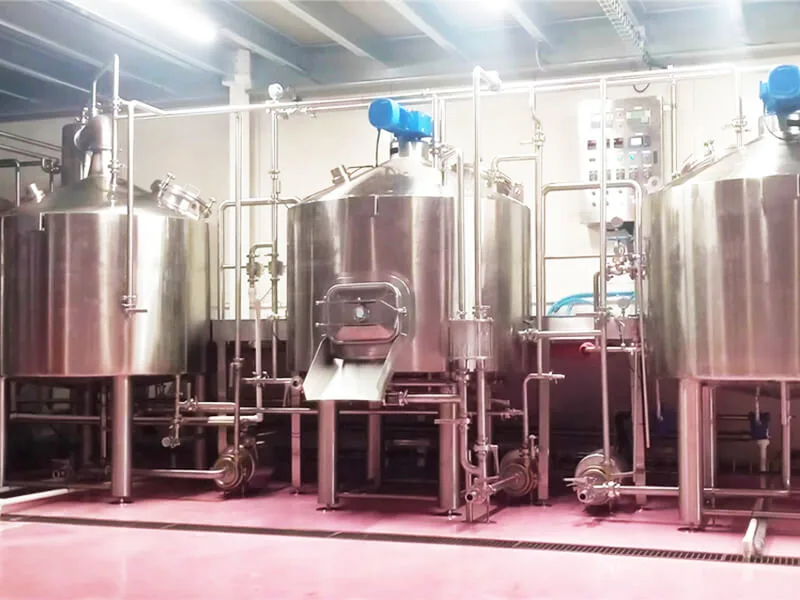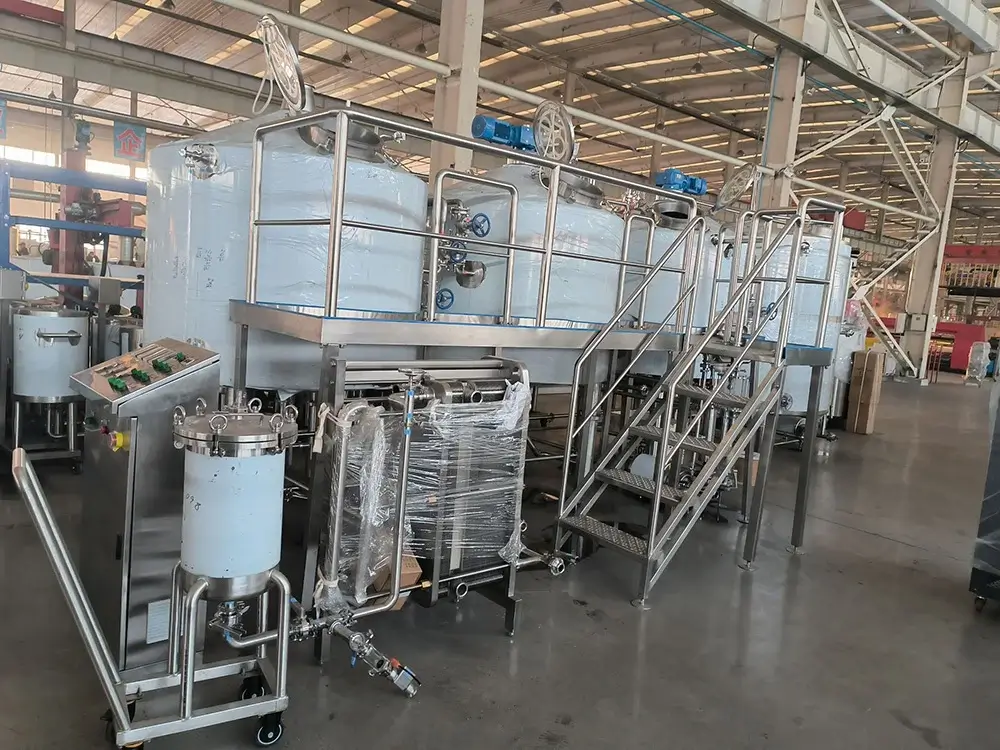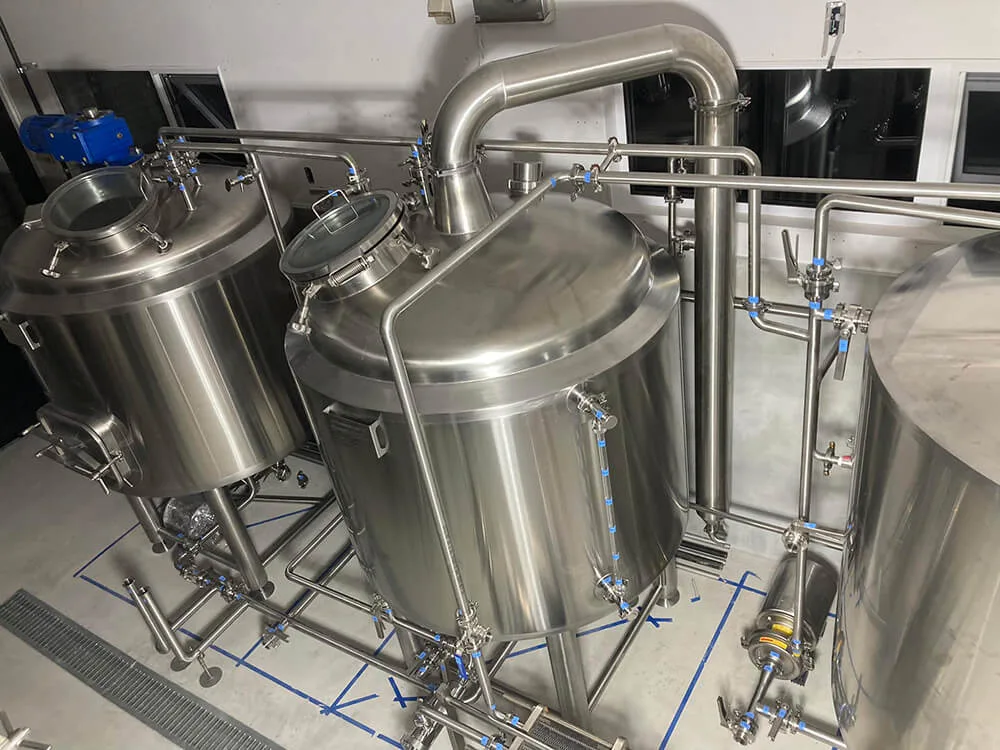
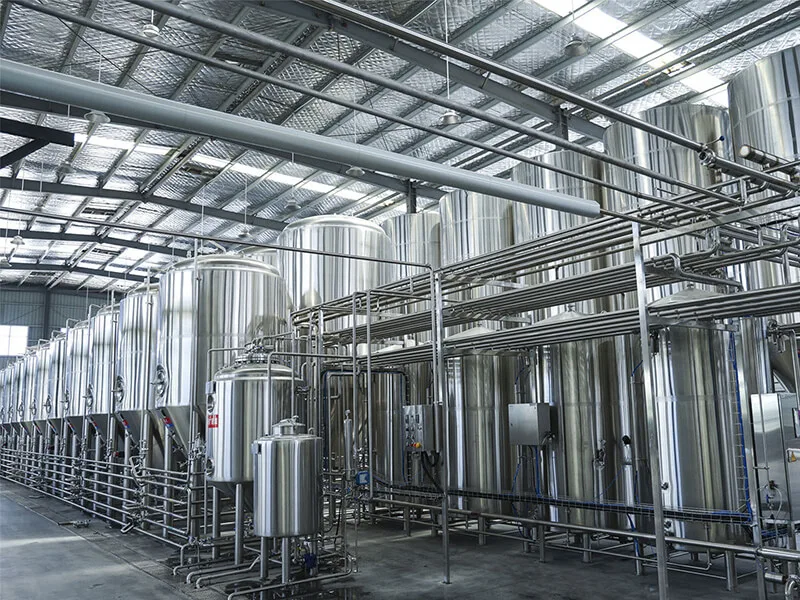
When it comes to brewing quality beer, the fermentation tank is where the magic happens. For craft breweries around the world, conical fermentation tanks have become the standard choice — not just for their iconic look, but for their practical advantages in brewing efficiency, quality control, and sanitation.
What Is a Conical Fermentation Tank?
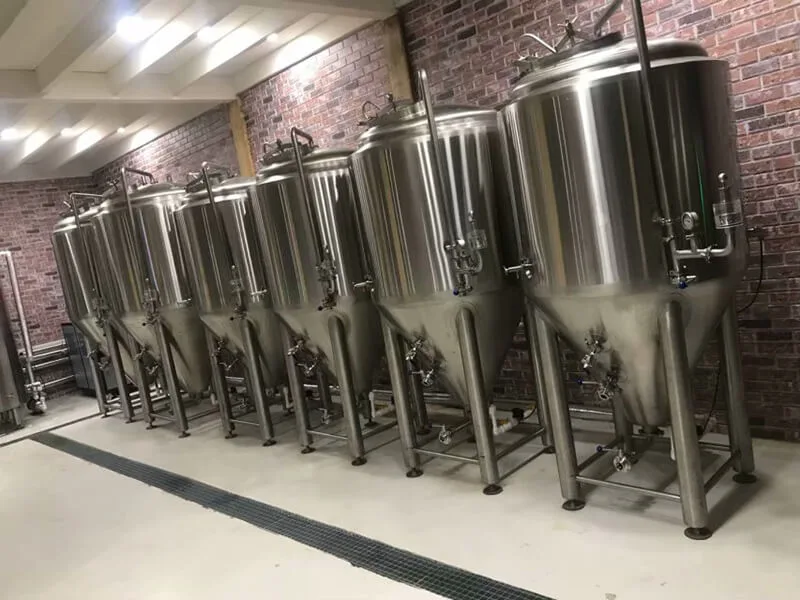
A conical fermentation tank, also known as a conical fermenter, features a cylindrical body with a cone-shaped bottom, typically at a 60° angle. Most are made of high-grade stainless steel, designed to maintain precise temperature and pressure during fermentation. The conical shape allows yeast and sediment to naturally collect at the bottom of the cone, making it easy to remove without disturbing the beer above.
The core advantages of conical fermentation tanks
1.Better Yeast Management and Reuse
One of the biggest advantages of a conical fermentation tank is its ability to collect and harvest yeast. During fermentation, yeast settles at the tip of the cone. Brewers can easily remove or reuse it for the next batch, ensuring consistency in flavor and reducing yeast costs. For craft breweries that prioritize both quality and sustainability, this feature is a major win.
2.Improved Beer Clarity and Quality
Clarity and purity are essential to great-tasting craft beer. In a fermentation tank with a conical bottom, unwanted solids like hops residue and trub naturally separate from the liquid. This makes it easier to produce clearer beer with cleaner flavors — all without the need for extra filtration steps.
3.Easy Cleaning and Maintenance
Craft brewers value hygiene, and stainless steel fermentation tanks are designed for easy cleaning. Most conical fermenters include CIP (Clean-in-Place) systems, allowing automatic cleaning and sanitizing without disassembly. The smooth stainless steel surface resists bacterial buildup, helping maintain consistent beer quality batch after batch.
4.Efficient Fermentation Control
Modern fermentation tanks come equipped with temperature jackets and digital controllers that allow brewers to precisely manage fermentation temperature — a critical factor in achieving desired taste and aroma. Whether it’s a lager that needs cool fermentation or an ale that thrives in warmer conditions, the conical design supports stable, even temperature distribution.
5.Space and Cost Efficiency for Growing Breweries
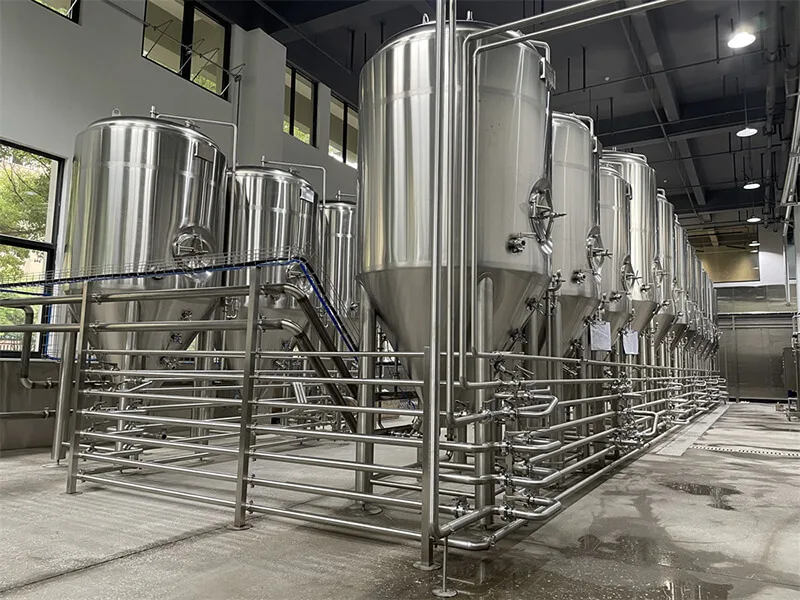
For small to medium craft breweries, space matters. Conical fermenters can handle both primary and secondary fermentation in a single vessel, saving valuable floor space. Their durability and versatility also make them a long-term investment — ideal for breweries looking to scale up production without frequent equipment replacements.
6.Professional Appearance and Brand Value
Beyond functionality, stainless steel fermentation tanks add a professional, modern look to any brewhouse. For breweries that open their production areas to visitors, the sight of polished conical tanks reinforces brand trust and craftsmanship.
Tips for Effective Use of Conical Fermentation Tanks
To get the best performance from your fermentation tank, craft brewers should follow a few key practices:
1.Maintain Proper Temperature Control
Use the glycol cooling jacket or integrated temperature control system to keep fermentation stable. Sudden temperature swings can stress yeast and cause off-flavors. Set the temperature according to your beer style and yeast strain.
2.Purge Oxygen Before Transferring
Before transferring beer into the fermentation tank, purge the vessel with CO₂ to eliminate oxygen. This prevents oxidation, which can dull hop aroma and shorten shelf life.
3. Monitor Pressure and CO₂ Levels
Many modern fermentation tanks are built for pressurized fermentation. Use a pressure relief valve and gauge to monitor CO₂ buildup, ensuring safety and consistent carbonation.
4. Harvest Yeast at the Right Time
Once fermentation slows down, open the bottom valve to collect the healthy yeast from the cone. Avoid harvesting too early or too late — timing affects yeast viability and beer consistency.
5. Clean Immediately After Each Batch
Don’t let residue dry inside the fermentation tank. Run the CIP system right after emptying the vessel to maintain hygiene and prevent contamination.
6. Inspect Seals and Valves Regularly
Regularly check all seals, gaskets, and valves for wear. Even minor leaks can compromise beer quality and tank sanitation.
By following these practices, brewers can maximize the performance, longevity, and consistency of their conical fermentation tanks.
Conclusion
Choosing the right fermentation tank is one of the most important decisions for any brewery. Conical fermentation tanks offer superior control, hygiene, and efficiency — all essential for producing consistently high-quality craft beer. That’s why they’ve become the global standard among craft brewers.
Whether you’re starting a nano-brewery or expanding to a commercial facility, investing in well-engineered stainless steel conical fermenters can take your brewing to the next level.
If you are also interested in our fermentation equipment , please feel free to contact us Meto Equipment.