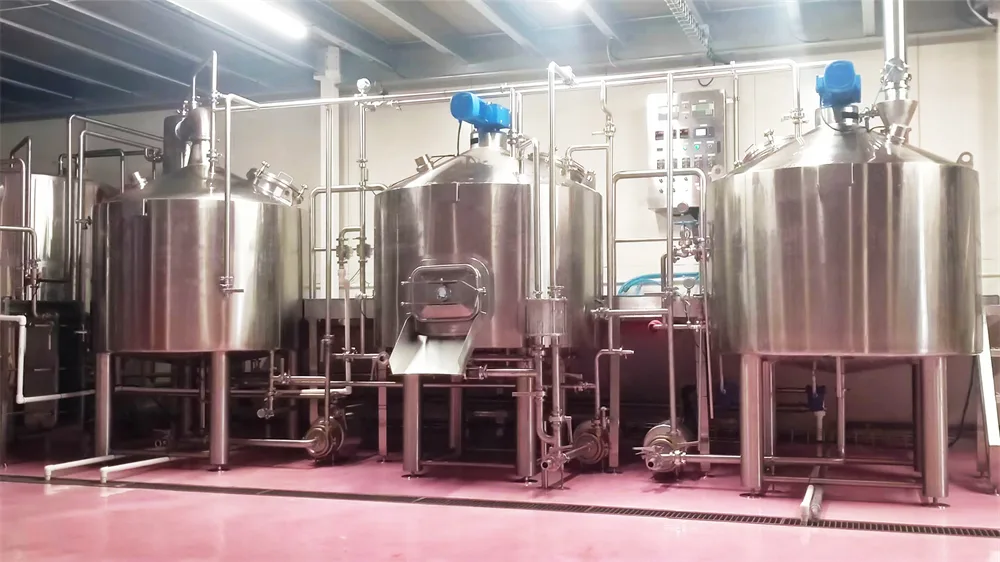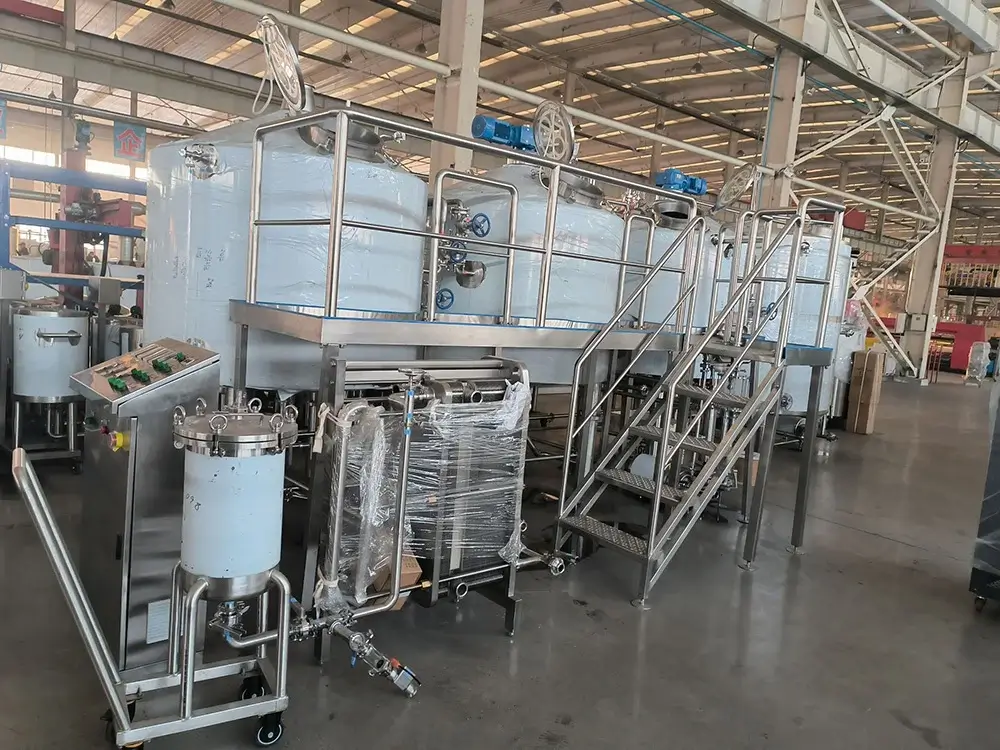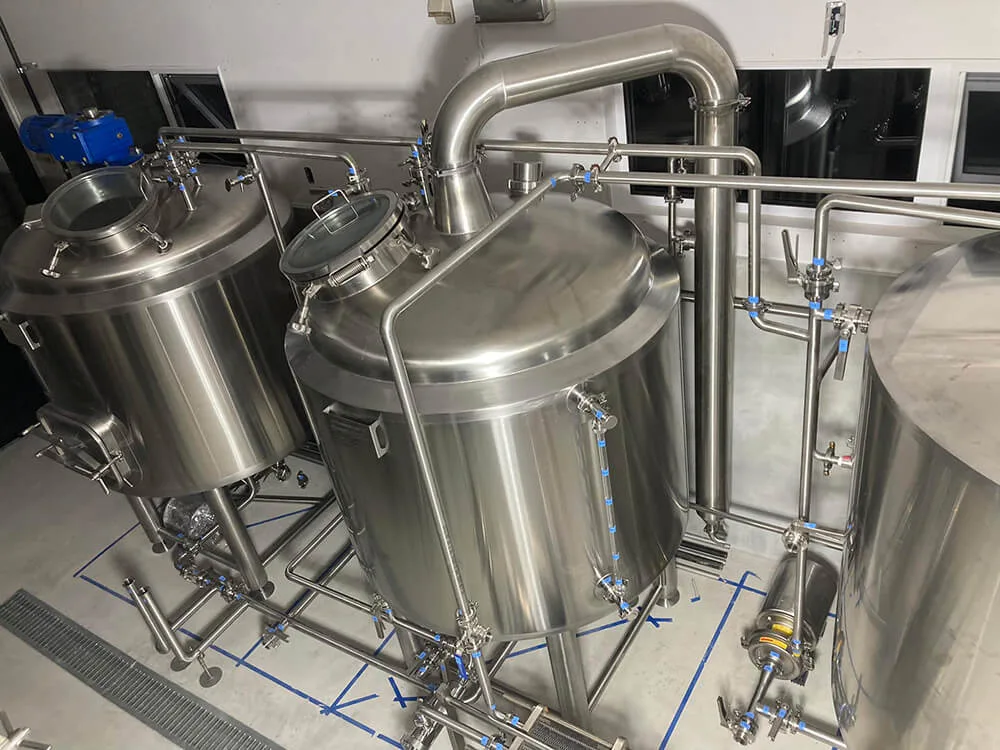
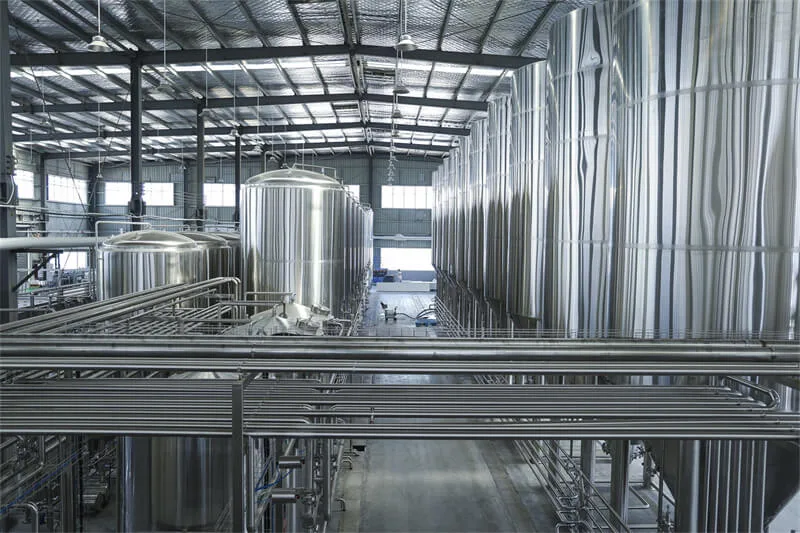
If you’ve ever wondered why professional breweries can consistently produce beer with such clean flavor and remarkable consistency, the answer may lie inside that shiny stainless steel vessel. The conical fermenter—seemingly simple in design—has fundamentally transformed modern brewing.
Whether you’re a beginner exploring homebrewing or a growing craft brewery planning to scale production, understanding the advantages of a stainless steel fermentation tank can significantly elevate your brewing process.
What Is a Conical Fermenter?
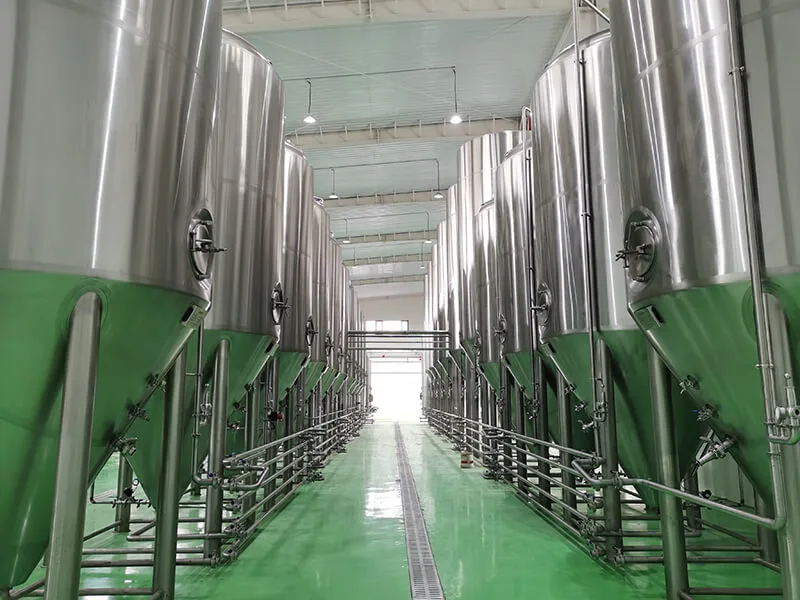
Imagine a large stainless steel cylinder that narrows into a funnel-shaped cone at the bottom, typically with a 60° to 90° angle. That’s the basic structure of a conical fermenter. Behind this simple design lies a deep understanding of the fermentation process.
Most modern stainless steel fermentation tanks are manufactured from food-grade 304 or 316 stainless steel, with polished interiors to ensure sanitary conditions. They are typically equipped with temperature-control jackets, pressure gauges, sample valves, and multiple cleaning ports.
Conical fermenters come in a wide range of sizes—from small 100-liter tanks used in pilot breweries or homebrewing setups to large 10,000-liter industrial fermentation tanks used in commercial breweries. Regardless of scale, they remain the core equipment of modern beer production.
Five Key Advantages of Conical Fermenters
1. True “Single-Vessel” Operation
One of the most revolutionary benefits of conical fermenters is their ability to perform multiple fermentation stages in the same vessel.
Traditional flat-bottom fermenters often require transferring beer to a secondary vessel after primary fermentation to separate yeast and sediment. This extra step increases labor and introduces a risk of contamination.
With a stainless steel fermentation tank, the process becomes much simpler. Once fermentation is complete, brewers can open the bottom valve to remove yeast and trub collected in the cone, while the clear beer remains in the tank. The same vessel handles both primary fermentation and conditioning.
2. Easy Yeast Harvesting
Proper yeast management is essential for brewing high-quality beer.
The conical bottom allows yeast and sediment to naturally settle at the lowest point of the tank, making it extremely easy to collect or remove. Brewers can harvest healthy yeast for reuse in future batches, reducing operational costs while maintaining consistent flavor profiles.
When it’s time to clean the tank or switch yeast strains, simply opening the dump valve removes unwanted sediment quickly and efficiently.
3. Precise Temperature Control
Temperature is one of the most critical variables in fermentation. Fluctuations can cause yeast to produce unwanted byproducts that negatively affect flavor and aroma.
Most professional stainless steel fermentation tanks feature double-wall cooling jackets that circulate glycol or other cooling media. This system allows brewers to maintain highly precise fermentation temperatures regardless of ambient conditions.
Consistent temperature control ensures yeast performs at its optimal level, resulting in predictable fermentation and stable beer quality.
4. Gravity Transfers and Pressure Assistance
If a conical fermenter is positioned above a bottling or kegging station, beer can be transferred using simple gravity flow, eliminating the need for complicated siphoning.
More advanced closed stainless steel fermentation tanks also allow brewers to apply CO₂ pressure from the top of the tank. This pushes beer out through the bottom valve, minimizing oxygen exposure and protecting freshness.
This closed-transfer system is widely used in modern breweries to maintain beer quality and extend shelf life.
5. Easy Cleaning and Maintenance
Cleaning is one of the most time-consuming yet critical tasks in brewing.
The smooth stainless steel surfaces and sloped cone design make conical fermenters easy to clean thoroughly. Most tanks include built-in CIP (Clean-in-Place) spray balls that provide 360-degree coverage of all internal surfaces.
Combined with the corrosion resistance of 304/316 stainless steel, these systems help maintain strict sanitation standards while reducing the risk of contamination.
Types of Conical Fermenters
Stainless Steel Conical Fermenters
These are the preferred choice for professional breweries. A stainless steel fermentation tank offers exceptional durability, corrosion resistance, and the ability to withstand wide temperature and pressure ranges. For commercial brewing operations, stainless steel tanks provide the best long-term return on investment.
PET Plastic Conical Fermenters
Often used by beginner homebrewers, PET conical fermenters are lightweight, shatter-resistant, and affordable. Their transparent design allows brewers to observe fermentation activity. However, they can be easily scratched and are not suitable for high-temperature or pressurized fermentation.
Unitanks (Multi-Purpose Fermentation Tanks)
Unitanks are the most versatile type of conical fermenter. In addition to fermentation, they allow brewers to carbonate and serve beer from the same vessel.
Equipped with cooling jackets and pressure capability, unitanks eliminate the need to transfer beer to separate conditioning tanks. While more expensive, they are an excellent option for breweries with limited space.
Choosing the Right Fermentation Tank Size
Selecting the right stainless steel fermentation tank involves several important considerations.
1. Determine Your Batch Size
Start by defining how much wort you plan to brew per batch. Homebrewers typically produce 19–38 liters, while small craft breweries may operate with 1-barrel (117 L), 5-barrel, or 10-barrel systems.
2. Allow Adequate Headspace
Headspace is crucial but often overlooked. Brewers should leave 20–25% of the tank volume empty to accommodate foam generated during fermentation.
For highly active styles such as wheat beer, leaving 30% headspace is even safer.
3. Consider Cone Volume
The conical bottom also contributes to the total tank capacity. Ensure the cone has sufficient volume to collect yeast and trub without drawing excessive clear beer during dumping.
4. Measure Installation Space
Conical fermenters are typically tall and narrow. Before purchasing a stainless steel fermentation tank, measure the installation area carefully, including ceiling height, pipes, and beams.
Don’t forget to account for leg height and top-mounted fittings.
A full fermentation tank is extremely heavy—1 liter of liquid weighs about 1 kilogram. A 500-liter tank can exceed half a ton when filled, so the floor structure must support the load.
5. Plan for Future Expansion
Many brewers recommend buying a slightly larger tank than your current needs. You can brew smaller batches in a larger fermenter, but you cannot brew larger batches in a smaller one. This approach allows room for future production growth.
Best Practices for Using a Conical Fermenter
Sanitize Thoroughly
Always sanitize the fermenter and all connected equipment before use. Proper sanitation is the foundation of successful fermentation.
Monitor Temperature Closely
Keep a close eye on fermentation temperature and adjust as necessary to maintain optimal conditions.
Use a Blow-Off Tube
Fermentation produces foam and CO₂. A blow-off tube safely releases excess pressure and prevents messy overflows.
Harvest Yeast Carefully
When collecting yeast from the cone, open the valve slowly to avoid disturbing the remaining sediment.
Clean Immediately After Use
Cleaning the stainless steel fermentation tank promptly after fermentation prevents residue buildup and keeps the equipment in optimal condition.
Conclusion
A conical fermenter is more than just a container—it represents the evolution of brewing technology, bridging traditional craftsmanship with modern engineering.
Whether you are a professional brewer focused on quality or a homebrewer passionate about experimentation, a stainless steel fermentation tank simplifies brewing operations while improving beer consistency and quality.
Investing in the right conical fermenter is ultimately an investment in your brewing future. In the world of beer, a strong start often determines success—and a well-designed fermentation tank provides exactly that foundation.
If you are planning to build a brewery, feel free to contact us for our equipment list.