Wine making is both science and precision engineering. While grape quality determines the foundation of a wine, fermentation control defines its final style, aroma, and stability.
According to OIV guidelines, balanced winemaking begins with proper grape maturity. But beyond raw materials, one piece of equipment plays a decisive role in modern wineries:
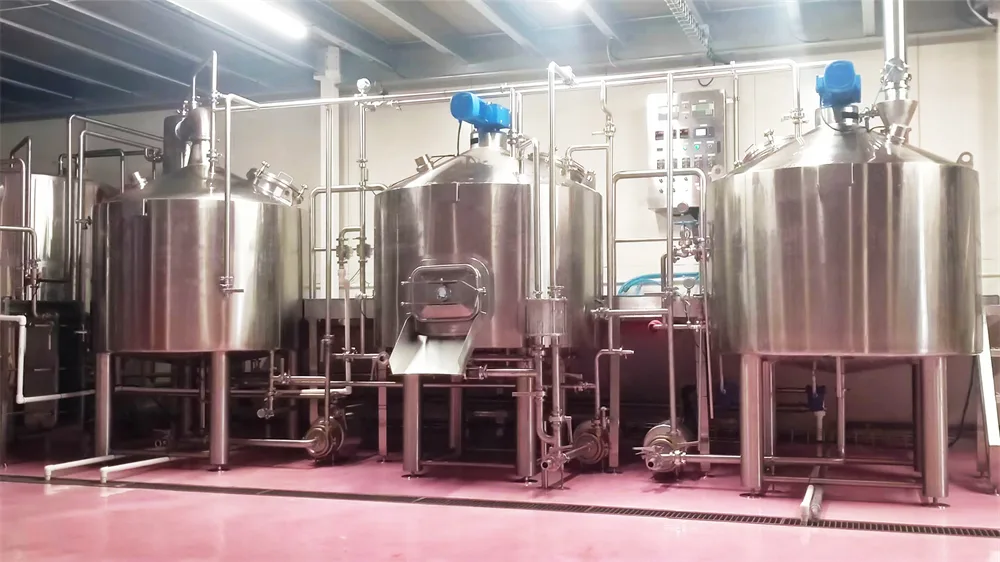
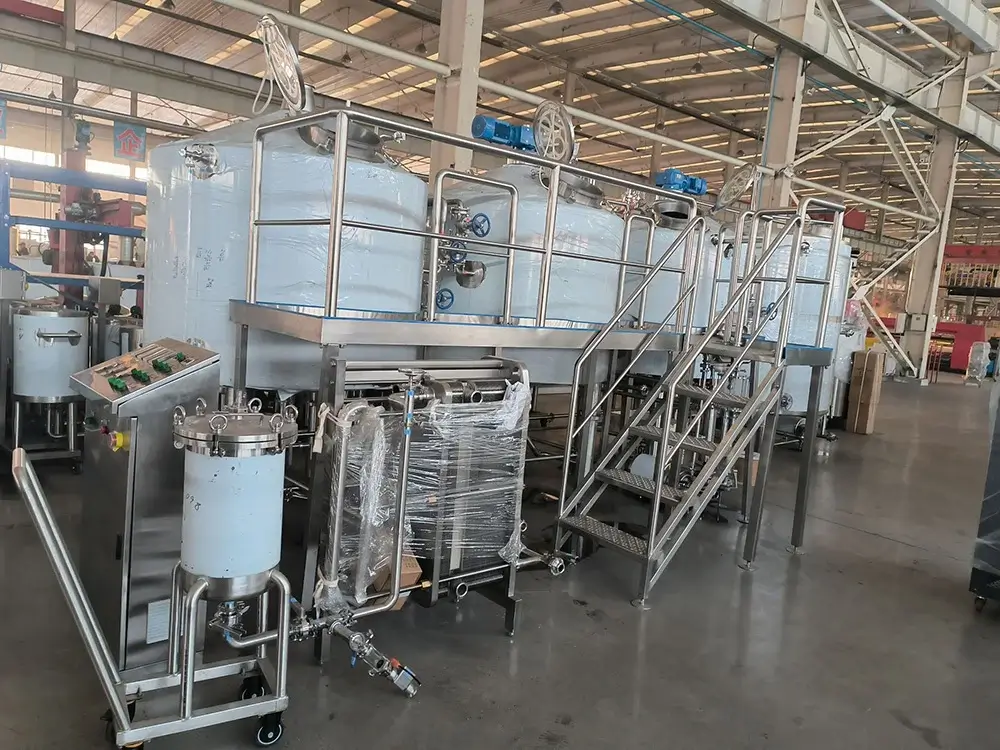
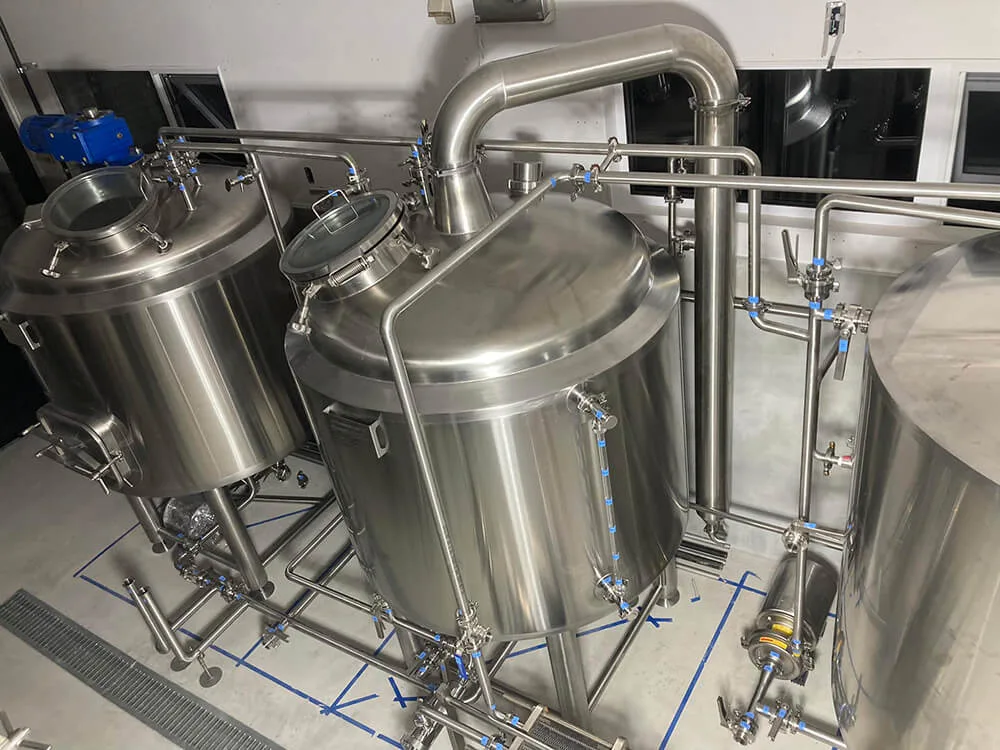
The wine fermentation tank.
Whether you are a home winemaker or a commercial winery, selecting the right tank directly impacts:
- Temperature control precision
- Flavor retention
- Microbial safety
- Production efficiency
- Long-term operating cost
This guide walks through the essential winemaking process — and explains why stainless steel wine fermentation tanks have become the global standard.
1. The Foundation: Controlled Fermentation
At its core, wine fermentation is a biochemical process:
Yeast converts grape sugar into alcohol and carbon dioxide.
But fermentation generates heat — approximately 50 kJ per liter of must. Without temperature control, tank temperatures can quickly exceed 35°C (95°F), leading to:
- Yeast stress or fermentation stoppage
- Hydrogen sulfide (rotten egg aroma)
- Volatile acidity increase
- Loss of varietal fruit character
Temperature control is not optional — it is critical.
2. Fermentation Temperature by Wine Style
Different wine styles require different fermentation conditions:
| Wine Type | Temperature (°C) | Duration (Days) |
|---|---|---|
| Red Wine | 25–30°C | 7–10 |
| White Wine | 15–20°C | 10–14 |
| Rosé | 18–22°C | 5–7 |
- Higher temperatures enhance tannin and color extraction (red wines)
- Lower temperatures preserve esters and fruit aromas (white wines)
Maintaining ±1°C stability is essential for consistent results.
3. How Modern Wine Fermentation Tanks Achieve Precision Control
High-quality stainless steel wine fermentation tanks use two key technologies:
1️⃣ Zoned Cooling Jackets
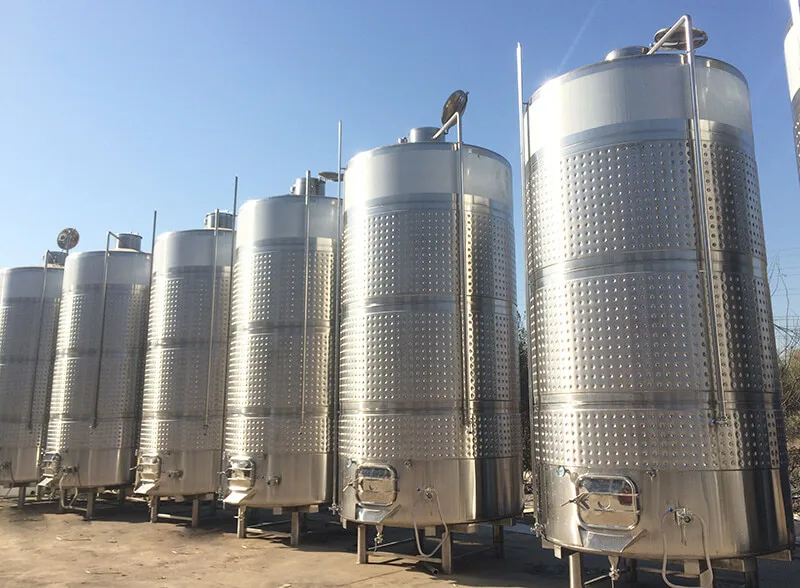
Dual-layer glycol jackets surround the tank body, allowing independent cooling control in upper and lower sections.
2️⃣ PID Digital Temperature System
Temperature probes monitor internal conditions in real time. The PLC system automatically adjusts glycol flow to maintain stability within ±1°C.
This level of control ensures:
- Clean fermentation
- Reduced risk of stuck fermentation
- Stable yeast performance
- Improved aromatic retention
4. Why Stainless Steel Is the Industry Standard
Modern wineries overwhelmingly choose stainless steel wine fermentation tanks. Here’s why:
| Material | Oxygen Control | Flavor Impact | Lifespan | Hygiene |
|---|---|---|---|---|
| Stainless Steel | Zero | Neutral | 30+ years | Excellent |
| Oak Barrel | Micro-oxygen | Adds oak notes | 3–5 years | Difficult |
| Concrete | Moderate | Neutral | 10–20 years | Medium |
Key Advantages of Stainless Steel:
- Chemical inertness – No reaction with wine
- Full sealing capability – Ideal for reductive winemaking
- Easy CIP cleaning – Prevents contamination
- Lowest lifetime cost
- Supports automation & scalability
For varieties like Sauvignon Blanc, Riesling, and Chardonnay, stainless steel tanks protect delicate aromatics.
5. Common Mistakes in Small-Scale Winemaking
Many home winemakers choose plastic fermenters to reduce upfront cost. However:
- Oxygen permeability causes oxidation
- Surfaces harbor bacteria
- Cleaning is difficult
- Flavor carry-over affects future batches
One contaminated batch often costs more than investing in a proper stainless steel wine fermentation tank.
For serious home production (50–500L), compact stainless steel tanks with cooling options are highly recommended.
6. Capacity Planning: Bigger Isn’t Always Better
Commercial wineries often assume larger tanks mean higher efficiency. But modular systems provide better flexibility:
Instead of:
- 1 × 5-ton tank
Consider:
- 5 × 1-ton tanks
Advantages:
- Separate vineyard blocks
- Micro-batch experimentation
- Risk reduction
- Greater product diversity
Capacity Recommendations:
- Home winemaking: 50L–500L
- Boutique winery: 1–5 tons
- Commercial winery: 5–50 tons vertical tanks
- Insulated tanks available for facilities without climate-controlled rooms
7. Malolactic Fermentation (MLF) Control
For premium red wines, malolactic fermentation improves texture and stability.
Ideal MLF conditions:
- Temperature: 18–20°C
- pH: 3.4–3.6
- Fully sealed environment
A sealed stainless steel wine fermentation tank prevents excessive oxygen exposure, reducing the risk of volatile acidity during MLF.
8. Professional Winery Strategy: Stainless Steel + Oak Combination
Modern wineries typically use:
- Stainless steel tanks for primary fermentation, MLF, and stabilization
- Oak barrels only for selected premium aging batches
This approach ensures:
- Clean, stable base wine
- Controlled oak integration
- Lower production cost
- Consistent quality control
How to Choose the Right Wine Fermentation Tank
When selecting your tank, consider:
✔ Cooling jacket configuration
✔ Insulation layer
✔ Cone angle for lees discharge
✔ Manway design
✔ CIP spray ball system
✔ Pressure rating (if carbonic maceration needed)
✔ Expandability for future production
High-quality fabrication and proper weld polishing are critical for hygiene and durability.
Looking for Reliable Wine Fermentation Tanks?
If you are planning to upgrade your winery or start a new project, choosing a professionally engineered wine fermentation tank will determine your wine quality and production stability for decades.
We manufacture:
- 50L–50 Ton stainless steel wine fermentation tanks
- Cooling jacket & glycol-ready systems
- Insulated and non-insulated options
- Custom tank configurations
- Complete winery turnkey solutions
contact our engineering team for layout planning and capacity consultation:
Invest once. Produce consistently. Build long-term wine quality.