Want to brew high-quality beer but struggling with equipment selection, tight budgets, and project timelines? Delays can cost revenue, and poor layout planning leads to wasted labor and energy. A professional Turnkey Brewery solution integrates design, equipment manufacturing, installation, and commissioning—helping you launch faster, operate safely, and brew smarter.
A turnkey brewery project combines brewhouse systems, fermentation tanks, utilities, automation, packaging lines, and on-site commissioning into one seamless solution. From layout design and installation to CIP planning, automation setup, and staff training, a single supplier manages the entire process. This ensures smooth workflow integration from milling to packaging, reduces coordination costs, and significantly shortens time-to-production.
What’s Included in a Turnkey Brewery System?
A modern brewing system must be easy to operate, hygienic, and scalable. A turnkey solution streamlines collaboration and includes:
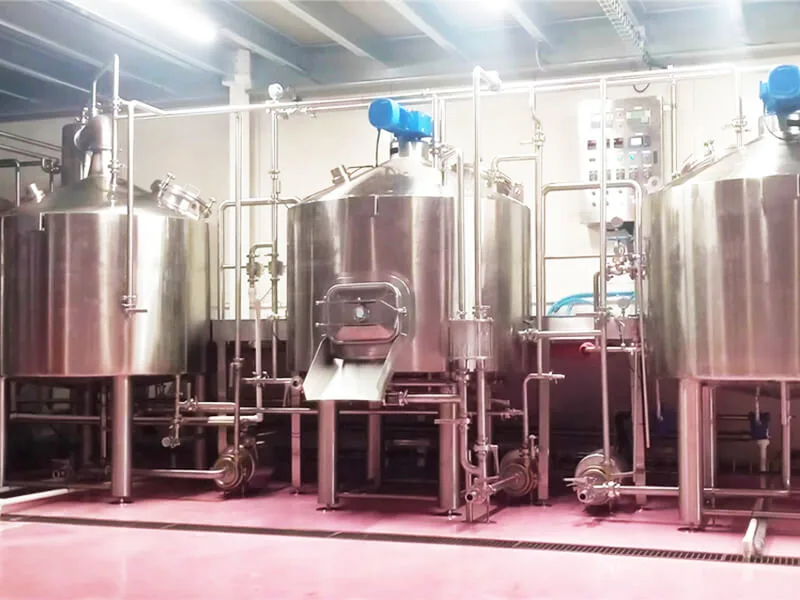
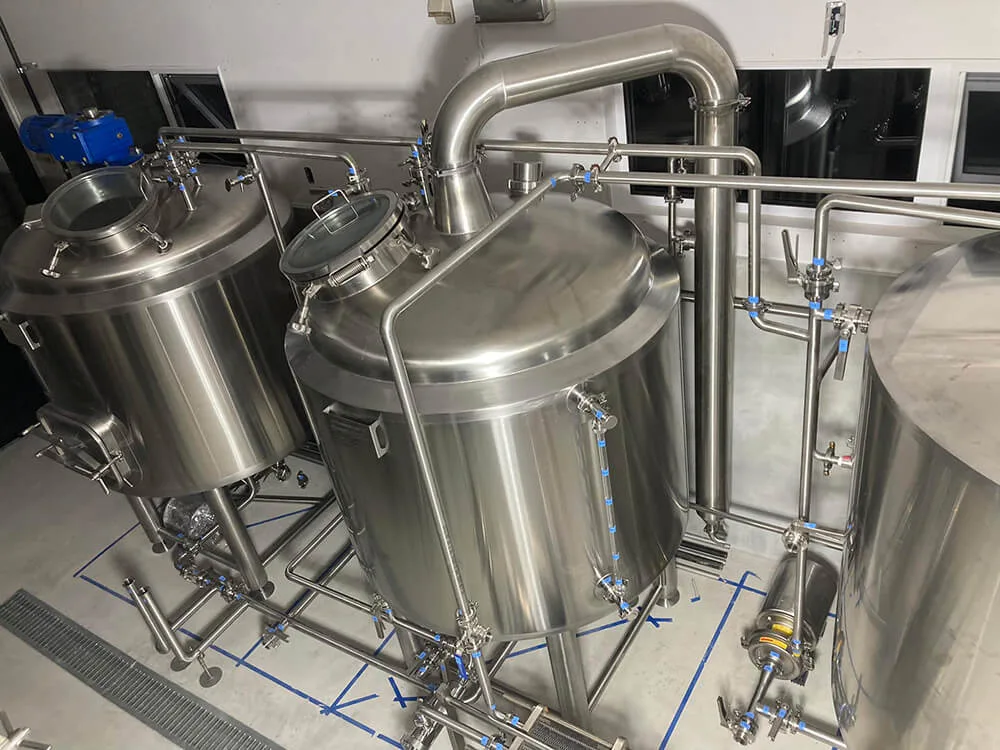
- Brewhouse System: Mash tun, lauter tun, kettle, hot liquor tank
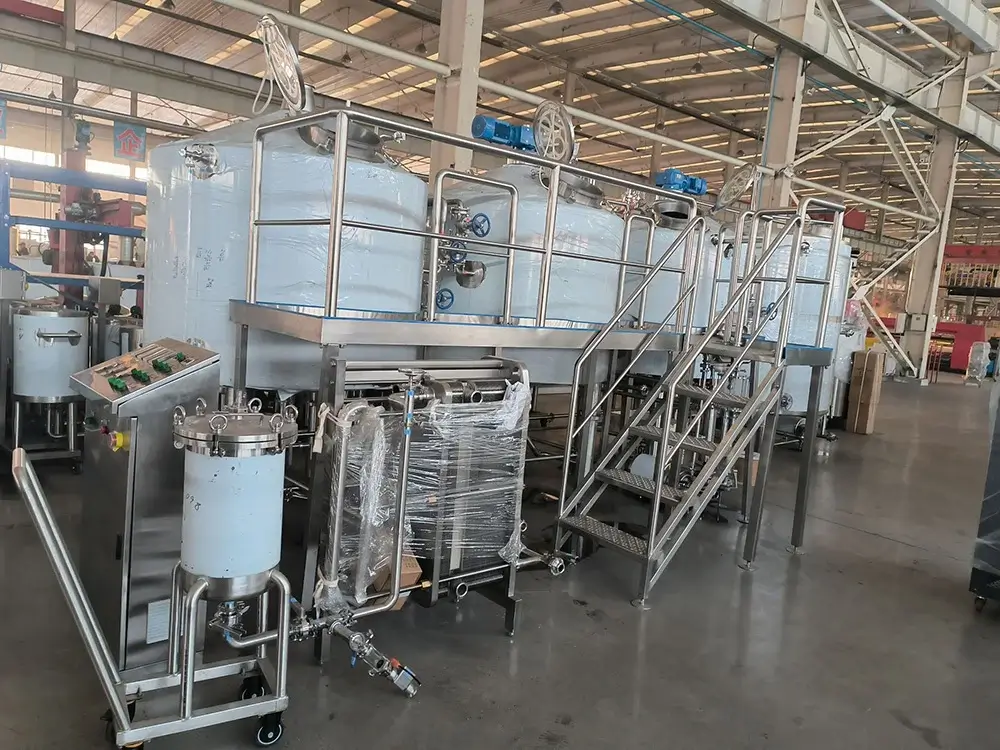
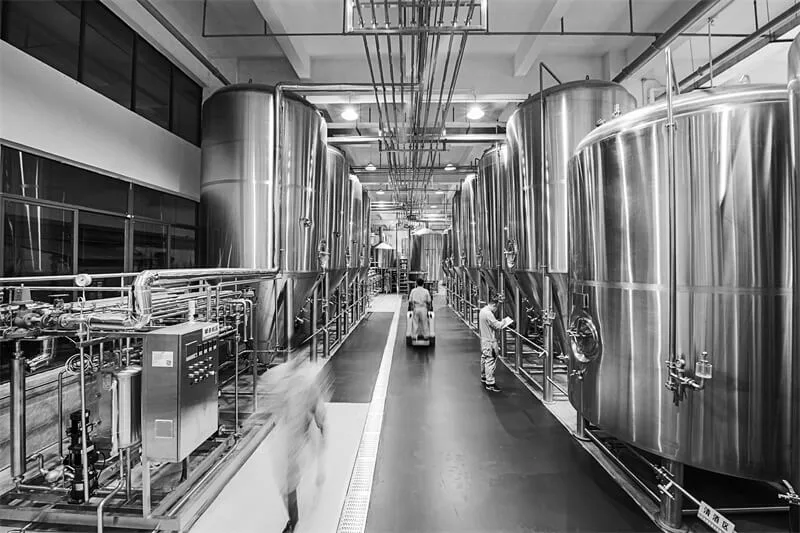
- Fermentation Area: Fermenters and bright beer tanks
- Utilities: Glycol chiller, cold water unit, steam/electric heating, water treatment
- Sanitation System: CIP (Clean-in-Place) and sterilization units
- Control System: From manual valves to fully automated PLC systems
- Packaging Line: Kegging, bottling, canning, and filtration systems
How to Size Your Brewery Capacity
Capacity planning should be based on weekly sales, brew frequency, and tank turnover rate:
- Pilot breweries: Small-scale R&D and recipe testing
- Brewpubs: Often run 1–2 brews per day
- Commercial breweries: Larger systems with longer fermentation cycles
Planning ahead for packaging (bottling/canning) ensures smoother future expansion.
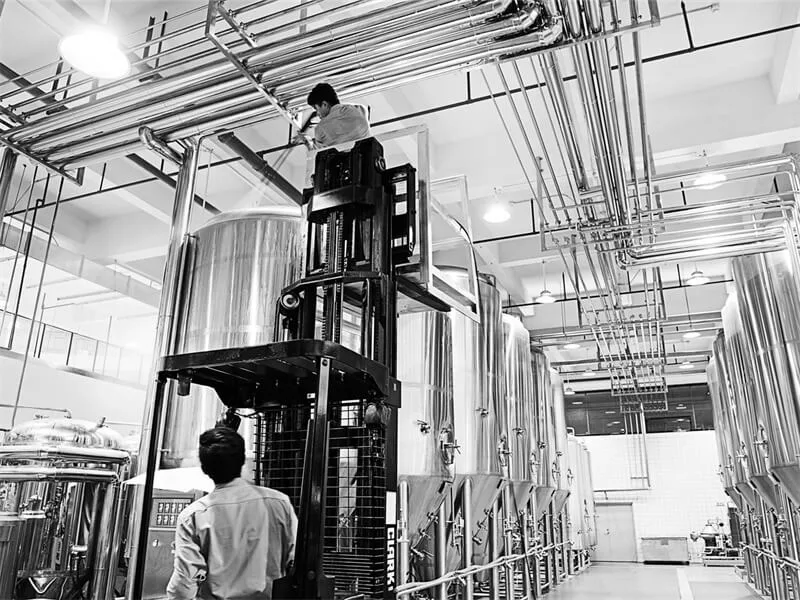
Custom Brewery Design & Engineering
Every Turnkey Brewery is tailored to your facility:
- Optimized tank layout for ceiling height and floor drainage
- Ergonomic valve and pipeline positioning
- Stainless steel fabrication with high-quality welding
- Efficient workflow design to reduce manual labor
Compact systems (e.g., 200L–500L) are ideal for pilot brewing and fast product iteration.
Brewing Process Overview
The standard brewing process includes:
- Water heating in the hot liquor tank
- Mashing grains to extract sugars
- Lautering and wort clarification
- Boiling with hops
- Whirlpool separation
- Cooling and transfer to fermenters
- Fermentation (yeast converts sugar into alcohol and CO₂)
A well-designed system ensures consistency, efficiency, and repeatability.
Fermentation & Temperature Control
Temperature control is critical for beer quality. A complete system includes:
- Jacketed fermenters
- Glycol cooling system
- Cold water unit
This enables precise control during:
- Primary fermentation
- Diacetyl rest
- Cold crashing
Digital monitoring ensures stable and repeatable results.
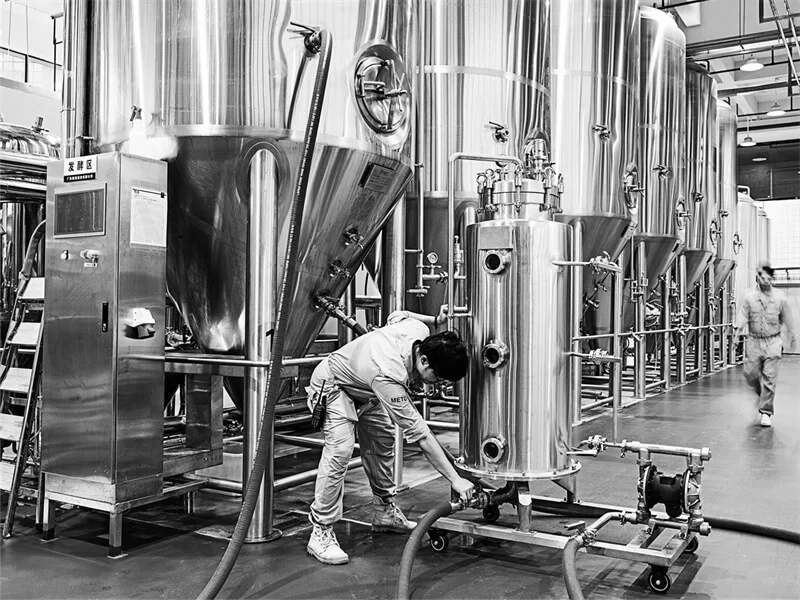
CIP & Hygiene Management
Clean equipment is essential for quality beer:
- Automated CIP systems reduce labor and chemical risks
- Optimized piping design prevents residue buildup
- Integrated sanitation ensures consistent hygiene standards
Automation vs Manual Control
Choose based on your team and business goals:
- Manual systems: Traditional brewing experience
- Semi-automatic: Balance of control and consistency
- Fully automated: Maximum efficiency, reduced labor, consistent output
Automation also shortens training time and minimizes human error.
Brewery Layout & Installation
A turnkey approach includes:
- Utility planning (steam, water, drainage, electricity, CO₂)
- Equipment installation and commissioning
- On-site debugging and production startup
Future expansion (e.g., distillation or kombucha) can be integrated into the same infrastructure.
Packaging Solutions
Packaging depends on your business model:
- Kegs: For brewpubs
- Canning lines: For retail distribution
- Bottling systems: For branded products
Modern systems support low-oxygen filling, labeling, and flexible production capacity.
FAQ
What is a Turnkey Brewery?
A complete solution covering design, equipment, installation, automation, training, and commissioning—managed by one supplier.
How long does it take to start production?
Depends on project size and site readiness, but proper planning significantly reduces lead time.
Can I expand later?
Yes. Systems are designed with scalability in mind.
Key Takeaways
- A Turnkey Brewery reduces coordination complexity and speeds up production launch
- Proper capacity planning ensures efficient operations
- Integrated sanitation and temperature control guarantee beer quality
- Automation improves consistency and reduces labor costs
- Smart layout planning enables low-cost future expansion
Final Note
A well-designed Turnkey Brewery focuses on practicality, efficiency, and scalability. You can start small and expand gradually—with proper infrastructure planning, future upgrades won’t require major reconstruction.
If you need a customized solution, starting with a compact pilot system and scaling up with additional tanks is a smart approach. Full engineering design, installation, and commissioning services ensure a smooth and successful brewery launch.
Contact Meto today to learn more about our brewery solutions and find the brewery equipment for your brewery.