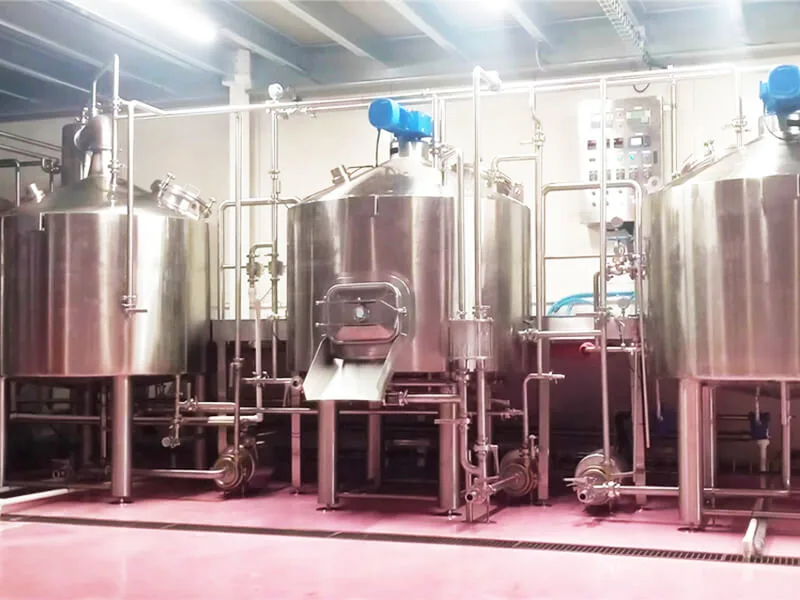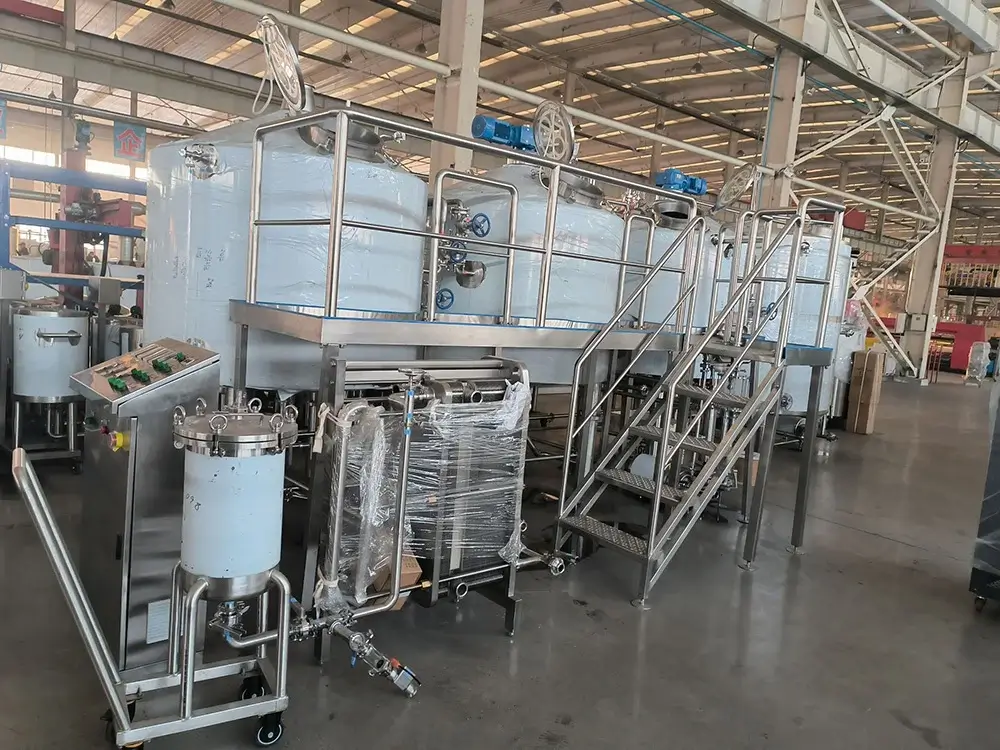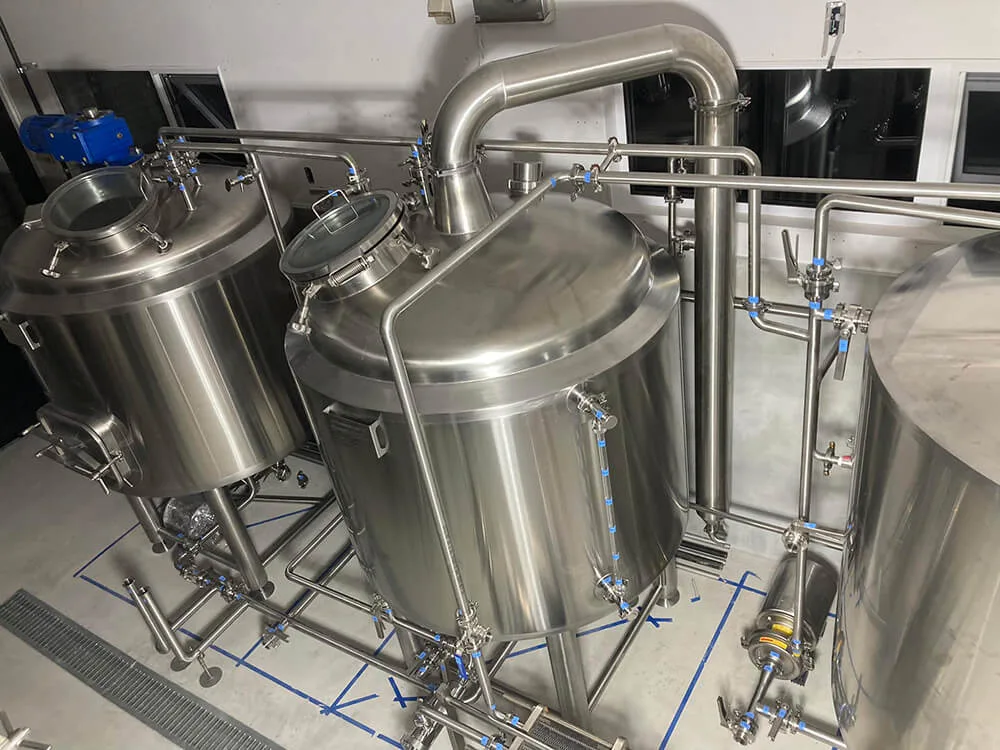

Wine production is becoming increasingly focused on process control, hygiene, consistency, and long-term operating efficiency. As wineries expand from small-batch production to commercial-scale operations, the choice of fermentation and storage vessels has a direct impact on wine quality, production workflow, cleaning requirements, and total cost of ownership.
Among the available options, stainless steel wine tanks have become an important part of modern winery infrastructure. Unlike traditional containers that can influence the character of wine, stainless steel provides a stable and highly controllable environment for fermentation, maturation, blending, and storage.
For wineries looking to improve consistency while maintaining the natural characteristics of their grapes, a well-designed stainless steel wine tank is more than a storage vessel. It is a process-control tool.
Why Winemakers Choose Stainless Steel Wine Tanks
The main advantage of stainless steel is its combination of chemical stability, hygienic performance, mechanical strength, and design flexibility.
High-quality wine tanks are typically manufactured from food-grade stainless steel such as SUS304 or SUS316L. The appropriate material depends on the wine, cleaning chemicals, operating environment, and specific project requirements.
Neutral Material for Better Terroir Expression
For premium wineries, preserving the original character of the grape is often a priority.
Stainless steel is relatively neutral compared with oak. It does not intentionally introduce wood-derived flavors, tannins, or aromas into the wine. This makes it particularly suitable for wines where fruit character, acidity, minerality, and varietal aromas need to remain clearly defined.
For example, stainless steel fermentation tanks are commonly considered for:
- White wine fermentation
- Rosé production
- Fresh and aromatic red wines
- Fruit wine
- Experimental wine production
- Temperature-controlled fermentation
- Wine blending and storage
The result is greater control over what happens during fermentation instead of relying on the vessel itself to significantly modify the wine’s sensory profile.
Controlled Fermentation Temperature
Temperature control is one of the most important factors in modern winemaking.
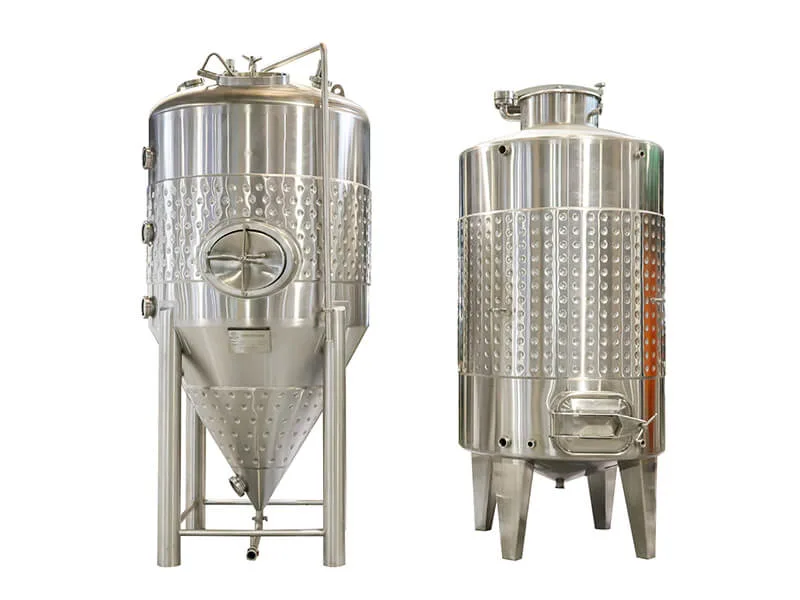
A stainless steel wine fermentation tank can be equipped with external cooling jackets connected to a glycol or chilled-water system. This allows the winery to manage fermentation temperature according to the wine style and production process.
A typical configuration may include:
- Dimple or half-pipe cooling jackets
- Temperature sensors
- Insulation
- Automatic temperature control
- Glycol circulation connections
- Sampling valves
- CIP spray devices
Instead of relying on ambient conditions, the winemaker can establish a more predictable fermentation environment.
This is particularly valuable for wineries operating in regions with large seasonal temperature variations or facilities producing different wine styles throughout the year.
Hygiene Is a Process Requirement, Not Just a Tank Feature
Wine production requires strict attention to sanitation. Residual wine, yeast, organic matter, and cleaning chemicals can create problems if equipment is difficult to clean.
This is where stainless steel has a significant engineering advantage.
Smooth Internal Surfaces
A properly fabricated wine tank should have a smooth internal surface with controlled weld quality and appropriate polishing.
A smooth surface reduces locations where wine residue, yeast, or microorganisms can accumulate. Tank geometry should also minimize unnecessary crevices and difficult-to-reach areas.
Important details include:
- Internal surface finish
- Weld quality
- Drainability
- Tank bottom design
- Manway construction
- Valve configuration
- Spray ball or rotary cleaning device
- CIP compatibility
These details can have a greater impact on daily operation than simply choosing a larger or more attractive tank.
CIP-Compatible Construction
For commercial wineries, cleaning efficiency directly affects production capacity.
A CIP-compatible stainless steel wine tank can be integrated into an automated or semi-automatic cleaning process. Depending on the winery’s requirements, the system may use caustic cleaning, acid cleaning, hot water, sanitizing solutions, or other approved cleaning procedures.
The objective is straightforward: achieve repeatable cleaning performance while reducing manual intervention.
Good tank design therefore considers the complete cleaning circuit rather than the tank as an isolated component.
Stainless Steel Wine Tanks Offer Long-Term Operating Advantages
The initial purchase price is only one part of the investment decision.
A winery should evaluate the total cost of ownership, including cleaning labor, maintenance, service life, product losses, energy consumption, and future production requirements.
Durable Construction
Stainless steel provides strong resistance to corrosion and mechanical damage when the appropriate grade and fabrication methods are selected.
Unlike disposable or lower-grade storage containers, a properly designed stainless steel tank can remain in service for many years with appropriate maintenance.
For commercial wineries, this creates an important economic advantage: the equipment becomes a long-term production asset rather than a frequently replaced consumable.
Easier Cleaning and Maintenance
Compared with porous materials, stainless steel offers a non-porous surface that is easier to clean and sanitize when the tank has been correctly designed and finished.
Maintenance requirements are also relatively straightforward.
Operators can inspect:
- Valves and fittings
- Pressure/vacuum protection
- Temperature sensors
- Cooling jackets
- Manways
- Welded connections
- CIP components
- Gaskets and seals
This makes stainless steel particularly suitable for wineries that require predictable maintenance procedures.
Reduced Product Loss
Wine storage is highly sensitive to oxygen exposure and environmental conditions.
Tank design can therefore incorporate sealed manways, suitable valves, pressure/vacuum protection, and controlled gas connections where required.
For wineries using nitrogen or other inert gases, the tank can also be configured to support controlled inert-gas management during storage and transfer.
The exact configuration should be determined according to the wine style, operating pressure, process requirements, and applicable regulations.
One Tank Can Be Designed for Different Production Requirements
Not every winery has the same process.
A boutique winery may require several smaller fermentation vessels for batch flexibility, while a commercial winery may prioritize larger storage capacity and automated process control.
This is why stainless steel wine tanks are highly configurable.
Common Customization Options
Depending on the application, a tank can be engineered with:
- Cooling jackets
- Thermal insulation
- Top or side manways
- Adjustable legs
- Sampling ports
- CIP spray balls
- Bottom outlets
- Racking valves
- Temperature sensors
- Pressure/vacuum valves
- Inert gas connections
- Level indicators
- Agitators for specialized applications
Tank dimensions can also be customized according to the available winery space.
For a new winery project, the tank should be designed together with the production layout, piping system, cooling capacity, cleaning system, access routes, and future expansion plans.
Choosing Between SUS304 and SUS316L
Material selection should be based on the actual operating environment rather than simply choosing the most expensive option.
SUS304 Stainless Steel
SUS304 is widely used for food and beverage processing equipment because of its good corrosion resistance, mechanical properties, weldability, and cost-performance balance.
For many standard wine fermentation and storage applications, 304 stainless steel can provide a practical solution.
SUS316L Stainless Steel
316L contains molybdenum, giving it improved resistance to certain corrosive environments.
It may be considered for applications where enhanced corrosion resistance is required or where the process environment and cleaning regime justify the additional material cost.
For an international winery project, material selection should also consider local food-contact requirements, cleaning chemicals, water quality, and the customer’s technical specification.
Engineering Standards Build Confidence in International Projects
For overseas winery projects, equipment quality cannot be judged only by appearance.
Documentation and manufacturing control are equally important.
A professional stainless steel tank manufacturer should be able to provide relevant information regarding:
- Stainless steel material grade
- Material certificates
- Welding procedures
- Surface finishing
- Pressure testing where applicable
- Dimensional drawings
- Electrical components
- Food-contact compliance
- Inspection records
- Factory quality control
For European projects, customers may also require compliance with applicable EU food-contact regulations and, where relevant, pressure equipment requirements.
For North American projects, requirements may differ depending on the application, jurisdiction, pressure rating, and installation conditions.
Therefore, instead of treating certifications as marketing labels, the correct approach is to determine the applicable standards during the engineering stage and design the equipment accordingly.
Why Manufacturing Quality Matters
A wine tank may look simple from the outside, but fabrication quality has a direct influence on its performance.
Professional manufacturers pay close attention to:
Welding
Poorly executed welds can create uneven surfaces, contamination risks, or areas that are difficult to clean.
Controlled TIG welding, appropriate welding procedures, and qualified inspection processes are important for food-processing equipment.
Surface Finishing
Internal polishing needs to be consistent with the intended application.
The objective is not simply to make the tank look bright. Surface treatment should support hygiene, cleanability, and corrosion resistance.
Tank Geometry
The cone angle, bottom outlet, manway position, jacket arrangement, and overall height all influence production efficiency.
For example, the tank bottom should support effective drainage, while the manway and fittings need to remain accessible for inspection and maintenance.
How to Select the Right Stainless Steel Wine Tank
Before purchasing, wineries should define the process requirements first.
A practical specification checklist includes:
1. Capacity:
Determine working volume rather than only nominal tank volume. Headspace requirements should be considered according to the fermentation process.
2. Application:
Clarify whether the tank will be used for fermentation, maturation, storage, blending, or multiple processes.
3. Temperature control:
Specify the target temperature range and cooling method.
4. Material:
Select SUS304 or SUS316L based on the process environment and customer requirements.
5. Pressure:
If the tank will operate under pressure or with inert gas, define the required pressure rating and protection devices.
6. Cleaning:
Determine whether manual cleaning, portable CIP, or a centralized CIP system will be used.
7. Installation:
Check tank diameter, height, door access, foundation, piping routes, and maintenance clearance before production.
8. Future expansion:
Leave sufficient space and utility capacity for additional fermentation or storage tanks.
This engineering-first approach can prevent costly modifications after installation.
Stainless Steel Wine Tanks as Part of a Complete Winery Solution
A tank does not operate independently.
A complete winery may require fermentation tanks, storage tanks, glycol chillers, pumps, piping, CIP systems, control panels, filtration equipment, bottling equipment, and other process equipment.
For this reason, working with an experienced stainless steel tank and winery equipment manufacturer can simplify project coordination.
A manufacturer capable of handling tank design, fabrication, piping, temperature-control integration, and installation support can help ensure that individual components work together as one production system.
For international customers, this is particularly important because equipment specifications, electrical standards, documentation, shipping requirements, and installation conditions can vary between countries.
Final Thoughts
Stainless steel wine tanks have become an important choice for modern wineries because they combine product neutrality, temperature control, hygiene, durability, and design flexibility.
For winemakers focused on terroir expression, stainless steel provides a controlled environment without unnecessarily changing the sensory characteristics of the wine. For commercial producers, it offers practical advantages in cleaning, maintenance, process consistency, and long-term equipment utilization.
The most important consideration, however, is not simply choosing “stainless steel.”
The tank must be engineered for the actual wine, production volume, cleaning process, temperature-control system, installation environment, and applicable standards.
For wineries planning a new production line or upgrading existing fermentation and storage capacity, selecting the right tank design at the beginning can have a lasting impact on production efficiency and wine quality.
If you are planning to build or expand a winery, METO can provide customized stainless steel wine tanks based on your capacity, fermentation process, temperature-control requirements, and installation conditions. Contact us to discuss your winery project and equipment specifications.