The craft beer industry continues to evolve rapidly as consumers seek greater variety, authenticity, and locally produced beverages. In 2026, the growth of small-scale craft breweries is being driven by increasing demand for premium beer, unique flavor profiles, and personalized drinking experiences. As a result, breweries are expanding beyond major metropolitan areas into smaller cities and regional markets.
For entrepreneurs entering the brewing industry, success depends on more than a great recipe. Careful production planning and smart equipment selection play a critical role in determining product quality, operational efficiency, and long-term profitability. Investing in well-designed brewing equipment from the beginning can reduce production costs, improve consistency, and provide a solid foundation for future growth.
Why High-Quality Brewing Equipment Matters
Brewing equipment directly influences every stage of production, from mash efficiency and fermentation performance to sanitation and packaging.
A brewhouse with efficient heat transfer and proper agitation can improve extract yield and reduce raw material waste. Advanced fermentation systems with precise temperature control help maintain flavor consistency while minimizing the risk of off-flavors. Automated cleaning systems reduce labor requirements and significantly lower the possibility of contamination.
Rather than focusing solely on initial purchase price, brewery owners should evaluate equipment based on long-term performance, reliability, energy efficiency, and scalability.
Essential Equipment Systems for a Small Craft Brewery
Brewhouse System
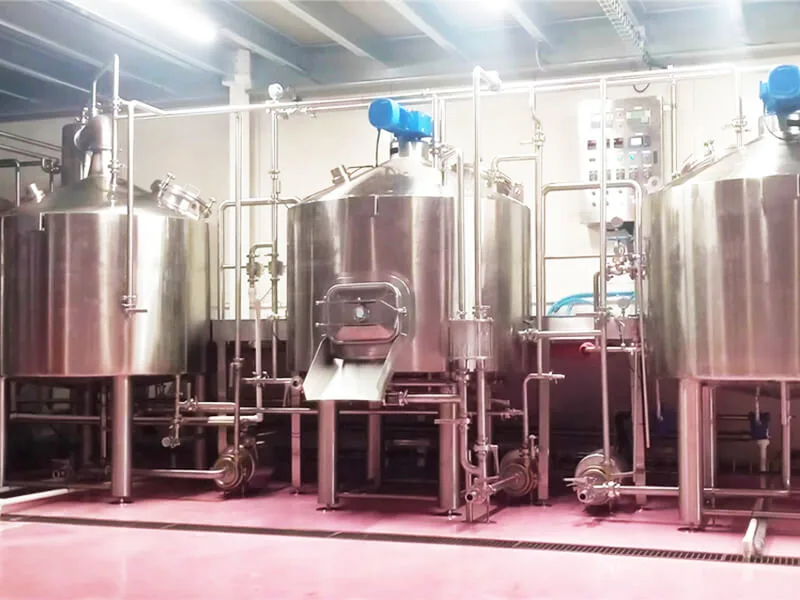
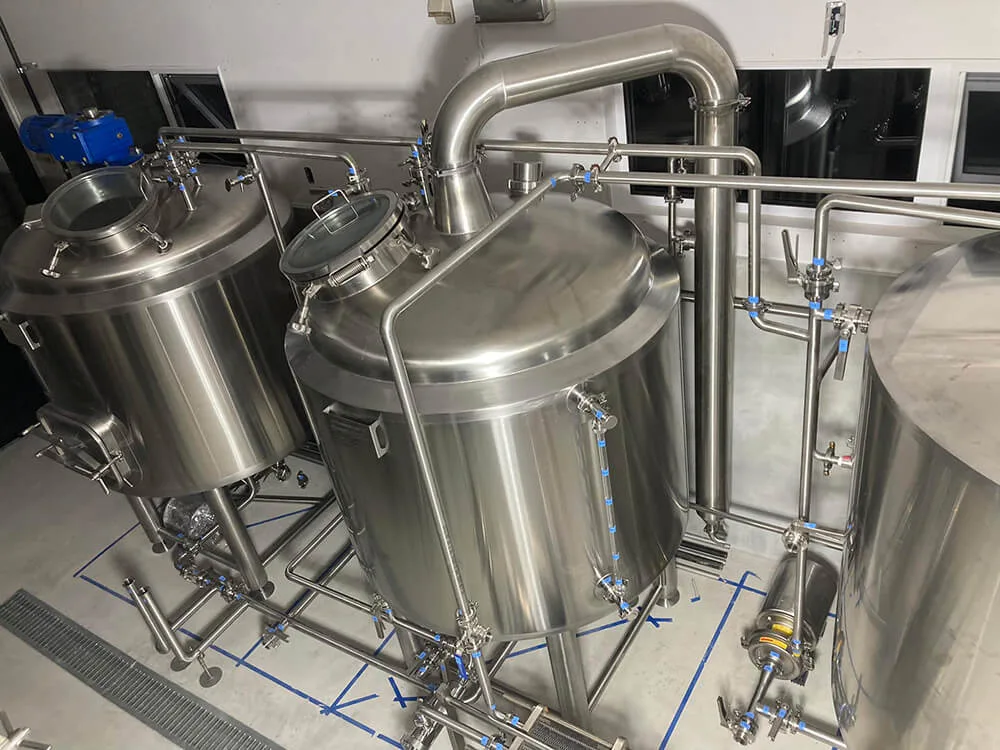
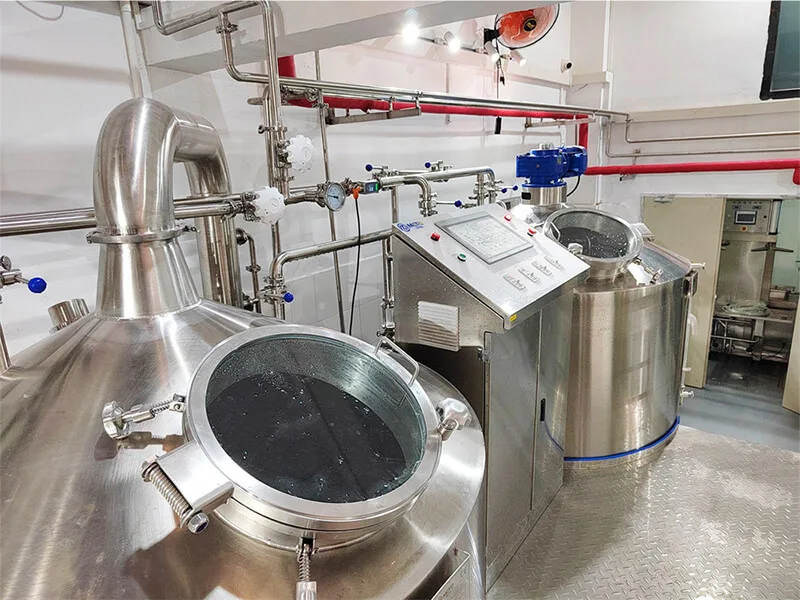
The brewhouse is the heart of any brewery and typically includes the mash tun, lauter tun, kettle, and whirlpool vessel.
For a 10HL brewing system, the following specifications are commonly recommended:
- Food-grade 304 or 316L stainless steel construction
- Mirror-polished interior surfaces to reduce residue buildup
- PLC-controlled temperature management with high accuracy
- Semi-automatic or fully automated recipe management
- Efficient agitation and heating systems for improved mash performance
Heating Options
Electric Heating
Electric systems are ideal for smaller breweries and locations with strict environmental regulations. They are easy to install and require minimal infrastructure.
Steam Heating
Steam remains the preferred solution for commercial brewing operations. It provides uniform heating, faster temperature ramping, and better energy efficiency.
Direct Fire Heating
Although direct fire systems can contribute unique character in certain traditional brewing styles, they offer less precise temperature control and are less common in modern commercial breweries.
Fermentation System
Fermentation is where wort becomes beer, making this one of the most critical investments in a brewery.
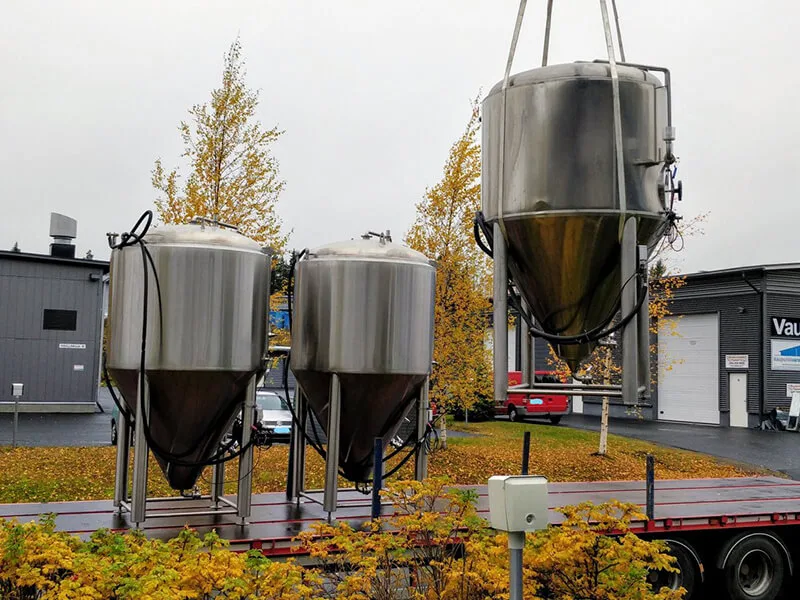
Modern fermentation tanks are typically manufactured from 304 or 316L stainless steel with highly polished interiors and sanitary welds. Standard design pressures generally range from 0.3 to 0.6 MPa, allowing both fermentation and carbonation processes to occur safely.
Most breweries now use independently controlled glycol cooling jackets that maintain temperatures between -2°C and 25°C with excellent precision.
In recent years, intelligent fermentation management has become increasingly common. Touchscreen PLC systems can monitor temperature, pressure, pH, and dissolved oxygen levels in real time while recording production data and providing automated alerts when operating parameters move outside target ranges.
Glycol Cooling System
A reliable cooling system is essential for fermentation control and product stability.
A typical configuration includes:
- Glycol reservoir
- Chiller unit
- Circulation pumps
- Insulated piping network
Glycol systems provide stable low-temperature cooling while preventing scale formation and freezing issues associated with direct water cooling. Their closed-loop design also minimizes water consumption and reduces maintenance requirements.
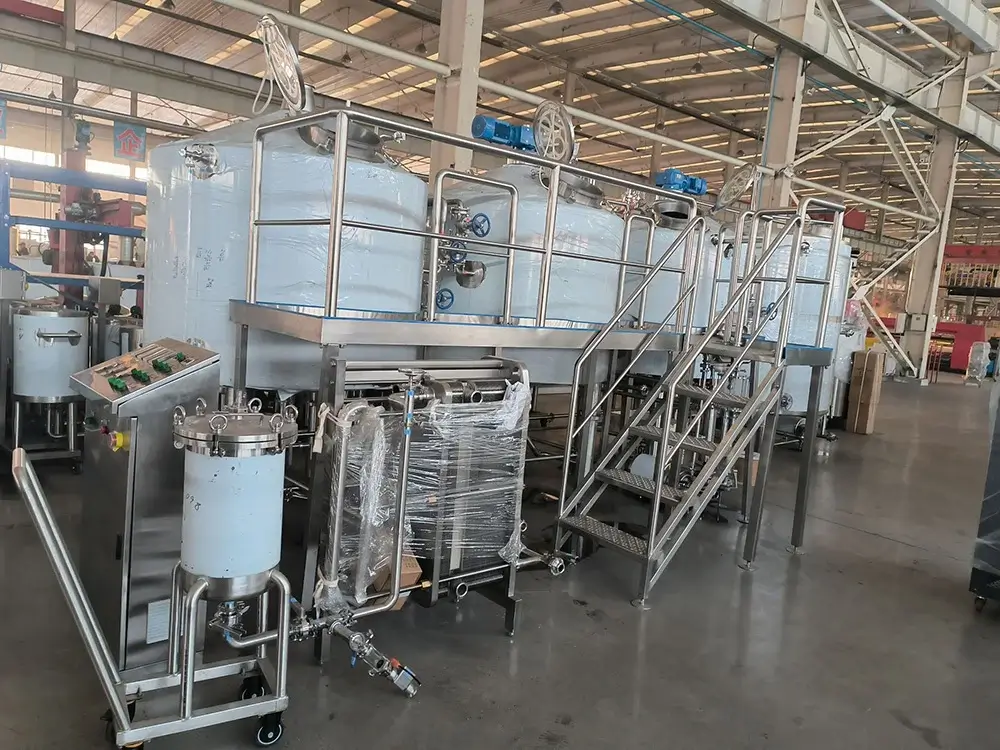
CIP Cleaning System
Clean-In-Place (CIP) systems have become a standard feature in professional breweries.
A typical setup includes:
- Caustic solution tank
- Acid solution tank
- Hot water tank
- Circulation pumps
- Dedicated cleaning pipelines
Automated cleaning programs can perform rinse, caustic wash, intermediate rinse, acid wash, and final rinse cycles with minimal operator intervention. This not only saves labor but also helps ensure consistent sanitation standards throughout the brewery.
Automation and Control System
Modern breweries increasingly rely on automation to improve consistency and reduce operational complexity.
A standard automation package includes:
- Human-machine interface (HMI)
- PLC controller
- Temperature sensors
- Pressure transmitters
- Level sensors
- Flow meters
Key benefits include:
- Real-time process monitoring
- Batch traceability
- Production data collection
- Energy consumption analysis
- Remote access and alarm notifications
- Equipment safety interlocks
Supporting Equipment
In addition to the primary brewing systems, several auxiliary systems are required for efficient operation:
Water Treatment
Activated carbon filtration, water softening, and reverse osmosis systems help maintain consistent brewing water quality.
Air Compressor
Oil-free or low-oil compressors are recommended for instrument air and product transfer applications.
Packaging Equipment
Breweries may start with keg filling systems and later expand into canning or bottling lines as production grows.
Steam Boiler
Breweries using steam-heated brewhouses typically require compact gas-fired or electric steam boilers.
Key Factors When Choosing Brewery Equipment
Plan for Future Growth
Production capacity should be based on realistic sales forecasts rather than immediate demand. Modular systems allow breweries to add fermenters, upgrade automation, or expand brewhouse capacity without replacing existing equipment.
Evaluate Manufacturing Quality
Request material certificates, welding documentation, surface finish specifications, and quality control records. Equipment certified to internationally recognized standards often provides greater reliability and resale value.
Match the Heating System to Production Needs
Electric heating may be sufficient for systems below 10HL, while steam heating becomes increasingly advantageous as production volume increases.
Select the Right Automation Level
Smaller breweries may operate efficiently with semi-automatic systems. However, breweries producing 10HL or more per batch often benefit from fully automated controls that improve consistency and reduce labor costs.
Consider Technical Support
Reliable after-sales service is essential. Equipment suppliers should offer installation assistance, commissioning support, operator training, spare parts availability, and remote troubleshooting capabilities.
Brewing Equipment Trends in 2026
Smart Brewing Technology
Cloud-connected brewing platforms are becoming increasingly common. These systems collect production data from every batch and use advanced analytics to optimize brewing and fermentation performance.
Energy-Efficient Design
Breweries are placing greater emphasis on sustainability and operating efficiency. Popular technologies include:
- Heat recovery systems
- Water-saving CIP designs
- Variable-frequency refrigeration systems
- Energy-efficient pumps and motors
These upgrades can significantly reduce utility consumption and operating expenses.
Modular Expansion
Flexible brewery designs allow owners to start with a limited number of fermentation vessels and expand capacity as demand grows. Modular approaches reduce upfront investment while preserving future growth opportunities.
Advanced Fermentation Solutions
New equipment developments are supporting a wider range of beer styles, including:
- Closed-loop dry hopping systems
- Oxygen-free fermentation technology
- Pressure fermentation vessels
- Specialized tanks for sour beers, cider, and hazy IPA production

Recommended Brewery Configuration for Annual Production of 300 Tons
A typical brewery targeting approximately 300 tons of annual output may consider the following setup:
- 5HL or 10HL semi-automatic brewhouse
- Four to six fermentation tanks
- One bright beer tank
- 5HP–10HP glycol chiller
- Glycol reservoir with circulation pumps
- Two-vessel CIP system
- PLC-based control platform
- Reverse osmosis water treatment system
- Oil-free air compressor
- Semi-automatic keg filling equipment
This configuration typically supports monthly production of 25 to 30 tons while leaving room for future expansion.
How to Evaluate Brewery Equipment Suppliers
When selecting a supplier, consider the following criteria:
Industry Experience
Look for manufacturers with multiple years of brewing equipment experience and a proven track record of completed brewery installations.
Certifications and Compliance
International certifications such as CE, ASME, PED, and ISO demonstrate adherence to recognized manufacturing standards.
Custom Engineering Capability
Every brewery has unique production goals and facility constraints. Suppliers should be capable of customizing tank dimensions, process layouts, utility requirements, and automation features.
Transparent Pricing
A professional quotation should clearly specify materials, component brands, warranty terms, and project scope to avoid unexpected costs later.
Final Thoughts
Building a successful craft brewery begins with selecting equipment that supports quality, efficiency, and future growth. As the industry moves toward smarter, more sustainable production methods, brewery owners must evaluate equipment not only for current needs but also for long-term operational performance.
By prioritizing brewing consistency, fermentation control, energy efficiency, and reliable technical support, new breweries can establish a strong foundation for sustainable growth and create distinctive beers that stand out in an increasingly competitive marketplace.
If you’re currently planning a new line or upgrading an existing one, we’d be glad to help. Reach out to us with your product type, batch size, viscosity, and any special requirements. Our engineering team will walk you through the options and recommend a solution that actually fits your process – no pressure, just practical advice.