Craft Brewery Equipment for Growing Breweries
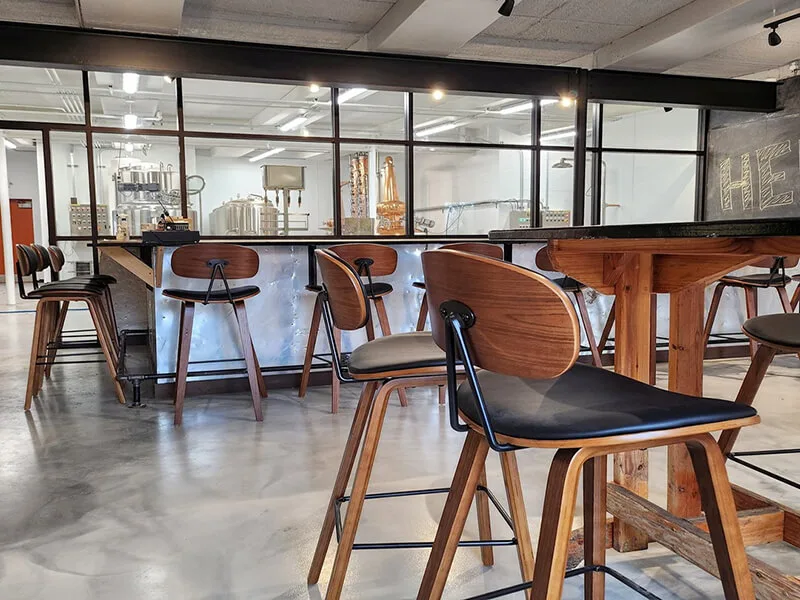
Learn how to choose the right craft brewery equipment, avoid costly mistakes, optimize production capacity, and plan for future brewery growth.
Craft Brewery Equipment for Growing Breweries Ler mais "


Learn how to choose the right craft brewery equipment, avoid costly mistakes, optimize production capacity, and plan for future brewery growth.
Craft Brewery Equipment for Growing Breweries Ler mais "
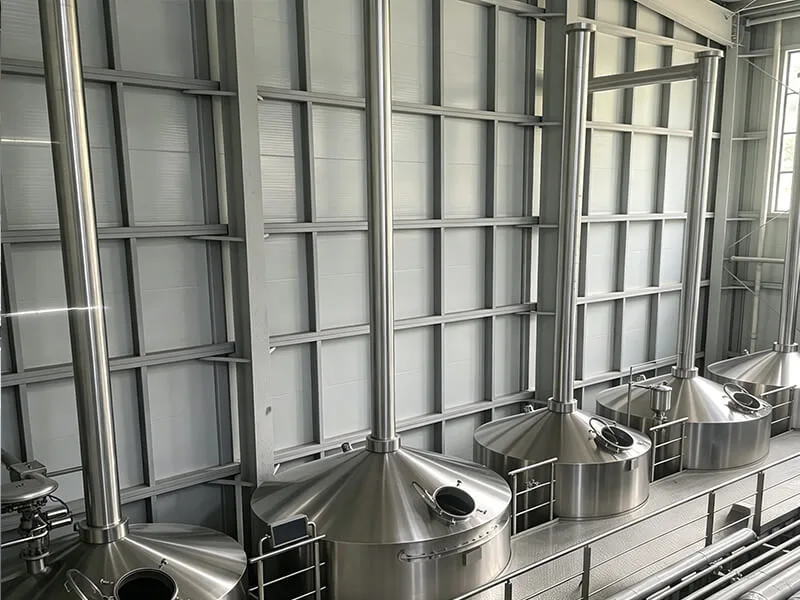
Explore a successful 5000L turnkey brewery project featuring brewhouse, fermentation tanks, automation, packaging, and complete brewery installation services.
5000L Turnkey Brewery Project | Commercial Craft Beer Brewing Solution Ler mais "
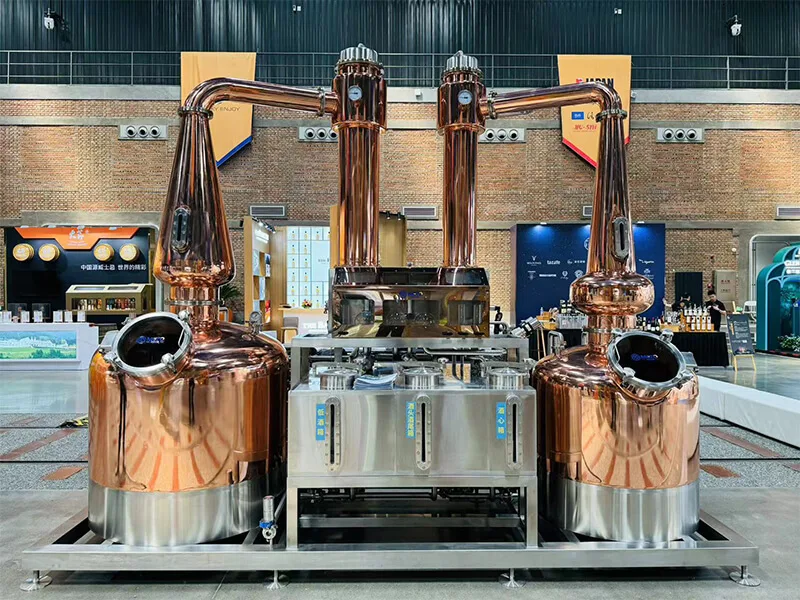
Discover the 500L + 300L dual still system for pilot-scale distillation, solvent recovery, purification, and flexible production with high efficiency.
500L + 300L Dual Still System for Solvent Recovery, Purification & Pilot Production Ler mais "
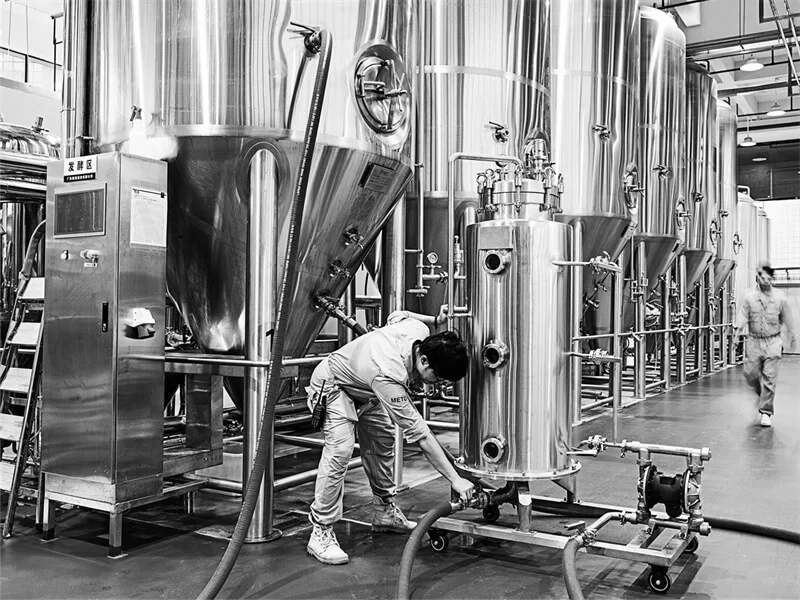
Learn how to design, build, and operate a large-scale craft brewery. Explore brewery layout, equipment selection, automation, packaging, and growth strategies.
Large-Scale Craft Brewery Design & Operation Guide Ler mais "
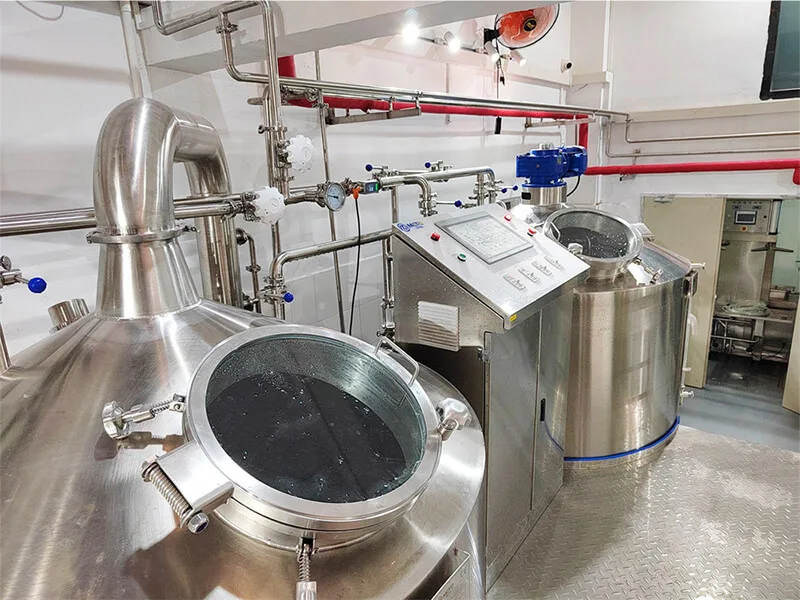
Discover the latest craft brewery trends for 2026 and learn how to choose the right brewing equipment for efficiency, quality, scalability, and growth.
Small Craft Brewery Trends and Equipment Selection Guide Ler mais "
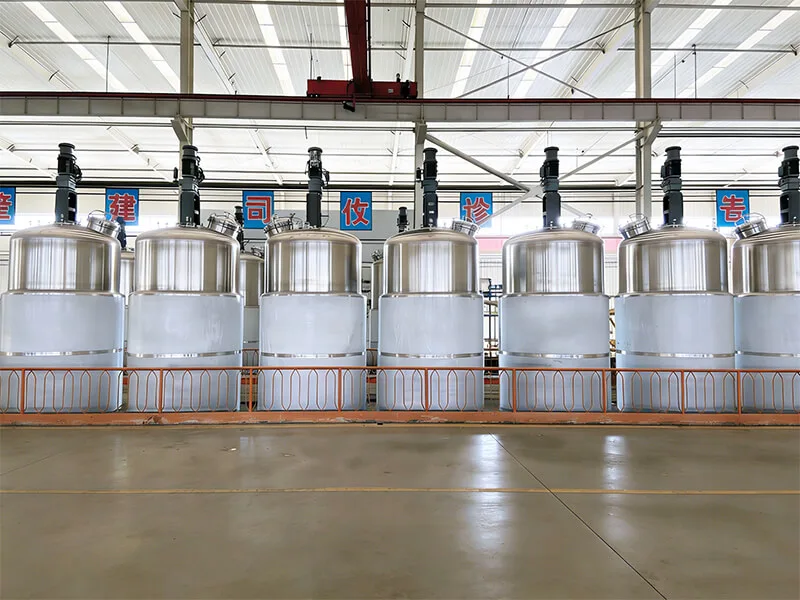
Discover how to choose the right stainless steel mixing tank for food, beverage, dairy, pharma, and chemical processing with expert guidance.
Stainless Steel Mixing Tanks: Types, Benefits & Selection Guide Ler mais "
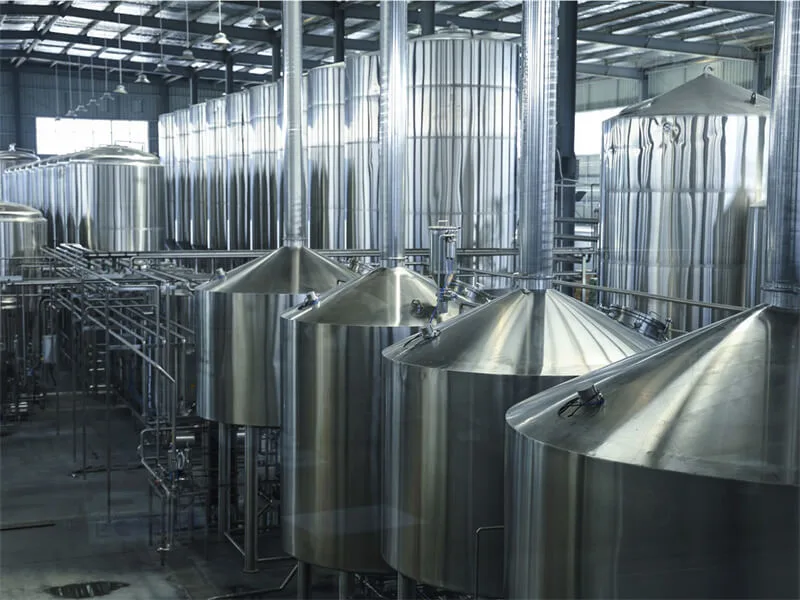
Planning a brewery? Learn what brewery solutions include—from layout and brewhouses to automation, packaging, and turnkey support.
What Are Brewery Solutions? A Practical Guide for Beer Producers Ler mais "
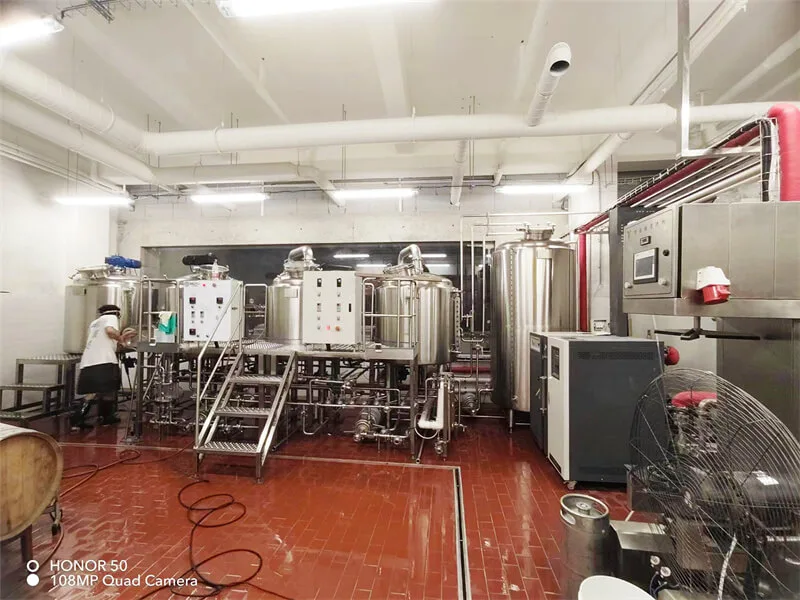
How to choose brewing equipment from 1 to 20 BBL. Covers heating, tanks, cleaning, and automation for nano brewpubs to regional breweries.
Complete Guide to Brewery Equipment Sizing: 1 BBL to 20 BBL for Craft Brewers Ler mais "
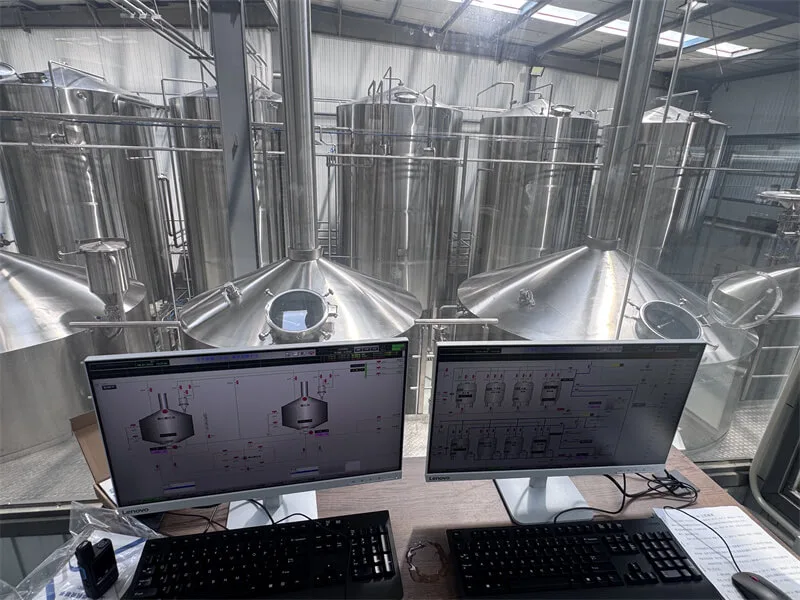
Guia prático para equipamento comercial de fabrico de cerveja - disposição, capacidade, aquecimento, tanques, CIP, peças sobressalentes e normas inoxidáveis. Sem rodeios, apenas conselhos úteis.
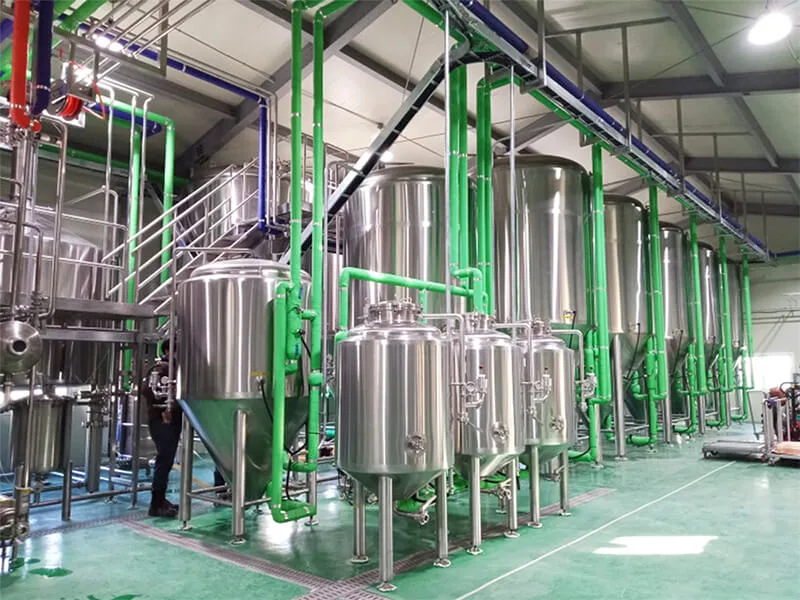
Um guia prático para o equipamento de fabrico de cerveja em aço inoxidável: graus, fermentadores, limpeza, manutenção e porque é que um fabricante experiente é importante.
O aço inoxidável na indústria cervejeira: Um Guia Completo Ler mais "
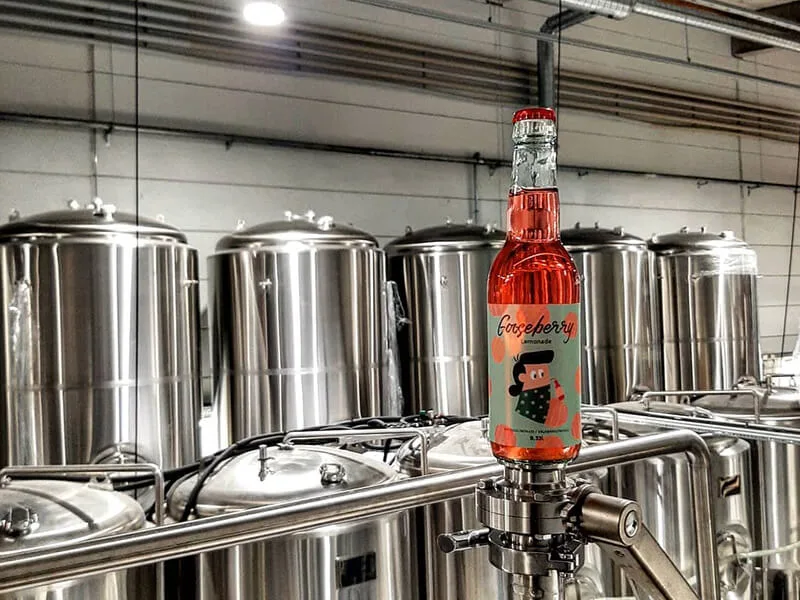
Practical brewery design from capacity planning to turnkey handover. Covers layout, CIP, glycol, packaging, and real-world startup.
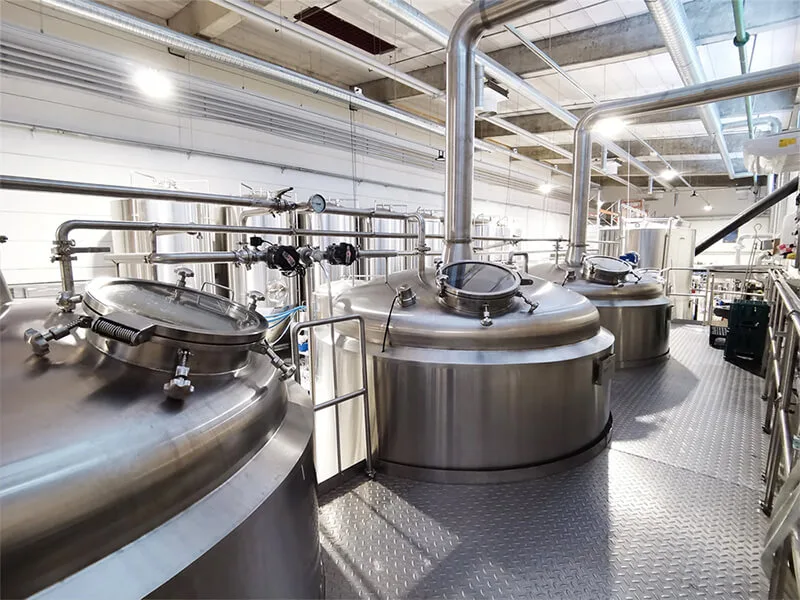
Learn what goes into a complete brewing line—from grain handling to packaging. Compare equipment types, key features, and get real‑world selection tips.
How to Choose Brewing Equipment: From Mash Tuns to Packaging Lines Ler mais "