How to Choose the Right Distillery Equipment
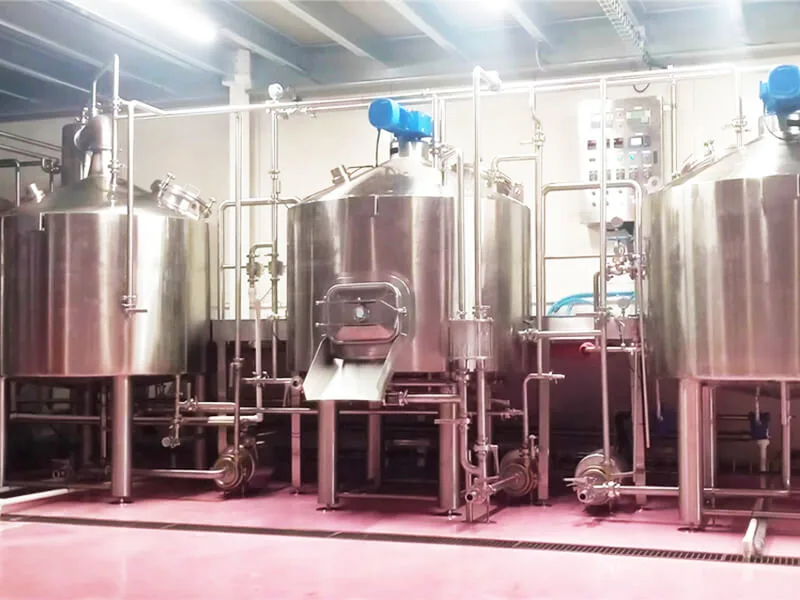
Choosing suitable distillery equipment is one of the most important decisions for any craft spirits producer. The right system affects production efficiency, spirit quality, operating cost, and future expansion.
Before purchasing distillation equipment, producers should evaluate production goals, available space, budget, and the type of spirits they plan to produce.
Choose Equipment Based on Production Scale
Production capacity should match business demand. Small systems are suitable for testing recipes and limited production, while larger systems support commercial operations and higher output.
For startups, smaller distillery equipment offers lower investment risk and easier operation. Commercial distilleries often select larger systems to improve efficiency and reduce labor costs over time.
Selecione o método de aquecimento adequado
Heating methods directly affect distillation stability and spirit quality.
Electric heating systems are commonly used in smaller operations because they are easy to control and install. Steam heating systems provide more stable and even heating, making them suitable for whiskey and brandy production. Direct fire heating is still used by some traditional distilleries but requires more operating experience.
The ideal heating system depends on production scale, energy cost, and spirit style.
Copper or Stainless Steel
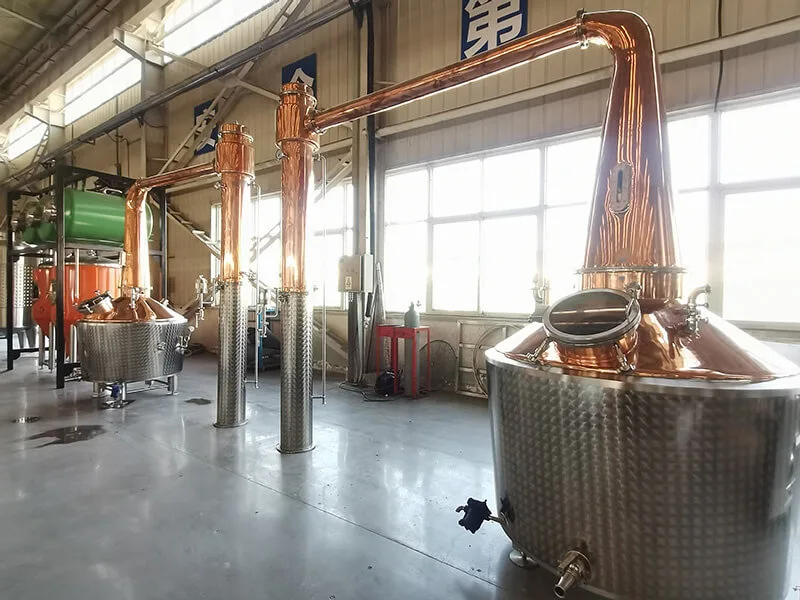
Copper remains popular in whiskey and brandy production because it helps remove sulfur compounds during distillation and improves aroma quality. Stainless steel distillation equipment is easier to maintain and offers long-term durability.
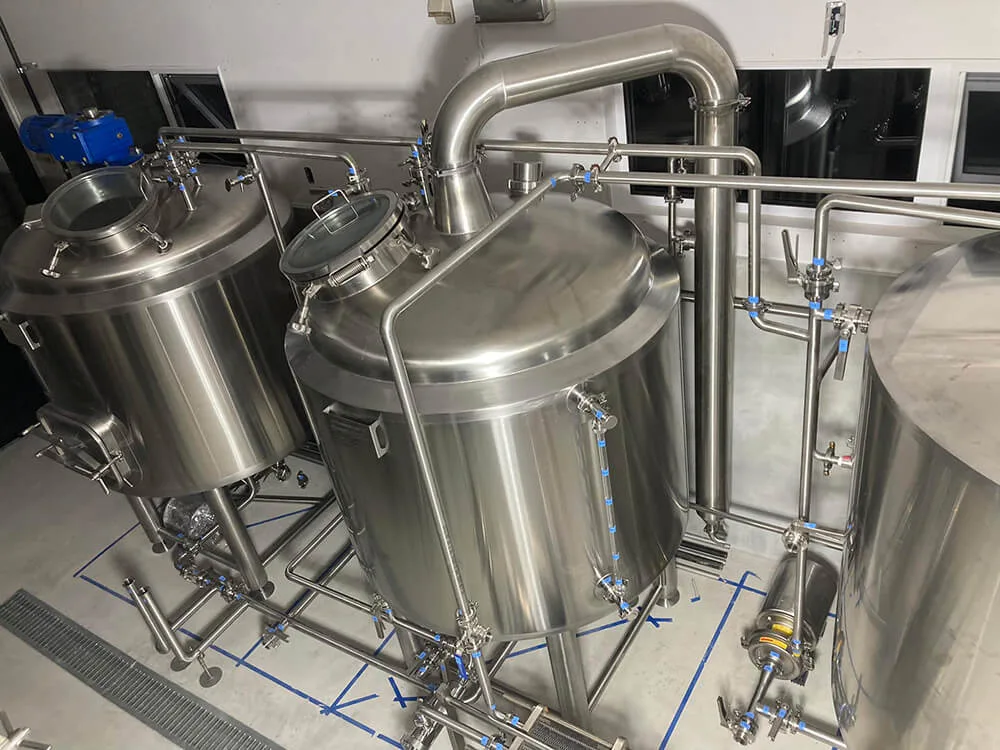
Many modern systems combine stainless steel tanks with copper columns or copper helmets to balance performance and maintenance cost.
Automation and Control Systems
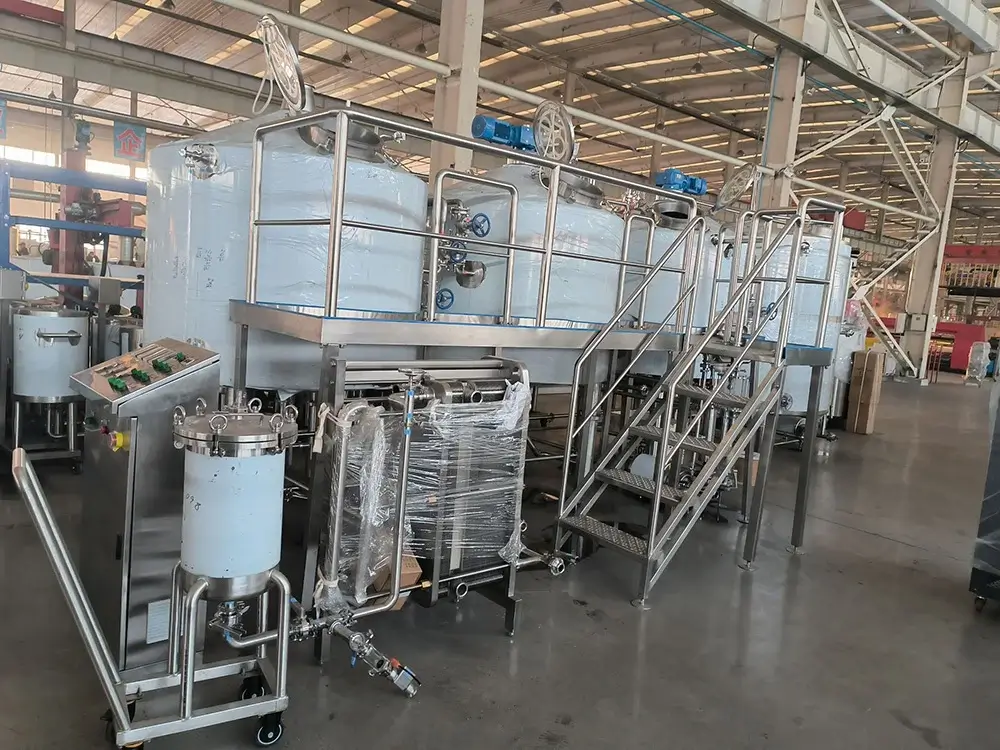
Modern distillation equipment often includes automated control systems that improve consistency and reduce manual work.
Common automation features include:
- PLC control systems
- Monitorização da temperatura
- Automated valves
- Sistemas de limpeza CIP
Automation is especially useful for commercial distilleries that require stable product quality across multiple batches.
Safety Should Always Come First
Reliable distillery equipment should include proper safety protection systems. Pressure relief valves, food-grade materials, stable cooling systems, and secure piping connections are essential for safe alcohol production.
A well-designed system not only improves production efficiency but also reduces operational risk.
Practical Guide: Distilling Your First Whiskey or Brandy
For beginners, understanding the basic distillation process is important before operating any equipment. Careful preparation and stable operation improve both safety and final spirit quality.
Prepare the Fermented Wash
Distillation starts with fermentation. Whiskey production usually uses grains such as barley, corn, or rye. Brandy production often uses grapes, wine, or fruit juice.
The fermented liquid, known as wash, normally reaches an alcohol content suitable for distillation after several days of fermentation.
Fill the Distillation Equipment Correctly
The still should never be completely full. Enough space must remain inside the tank to allow vapor circulation during heating.
Before starting the process, operators should inspect:
- Pipe connections
- Seals and gaskets
- Cooling water flow
- Pressure systems
Careful inspection helps avoid leaks and pressure problems.
Heat the Wash Slowly
Temperature control is one of the most important parts of distillation. Slow and stable heating creates smoother vapor flow and better alcohol separation.
Rapid heating can cause:
- Excessive foaming
- Unstable distillation
- Burned flavors
- Poor spirit quality
Professional distillation equipment helps maintain stable temperature control throughout the process.
Separate the Alcohol Fractions
During distillation, different alcohol fractions appear at different stages.
Foreshots contain harmful compounds and should always be discarded. The heads contain sharp volatile compounds that are usually removed from the final product. The hearts contain the cleanest and most desirable alcohol for drinking spirits. The tails contain heavier compounds that may affect flavor quality.
Learning proper fraction separation is essential for producing clean and balanced whiskey or brandy.
Cooling and Collection
The condenser transforms alcohol vapor back into liquid. Stable cooling water flow is necessary for efficient condensation.
Operators should continuously monitor:
- Cooling temperature
- Alcohol percentage
- Product flow rate
Collected spirits are often stored separately to allow later blending and evaluation.
Aging or Bottling
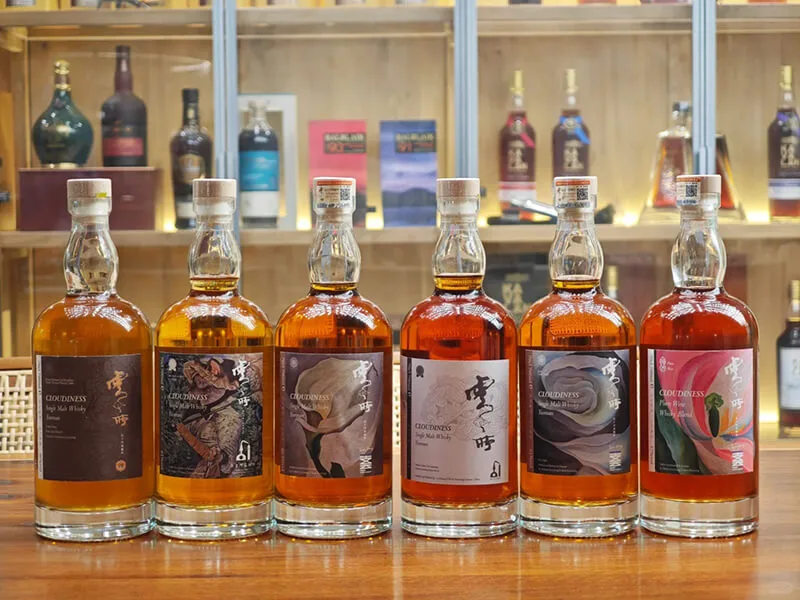
Whiskey is commonly aged in oak barrels to develop flavor, color, and aroma. Some brandies also undergo barrel aging depending on the desired style.
Certain clear spirits can be filtered and bottled immediately after distillation.
Advanced Distillation Applications
Modern distillation equipment can produce far more than whiskey and brandy. Multi-functional systems allow producers to create a wide range of spirits and specialty products.
Gin and Botanical Spirits
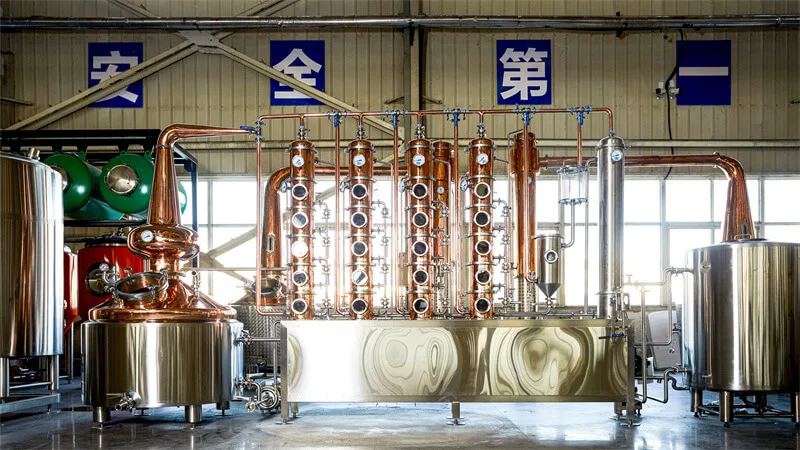
Gin production requires redistillation with botanicals such as juniper, citrus peel, herbs, and spices. Many distillers use modular column systems or botanical baskets for flavor extraction.
Flexible distillation equipment allows producers to experiment with different botanical combinations and flavor profiles.
Produção de vodka
Vodka production focuses on high-purity alcohol and clean flavor. Column distillation systems with multiple plates are commonly used to increase alcohol purity and consistency.
Additional filtration systems may also be used during production.
Fruit Spirits and Specialty Products
Many distilleries expand into fruit-based spirits made from apples, pears, berries, or plums. Some producers also create herbal spirits, honey spirits, and infused alcohol products.
Diversified production helps distilleries expand their market opportunities and create unique product lines.
Five Common Distillation Mistakes and How to Avoid Them
Many beginners experience similar operational problems during early production stages. Understanding these common mistakes helps improve safety and efficiency.
Heating Too Quickly
One of the most common mistakes is raising temperature too fast. Rapid heating creates unstable vapor flow and poor fraction separation.
Stable heating improves spirit quality and provides better process control.
Poor Equipment Cleaning
Residue left inside distillation equipment can affect flavor and create contamination problems. Cleaning should be completed after every production cycle.
Regular maintenance also extends equipment lifespan and improves long-term reliability.
Ignoring Safety Inspections
Distillation involves heat, alcohol vapor, and pressure. Failing to inspect valves, pipes, and seals increases operational risk.
Routine inspections help prevent equipment damage and improve production safety.
Incorrect Fraction Separation
Inexperienced operators may mix heads, hearts, and tails incorrectly. This can produce harsh flavors and inconsistent product quality.
Careful monitoring of temperature, aroma, and alcohol percentage improves fraction control.
Choosing the Wrong Distillery Equipment
Some producers purchase systems that are too small, difficult to upgrade, or unsuitable for their production goals.
Selecting scalable distillation equipment with reliable performance provides better long-term value and production flexibility.
Considerações finais
Selecting suitable distillery equipment is the foundation of successful spirits production. Well-designed distillation equipment improves product quality, operational stability, and production efficiency.
Whether producing whiskey, brandy, vodka, gin, or specialty spirits, understanding equipment configuration and proper distillation methods helps producers build safer and more efficient operations.
As the craft spirits industry continues to grow, investing in reliable equipment and improving distillation knowledge remain essential for long-term success.
Tem dúvidas sobre o seu projeto de equipamento para cervejeiras? Pode diga-nos as suas necessidades para a fábrica de cerveja e fornecer-lhe-emos uma solução chave-na-mão no prazo de 24 horas.