Le rôle des récipients de fermentation dans la production traditionnelle du vin de riz thaïlandais
La Thaïlande possède une riche tradition de fabrication de vin de riz, en particulier dans la région d'Isan, au nord-est du pays, où le sato est produit depuis des générations. Cette boisson alcoolisée traditionnelle est couramment consommée lors des fêtes locales, des réunions de famille, des cérémonies religieuses et des célébrations communautaires.
Si le riz gluant de grande qualité et les levures traditionnelles « Look-Phaeng » constituent des ingrédients essentiels, le récipient utilisé pour la fermentation et la conservation joue un rôle tout aussi déterminant dans la définition de la saveur, de l'arôme, de la douceur, de la clarté et de la durée de conservation finales du vin.
Face à la demande croissante des consommateurs, tant pour le « Sato » artisanal authentique que pour les vins de riz conditionnés dans le commerce, le choix d'un récipient de fermentation adapté revêt une importance croissante pour les producteurs, qu'il s'agisse d'amateurs de brassage à domicile ou de grandes distilleries.
Exigences essentielles relatives aux récipients destinés à la fermentation du vin de riz thaïlandais
Les différentes étapes de la production de vin de riz nécessitent des conditions environnementales spécifiques. La compréhension de ces exigences aide les brasseurs à choisir le matériau et la conception les plus adaptés pour leurs cuves.
Exposition contrôlée à l'oxygène pendant la fermentation primaire
La fermentation traditionnelle Sato repose sur l'action de levures et de micro-organismes qui transforment l'amidon du riz en alcool et en composés aromatiques. Au début de la fermentation, un échange d'oxygène limité favorise l'activité microbienne et le développement des arômes.
C'est l'une des raisons pour lesquelles les jarres traditionnelles en terre cuite sont restées populaires depuis des siècles. Leur structure poreuse permet une micro-oxygénation subtile qui contribue au caractère rustique si particulier du véritable vin de riz thaïlandais.
Une étanchéité fiable pour la fermentation secondaire et le stockage
Une fois la fermentation primaire terminée, une exposition excessive à l'oxygène devient indésirable. L'oxygène peut accélérer l'oxydation, augmenter le risque de contamination et nuire à la stabilité aromatique.
Pour la fermentation secondaire et le stockage, les récipients doivent présenter les caractéristiques suivantes :
- Excellentes performances d'étanchéité
- Protection contre les bactéries en suspension dans l'air et les levures sauvages
- Oxydation réduite
- Une qualité constante des produits
Une étanchéité adéquate est particulièrement importante pour les producteurs qui commercialisent du vin de riz en bouteille par le biais des circuits de vente au détail.
Sécurité alimentaire et compatibilité des matériaux
Le vin de riz contient des acides organiques et de l'alcool qui peuvent réagir avec des matériaux de mauvaise qualité.
Les cuves de fermentation professionnelles doivent présenter les caractéristiques suivantes :
- Certification « qualité alimentaire »
- Résistance à la corrosion
- Nettoyage et désinfection faciles
- Aucune migration de substances nocives
- Durabilité à long terme
Le choix de matériaux adaptés au contact alimentaire permet de garantir le respect des normes modernes en matière de transformation alimentaire et de préserver la qualité des produits.
Comparaison des matériaux les plus courants utilisés pour la fabrication des récipients à vin de riz en Thaïlande
Jars de fermentation traditionnels en terre cuite et en céramique
Pour de nombreux consommateurs thaïlandais, les pots en terre cuite restent synonymes d'une production « Sato » authentique.
Avantages
La micro-oxygénation naturelle favorise le développement d'arômes complexes.
Son excellente stabilité thermique contribue à réduire les variations de température pendant la fermentation.
Son aspect traditionnel renforce l'authenticité culturelle et l'image de marque haut de gamme d'un produit artisanal.
Convient aux méthodes de fermentation naturelle pratiquées en Thaïlande depuis des générations.
Limites
Lourds et fragiles par rapport aux modèles modernes.
Le nettoyage et l'assainissement peuvent s'avérer plus difficiles.
Moins adapté à la production commerciale à grande échelle.
Les meilleures applications
- Brasseries familiales
- Producteurs artisanaux de Sato
- Marques de vin de riz axées sur le tourisme
- Produits traditionnels haut de gamme
- Fermentation traditionnelle à la manière de l'Isan
De nombreuses marques artisanales utilisent délibérément des cuves de fermentation en céramique pour se démarquer sur le marché en pleine expansion des alcools artisanaux.
Bocaux de fermentation en verre
Les récipients en verre sont de plus en plus prisés par les brasseurs amateurs modernes et les petits producteurs commerciaux.
Avantages
La conception transparente permet aux brasseurs de surveiller visuellement l'activité de fermentation.
Les brasseurs peuvent facilement constater que :
- Formation de bulles
- Activité des levures
- Évolution des sédiments
- Changements de couleur
Le verre est chimiquement inerte et n'absorbe ni les odeurs ni les saveurs.
Le nettoyage et la désinfection sont simples, ce qui en fait une solution idéale pour les cycles de production répétés.
Limites
Risque de casse pendant le transport.
Évolutivité limitée pour les volumes de production plus importants.
Une protection supplémentaire contre les rayons directs du soleil peut être nécessaire.
Les meilleures applications
- Le brassage amateur
- Vin de riz élaboré par le restaurant
- Lots de production pilotes
- Démonstrations pédagogiques
- Systèmes de fermentation destinés à la vente au détail
Pour les entreprises qui ciblent le secteur du tourisme et de la restauration expérientielle, la fermentation à vue peut constituer un argument marketing séduisant.
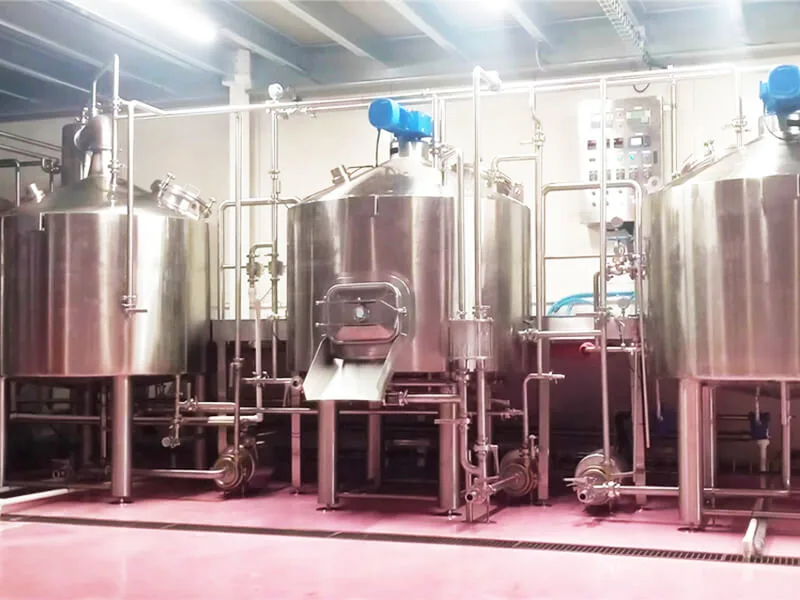
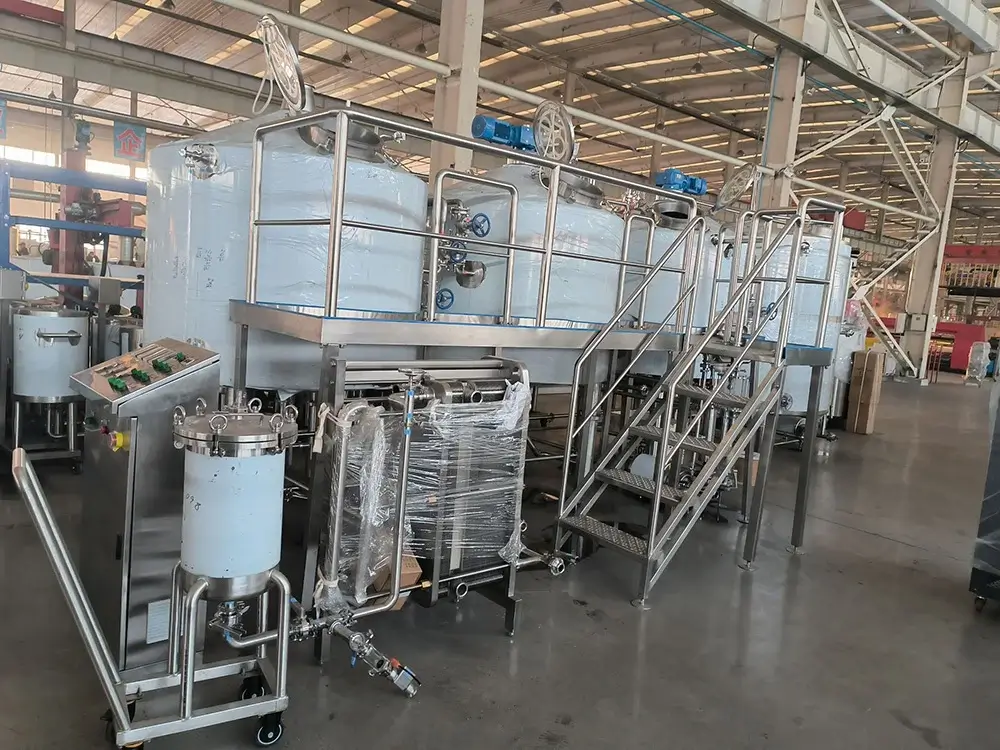
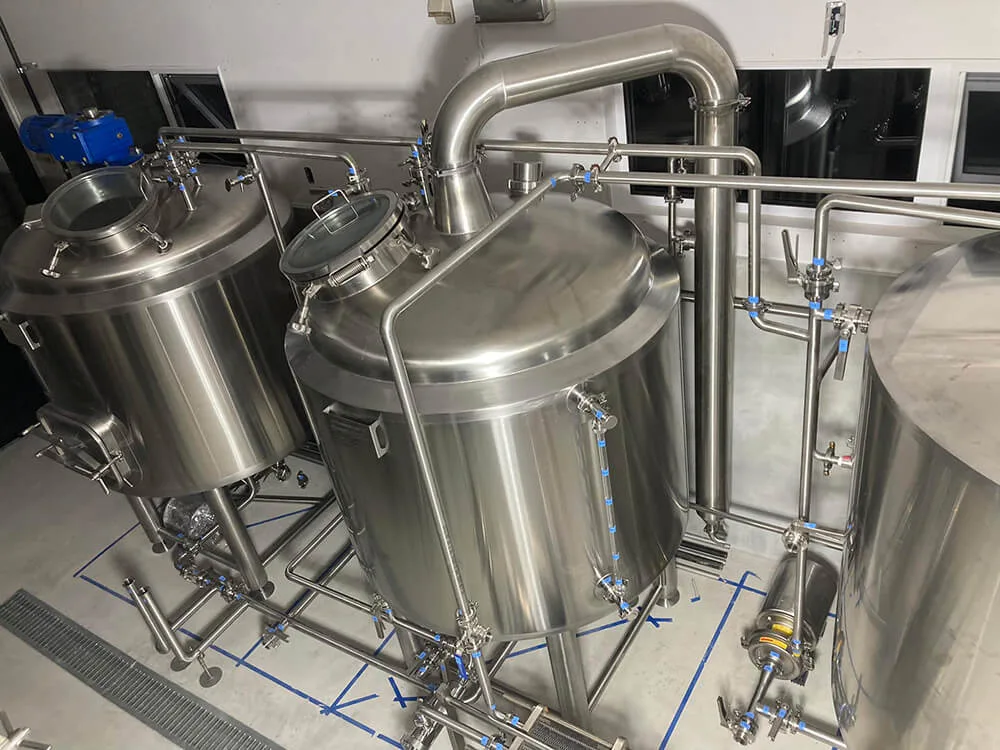
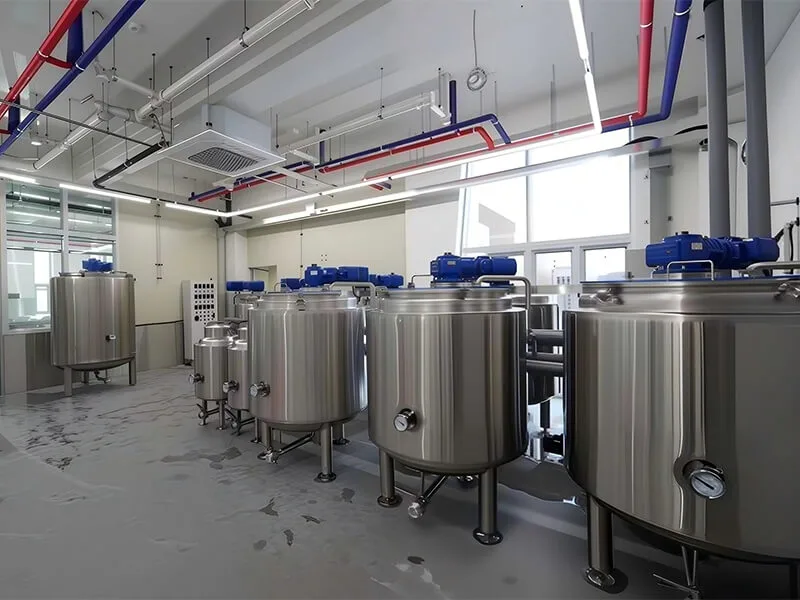
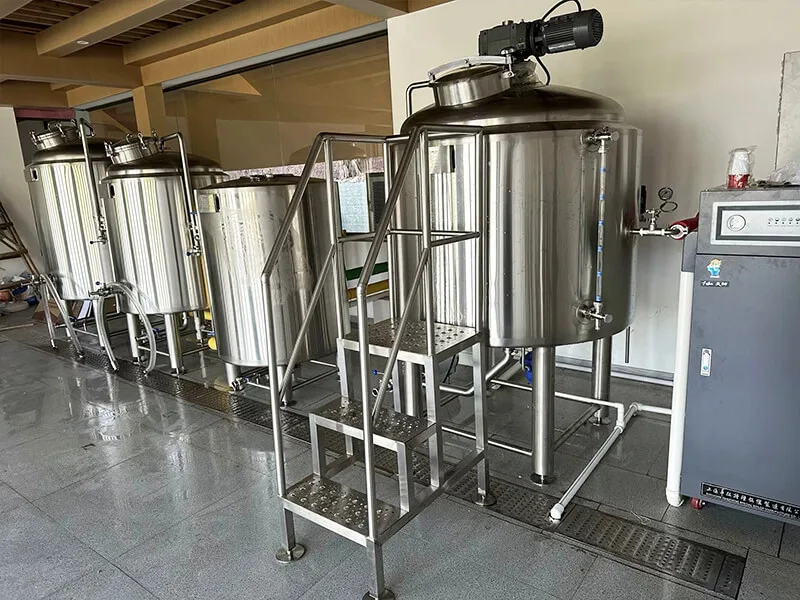
Cuves de fermentation en acier inoxydable de qualité alimentaire
À mesure que l'industrie thaïlandaise du vin de riz se modernise, les cuves en acier inoxydable sont devenues le choix privilégié des installations de production commerciales.
Avantages
L'acier inoxydable de qualité alimentaire offre une durabilité et une résistance à la corrosion exceptionnelles.
Par rapport aux matériaux traditionnels, l'acier inoxydable présente les avantages suivants :
- Régulation précise de la température
- Performances d'hygiène supérieures
- Des résultats de fermentation constants
- Risque de contamination réduit
- Durée de vie prolongée
- Une meilleure efficacité de production
Les chars modernes peuvent être équipés de :
- Chemises de refroidissement
- Systèmes de nettoyage CIP
- Systèmes de régulation de pression
- Instruments de surveillance numériques
- Régulation automatique de la température
Ces fonctionnalités améliorent considérablement l'uniformité des produits et l'efficacité opérationnelle.
Pourquoi les aciers inoxydables 304 et 316L sont-ils si importants ?
L'acier inoxydable 304 convient à la plupart des applications liées à la fabrication du vin de riz et offre un excellent rapport performances/coût.
L'acier inoxydable 316L offre une meilleure résistance à la corrosion et est souvent privilégié pour les installations de production d'alcool haut de gamme soumises à des normes d'hygiène plus strictes.
Les meilleures applications
- Production commerciale de Sato
- Producteurs de vin de riz destinés à l'exportation
- Installations de production de boissons en sous-traitance
- Installations de fermentation industrielle
- Entreprises de transformation agroalimentaire à grande échelle
Pour les entreprises qui recherchent une qualité homogène et une durée de conservation plus longue, l'acier inoxydable constitue souvent l'investissement le plus rentable à long terme.
Guide de sélection des capacités pour les producteurs de vin de riz thaïlandais
Le choix d'un récipient de taille adaptée est tout aussi important que celui d'un matériau approprié.
Brassage amateur
Capacités types :
- 1 L
- 3 L
- 5 L
Convient à la consommation familiale et au brassage amateur.
Petite production commerciale
Capacités types :
- 20 L
- 50 L
- 100 L
Idéal pour les restaurants locaux, les producteurs locaux et les marques de boissons de spécialité.
Installations de production professionnelles
Capacités types :
- 200 L
- 500L
- 1 000 litres et plus
Conçu pour une production en continu et la distribution commerciale.
Lorsqu'ils planifient leurs capacités, les producteurs devraient tenir compte de la croissance future de leur activité plutôt que de se limiter à la seule demande actuelle.
Possibilités de personnalisation pour le marché thaïlandais
L'emballage et la présentation jouent un rôle de plus en plus important dans les décisions d'achat des consommateurs.
Intégration d'éléments culturels thaïlandais
Des cuves de fermentation et de stockage sur mesure peuvent accroître la valeur perçue et renforcer l'identité de marque.
Parmi les options de conception les plus populaires, on trouve :
- Motifs décoratifs de style Lanna
- Motifs traditionnels thaïlandais
- Œuvres d'art sur le thème des éléphants
- Motifs inspirés des temples
- Identité visuelle en thaï
- Emballage cadeau haut de gamme
Ces caractéristiques sont particulièrement intéressantes pour les produits destinés au secteur du tourisme, le marché des cadeaux et les enseignes de restauration haut de gamme.
Opportunités dans le domaine de la fabrication en sous-traitance (OEM) et des marques de distributeur
De nombreux fabricants internationaux proposent désormais :
- Logos personnalisés
- Gravure au laser
- Marquage imprimé
- Équipements sur mesure
- Production sous marque de distributeur
- Personnalisation en petites séries
Cette flexibilité permet aux entreprises thaïlandaises de créer des identités de produit uniques tout en préservant l'efficacité de leur production.
Aspects réglementaires à prendre en compte par les producteurs de vin de riz thaïlandais
Avant de commercialiser un vin de riz, les producteurs doivent s'assurer du respect de la réglementation thaïlandaise en vigueur.
Les domaines clés comprennent généralement :
Exigences en matière d'étiquetage
- Déclaration relative à la teneur en alcool
- Informations sur les ingrédients
- Informations sur le fabricant
- Date de production
- Mises en garde
Conformité des emballages
Les matériaux utilisés pour la fabrication des conteneurs doivent respecter les exigences de sécurité relatives au contact alimentaire ainsi que les normes de transport.
Exigences en matière d'exportation
Les producteurs qui envisagent d'exporter du Sato ou des produits à base de vin de riz doivent vérifier la réglementation du pays de destination concernant :
- Certifications de conformité alimentaire
- Normes d'emballage
- Exigences en matière d'étiquetage des boissons alcoolisées
- Documents d'importation
Le recours à des fournisseurs d'équipements expérimentés peut contribuer à simplifier les processus de mise en conformité et à réduire les risques opérationnels.
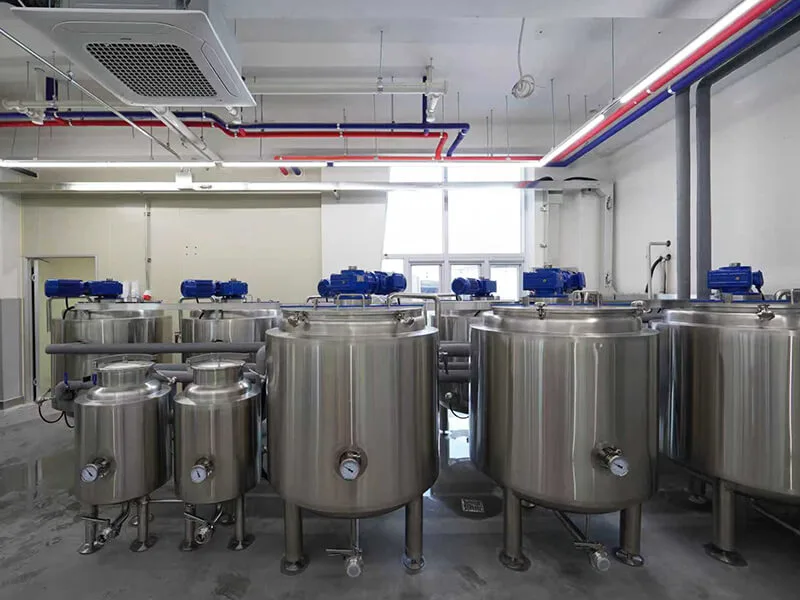
Pourquoi les brasseurs modernes allient tradition et technologie de l'acier inoxydable
De nombreuses marques de vin de riz thaïlandais à succès ont désormais adopté une approche de production hybride.
Ils ont recours à des méthodes de fermentation traditionnelles et à des ingrédients locaux afin de préserver les saveurs authentiques, tout en intégrant des équipements en acier inoxydable pour améliorer l'hygiène, la régularité et la capacité de production.
Cette combinaison permet aux producteurs de préserver leur authenticité culturelle tout en répondant aux attentes des consommateurs d'aujourd'hui et aux normes commerciales.
Alors que la demande en boissons artisanales haut de gamme ne cesse de croître en Asie du Sud-Est, investir dans une cuve de fermentation adaptée devient un choix stratégique qui a un impact direct sur la qualité des produits, l'efficacité de la production et la réputation de la marque.
Conclusion
La cuve de fermentation est bien plus qu'un simple récipient de stockage : c'est un élément essentiel du processus de fabrication du vin de riz.
Les jarres en céramique traditionnelles restent un excellent choix pour la production artisanale authentique de Sato. Les récipients en verre offrent une bonne visibilité et un grand confort d'utilisation aux brasseurs à petite échelle. Pour les producteurs commerciaux à la recherche de régularité, de sécurité alimentaire et d'évolutivité, les cuves de fermentation en acier inoxydable constituent la solution la plus avancée et la plus fiable.
Que vous soyez brasseur amateur, petit producteur de Sato ou grand fabricant de vin de riz, choisir la cuve adaptée vous permettra de préserver le riche patrimoine brassicole thaïlandais tout en créant de nouvelles opportunités de croissance pour votre entreprise.
Vous recherchez des cuves de fermentation de vin de riz sur mesure ?
Nous fournissons des cuves de fermentation en acier inoxydable de qualité alimentaire, des cuves de stockage et des solutions de brassage sur mesure destinées aux producteurs thaïlandais de vin de riz.
Les options disponibles sont les suivantes :
- Acier inoxydable 304 et 316L
- Capacités de 50 L à 10 000 L
- Systèmes de chemises de refroidissement
- Systèmes de nettoyage CIP
- Services de personnalisation pour les fabricants d'équipements d'origine (OEM)
- Livraison rapide et expédition dans le monde entier
Contactez notre équipe dès aujourd'hui pour discuter des spécifications de votre projet ou pour demander un catalogue de produits et un devis.