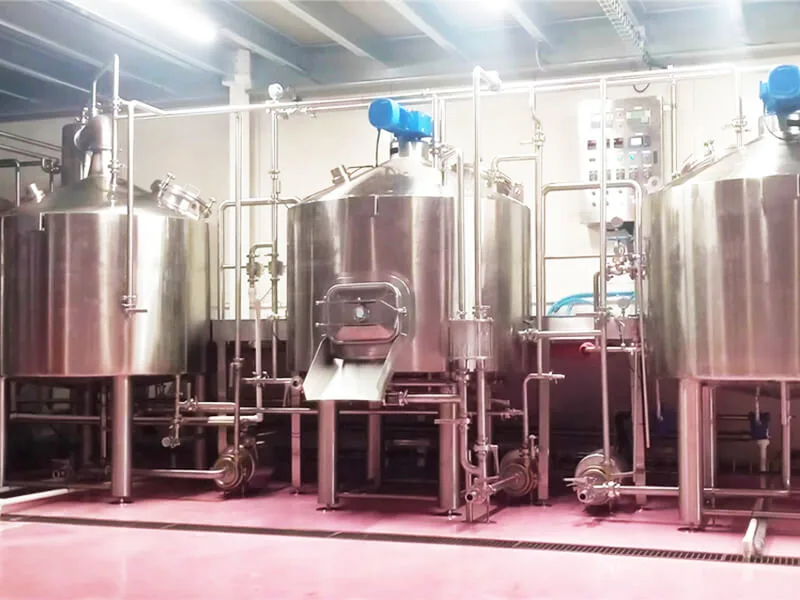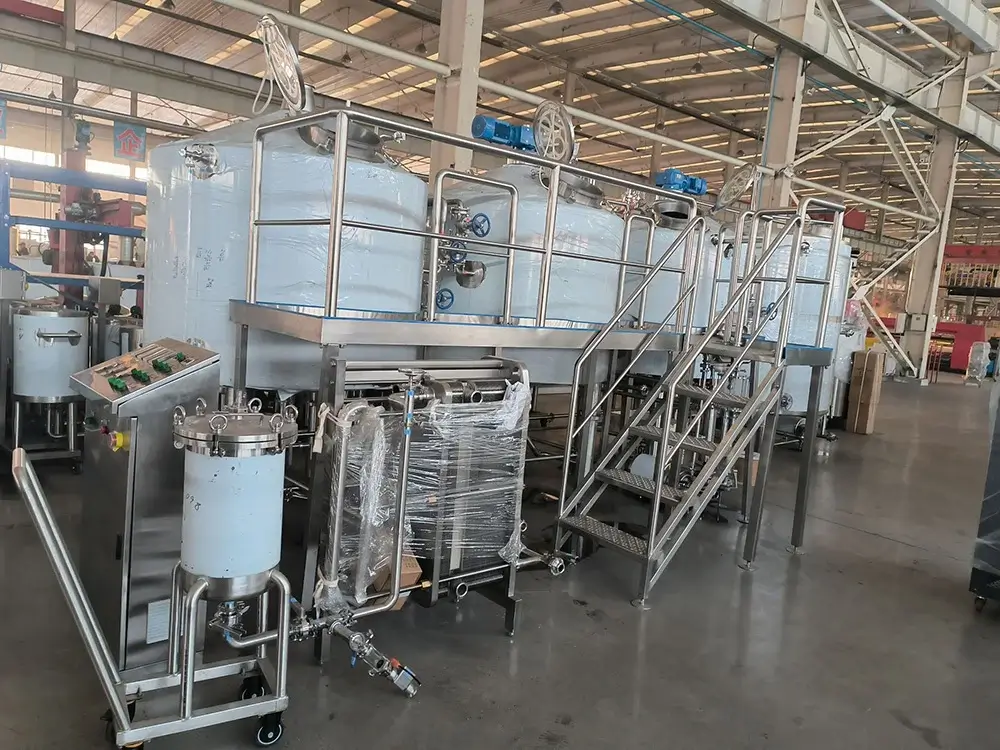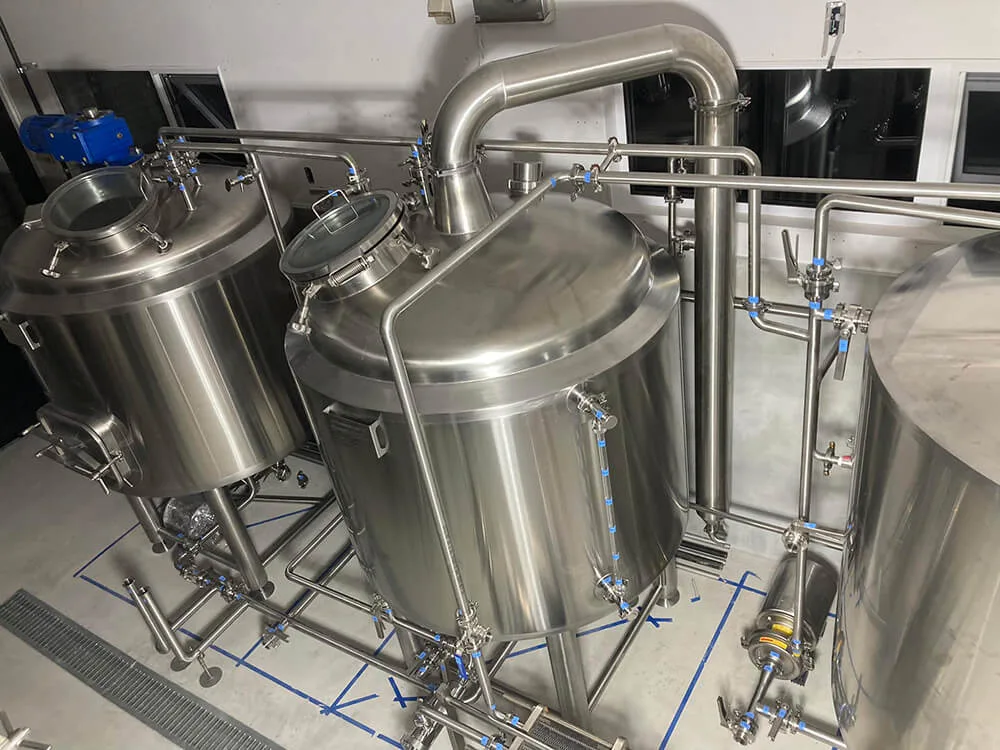
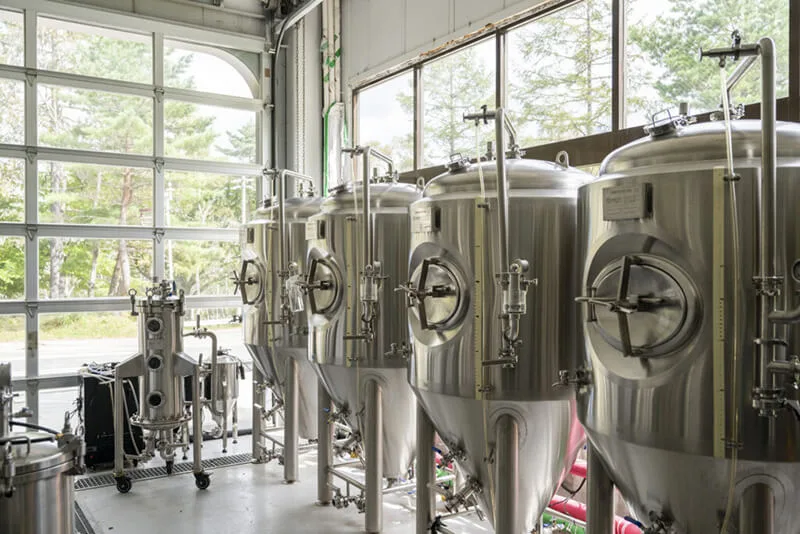
In modern breweries, the fermentation stage is where wort transforms into beer. An industrial brewing fermenter, also known as a stainless steel fermentation tank, is a specialized vessel designed to control yeast activity, temperature, pressure, and sanitation during the fermentation process. These tanks are essential equipment for commercial breweries aiming to produce consistent, high-quality beer at scale.
Industrial beer fermentation tanks are widely used in craft breweries, large-scale beer factories, brewpubs, and turnkey brewing systems. With advanced temperature control systems and sanitary stainless steel construction, they help brewers maintain product stability, improve efficiency, and achieve precise flavor profiles.
Importance of Industrial Brewing Fermentation Tanks in Production
Ensuring Consistent Beer Quality
Consistency is one of the biggest challenges in commercial brewing. A high-quality stainless steel fermentation tank provides a stable environment for yeast fermentation, helping breweries produce beer with reliable flavor, aroma, alcohol content, and carbonation batch after batch.
Improving Fermentation Efficiency
Industrial fermentation tanks are engineered for optimized yeast performance. Features such as glycol cooling jackets, conical bottoms, and pressure control systems allow breweries to shorten fermentation cycles and improve production efficiency.
Maintaining Sanitary Brewing Conditions
Beer is highly sensitive to contamination. Stainless steel fermentation tanks are designed with smooth interior surfaces, sanitary fittings, and CIP (Clean-in-Place) systems to minimize bacterial contamination and simplify cleaning procedures.
Supporting Scalable Beer Production
As breweries expand, production capacity becomes increasingly important. Industrial beer fermentation tanks are available in a wide range of capacities, from small craft brewery systems to large commercial brewing operations producing thousands of liters per batch.
Features and Advantages of Industrial Beer Brewing Fermentation Tanks
Food-Grade Stainless Steel Construction
Most industrial brewing fermenters are made from SUS304 or SUS316 stainless steel. This material offers excellent corrosion resistance, durability, and sanitary performance, making it ideal for long-term beer production.
Key benefits include:
- Resistance to acidic beer environments
- Nettoyage et entretien faciles
- Longue durée de vie
- Compliance with food-grade brewing standards
Advanced Temperature Control System
Precise temperature management is critical during fermentation. Industrial stainless steel fermentation tanks commonly include:
- Chemises de refroidissement au glycol
- Digital temperature sensors
- Automated temperature controllers
These systems help breweries maintain ideal fermentation temperatures for different beer styles.
Conical Bottom Design
Most modern beer fermentation tanks feature a conical bottom structure. This design allows yeast and sediment to naturally collect at the bottom of the tank, making yeast harvesting and cleaning more efficient.
Pressure Fermentation Capability
Many industrial fermentation tanks are pressure-rated, enabling breweries to perform pressure fermentation and carbonation directly inside the tank. This improves efficiency and reduces the need for additional equipment.
CIP Cleaning System Compatibility
Clean-in-Place systems reduce labor costs and improve sanitation. Industrial brewing fermentation tanks are designed for automated internal cleaning, helping breweries maintain hygienic production standards.
Types of Industrial Brewing Fermentation Tanks
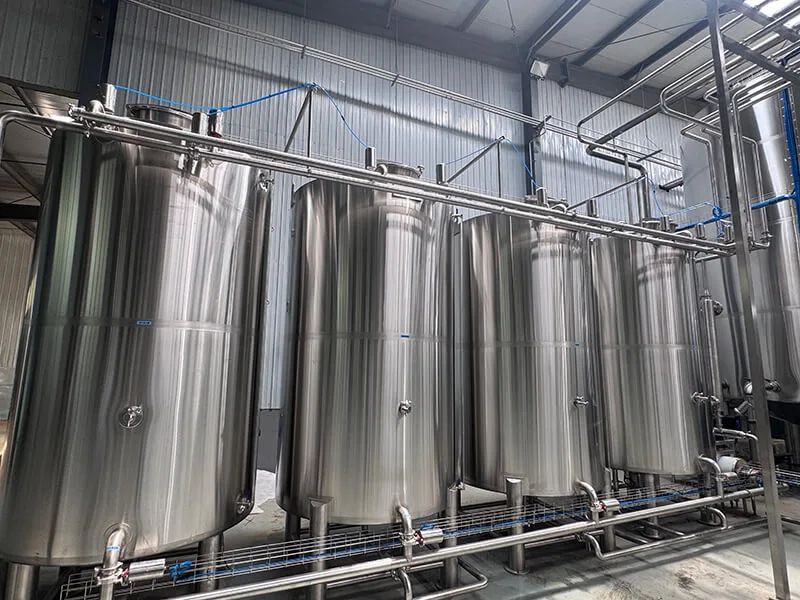
Cylindroconical Fermentation Tanks (CCV)
Cylindroconical fermenters are the most widely used stainless steel fermentation tanks in commercial breweries. They combine a cylindrical body with a cone-shaped bottom for efficient yeast collection and beer clarification.
Advantages of CCV Tanks
- Easy yeast removal
- Better sediment separation
- Suitable for primary fermentation and maturation
- Space-efficient brewery layout
Open Fermentation Tanks
Open fermenters are traditional brewing vessels commonly used for specialty beer styles such as wheat beers and Belgian ales. Although less common in large-scale breweries, they remain popular among craft brewers seeking unique flavor characteristics.
Advantages of Open Fermentation
- Enhanced yeast expression
- Traditional brewing aesthetics
- Suitable for specialty beer production
Unitank Fermentation Systems
A unitank combines fermentation and conditioning functions into a single vessel. This design reduces equipment investment and simplifies brewery operations.
Benefits of Unitank Systems
- Lower equipment costs
- Reduced beer transfer requirements
- Amélioration de l'efficacité de la production
- Space-saving brewery solution
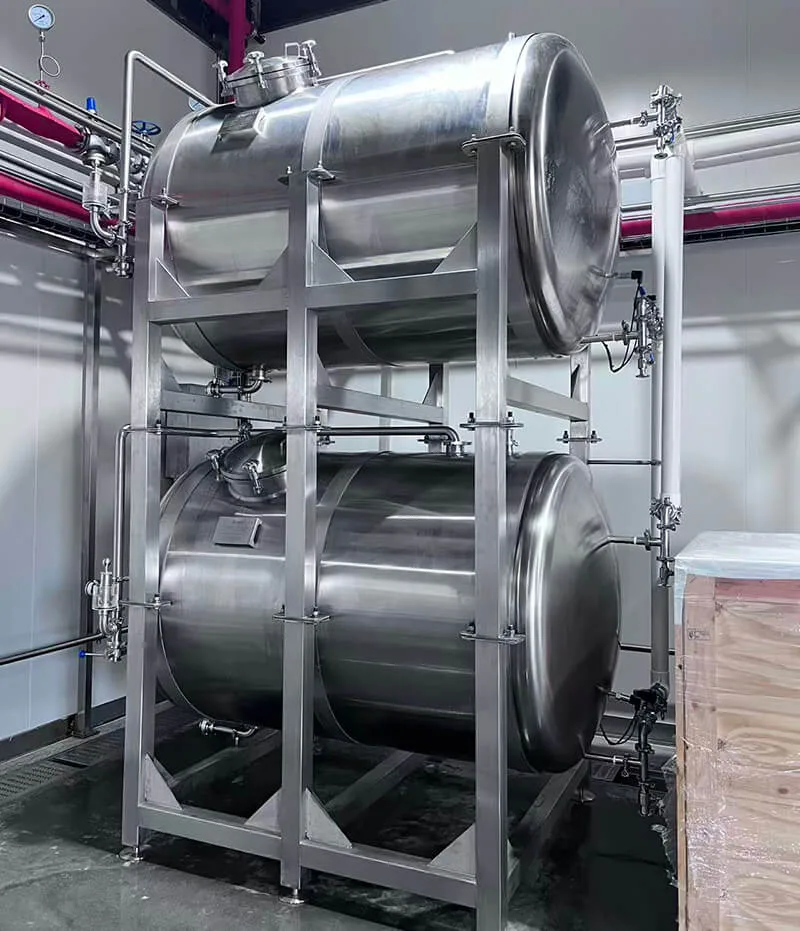
Horizontal Lagering Tanks
Horizontal fermentation tanks are primarily used for lager beer maturation. Their larger surface area improves yeast settling and supports traditional lager brewing methods.
Suitable Applications
- Lager beer production
- Cold conditioning processes
- Traditional European-style brewing
How to Choose the Right Industrial Beer Fermentation Tank Equipment?
Determine Brewery Production Capacity
The first step is evaluating your brewery’s output requirements. Tank size should match your brewhouse capacity and projected production volume.
Common industrial fermentation tank sizes include:
- 500L fermentation tanks
- 1000L fermentation tanks
- 2000L fermentation tanks
- 5000L fermentation tanks
- Customized large-capacity brewery fermenters
Select the Appropriate Stainless Steel Material
SUS304 stainless steel is commonly used for beer brewing equipment, while SUS316 offers enhanced corrosion resistance for specific brewing environments.
When selecting a stainless steel fermentation tank, consider:
- Material thickness
- Interior polishing quality
- Welding standards
- Sanitary certification
Evaluate Cooling and Temperature Control Performance
Efficient cooling systems directly affect beer quality and production speed. High-quality industrial brewing fermentation tanks should include properly designed cooling jackets and reliable temperature control systems.
Consider Automation Features
Modern breweries increasingly rely on automated brewing systems. Automated fermentation tanks can improve operational efficiency through:
- Automatic temperature adjustment
- Surveillance de la pression
- CIP automation
- Digital production management
Check Manufacturer Experience and Support
Choosing a reliable brewing equipment manufacturer is essential for long-term success. A professional supplier can provide:
- Brewery design consultation
- Customized tank solutions
- Consignes d'installation
- Assistance technique
- After-sales service
Why Stainless Steel Fermentation Tanks Are the Industry Standard
The global brewing industry widely adopts stainless steel fermentation tanks because they combine hygiene, durability, and operational efficiency. Compared with alternative materials, stainless steel provides superior resistance to corrosion, contamination, and temperature fluctuations.
For breweries seeking consistent beer quality and scalable production, investing in high-quality industrial beer fermentation tanks is a critical step toward long-term growth and profitability.
Conclusion
Industrial brewing fermenters play a vital role in modern beer production. From temperature control and sanitation to yeast management and production efficiency, the right stainless steel fermentation tank can significantly impact beer quality and brewery performance.
Whether you operate a craft brewery, brewpub, or large commercial brewing facility, selecting the proper fermentation tank equipment helps optimize operations and support future expansion. By understanding different tank types, material options, and automation features, breweries can make informed investment decisions and improve brewing efficiency.
Vous avez des questions concernant votre projet d'équipement de brasserie ? Vous pouvez dites-nous Faites-nous part de vos besoins pour la brasserie, et nous vous proposerons une solution clé en main dans les 24 heures.