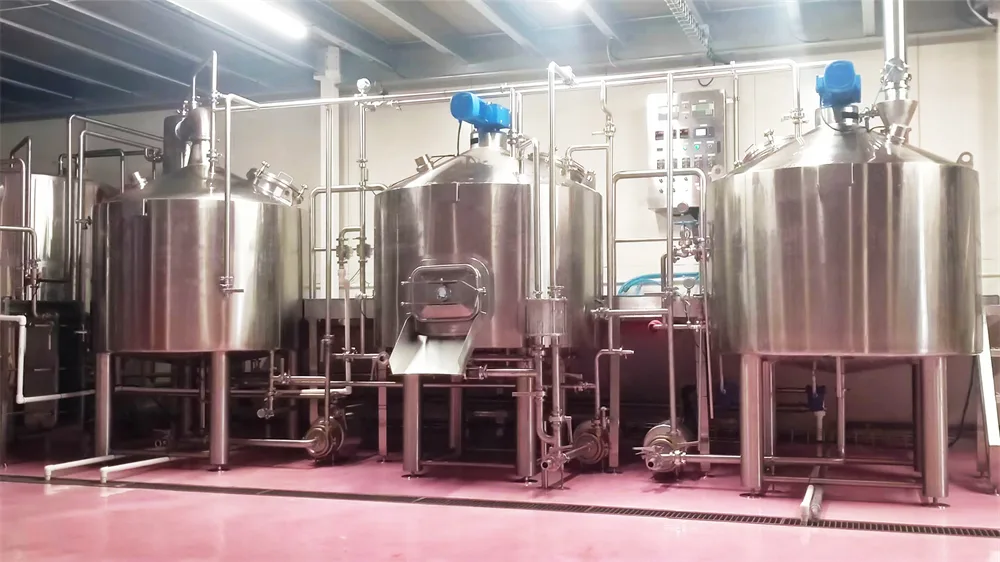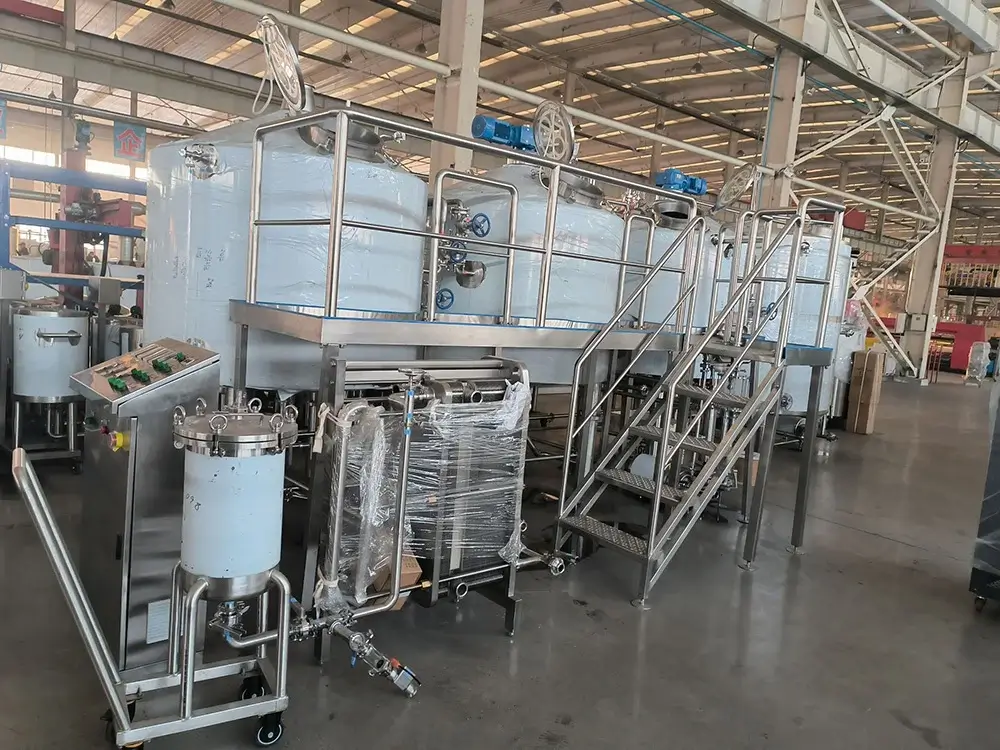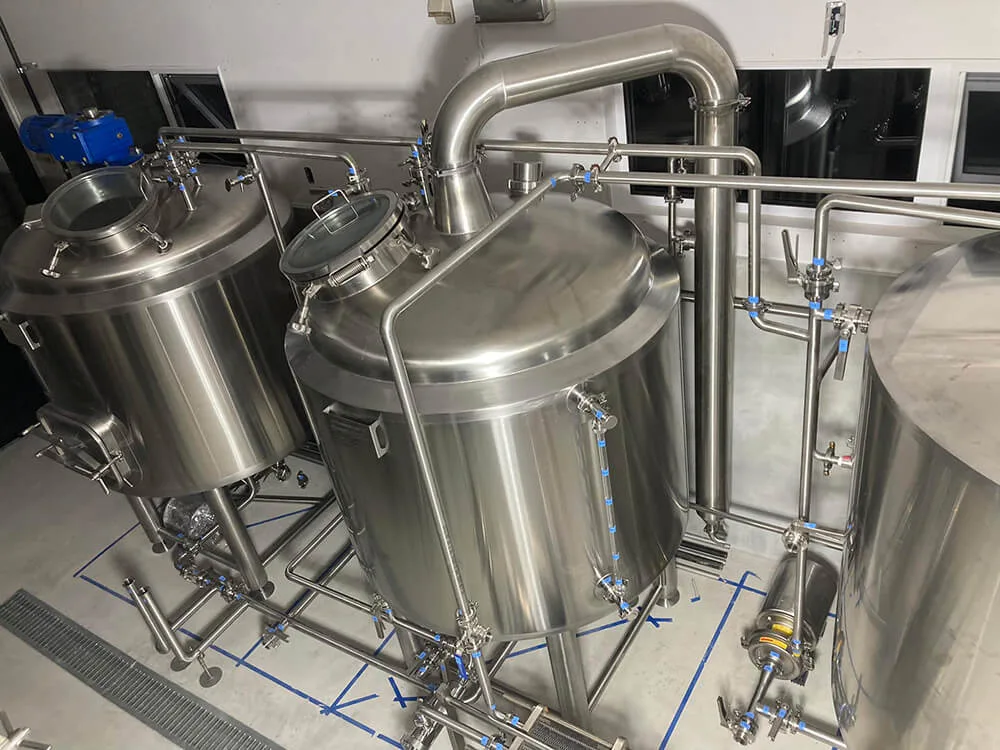

Whether it’s a precision-controlled laboratory distillation apparatus, a home water distiller, or large-scale industrial distillation equipment used in breweries and chemical plants, cleaning is a critical factor in maintaining performance and ensuring product purity.
Neglecting proper cleaning can lead to scale buildup and residue accumulation, which not only reduces distillation efficiency but also shortens equipment lifespan and contaminates the final product. This may result in inaccurate lab data, unpleasant odors in distilled water, or off-flavors in distilled spirits.
The good news? Cleaning distillation equipment is not complicated. With the right methods and frequency, anyone—even beginners—can keep their equipment in optimal condition.
1. Before Cleaning: Safety Preparation & Timing
1.1 Essential Safety Measures
Safety always comes first when cleaning distillation equipment:
- Power Off & Cool Down
Ensure the system is completely powered off and cooled below 60°C to prevent burns or material damage. - Personal Protective Equipment (PPE)
Use nitrile gloves, safety goggles, and protective clothing when handling corrosive residues or solvents. Always work in a well-ventilated area. - Disassembly & Sorting
Disassemble all removable components (flasks, condensers, tubing, seals) and organize them to avoid damage or missed cleaning spots.
1.2 When to Clean (Don’t Wait Too Long)
Clean your equipment as soon as you notice:
- Visible scale (white/brown deposits) or sticky residues
- Reduced distillation efficiency
- Unusual odor or cloudy distillate
- Abnormal lab test results
Recommended Frequency:
- Home distillers: every 1–2 weeks
- Laboratory/industrial systems: light cleaning after each use + deep cleaning monthly
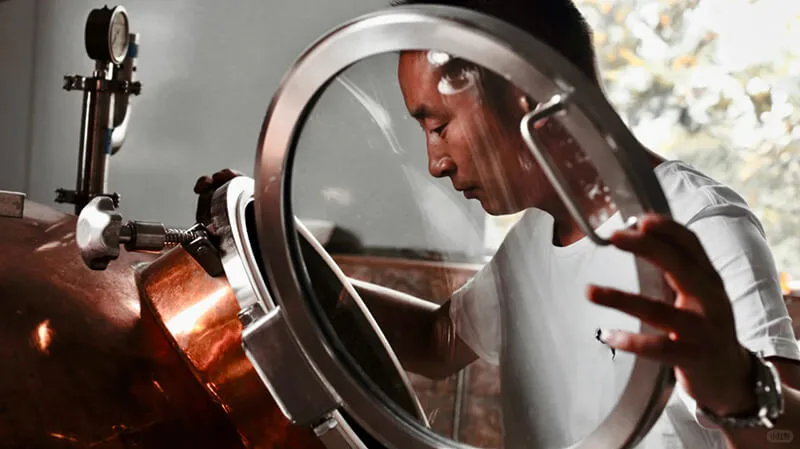
2. Universal Cleaning Process (Step-by-Step)
Step 1: Initial Rinse
Remove loose debris and surface contaminants:
- Wipe external surfaces with a soft cloth
- Rinse components with clean water
- Use soft brushes for light residue removal
Step 2: Targeted Residue Removal
Different residues require different cleaning approaches:
2.1 Scale & Inorganic Deposits
Common in water distillation systems.
Solution:
- Soak in 5–10% citric acid or vinegar for 30–60 minutes
- For stainless steel, use diluted hydrochloric acid (5–10%)
- Gently scrub and rinse thoroughly
2.2 Organic Residues (Oils, Alcohols, Compounds)
Common in distilleries and labs.
Solution:
- Mild residue: warm water + neutral detergent
- Stubborn residue: ethanol or acetone (use in ventilated area)
- Rinse thoroughly to remove solvent traces
2.3 Acidic or Alkaline Residues
Typical in chemical applications.
Solution:
- Neutralize acids with sodium bicarbonate
- Neutralize alkalis with dilute acetic acid
- Rinse and follow with deionized water
Step 3: Thorough Rinsing
This is one of the most critical steps:
- Rinse all components 3–5 times with clean water
- Flush complex tubing using syringes if necessary
- Final rinse with deionized or distilled water
Step 4: Drying & Reassembly
- Air Drying: Place components upside down in a clean, ventilated area
- Oven Drying:
- Stainless steel: up to 100°C
- Glass: below 80°C
- Reassembly Check:
Inspect seals, glass integrity, and connections before reassembling - Test Run:
Run the system empty for 5 minutes to ensure normal operation
3. Application-Specific Cleaning Tips
3.1 Home Water Distillers
- Clean boiling chamber with vinegar solution
- Wash condenser and collection bottle with mild detergent
- Use filtered water to reduce scale formation
3.2 Laboratory Distillation Equipment
- Ensure glass surfaces are fully wetted (no droplets)
- Use ultrasonic cleaning for stubborn residues
- Perform blank distillation test to confirm purity
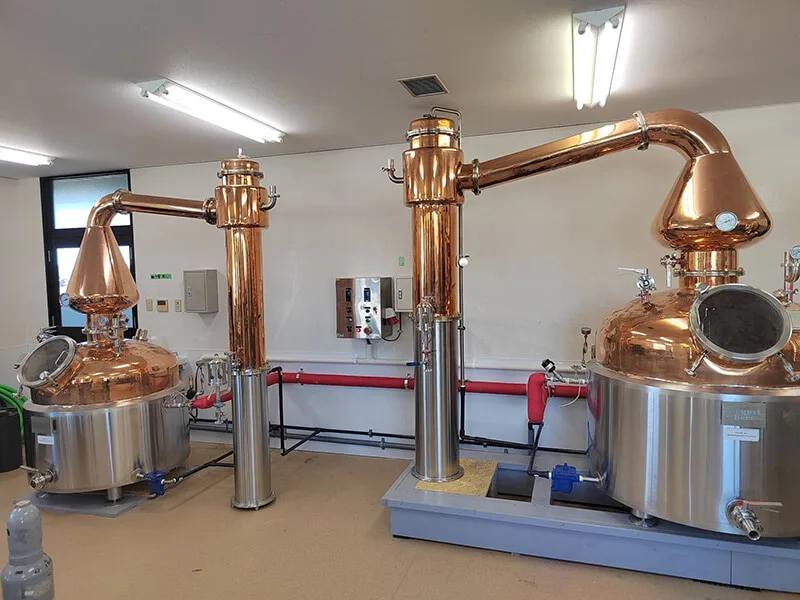
3.3 Industrial Distillation Systems
- Use CIP (Clean-in-Place) systems for pipelines and condensers
- Apply acid cleaning agents with corrosion inhibitors
- Avoid abrasive tools on stainless steel surfaces
- Replace seals and gaskets every 6–12 months
4. Common Cleaning Mistakes to Avoid
Avoid these frequent errors:
- Using incompatible cleaning chemicals
- Insufficient soaking time
- Relying only on chemical cleaning without brushing
- Incomplete rinsing
- Improper high-temperature cleaning
- Skipping drying before reassembly
- Cleaning only when problems occur
5. Maintenance Tips to Extend Equipment Lifespan
- Routine Inspection: Check for cracks, corrosion, or worn seals
- Proper Storage: Keep equipment dry, clean, and protected
- Correct Operation: Avoid overfilling and uneven heating
- Regular Calibration: Ensure temperature and pressure accuracy
Abschließende Überlegungen
Cleaning is not optional—it is essential for ensuring distillation efficiency, product purity, and equipment longevity.
By adopting a simple routine—quick cleaning after each use and regular deep cleaning—you can prevent most issues before they arise, saving both time and maintenance costs.
Whether for home, laboratory, or industrial use, the right cleaning strategy will keep your distillation system running at peak performance.
👉 Kontaktieren Sie uns heute for a custom brewhouse system design tailored to your production goals, budget, and future expansion plans.