Ale beer is one of the most popular styles in the craft beer world, loved for its rich flavors, diverse styles, and relatively flexible brewing process.
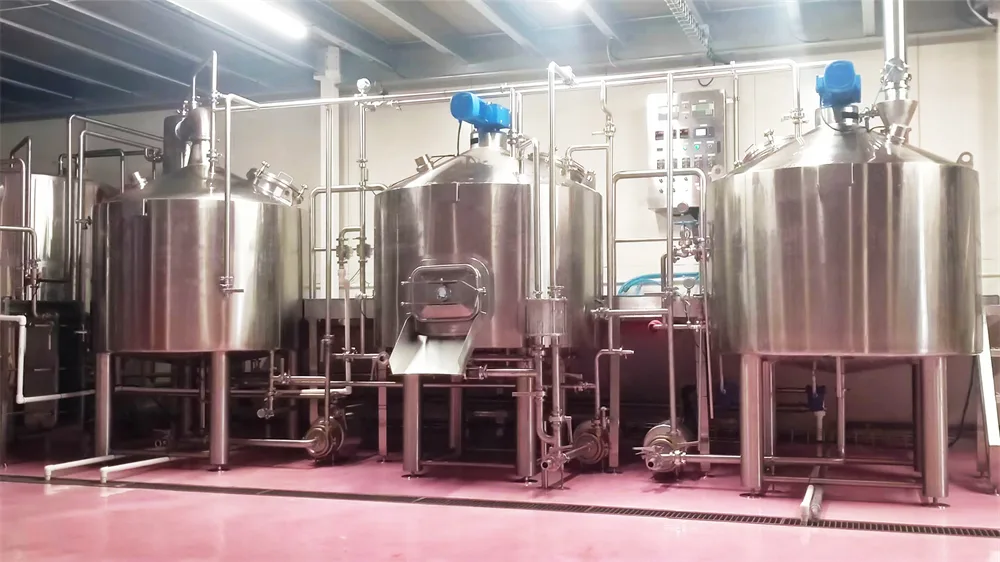
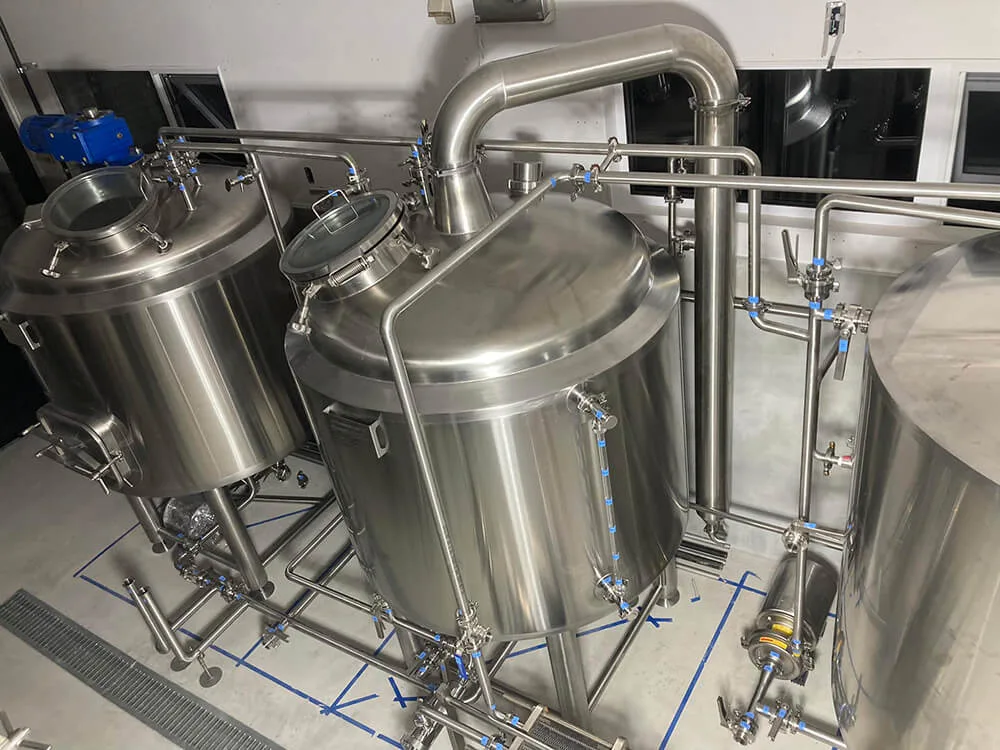
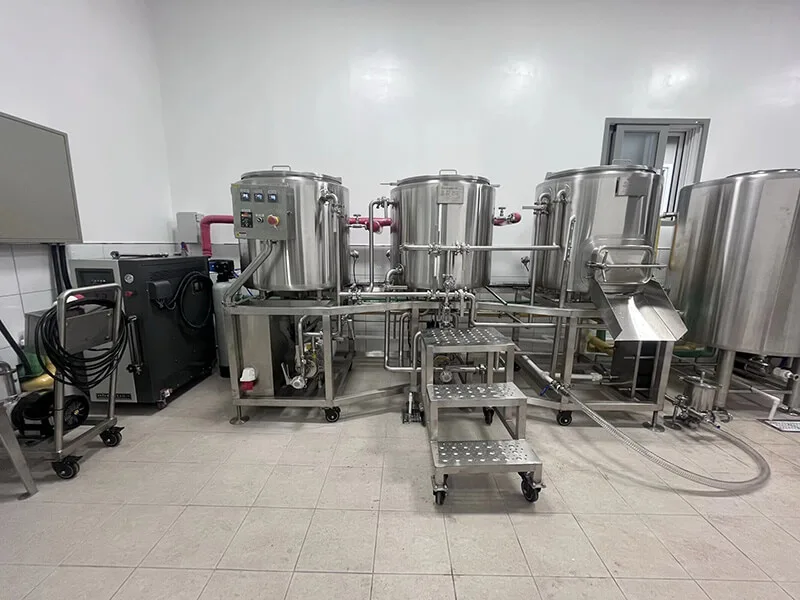
When brewing ale beer using a 100-liter craft brewery system, selecting the right materials is essential to ensure stable quality, clear flavor expression, and smooth production.
Below is a complete overview of the raw materials, auxiliary ingredients, and supporting supplies required for brewing ale beer on a 100L system.
I. Core Brewing Ingredients
1. Malt (Primary Source of Fermentable Sugars)
Malt Selection
- Base Malts
- Pale Ale Malt (most common)
- Provides fermentable sugars, malt backbone, and light biscuit aroma
- Specialty Malts (Optional, Style-Dependent)
- Caramel / Crystal Malt
- Enhances body, sweetness, caramel flavor, and color
- Roasted Malts (Chocolate malt, Black malt)
- Used for dark ales such as Porter or Stout
- Adds coffee, cocoa, and roasted notes
- Caramel / Crystal Malt
Recommended Quantity
- Total malt: 20–25 kg per 100 L batch
- Target original gravity: approx. 12°P (1.048 OG)
- Specialty malt ratio depends on beer style
- IPA: lower crystal malt
- Amber / Brown Ale: higher crystal malt percentage
2. Hops (Bitterness, Aroma, and Flavor)
Hop Types
- Bittering Hops
- Cascade, Chinook, Magnum
- Balance malt sweetness with bitterness
- Aroma & Flavor Hops
- Citra, Mosaic, Amarillo
- Provide citrus, tropical fruit, floral, or pine aromas
Hop Additions
- Early boil addition (60 minutes)
- Extracts alpha acids for bitterness
- Late boil or whirlpool (15–0 minutes)
- Preserves volatile aroma compounds
Reference Dosage
- Total hops: 100–200 g per 100 L
- Adjust according to target IBU level and beer style
3. Yeast (The Heart of Fermentation)
Ale Yeast Options
- S-04 (English Ale Yeast)
- Produces mild fruity esters and a rounded mouthfeel
- US-05 (American Ale Yeast)
- Clean fermentation, ideal for pale ales and IPAs
- Belgian Ale Yeast (e.g. WLP550)
- Produces spicy, phenolic, and complex aromas
Yeast Pitching Rate
- Dry yeast: 50–100 g per 100 L
- Liquid yeast:
- Requires proper cell count calculation and yeast propagation
Fermentation Temperature
- Typical range: 18–22°C
4. Brewing Water (Often Overlooked but Critical)
Water Quality Requirements
- pH: 5.2–5.8 (optimal for enzyme activity and yeast health)
- Key minerals:
- Calcium: 50–150 ppm
- Magnesium: 10–30 ppm
Water Treatment
- Reverse osmosis (RO) water with mineral adjustment
- Additives:
- Calcium sulfate (Gypsum)
- Calcium chloride
Proper water chemistry significantly affects mouthfeel, bitterness perception, and fermentation performance.
II. Auxiliary Brewing Materials
1. Mash Aids (Optional)
- Enzymes (α-amylase, β-glucanase)
- Useful if malt enzymatic power is insufficient
- Acid Adjusters
- Lactic acid or phosphoric acid for mash pH correction
2. Clarifying Agents (Optional)
- Irish Moss
- Added during the last 15 minutes of boiling
- Helps protein coagulation and wort clarity
- Silica Gel / PVPP
- Used post-fermentation to speed up clarification
3. Cleaning & Sanitizing Chemicals
- Sanitizers
- Peracetic acid or iodine-based sanitizer
- Cleaning Agents
- Non-residue alkaline cleaners for brewhouse and piping systems
Strict sanitation is critical for preventing contamination and ensuring consistent beer quality.
III. Equipment-Related Consumables
1. Brewhouse Accessories
- Malt mill (recommended coarse-to-fine ratio approx. 70:30)
- Lauter screen or filter bag
- Thermometer and pH meter
- Mash temperature range: 65–72°C
2. Fermentation System Accessories
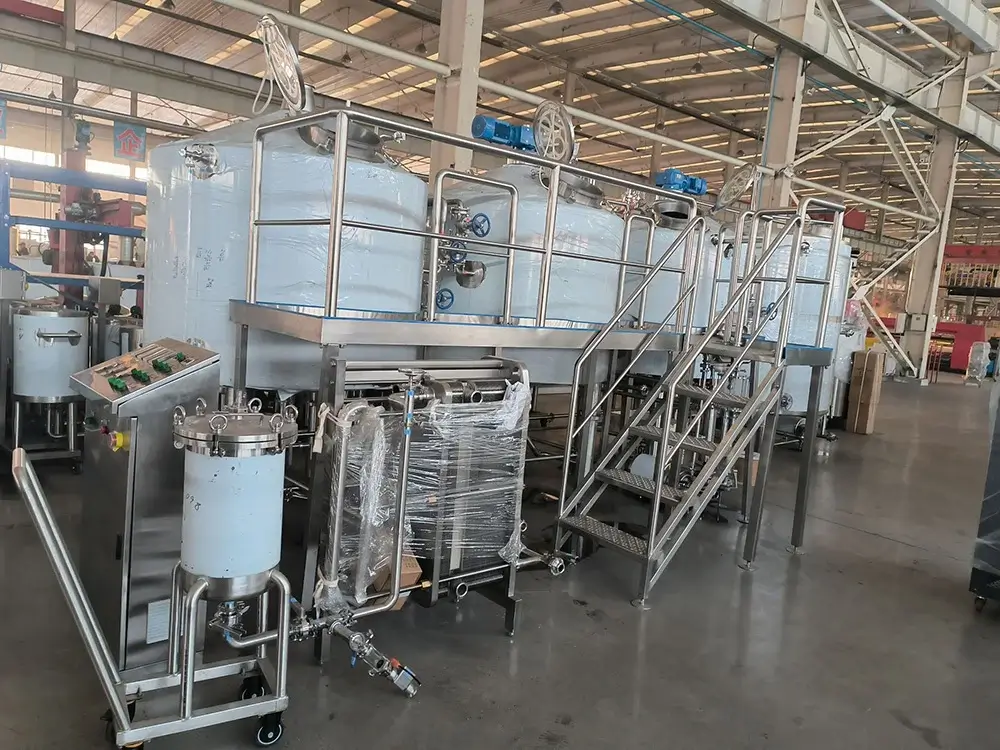
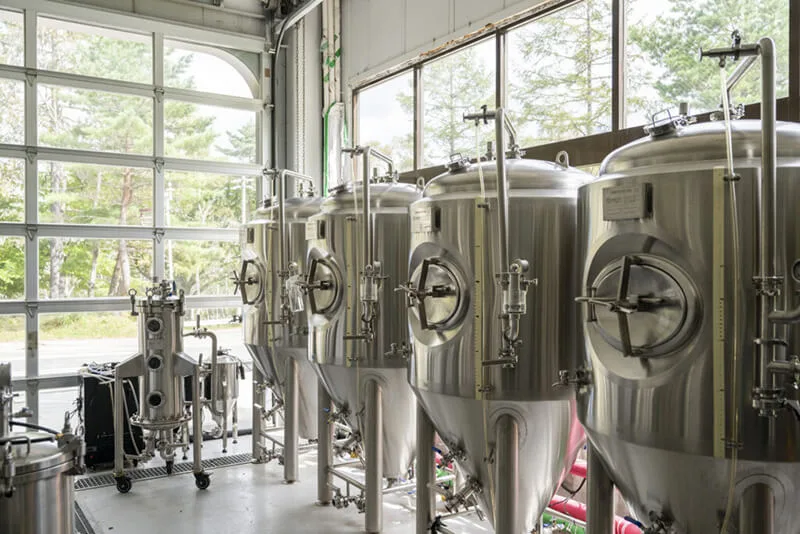
- Fermentation tank: 100–150 L, stainless steel preferred
- Airlock or pressure valve
- Temperature control system (PID controller, cooling jacket, or heating belt)
- Yeast nutrients (optional)
3. Packaging Materials
- Bottling
- Glass bottles, crown caps, capper
- Kegging
- Stainless steel or PET kegs
- CO₂ cylinder and regulator
IV. Sample Ale Recipe for a 100L System
| Ingredient | Quantity | Function |
|---|---|---|
| Pale Ale Malt | 22 kg | Base fermentable sugars and malt aroma |
| Cascade Hops (60 min) | 80 g | Bitterness |
| Citra Hops (15 min) | 40 g | Citrus and tropical aroma |
| US-05 Dry Yeast | 80 g | Clean ale fermentation |
| 酿造水 | 100 L | Wort extraction and mineral balance |
V. Key Brewing Process Steps
- Mashing
- 65°C for 60 minutes
- Converts starch into fermentable sugars
- Boiling
- 100°C for 60–90 minutes
- Sterilization and hop utilization
- Wort Cooling
- Rapid cooling to below 20°C to prevent contamination
- 发酵
- Primary fermentation: 7–10 days
- Cold conditioning: 0–4°C for 3–5 days
- 包装
- Minimize oxygen exposure to prevent oxidation
Industry Outlook
With new craft beer standards and regulations expected to be introduced and aligned with European and North American markets, small-scale craft breweries will soon gain stronger legal and commercial footing. This shift represents a major opportunity for the healthy growth of the craft beer industry.
关于梅托
Meto is a professional fermentation equipment manufacturer integrating R&D, production, sales, and engineering services.
Headquartered in Jinan, China, Meto provides turnkey solutions for:
- Craft beer
- Fruit wine
- Grape wine
- Distilled spirits
- Kombucha and other fermented beverages
Our services include project consulting, process design, equipment manufacturing, installation, training, and after-sales support.
Meto equipment has been successfully exported to the USA, Canada, Germany, Brazil, Australia, Northern Europe, Africa, and South America.
If you have any questions about brewing processes or brewery equipment, feel free to 联系我们 — we are always happy to support your project.