In today’s rapidly evolving beverage industry, consumer expectations have moved far beyond simple hydration. The modern drinker is on a quest for a refined experience—healthier options, unique flavors, and a silky-smooth mouthfeel. From the staple cold brew in specialty cafés to craft beers with delicate tea notes, the “low-and-slow” extraction trend is sweeping the globe.
Behind this movement lies an efficient, reliable hero: the commercial cold brew system. For beverage producers and brand operators, understanding how to select, operate, and maintain this system is the key to a product’s market competitiveness. This guide offers a deep dive into the system’s critical role in the brewing process and a practical roadmap for implementation.
What is a Commercial Cold Brew System?
A commercial cold brew system is an industrial-scale combination of equipment and processes centered on low-temperature, extended-duration extraction. Unlike simple immersion in a glass jar at home, commercial systems are engineered for mass production, featuring large-capacity processing, advanced automation, and strict, food-grade safety standards.
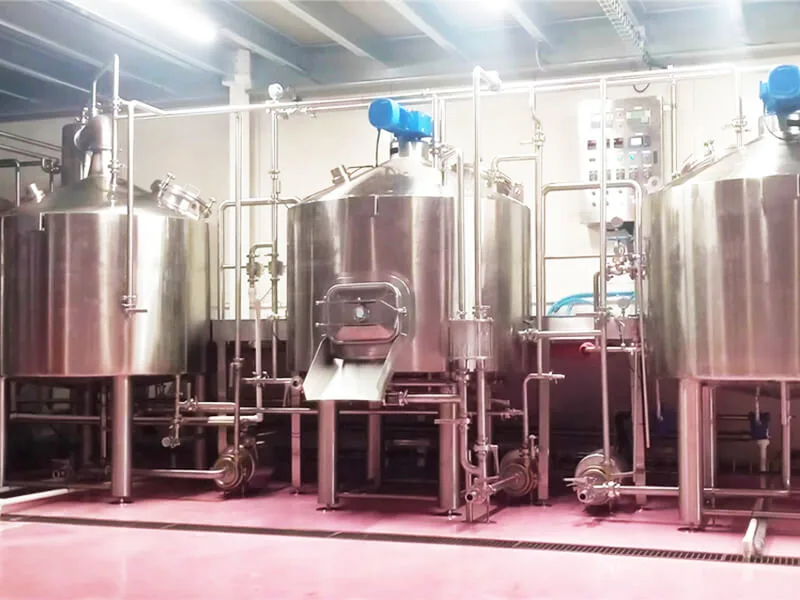
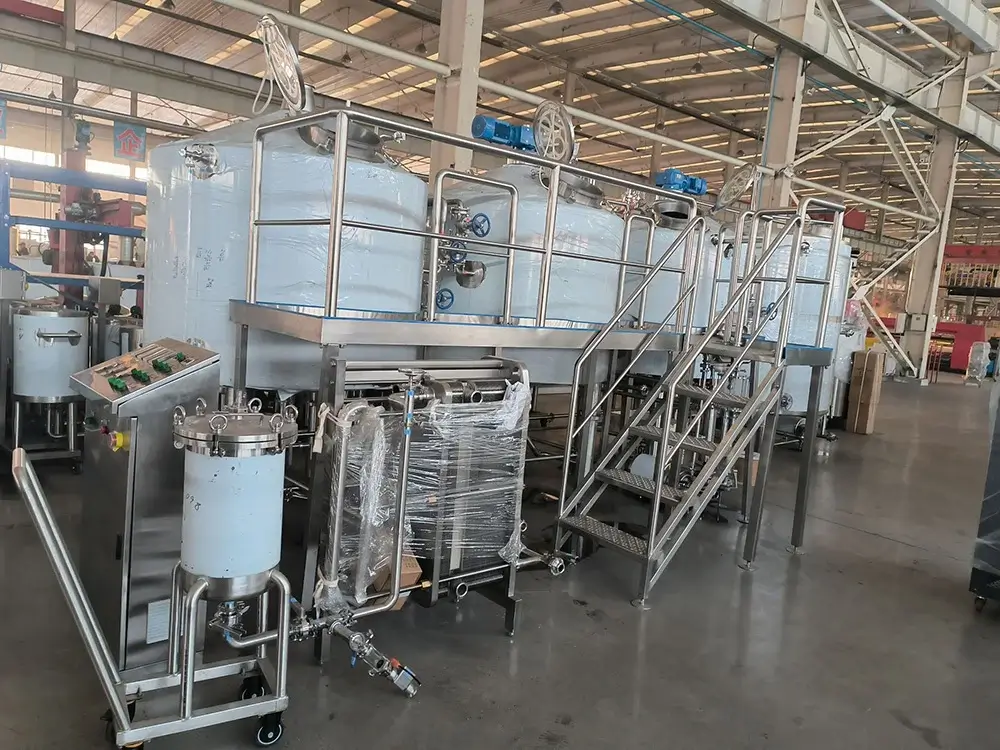
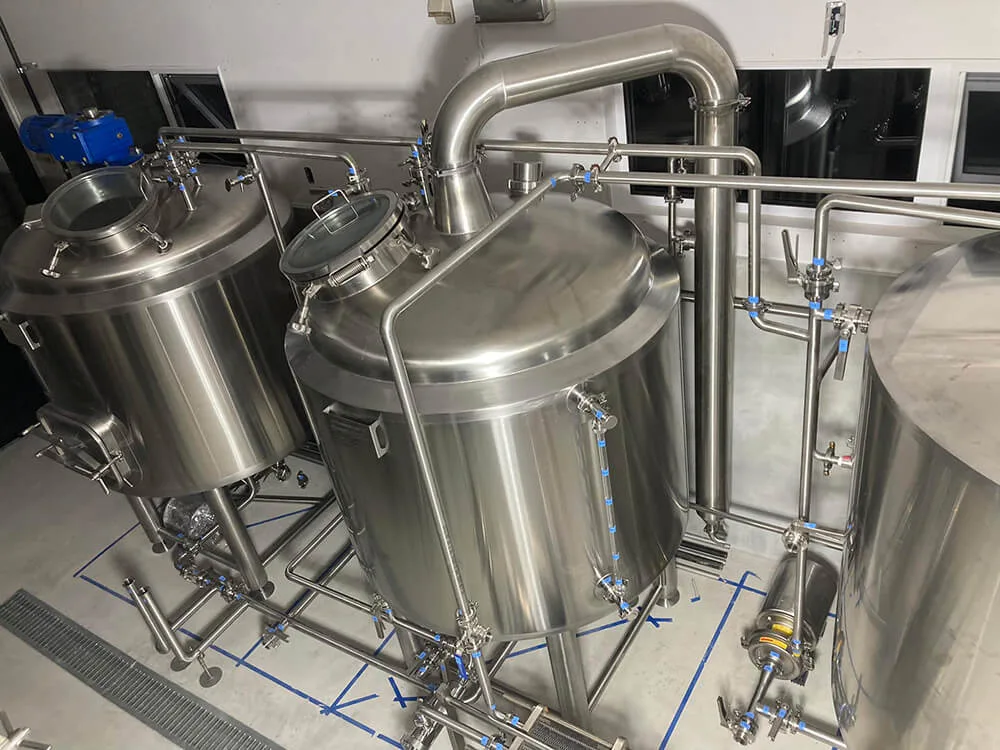
A typical system consists of extraction tanks, circulation pumps, filtration units, a precision temperature control module, and a Clean-in-Place (CIP) system. Whether you’re working with coffee, tea, or botanicals, this setup operates in a sealed, low-temperature environment, allowing the active ingredients and natural flavors of raw materials to be released steadily. This process avoids the astringency and bitterness often created by high-temperature extraction.
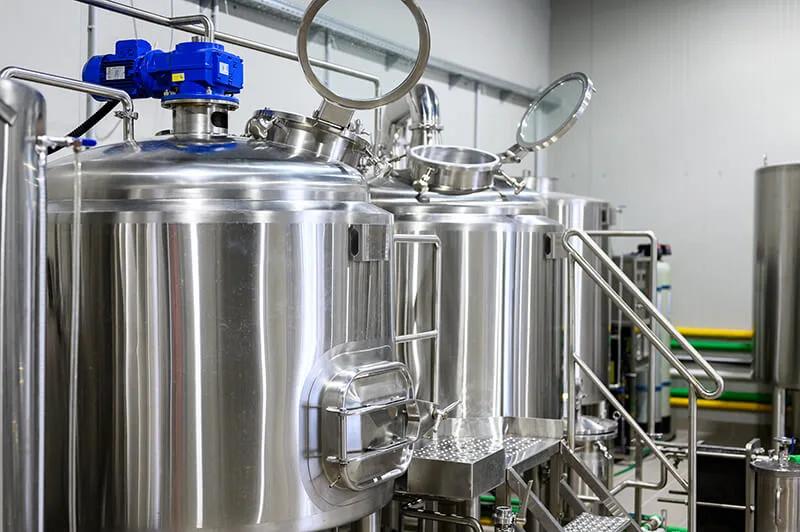
The core technical specifications of a typical commercial cold brew tank include:
- Tank Material: SUS304 stainless steel, 3.0mm thickness.
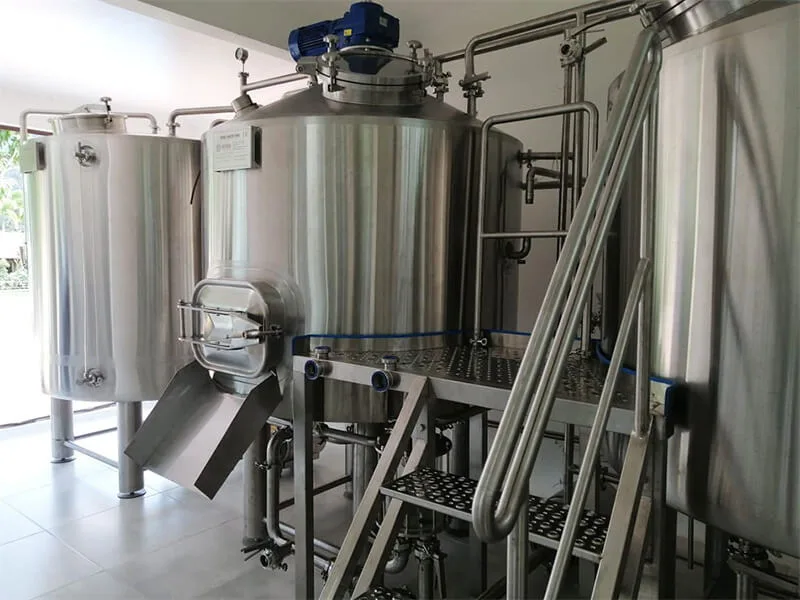
- Manways: A top manhole (300*400) and a larger side manhole (330*430) equipped with a φ89 sight glass for easy spent-grain discharge and visual monitoring.
- Agitation: A frame stirring motor (1.5KW, variable frequency) with a rake system to ensure coffee grounds and water are thoroughly and evenly mixed.
- 温度控制: A segmented cooling and heating jacket. The cylindrical body utilizes ice water for cooling, while the lower cone can use hot water for process flexibility.
- Ports: A self-sealing yeast addition port on top for microbial injection.
- Cooling Medium: Glycol water or alcohol water.
- Cleaning: A 360° rotating CIP cleaning ball and a stainless steel ventilation ring pipe fixed at the tank’s bottom.
- 设计特点: The material outlet pipe is tilted downward by 10°.
- Testing: ISO standard jacket leakage testing via water pressure and pressurized gas.
The Core Role of a Cold Brew System in Production
A cold brew system is far more than just a large soaking tank. It serves a dual role as a flavor optimizer and a catalyst for process innovation.
1. Ultimate Flavor Optimization
Low-temperature extraction is the soul of the system. At cooler temperatures, the release of tannins and caffeine from coffee or tea slows down dramatically, significantly reducing the perceived acidity and bitterness common in hot extraction. Instead, the raw material’s natural sweetness, nutty notes, and floral or fruity aromas are maximized. In the context of craft beer or cider, a cold brew system can steep coffee, tea, or spices directly in the base liquid, adding rich layers of complexity and a smooth, balanced mouthfeel.
2. Driving Process Innovation
As the market hungers for differentiated products, a cold brew system offers a world of creative possibility. A craft brewery can use it to produce a unique “Coffee Stout” or a “Cold-Brew Tea Ale.” A tea brand can leverage it for cross-category innovation with fruit juices or dairy, developing entirely new Ready-to-Drink (RTD) products. This technology is no longer limited to single beverages but acts as a powerful complement to traditional brewing methods, constantly giving rise to new categories.
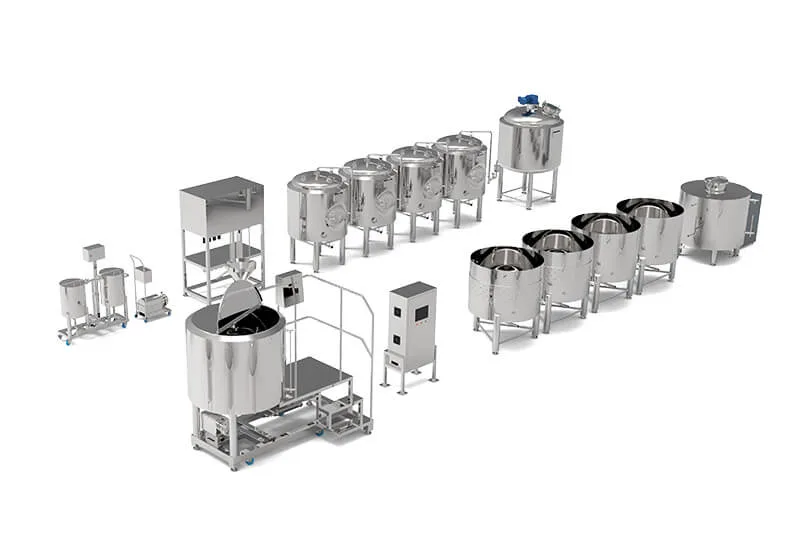
Why a Dedicated Cold Brew System Matters
The following comparison illustrates the difference a specialized cold brew system makes compared to traditional equipment, especially in winemaking:
| 方面 | Traditional Winemaking Equipment | Cold Brew System in Winemaking |
|---|---|---|
| 温度控制 | Often includes heating, less precise cooling | Highly precise low-temperature extraction |
| 风味简介 | May lose delicate aromas to heat | Retains delicate, floral, fruity notes |
| Tannin Extraction | Can be aggressive | More controlled, gentler tannins |
| Infusion Options | Limited, often involves heat | Ideal for delicate infusions |
| Energy Usage | Higher with heating | Lower due to ambient or refrigerated temps |
| Novelty Appeal | Traditional, expected | Trendy, unique, marketable |
| Time to Extract | Faster due to heat | Slower but more controlled |
| 维护 | 中度 | High sanitation required, fewer moving parts |
Non-Negotiables: Food Safety, Consistency, and Cleanliness
In commercial production, great taste is the baseline; safety and consistency are the lifeline. This is the critical distinction between a commercial system and DIY brewing.
1. Food Safety is the Bottom Line
Cold brew beverages, due to their lower acidity and lack of high-temperature pasteurization, are highly susceptible to microbial spoilage if mishandled. A commercial system physically mitigates this risk through a fully sealed design and a low-temperature environment, typically maintained below 5°C (41°F) with a glycol chiller, which inhibits bacterial and yeast activity. Furthermore, systems with multi-stage filtration (from coarse to micron-level fine filtration) not only clarify the liquid but also remove potential impurities.
2. Process Consistency and Automation
To guarantee identical flavor profiles across every batch, modern cold brew systems rely heavily on automation. Through a PLC (Programmable Logic Controller), brewers can precisely set and log extraction temperature, time, and flow rate. This standardized operation eliminates the uncertainty of manual intervention, allowing mass production to achieve a handcrafted, artisanal quality.
3. The Vital Role of the CIP System
There’s a saying in the industry: “Brewing is cleaning.” A fully integrated Clean-in-Place (CIP) system is essential. Without disassembling the equipment, it can execute a pre-programmed cycle of hot water, acid, and alkaline cleaning solutions to automatically clean and sanitize tanks, pipes, and valves—reaching every corner. This not only saves significant labor but is an absolute defense against cross-batch contamination.
Practical Purchasing Guide: How to Select the Right Equipment
Faced with a wide market, how do you choose a system that fits your production needs and offers long-term value? Here are your core selection criteria:
1. Performance Parameters: Capacity and Precision Temperature Control
The first rule is to right-size your equipment. Define your daily processing volume based on peak orders to determine the required tank capacity. The heart of cold brew is “cold.” A high-quality system should feature an efficient refrigeration unit capable of precisely maintaining extraction temperatures between 4-12°C (39-54°F), with an ideal accuracy of ±0.5°C, to inhibit microbial growth and stabilize flavor.
2. Material and Hygiene Standards: The Uncompromising Line of Defense
All components in contact with liquid (tanks, pipes, valves, pumps) must be made of high-quality, food-grade stainless steel like SUS304 or, for superior corrosion resistance, SUS316L. This prevents raw materials from corroding the equipment or causing metallic off-flavors. Equally important, strongly favor systems with an integrated CIP system—it’s non-negotiable for preventing cross-contamination.
3. Extraction Efficiency and Flavor Retention
If you seek the ultimate flavor and have ample time, a static immersion tank is simpler and more cost-effective. If you need high efficiency and batch-to-batch consistency, a dynamic extraction system with a circulation pump is the better choice. Pay close attention to filtration capabilities; a superior setup includes multi-stage filtration (e.g., coarse plus micron-level fine filtration) or even a membrane filtration system to yield the clearest, purest flavor.
4. Intelligent Control and Total Cost of Ownership
Prioritize equipment with a reputable PLC brand and a user-friendly touch-screen interface to ensure consistent, repeatable batches. When budgeting, do not focus on the initial purchase price alone. High-quality components like compressors and pumps from leading brands may cost more upfront but offer lower failure rates and better energy efficiency, saving significant money on electricity and repairs over the equipment’s lifetime.
Extending Equipment Life: A Daily Maintenance Guide
Proper care is essential to protect your investment and avoid the ruin of an entire batch. Follow this essential maintenance guide:
1. Daily Cleaning & Hygiene (After Every Batch)
Immediately after extraction, dismantle all removable parts (filters, gaskets, valves). Rinse them thoroughly with room-temperature water to remove all coffee grounds or tea leaves. Use warm soapy water and a soft brush to clean the extraction tank body—never use steel wool or abrasive pads that would scratch the stainless steel interior. After cleaning, lay all parts out in a well-ventilated area to air-dry completely.
2. Refrigeration & Temperature Control System (Monthly/Quarterly Focus)
The chiller is the heart of your system. For air-cooled chillers, inspect the condenser fins monthly for dust and debris, cleaning them with compressed air or a soft brush. For water-cooled systems, regularly check the cooling water’s pH and hardness and add corrosion and scale inhibitors as needed. Develop a habit of listening for and looking for any abnormal noises or vibrations from the compressor and pumps.
3. Filtration & Piping System (Scheduled Deep Maintenance)
Regularly inspect filter screens for wear or damage. Metal screens can be back-flushed and reused, but micron-level filter cartridges are consumables that must be replaced according to a schedule based on usage. Even with daily rinsing, mineral buildup can occur inside pipes. Schedule a periodic (e.g., quarterly) deep-clean cycle with the CIP system using a food-grade acidic cleaning solution, followed by a thorough fresh-water flush.
4. Intelligent Monitoring & Data Logging
If your system has PLC automation, use it to enhance your maintenance. Periodically verify the accuracy of the temperature and pressure sensors. Make a habit of reviewing the unit’s operational logs. By tracking data like compressor cycle frequency and power consumption, you can identify performance degradation early and resolve potential failures before they happen.
结论
A commercial cold brew system is more than just a tool; it’s the foundational support for modern brewing’s move towards standardization, safety, and innovation. From mastering its core functions to making a precise equipment selection and executing a disciplined maintenance routine, every step reflects a supreme commitment to quality.
If you are planning to develop a unique cold brew product, we hope this guide serves as a powerful resource. By focusing on these details, you ensure your excellent equipment consistently produces excellent flavor, helping you build a standout product in a competitive market.
立即联系我们 to discover how our brewery equipment and commercial craft brewing equipment can power your next brewery.