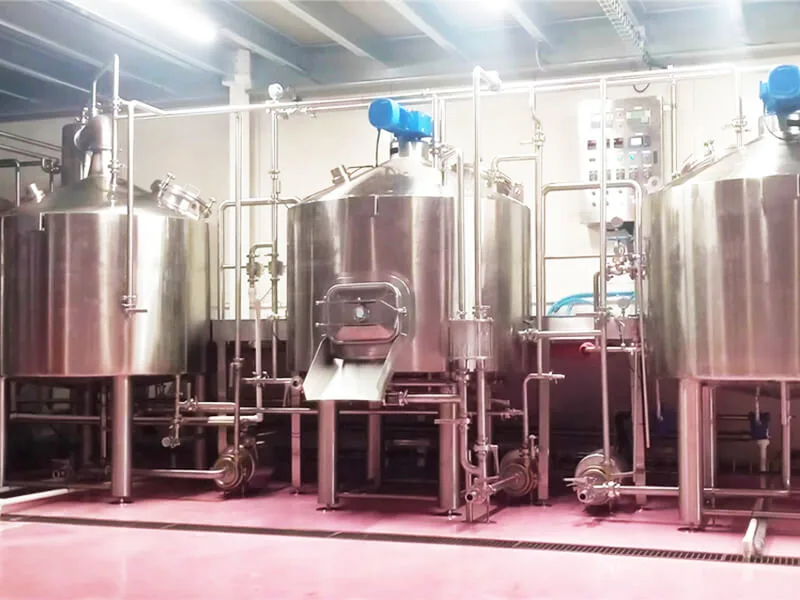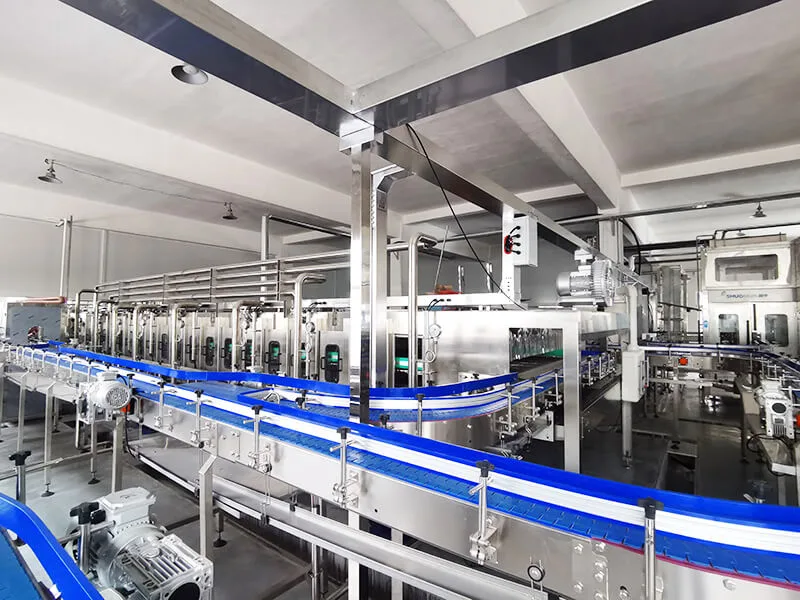
In the competitive brewing industry, the journey from fermentation tank to a perfectly sealed bottle relies entirely on the precision of the beer filling production line. It is the final, critical gateway between your craftsmanship and the consumer. An optimized line doesn’t just fill containers; it safeguards flavor, extends shelf life, and ensures operational efficiency. This guide breaks down the essential processes, technological advantages, and strategic considerations for selecting the right beer filling equipment for your brewery.
The Critical Role of Beer Filling Equipment in Quality Assurance
The primary function of modern beer filling equipment goes far beyond simple liquid transfer. It acts as a guardian of your beer’s integrity, managing the delicate balance required to deliver a fresh, great-tasting product.
Maintaining Freshness Through Oxygen Control
Freshness is a fragile state, easily compromised by oxygen exposure, temperature fluctuations, and carbonation loss. Advanced beer filling machines are engineered to minimize air contact during the fill. This critical barrier against oxidation prevents flavor degradation, ensuring the beer tastes as the brewer intended from the first sip to the last.
Preserving Taste with Precision Filling
Consistency is key to brand reputation. Automatic beer filling machinery uses sophisticated technology to guarantee precise fill levels in every single bottle or can. This accuracy prevents both underfilling—which leads to consumer complaints—and overfilling, which results in product waste and downtime on the sealing line. The result is a consistently high-quality taste profile.
Ensuring Longevity with Immediate Sealing and Inspection
The moment a container is filled, it becomes a race against contamination. High-performance sealing machines immediately secure the closure through controlled mechanical compression. Beyond sealing, the line is integrated with a multi-stage detection system. This rigorous quality checkpoint conducts real-time inspections for appearance, liquid level, and internal pressure to guarantee that every unit leaving the line is 100% market-ready and meets hygienic standards.
The Automated Beer Filling Process: From Sake to Shipment
The transformation of clear sake into a shelf-ready product is an orchestrated sequence of automated stages. Each step is designed to maintain the beer’s purity and quality without manual intervention.
Conveying and Preparation
The process begins with clarified beer resting in storage tanks. The conveying system acts as the production line’s backbone, transferring liquid with high precision and stability. This ensures a steady, controlled flow into the filler without agitation.
Filling: A Fusion of Technology and Art
When the beer enters the filling station, it undergoes a precisely controlled injection. The filler automatically adjusts liquid levels, controls foam generation, and monitors fill quality at a constant speed and volume. Simultaneously, empty bottles undergo high-pressure washing and sterilization via steam or UV light, preparing them for the perfect fill.
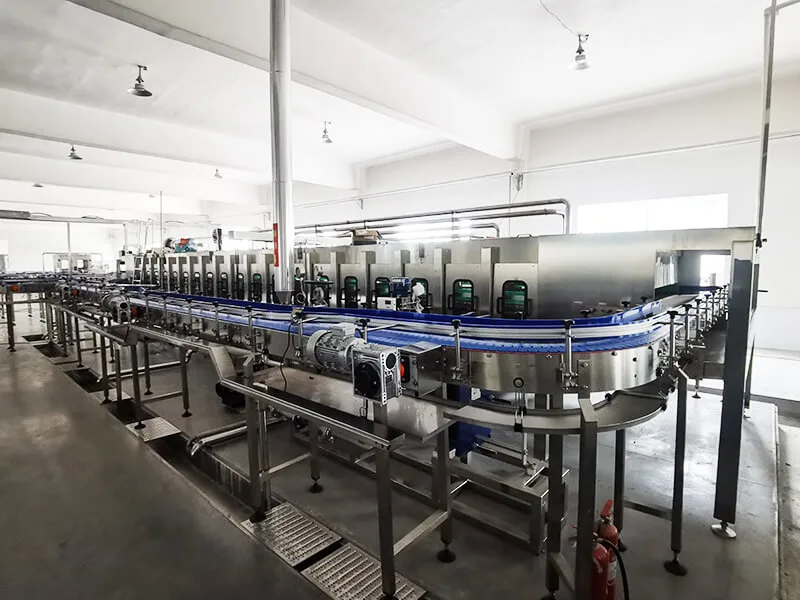
Sealing, Testing, and End-of-Line Packaging
Immediately after filling, containers are sealed via mechanical compression to prevent air ingress. An advanced detection system then conducts strict inspections, including appearance, liquid level, and air pressure checks. Qualified products are then transported to the packaging area for cartoning and palletizing, ready for efficient shipment to the market.
Key Advantages of Using Automated Beer Filling Equipment
Investing in high-quality filling machinery is a strategic decision that directly impacts your bottom line. The benefits extend from the factory floor to the final consumer.
- Scalability and Upgradeability: As your brewery grows, your equipment should adapt. Modular automatic filling equipment allows you to increase the number of filling heads to meet rising demand.
- User-Friendly Operation: Modern machines feature intuitive interfaces and touch-screen controls, making operation reliable and minimizing the learning curve for staff.
- Enhanced Production Efficiency: Transitioning from manual or semi-automatic systems to full automation drastically reduces packaging time, labor costs, and human error, significantly boosting output.
- Consistent Quality and Reduced Waste: Filling machinery delivers quantitative, stable packaging. This eliminates the uneven quantities and spillage common with manual filling, maximizing yield.
How to Choose Suitable Beer Filling Equipment: A Buyer’s Checklist
Selecting the right machinery requires a thorough evaluation of your specific needs. Use this checklist to make an informed investment.
- Production Scale: Define your required filling capacity per hour and the types of containers you use (bottles, cans, or kegs).
- Filling Technology: Select a method that protects your product. For oxygen-sensitive beers, vacuum or pressure filling is superior to simple gravity filling.
- Automation Level: Balance your budget against long-term labor savings. A fully automatic line offers higher ROI for growing operations.
- Hygiene and Material Standards: Equipment must be constructed of corrosion-resistant, food-grade stainless steel and designed for easy disassembly and cleaning to prevent cross-contamination.
- Maintenance and Supplier Support: Prioritize equipment with readily available spare parts. Partner with a reputable supplier who offers installation, operator training, and responsive after-sales service to minimize downtime.
Installation and Maintenance Best Practices
The longevity and performance of your filling line depend on proper setup and ongoing care.
- Installation: Professional installation is mandatory for complex automatic machines. Work directly with your supplier to ensure a precise setup and proper calibration.
- Training: Even user-friendly machinery requires operator training. Proper instruction ensures efficient operation, peak output speeds, and minimal errors from day one.
- Maintenance: Implement a proactive maintenance schedule based on the equipment manual. Routine cleaning, lubrication, and timely parts replacement are essential to prevent breakdowns and maintain sanitary conditions.
结论
A modern beer filling line is an indispensable asset that delivers high-quality beer with efficiency and precision. By integrating advanced oxygen control, accurate metering, and robust automation, breweries can confidently scale production while preserving the unique character of their craft. As technology continues to evolve, these systems will remain the driving force behind innovation in the beer industry.
您可以 告诉我们 您对啤酒厂的要求,我们将在 24 小时内为您提供交钥匙解决方案。