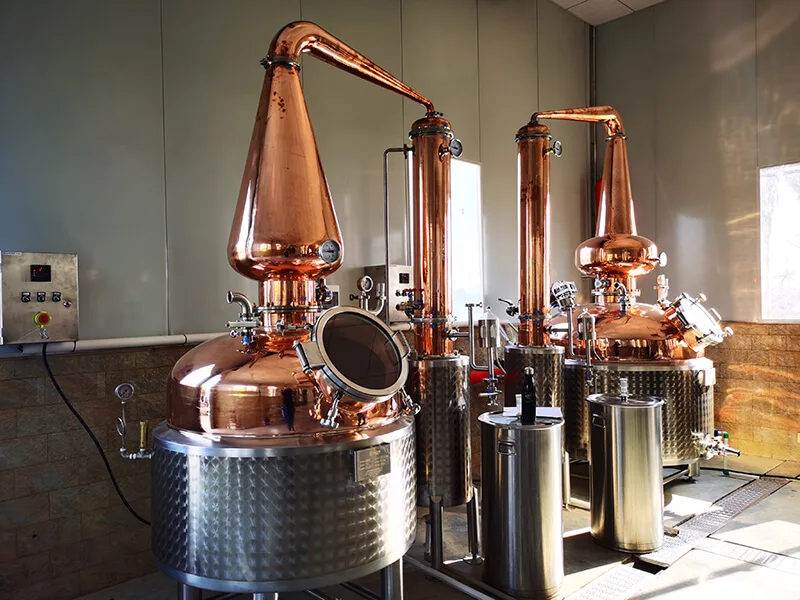
In the hills outside Kunming, Yunnan, the Changzi River Distillery is quietly making some of China’s most distinctive single malt whisky. Operating with a boutique 500-liter copper pot still, this craft producer is redefining spirits with a philosophy that champions the small, the handcrafted, and the beautiful.
Unlike the cold efficiency of large-scale industrial production, this distillery has chosen a more challenging but soulful path: all-copper pot still distillation. Today, let’s step inside this mountain-hidden distillery and see how a single grain of local Yunnan barley makes its magnificent journey from field to glass.
Part 1: Small Scale, Big Ambition – Why 500 Liters?
In the world of whiskey, size equals character. Changzi River’s choice of a 500-liter small pot still is no accident – it’s a carefully designed flavor experiment.
Concentrated Flavors
A smaller still means a larger contact area between the liquid and copper. During distillation, the copper acts like a skilled sculptor – removing unwanted impurities (like sulfur compounds) while skillfully preserving the flavor compounds that give whiskey its soul: esters bring fruity notes, aldehydes add complexity, and higher alcohols contribute an oily texture. This produces new make spirit that is richer, more complex, and full of character.
A Flexible Test Field
The 500-liter size gives the distiller plenty of creative freedom. Whether experimenting with local Yunnan highland barley or adjusting fermentation time from 72 to 120 hours, they can quickly test and refine their process. This small-batch flexibility allows the distillery to constantly explore flavor boundaries and create a unique “distillery character.”
The Magic of Copper
The entire distillation system is made of TP2 high-purity copper. Copper is not just a container during distillation – it’s a catalyst. It reacts with sulfur compounds in the liquid, removing unpleasant “rubber” notes while catalyzing the formation of new ester aromas. An all-copper pot still is like giving the new make spirit an elegant “detox treatment.”
Part 2: The Brewing System – Building the Flavor Foundation
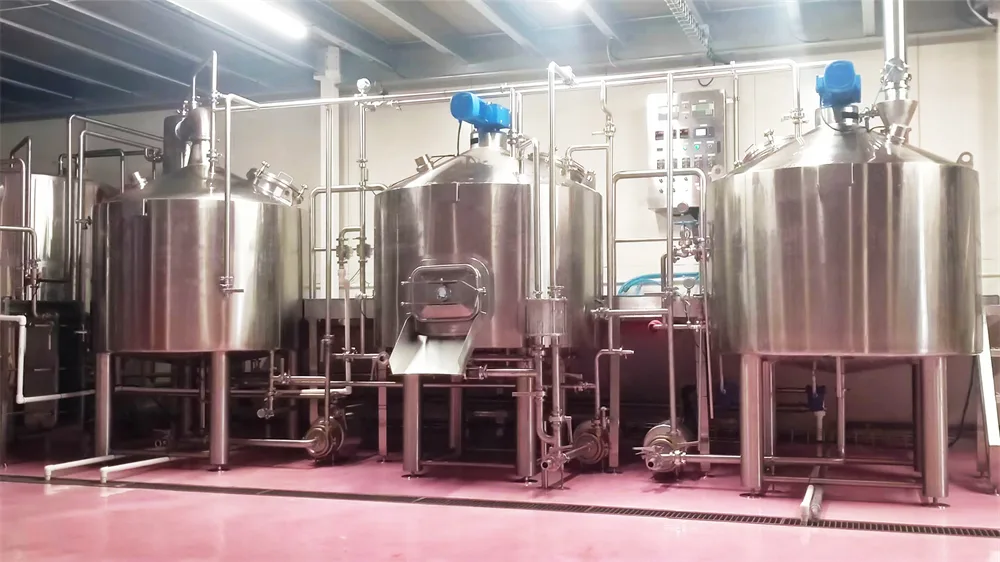
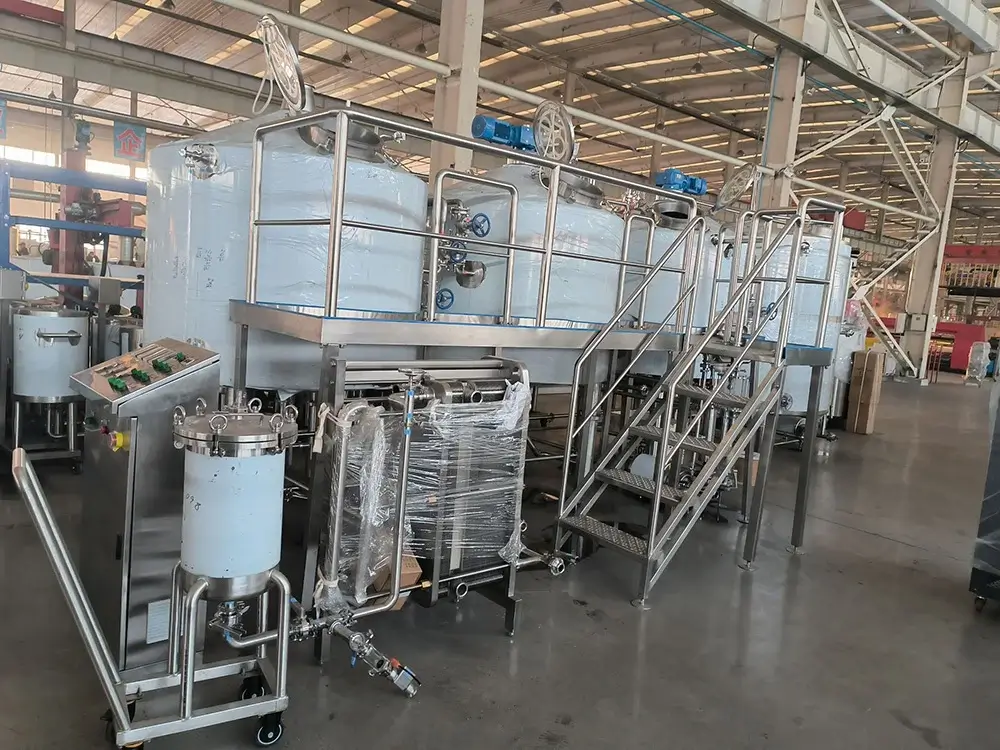
Before the liquid enters the copper still, the flavor groundwork has already begun. The brewing system is the front-end of distillation, transforming grain into a stable, flavor-rich fermented liquid.
1. Grain Handling and Mashing: A Precise Start
The milling process uses a dual-roller mill. The beauty of this equipment: it releases starch while keeping the husks intact. These intact husks later form a natural filter bed during lautering – like the filter paper in a pour-over coffee maker – ensuring clear, bright wort.
The mashing process uses a single-step infusion method, with temperature precisely controlled between 65-68°C. This temperature range is the “sweet spot” for converting starch into fermentable sugars – too low and conversion is incomplete, too high and enzymes are destroyed. The resulting wort is clear and stable, establishing the foundation for the whiskey’s flavor profile.
2. Fermentation Control: The Gift of Time
Fermentation lasts 48-120 hours – far exceeding the 24-hour standard of industrial rapid fermentation. Why wait so long?
Inside temperature-controlled fermentation tanks in a clean environment, a microscopic feast is taking place. Over up to five days of metabolic activity, the yeast doesn’t just convert sugar to alcohol – it produces hundreds of byproducts: esters contribute fruity notes (think apple, pear), alcohols add texture, and acids provide complex layers. These flavor precursors form the “skeleton” of the new make spirit, directly determining the final product’s complexity and style.
Part 3: The Distillation System – Purification and Concentration in Copper
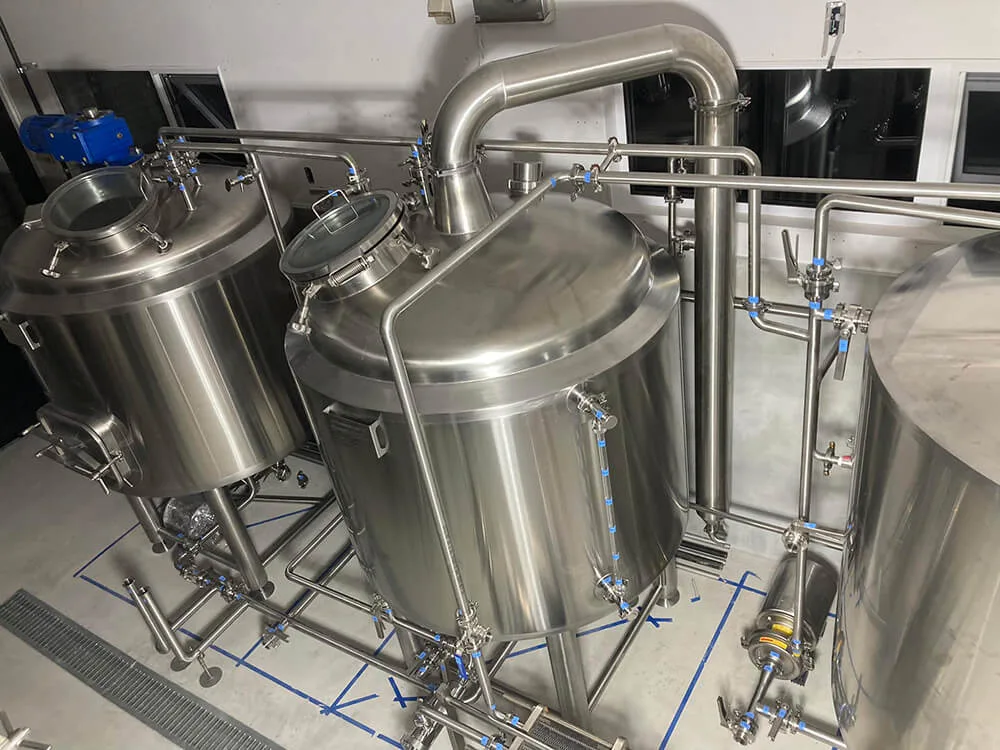
If fermentation is painting, distillation is refining. The distillation system consists of a wash still and a spirit still. The core components – pot, onion head, swan neck, condenser – are all made of TP2 high-purity copper.
1. First Distillation: The First Transformation
The fermented liquid enters the wash still and is heated indirectly until it boils. During this process, alcohol vaporizes first and rises, while solid impurities remain in the pot. The vapor passes through the copper swan neck into the condenser, where it turns back into liquid – this is “low wines” at about 20-30% ABV.
This stage achieves initial alcohol concentration and basic purification. The all-copper contact ensures effective sulfur compound removal, laying the foundation for the next distillation.
2. Spirit Distillation: The Art of the Cut
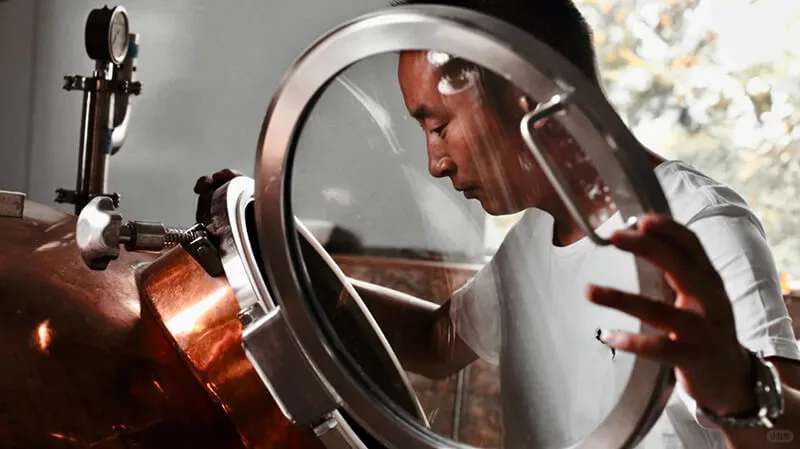
The low wines enter the spirit still for a second heating. Now comes the true test of the distiller’s skill – “making the cut.”
During distillation, the liquid comes off the still in order of boiling point:
- Heads: The first to come out, containing volatile compounds like methanol – these must be discarded.
- Heart: The middle portion, rich in beneficial flavor compounds like esters – this is the only part kept.
- Tails: The last to come out, containing heavy components like fusel oils – these are also discarded.
This “cutting” operation directly determines the quality ceiling of the new make spirit. The distiller relies on experience and smell to switch receiving vessels at exactly the right moment – cut too early and you lose flavor, cut too late and you include impurities. This human-machine interaction gives each batch its unique character.
3. Collection: The Birth of New Make Spirit
The carefully collected “heart” typically has an ABV of 60-70%. At this stage, the new make spirit already has a clear flavor profile – maybe fresh fruit notes, maybe rich malt sweetness, maybe a hint of smoke. It’s like a blank canvas, or a pencil sketch, ready to enter the aging phase and receive the gift of time.
Part 4: Aging Planning – Time Magic in Oak Barrels
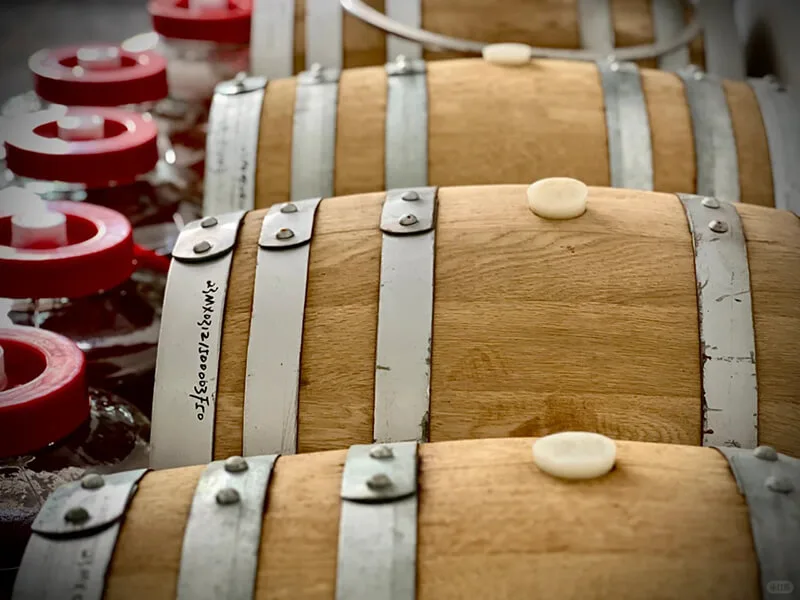
Once the new make spirit goes into oak barrels, the real waiting begins.
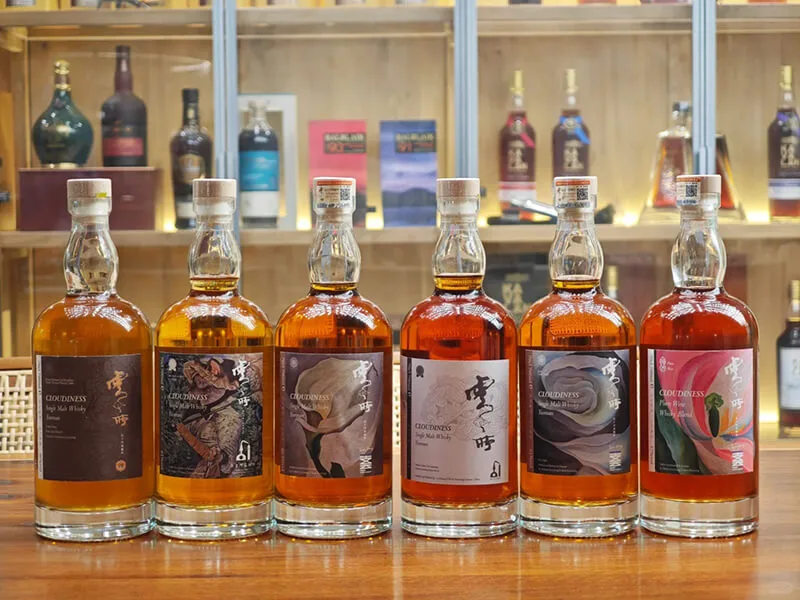
Over the years, the liquid slowly interacts with the wood: extracting color from the oak, transitioning from golden to amber; extracting tannins, making the mouthfeel from sharp to smooth; absorbing complex flavor compounds – vanilla, caramel, spice, smoke…
All of this takes time. Whiskey maturation has no shortcuts – only patient waiting as the liquid slowly “breathes” in the barrel, experiencing expansion and contraction with winter and summer temperature changes, allowing the wood’s pores to open and close, slowly infusing flavor into the spirit.
Part 5: Deep Dive – Why Does Single Malt Whiskey Prefer Pot Still Distillation?
After understanding Changzi River’s complete process, a deeper question emerges: Why do single malt whiskeys around the world almost all choose pot still distillation? Behind this are choices about flavor, law, and craftsmanship.
1. The Core Reason: Flavor Retention and Complexity
This is the most fundamental reason. The soul of single malt whiskey lies in showcasing the characteristics of the barley and the complex aromas produced during fermentation.
Pot still distillation has relatively low separation efficiency (compared to column stills). This means many fermentation byproducts – esters, aldehydes, higher alcohols, phenols – are retained in the liquid. These substances, called “congeners,” are the source of whiskey’s flavor layers.
If you use a column still, alcohol purity can reach over 95%, and almost all the barley flavors and fermentation byproducts are stripped away. The result would be nearly flavorless “neutral spirit” – that’s the base for vodka, not whiskey.
2. Legal and Definition Requirements
In the laws and regulations of the world’s major whiskey regions, the definition of “single malt whiskey” is directly tied to pot still distillation.
Scotch Whiskey Regulations clearly state: Scotch single malt whiskey must be distilled in pot stills. If column stills are used, it can only be called “single grain whiskey.” Other major regions generally follow this traditional standard.
Without using a pot still, legally speaking, it loses the right to be called “single malt whiskey.”
3. Shaping “Distillery Character”
The pot still is considered the “soul” of a distillery. Each distillery’s pot still shape – the angle of the lyne arm, the height of the swan neck, the design of the reflux bowl – is unique. These small geometric differences affect the reflux rate of the vapor, changing the final spirit’s body and flavor characteristics.
Tall stills (like Glenmorangie’s) increase reflux, producing light, floral spirit; short, squat stills (like Macallan’s) have less reflux, producing heavy, oily spirit. These subtle differences based on physical shape give each distillery’s whiskey its high recognizability.
4. Batch Production: Control and Artistry
Pot still distillation is a batch process, giving the distiller plenty of room for intervention. In each distillation, they rely on experience and smell to decide when to cut the “heart,” discarding the “heads” and “tails.” This flexibility to fine-tune the cut point based on each batch’s specific condition is impossible to achieve with continuous industrial distillation.
5. Maximizing Copper Contact
Single malt whiskey heavily depends on copper to remove sulfides and catalyze the formation of new ester aromas. Pot stills are typically made entirely of copper, and because it’s batch distillation, the vapor has longer contact time and greater contact area with the copper. This is crucial for improving the new make spirit’s purity and elegance.
Part 6: Conclusion – From Technical Specs to Flavor Soul
The case of Kunming’s Changzi River Distillery is more than just a showcase of 500-liter all-copper pot still equipment – it’s a tribute to and practice of the core spirit of single malt whiskey.
From a technical perspective, the distillery builds a solid flavor foundation through the classic process of “dual-roller milling + long fermentation + double pot still distillation.” The combination of small 500-liter size and TP2 all-copper construction maximizes liquid-copper contact efficiency – effectively removing impurities like sulfides while precisely retaining key flavor congeners like esters and aldehydes. This “inefficient” batch production model is precisely the key to creating whiskey’s complex character.
From a strategic perspective, choosing pot still distillation isn’t about ignoring industrial efficiency – it’s based on deep insight into the product’s essence:
- Compliance: Strictly following global “single malt whiskey” legal definitions establishes the product’s authentic identity.
- Uniqueness: Using the geometric characteristics of small stills and the distiller’s manual “cutting” skill creates an unreplicable “distillery character” – building a unique flavor fingerprint in a sea of uniform industrial spirits.
- Vision: Incorporating Kunming, Yunnan’s terroir into the whiskey, exploring endless possibilities for Chinese本土 single malt through flexible experimental production.
In the end, Changzi River Distillery proves one thing: in the world of whiskey, slow is fast, small is beautiful. Every drop of new make spirit flowing from the copper swan neck is a crystalization of time, skill, and natural environment.
When someday in the future you raise a glass of single malt whiskey from the mountains of Kunming, remember: inside this amber liquid is a small 500-liter copper still, is the patience and dedication of a group of people, and is the ambition and dream of Chinese craft whiskey reaching for the world.
This system not only produces quality new make spirit meeting international standards – it also sets a new benchmark for “craftsmanship” and “flavor” in Chinese craft whiskey. In the mountains of Yunnan, an experiment in flavor continues – and we are all witnesses to this experiment.
If you are planning to build a distillery, feel free to contact us for our equipment list.