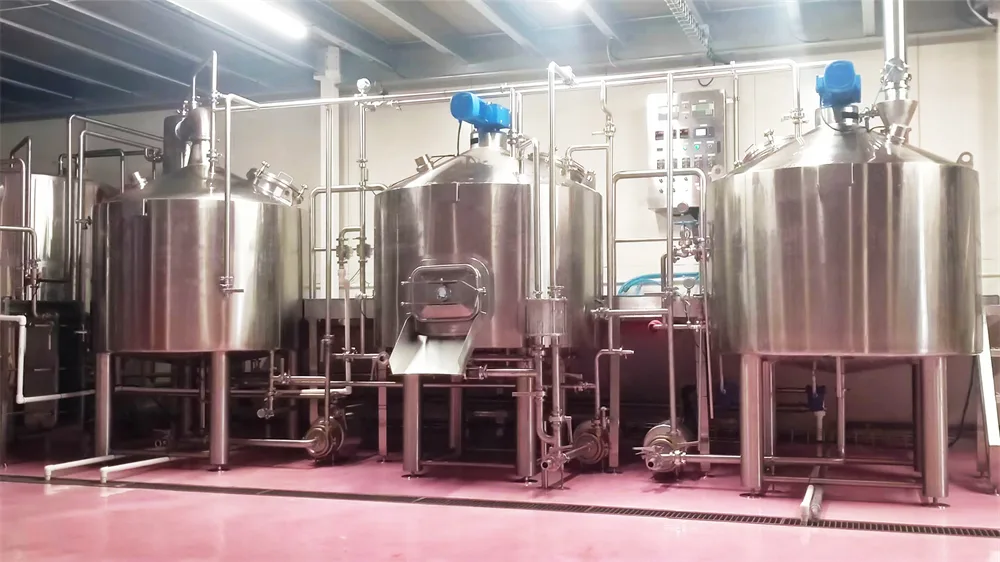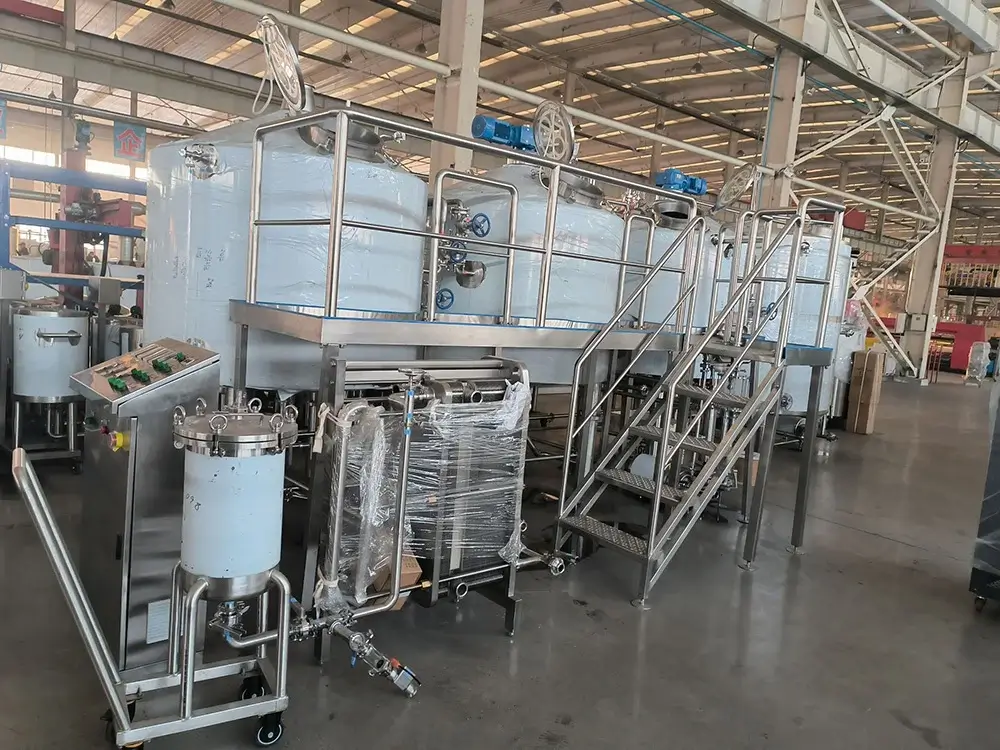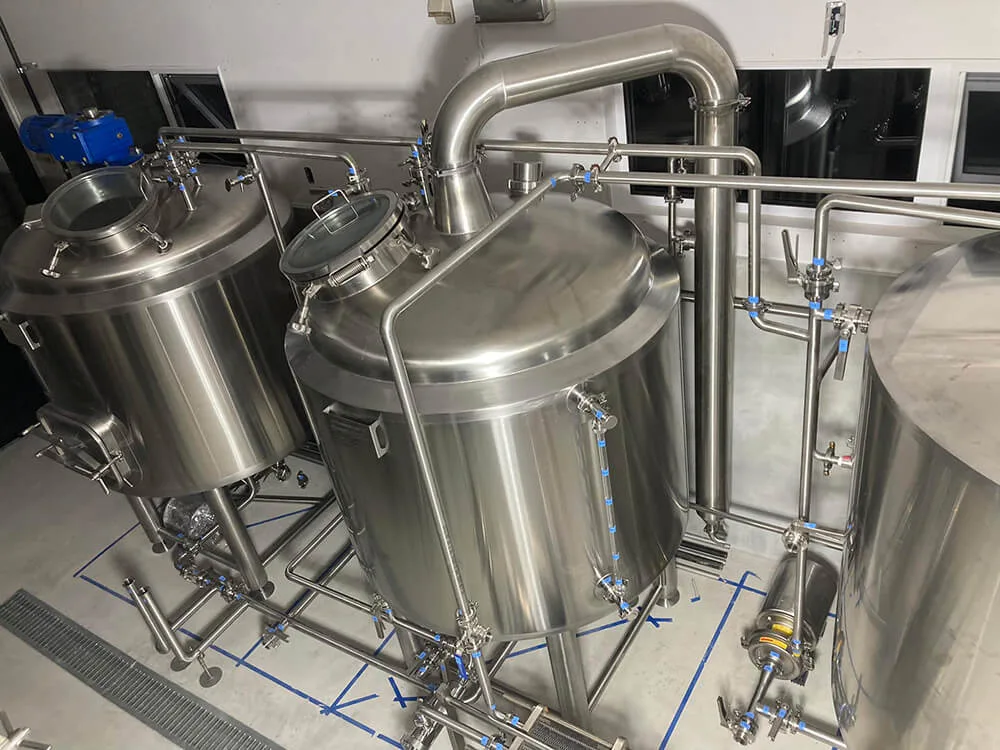
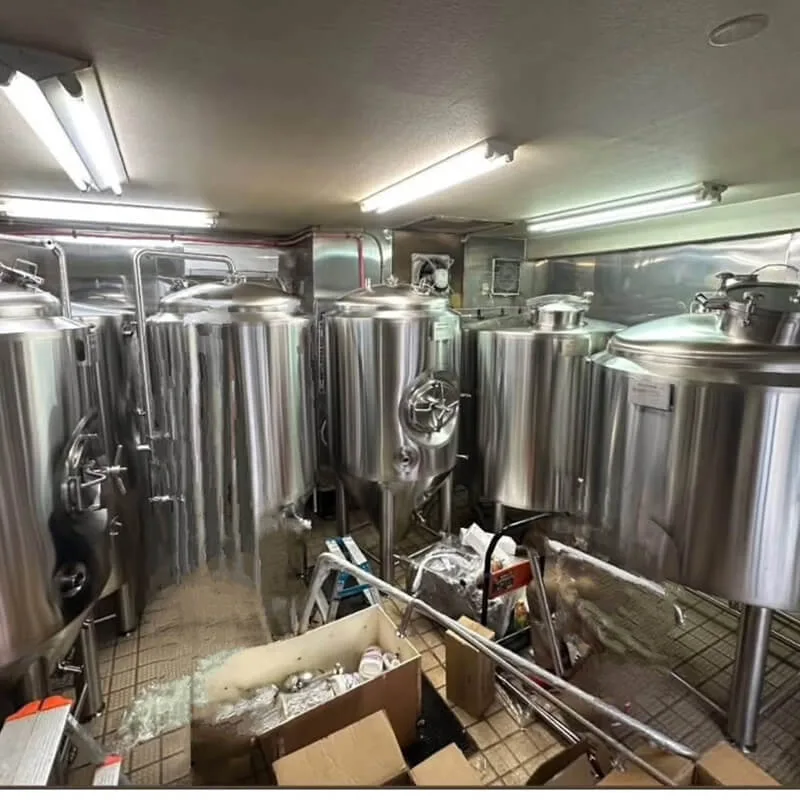
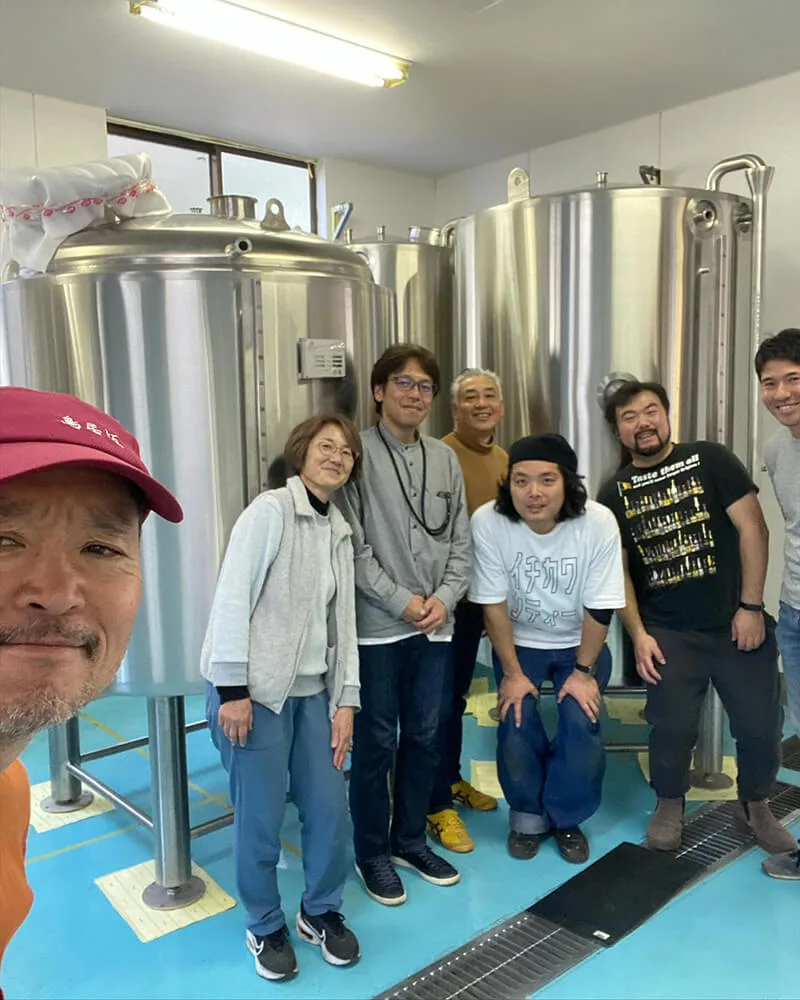
In early 2024, Meto proudly delivered a fully customized 500L craft beer brewing system to a passionate brewer in Japan’s Kansai region—marking another milestone in our global mission to bring intelligent, high-performance brewing solutions to craft producers worldwide.
This turnkey installation wasn’t just about hardware; it was about bridging vision with execution. The client—an experienced brewer and entrepreneur—sought a partner who could translate his ambition for premium, diverse, and efficiently produced craft beer into reality. After rigorous evaluation, he chose Meto as his sole equipment supplier, trusting our integration of advanced Chinese manufacturing with deep respect for Japanese brewing precision.
Key Equipment Specifications
Designed around the principles of efficiency, flexibility, intelligence, and hygiene, the system includes the following components:
200 kg/hr malt mill (Malt Miller)
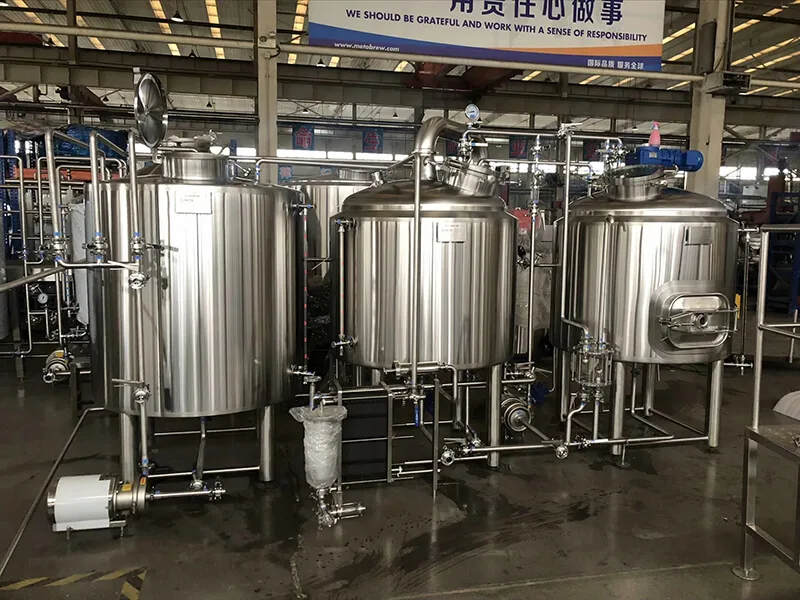
500L vessels configured as Mash Tun/Lauter Tun (MT/LT) + Kettle/Whirlpool Tank (KT/WT)
Dedicated Hot Liquor Tank (HLT) for consistent hot water supply during mashing
Six sets of 500L conical stainless steel fermenters, enabling parallel fermentation of multiple batches and supporting diverse styles—from IPAs and lagers to sour ales
1000L glycol water tank integrated with high-efficiency heat exchangers for precise temperature control during fermentation
Fully automated CIP system ensuring superior sanitation with minimal manual labor
Centralized PLC + touchscreen interface for real-time monitoring, data logging, and full process traceability
Flashboy canning line for high-speed, seamless transition from fermentation to finished canned products
Customer Value Delivered
Since commissioning, the system has delivered exceptional reliability. The brewer especially praised its precise thermal management, rapid cleaning cycles, and high-speed canning capability—enabling him to launch limited-edition beers that quickly gained popularity in Osaka’s specialty beer bars.
Why 300L–500L Systems Are the Sweet Spot for Growing Brewpubs
As demand for fresh, local craft beer continues to rise, many brewpubs find their original brewing setups no longer sufficient. Yet scaling up doesn’t mean transforming into a full-scale production facility. Upgrading to a 300L or 500L microbrewery system offers a smarter, more sustainable path—delivering higher output, greater beer variety, and improved margins, all while fitting comfortably within an existing taproom footprint.
Right-Sized Output for Real Demand
A 300L system is ideal for smaller, intimate brewpubs where beer is primarily served on-site and batch turnover is moderate. In contrast, a 500L system provides the capacity needed for venues with higher customer traffic, seasonal releases, or early-stage off-premise distribution through kegs or cans. Both sizes strike a balance between production capability and spatial practicality, allowing brewers to meet real-world demand without overbuilding.
Lower Risk, Higher Agility
Compared to larger 1,000L+ systems, 300L–500L setups require significantly less upfront capital, simpler utility infrastructure, and fewer staff hours to operate. This makes them especially well-suited for gradual, phased expansion—enabling owners to scale in response to actual growth rather than speculative forecasts, thereby reducing financial risk and operational strain.
Solving the Fermentation Bottleneck
In most brewpubs, the limiting factor isn’t the brewhouse—it’s fermentation space. Savvy operators often maximize their existing setup by pairing a 300L brewhouse with 600L fermenters or connecting a 500L system to 1,000L unitanks. Adding bright beer tanks (BBTs) further streamlines service and packaging readiness, ensuring that freshly fermented beer moves quickly to the tap or canning line.
The Power of Double-Batching
Double-batching—brewing two consecutive 500L batches into a single 1,000L fermenter in one day—is a proven strategy for doubling output without investing in a larger brewhouse. This approach not only accelerates return on investment but also allows for more efficient yeast usage across back-to-back brews, enhancing both consistency and cost-effectiveness.
Strategic Utility Upgrades
As production frequency increases, so do demands on heating and cooling systems. Many successful brewpubs begin with electric heating for its simplicity but later transition to steam systems for faster ramp-up times, better temperature stability, and the ability to run multiple vessels simultaneously. Similarly, expanding glycol chiller capacity, increasing cold liquor storage, and installing high-efficiency plate heat exchangers ensure rapid wort cooling and consistent fermentation—critical for maintaining rhythm during busy brewing schedules.
Automation That Makes a Difference
Even basic automation, such as a semi-automatic control panel, can significantly elevate operations. It enables tighter control over mash profiles, reduces human error, improves energy efficiency, and ensures batch-to-batch repeatability—key factors in building customer trust and brand reputation, all without the complexity of fully industrial controls.
Making the Most of Limited Space
Space constraints are common in urban brewpubs, but smart cellar design can dramatically increase usable capacity. Installing taller unitanks takes advantage of vertical space, while stackable bright beer tanks and wall-mounted control panels free up valuable floor area. Simplified, modular piping further enhances accessibility and ease of maintenance, turning a compact cellar into a highly efficient production hub.
Knowing When to Upgrade from 300L to 500L
The decision to move from a 300L to a 500L system often hinges on clear market signals: weekly sell-outs of flagship beers, consistent taproom sales exceeding 600–800 liters per week, plans for local distribution, or rising costs per liter due to inefficiencies at current scale. A prudent upgrade path starts with expanding fermentation capacity and utility infrastructure first; once demand is firmly established, the brewhouse itself can be scaled with confidence—a phased strategy that minimizes risk and maximizes long-term return.
Final Thoughts
Sustainable growth for a brewpub doesn’t require relocation or massive capital outlays. With a modular, intelligently designed 300L–500L brewing system, owners can scale capacity, diversify their offerings, and strengthen profitability—all while preserving the freshness, character, and community connection that define the brewpub experience.
At Meto, we design every system not just to brew beer, but to brew success—one thoughtful upgrade at a time.
If you have any question about brewing, please feel free to contact us Meto Equipment.