If you’re thinking about opening a brewery, expanding your current setup, or moving into contract brewing, you’ve probably run across the term “brewery solutions.” But what does it actually mean?
Put simply, brewery solutions are the full mix of services, equipment, and know-how you need to plan, build, and run a place that makes beer. It’s not just someone selling you a few tanks and a brewhouse. A proper brewery solution covers everything from how you lay out the floor to utility planning, automation, packaging, and help down the road.
Think of it like this: buying a few pieces of gear is like picking up bricks and lumber. A brewery solution is like hiring a team that helps you build the whole building—and then shows you how to live in it.
Who Actually Looks for Brewery Solutions?
You might be surprised who ends up searching for these services. Based on what we’ve seen in the industry, the main groups are:
- New brewery start-ups – People with a recipe and a dream who need practical help turning an empty space into a working brewery.
- Existing breweries that need to grow – Places that have outgrown their current setup and need to scale up without messing up day-to-day production.
- Contract brewers, cider makers, kombucha producers, and RTD makers – These folks often use similar equipment and processes, so a lot of the same solutions work across different drinks.
Each group has different problems, which is why good brewery solutions get tailored to you. One size almost never fits all.
The Core Parts of a Modern Brewery Solution
From talking to people in the industry and looking at dozens of real projects, most complete brewery solutions rest on seven key pieces. Ignore any one of them, and you’ll probably hit trouble later.
1. Brewery Engineering and Layout Design
This is where everything starts. Before you order any equipment, a good provider will map out your space, plan the workflow, and make sure everything fits—not just on paper, but for real. Can you move a full keg past that fermenter? Is the ceiling high enough to clean that tank? Small stuff like that matters a lot.
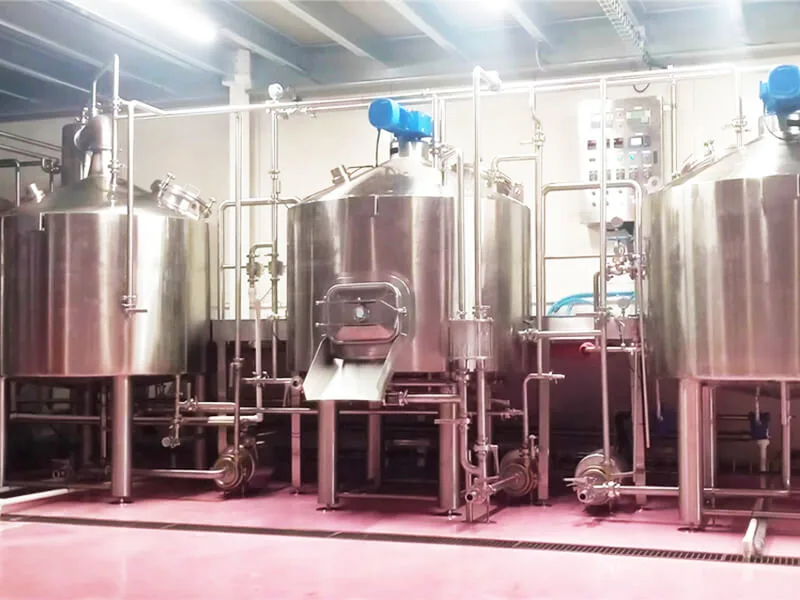
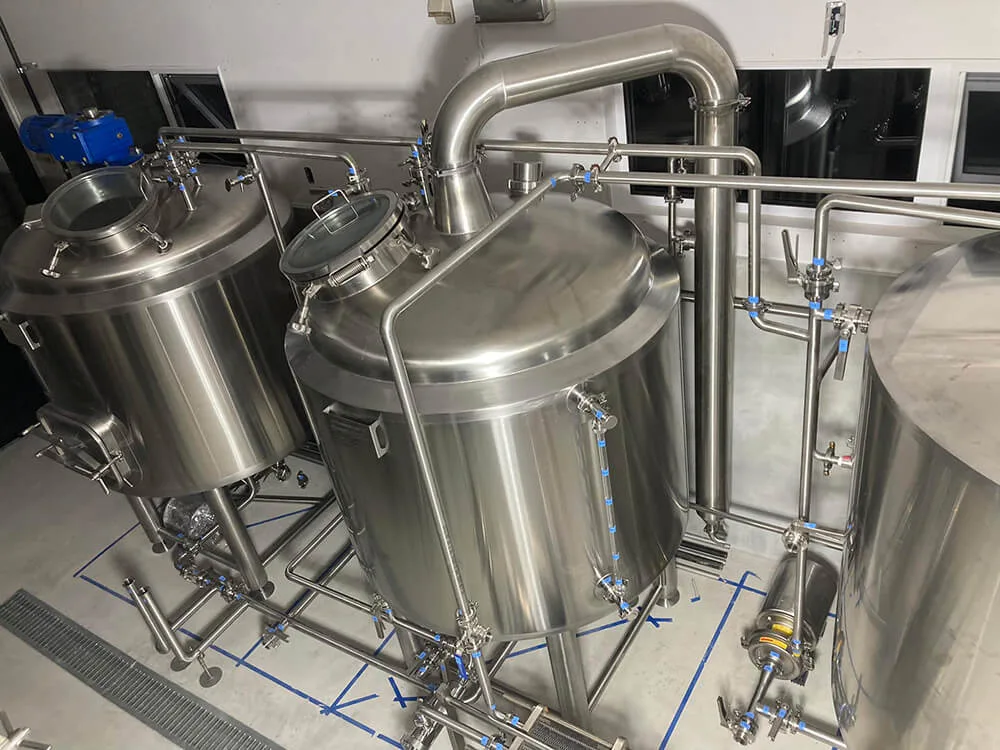
2. Brewhouse Systems (The Hot Block)
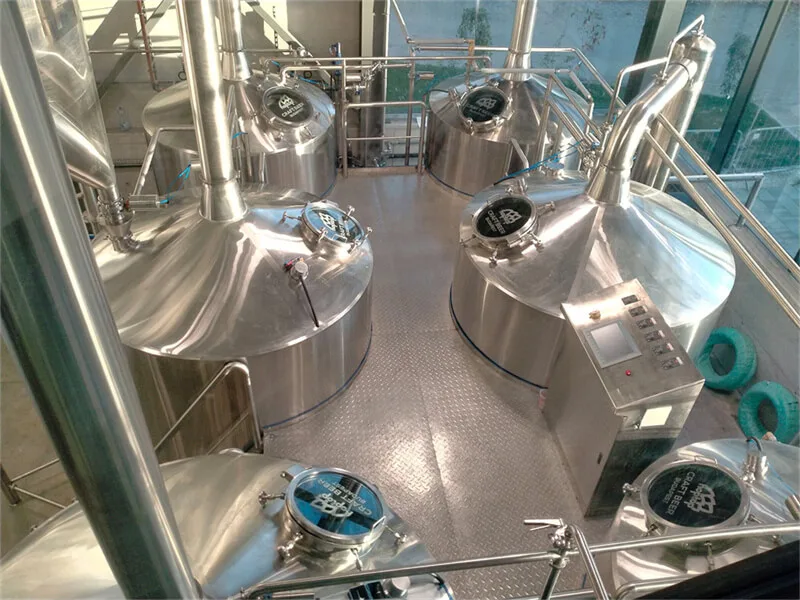
This covers everything involved in mashing, lautering, boiling, and whirlpooling. Typical sizes run from nano (1–3 barrels) to micro (5–15 barrels) to commercial (30+ barrels). The right choice depends entirely on how much you want to make and how often you want to brew.
3. Cellar and Cold Block Solutions
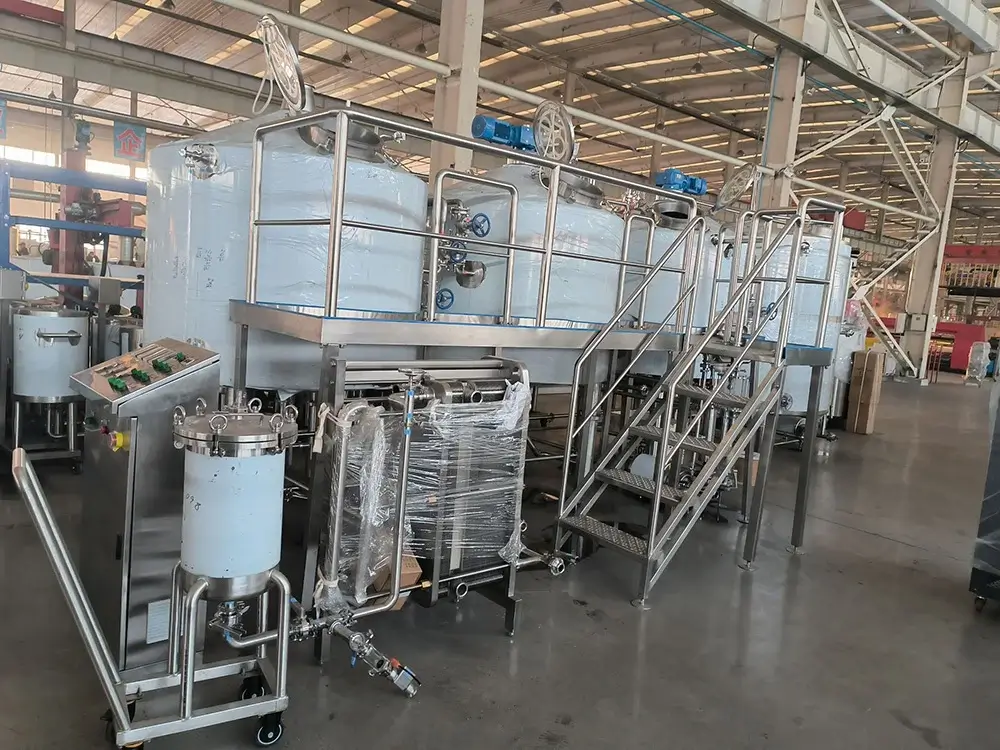
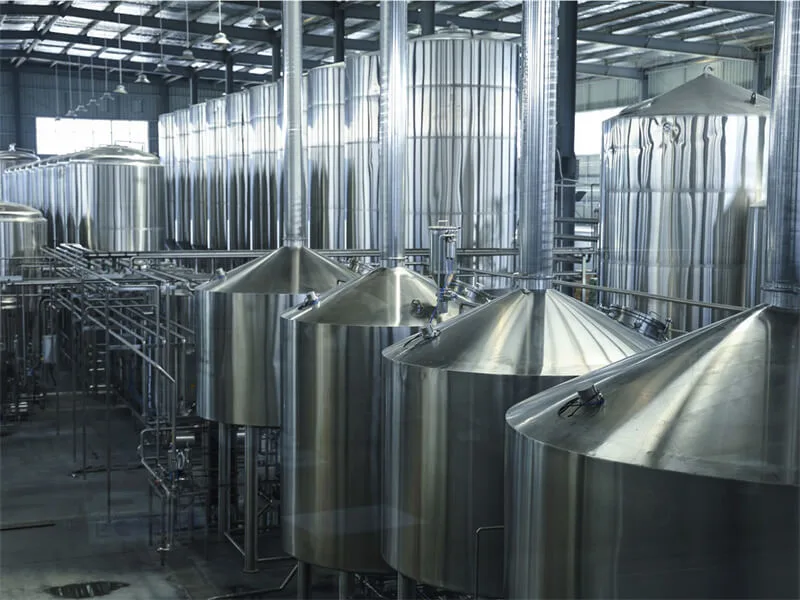
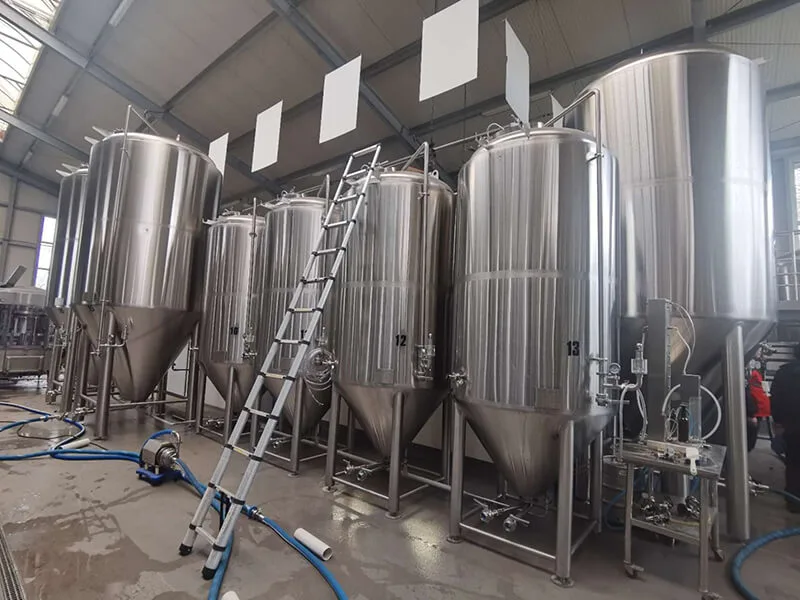
Fermentation, maturation, clarification, and cold storage. This part of the brewery usually eats up the most floor space and needs careful temperature control. A lot of new owners underestimate how many fermentation tanks they’ll actually need to keep a steady lineup of beers on tap.
4. Packaging and End-of-Line
Whether you’re filling kegs, cans, or bottles, your packaging gear needs to match your production speed and format. A common mistake is buying a line that’s too slow (it becomes a bottleneck) or too fast (you’re constantly starting and stopping, wasting beer).
5. Utilities and Infrastructure
This is the boring but absolutely critical part: steam or electric heating, compressed air, cooling water, ventilation, and drainage. Mess up your utility planning, and you’ll face startup delays and budget overruns. It happens all the time.
6. Automation, Control, and Software
Modern breweries lean on PLCs (programmable logic controllers), SCADA systems, and production software to keep things consistent. Automation doesn’t have to mean hands-off. But it should mean you get the same results batch after batch.
7. Quality Assurance and Lab Setup
From basic pH meters and dissolved oxygen sensors to full microbiological testing labs, quality assurance isn’t optional. A good brewery solution should at least help you figure out how much lab capability actually makes sense for your size.
Brewery Solutions by Size and Business Model
Not all breweries are the same. The solutions that work for a 3-barrel brewpub will sink a regional brewery, and the other way around. Here’s how things usually break down.
Nano and Pilot Brewery Solutions
These are for breweries making less than 300 barrels a year, or for larger brewers testing new recipes on a small scale. Equipment is often manual or semi-automatic. The big selling points are low upfront cost and flexibility. You’ll spend more time physically handling gear, but you’ll also learn every step inside and out.
Microbrewery and Brewpub Solutions
This is the sweet spot for a lot of craft breweries, with annual production between 300 and 5,000 barrels. Solutions at this level usually include a semi-automated brewhouse, a handful of fermentation tanks, basic kegging or canning lines, and integrated walk-in coolers. Your profit margins here depend on balancing how much you use your equipment—you want tanks full as often as possible, but you also need room to try new things.
Regional and Industrial Brewery Solutions
Above 5,000 barrels a year, you’re looking at fully automated systems, high-efficiency utilities, and high-speed packaging lines. Custom engineering gets more common at this scale because off-the-shelf solutions rarely fit the exact workflow. Energy recovery systems, automated CIP (cleaning in place), and serious inventory management are standard.
Contract Brewing and Co-Packing Models
Some businesses never want to own a brewhouse at all. They make their recipes at someone else’s facility. For these clients, “brewery solutions” might mean helping them find and audit contract brewing partners, or providing portable gear that fits into existing spaces.
Turnkey vs. Custom Engineering: What’s the Difference?
This is one of the most important things to understand. It’s also where a lot of first-time brewery owners get confused.
A turnkey brewery solution means you hand over a set of requirements—how much you want to make per year, what beer styles, how much space you have, your budget—and the provider delivers a complete, ready-to-run facility. You basically “turn the key” and start brewing. Turnkey projects usually include feasibility studies, process design, equipment supply, installation, commissioning, and staff training.
The main upsides of turnkey are speed, predictability, and less risk. The main downside is you get less flexibility if you have unusual needs.
Custom engineering makes sense when you have specific requirements that standard packages don’t cover. Maybe you’re mixing in some existing equipment. Maybe you have weird space constraints. Maybe you’re making something unique like sour beers that need special handling. Custom solutions take longer and cost more upfront, but they can perform better over the long run for niche situations.
Most small to medium breweries do just fine with a well-designed turnkey solution. Don’t assume you need custom engineering just because you want something special. Talk to a few providers first.
The Rise of Smart and Automated Brewery Solutions
If you visit a brewery built ten years ago and one built today, the biggest difference you’ll notice isn’t the tanks—it’s the control room. Or rather, the lack of one, because a lot of the monitoring now happens remotely.
PLC, SCADA, and HMI Systems
These three acronyms show up in almost every modern brewery solution. A PLC is the brain that controls valves, temperatures, and pumps. SCADA is the software that lets you see what’s happening across the whole brewery. HMI (human-machine interface) is the screen where your operators actually interact with the system.
Entry-level systems might have a few temperature controllers and manual valves. Advanced systems can automate entire brewhouse sequences, schedule CIP cycles overnight, and text you if something drifts out of spec.
Production and Inventory Software
Beyond process control, brewery solutions increasingly include software for recipe management, raw material tracking, batch logging, and compliance reporting. The best systems hook into your point-of-sale and distribution platforms so you know exactly where every ounce of beer is—from fermenter to customer.
IoT and Remote Monitoring
IoT sensors are getting cheap enough for small breweries. You can check fermentation temperatures from your phone, see how full tanks are remotely, and get alerts before a small problem turns into a big one. For contract brewers managing multiple sites, this is almost essential.
Sustainability and Efficiency: No Longer Optional
Five years ago, sustainability was nice to have. Today, it’s a competitive must. Energy and water costs keep going up, and customers pay attention to environmental claims. Good brewery solutions now build efficiency in from day one.
Water and CIP Optimization
A typical brewery uses 4 to 7 barrels of water for every barrel of beer it makes. That’s a lot of waste. Modern solutions put water meters at key points, reuse final rinse water as initial rinse water for the next cycle, and optimize spray ball coverage so you clean well without wasting water or chemicals.
One craft brewery we looked at cut its water usage from 7:1 down to 3.5:1 just by redoing its CIP procedures and adding flow meters. They made their money back in under nine months.
Energy Management and Heat Recovery
The biggest energy users in a brewery are refrigeration, the brewhouse, and compressed air. Heat recovery systems capture energy from the kettle vapor and use it to preheat incoming water or run the clean-in-place system. Some modern breweries recover over 60% of their brewhouse heat.
By-Product and Waste Handling
Spent grain, yeast, and trub don’t have to be waste. A lot of breweries now work with local farms to turn spent grain into animal feed. Extra yeast can go to food processors or biodigesters. Even wastewater can be treated on site to cut down on municipal fees.
How to Choose a Brewery Solutions Provider
You’ll hear plenty of sales pitches. Here are the questions that actually separate good providers from mediocre ones.
Technical and project experience. Ask for references from breweries similar to yours. Go visit those places if you can. Don’t just take their word for it.
Scope of supply and integration. Can they give you everything from tanks to software to training, or will you have to coordinate five different vendors yourself? The second option is more work and more risk.
Service network and support. What happens when something breaks on a Friday night before a big release? Is support included? How fast do they respond? Get this in writing.
Total cost of ownership (TCO). The cheapest equipment almost never saves you money over time. Ask about energy use, spare parts availability, and how often things need maintenance. A slightly more expensive system that uses 20% less electricity and lasts twice as long is actually the cheaper choice.
A Realistic Timeline
If you’re starting from scratch, here’s what the timeline usually looks like for a turnkey brewery solution. These are real averages from finished projects.
- Step 1 – Feasibility and business case (4–8 weeks): Figure out your production targets, beer styles, space, and budget.
- Step 2 – Process and utility design (6–10 weeks): Engineering drawings, utility requirements, and picking your equipment.
- Step 3 – Equipment fabrication (12–20 weeks): Most tanks and brewhouses are built to order. Custom work takes longer.
- Step 4 – Site prep (same time as Step 3): Floor drains, electrical, water, ventilation, and permits.
- Step 5 – Delivery and installation (2–4 weeks): Gear shows up and gets put in place.
- Step 6 – Commissioning and testing (2–3 weeks): Run every system with water, then with actual production settings.
- Step 7 – Training (1–2 weeks): Your team learns how to run and clean everything.
- Step 8 – First brew and ongoing support: Now the real work starts.
From idea to first sale, most small to medium breweries need 9 to 15 months. Anyone promising faster than that should get some side-eye.
Заключительные размышления
Brewery solutions exist because building a brewery is genuinely complicated. It’s not about picking the shiniest fermenter or the cheapest keg washer. It’s about designing a system where every part works with every other part, where your team can keep quality high batch after batch, and where your investment actually makes money.
The best approach is simple: get clear on what you want to produce, talk to several solution providers, visit real breweries using their equipment, and ask hard questions about total cost and long-term support. Do that, and you’ll be a lot closer to pouring your first commercial pint.
У вас есть вопросы по проекту оборудования для пивоварни? Вы можете рассказать нам Ваши требования к пивоварне, и мы предоставим вам готовое решение в течение 24 часов.