In industries such as food and beverage, dairy, pharmaceuticals, cosmetics, and chemicals, mixing is one of the most critical production steps. Product consistency, process efficiency, and regulatory compliance all depend on how effectively raw materials are blended and processed.
At the center of this operation is the stainless steel mixing tank. More than just a storage vessel, it combines mixing, heating, cooling, and holding functions into a single system. A properly designed tank helps manufacturers maintain product quality, reduce cleaning time, improve energy efficiency, and minimize production downtime.
This guide explores what stainless steel mixing tanks are, their key benefits, common applications, and the factors to consider when selecting the right solution for your operation.
What Is a Stainless Steel Mixing Tank?
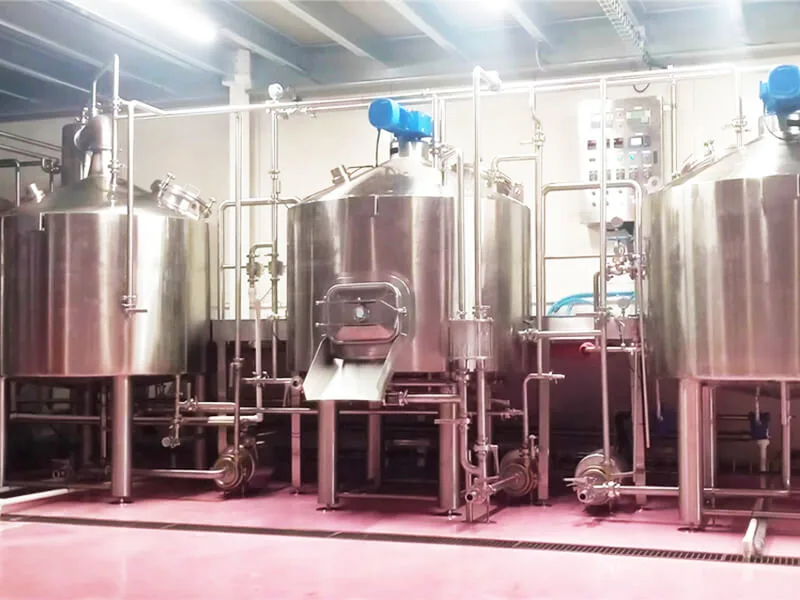
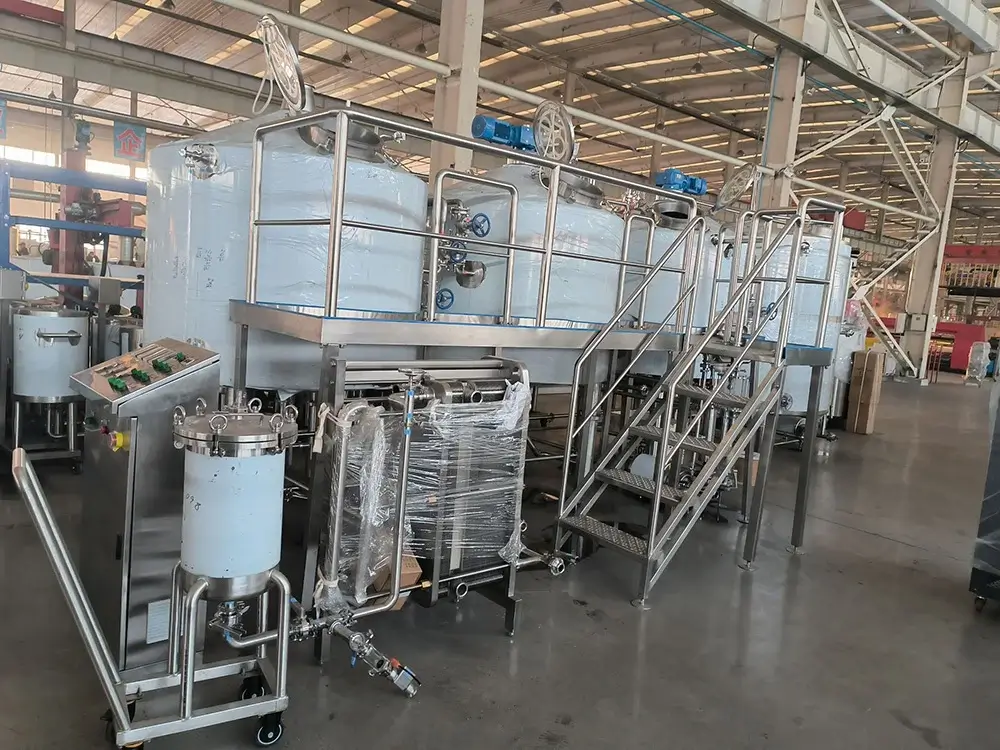
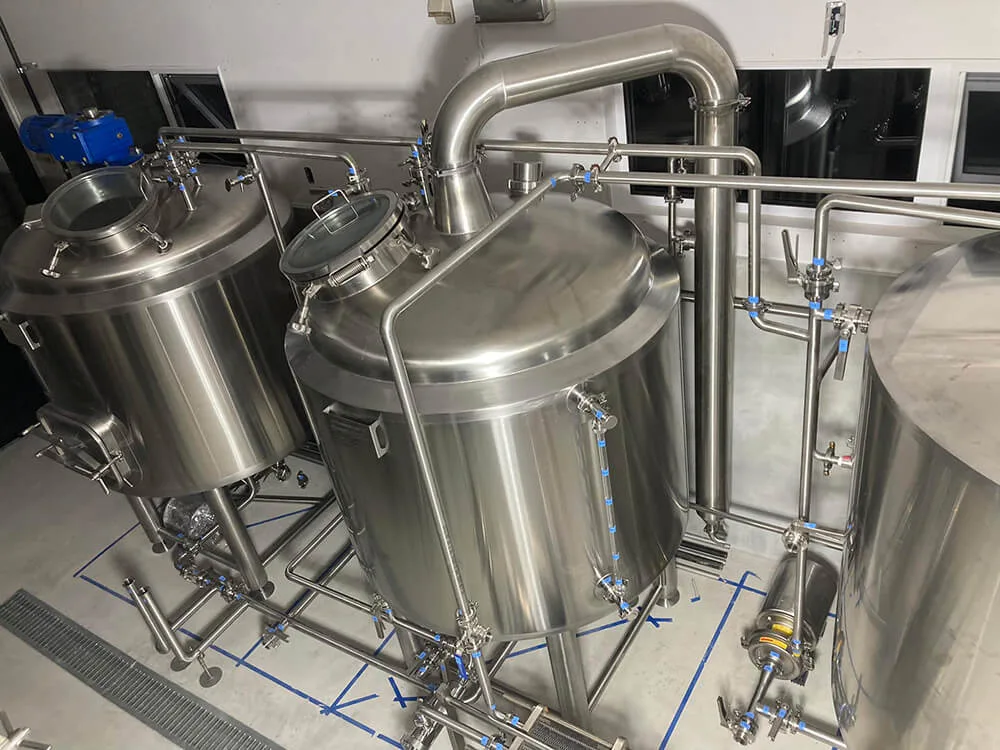
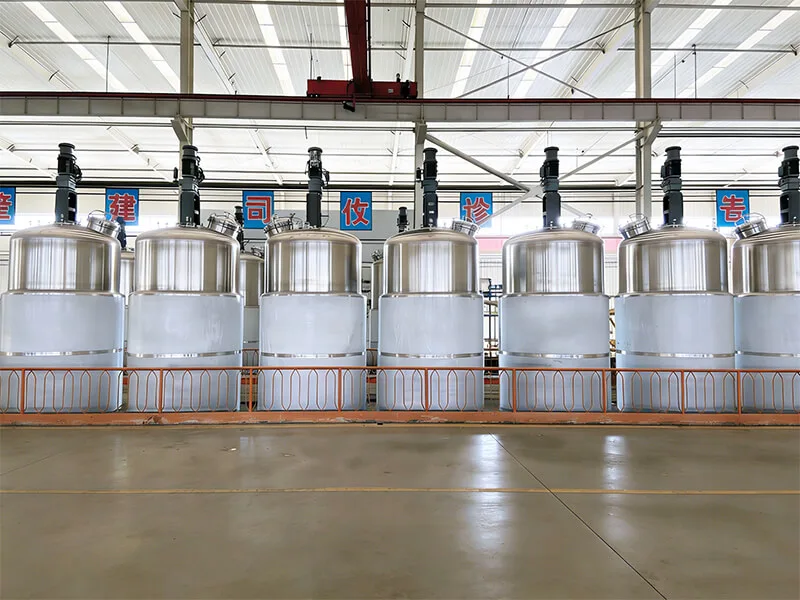
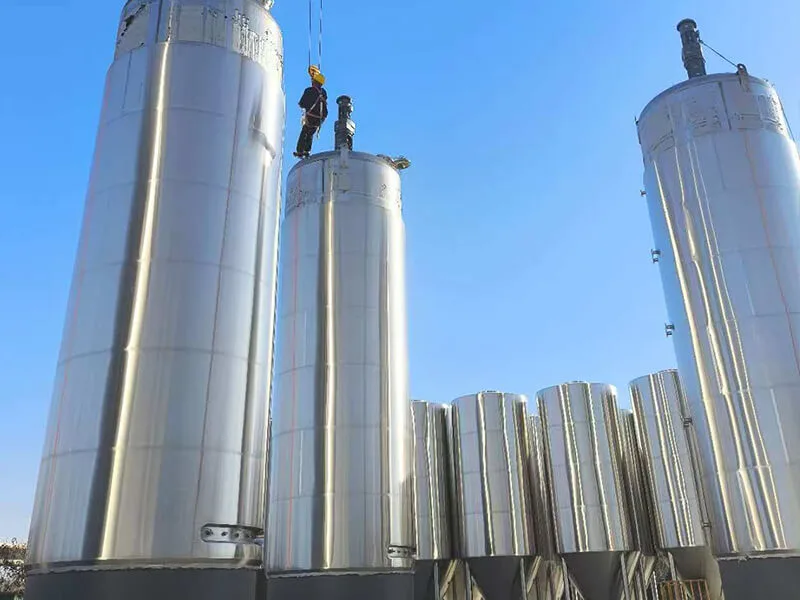
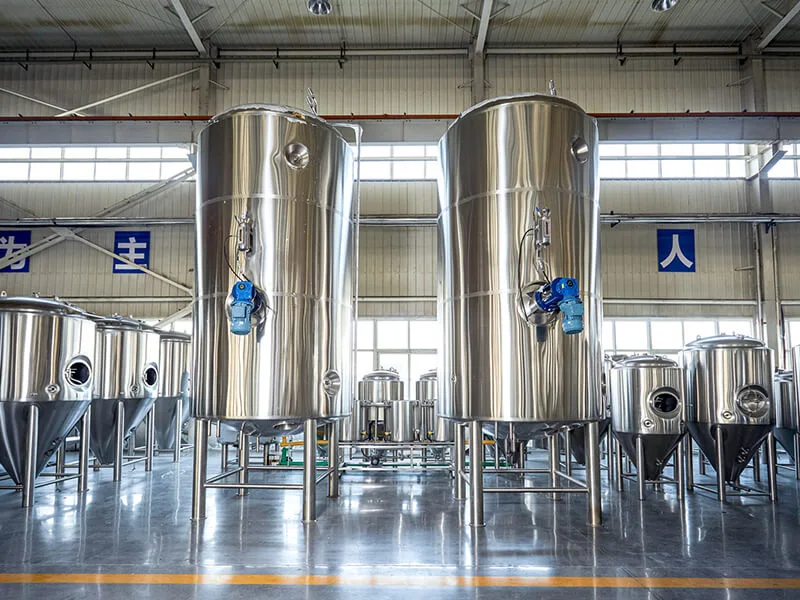
A stainless steel mixing tank is a processing vessel designed to blend, heat, cool, store, or homogenize liquid and semi-liquid products. These tanks are widely used across industries that require precise mixing and strict hygiene standards.
Most food-grade and industrial mixing tanks are manufactured from either 304 or 316L stainless steel. The interior surfaces are polished to create a smooth, sanitary finish that minimizes product buildup and simplifies cleaning.
A typical stainless steel mixing tank may include:
Agitation System
The agitator keeps materials evenly mixed and prevents settling, separation, or stratification. Depending on the product characteristics, different agitator types can be used, including:
- Propeller agitators
- Paddle agitators
- Anchor agitators
- High-shear mixers
- Homogenizers
- Magnetic agitators
Heating and Cooling Jacket
Many processes require accurate temperature control. Jacketed mixing tanks use steam, hot water, chilled water, or glycol to maintain specific temperatures throughout production.
Common jacket designs include:
- Full jackets
- Dimple jackets
- Half-pipe coil jackets
Automated Control System
Modern systems often include PLC controls and touchscreen interfaces that allow operators to manage mixing speed, temperature, processing time, and batch parameters with minimal manual intervention.
Система очистки CIP
Clean-In-Place (CIP) systems enable thorough internal cleaning without disassembling the tank, reducing labor requirements while maintaining high hygiene standards.
Additional Features
Depending on process requirements, tanks may also include:
- Insulation
- Load cells
- Пробоотборные клапаны
- Sight glasses
- Manways
- Level sensors
- Explosion-proof components
Why Stainless Steel Mixing Tanks Are the Industry Standard
Superior Hygiene and Product Safety
In food, beverage, pharmaceutical, and cosmetic production, hygiene is a top priority.
High-quality sanitary mixing tanks feature polished internal surfaces with roughness values as low as Ra ≤ 0.4 μm. Smooth surfaces reduce bacterial attachment and eliminate areas where product residue can accumulate.
Combined with CIP spray devices, these tanks can be cleaned thoroughly and consistently, helping manufacturers comply with stringent food safety and quality standards.
For sterile applications, SIP (Sterilize-In-Place) systems can be integrated to eliminate microorganisms after cleaning.
Consistent Mixing Performance
Achieving a uniform product requires more than simply installing an agitator. Different products demand different mixing technologies.
Low-viscosity liquids such as beverages and milk typically require propeller or paddle mixers that create strong circulation throughout the tank.
Medium-viscosity products may benefit from turbine or paddle agitators that provide balanced mixing performance.
For highly viscous products such as yogurt, sauces, creams, and lotions, anchor agitators with wall scrapers help maintain uniform heat transfer while preventing product buildup.
Products that require emulsification or particle size reduction often utilize high-shear mixers or homogenizers to create stable, consistent formulations.
Selecting the appropriate agitation system improves product consistency and reduces the risk of separation, settling, or batch variation.
Multiple Functions in a Single System
A well-designed mixing tank can perform several processing functions within one vessel.
Manufacturers can:
- Mix ingredients
- Heat products
- Cool products
- Hold batches
- Store finished materials
Combining these operations into a single tank reduces equipment requirements, minimizes product transfers, and improves overall production efficiency.
Excellent Corrosion Resistance
Stainless steel offers exceptional durability in demanding processing environments.
For standard food and beverage applications, 304 stainless steel provides excellent performance and value.
For products containing high levels of salt, acids, or chlorides, 316L stainless steel is often the preferred choice due to its enhanced corrosion resistance. Industries such as dairy, pharmaceuticals, sauce production, and chemical processing commonly utilize 316L construction.
Proper welding techniques and passivation treatments further improve corrosion resistance and extend equipment lifespan.
Reduced Energy and Labor Costs
Efficient heat transfer systems and high-quality insulation help reduce energy consumption during heating and cooling operations.
Variable-frequency drives (VFDs), automated temperature controls, and programmable mixing cycles further optimize energy usage while reducing operator workload.
Automation also improves process repeatability and minimizes human error, leading to more consistent production results.
Common Applications of Stainless Steel Mixing Tanks
Food and Beverage Processing
Food-grade mixing tanks are commonly used for:
- Juice production
- Soft drinks
- Energy drinks
- Plant-based beverages
- Syrups
- Flavor blending
Accurate mixing and temperature control help maintain product quality and consistency.
Dairy Production
Dairy applications include:
- Milk processing
- Yogurt production
- Cream preparation
- Milkshake manufacturing
- Cheese processing
These products often require precise temperature management and hygienic design.
Brewing and Fermentation
Stainless steel tanks play a critical role in:
- Beer production
- Wine making
- Cider fermentation
- Distilled spirits production
Temperature stability and easy cleaning are particularly important in fermentation processes.
Sauce and Condiment Manufacturing
Products such as ketchup, mustard, soy sauce, dressings, and jams often require tanks capable of handling high viscosity, elevated temperatures, and corrosive ingredients.
Pharmaceutical and Cosmetic Production
Applications include:
- Liquid medicines
- Syrups
- Creams
- Lotions
- Shampoos
- Ointments
These industries demand sanitary construction, precise process control, and reliable cleaning systems.
Chemical Processing
Industrial mixing tanks are widely used for:
- Resins
- Adhesives
- Paints
- Coatings
- Inks
- Specialty chemicals
Many chemical applications require corrosion-resistant materials and explosion-proof equipment.
How to Choose the Right Stainless Steel Mixing Tank
Selecting the right mixing tank involves more than choosing a capacity. Several factors should be evaluated to ensure long-term performance and reliability.
Understand Your Product Requirements
Begin by considering:
- Product viscosity
- Batch size
- Production frequency
- Temperature requirements
- Shear sensitivity
- Cleaning requirements
These factors determine the appropriate tank configuration.
Select the Appropriate Material
304 stainless steel is suitable for many food and beverage applications.
316L stainless steel is recommended for:
- Acidic products
- Salty products
- Pharmaceutical production
- High-hygiene applications
Choosing the correct material helps prevent premature corrosion and maintenance issues.
Match the Agitator to the Process
Different products require different mixing technologies.
| Product Type | Recommended Agitator |
|---|---|
| Water-like liquids | Propeller or Paddle |
| Syrups and concentrates | Paddle or Turbine |
| Yogurt and sauces | Anchor or Scraper |
| Creams and emulsions | High-Shear Mixer |
| Sterile applications | Magnetic Agitator |
Choose the Correct Tank Size
Most manufacturers recommend selecting a tank with approximately 20% to 30% additional capacity beyond the working batch volume. This provides sufficient headspace for expansion, foaming, and process flexibility.
Evaluate Optional Features
Useful options may include:
- Heating or cooling jackets
- Insulation
- Load cells
- Automated controls
- CIP systems
- Пробоотборные клапаны
- Sight glasses
- Explosion-proof motors
The right combination depends on your production process and regulatory requirements.
Verify Certifications
Depending on your market and industry, certification requirements may include:
- CE
- ISO
- ASME
- ATEX
- UL
Proper certifications help ensure compliance with local regulations and customer expectations.
What to Look for in a Mixing Tank Manufacturer
Beyond equipment specifications, choosing the right manufacturer is equally important.
A reliable supplier should offer:
Engineering Support
Professional manufacturers analyze product characteristics and production requirements before recommending equipment.
Advanced engineering tools such as CFD (Computational Fluid Dynamics) simulations can optimize mixing performance and eliminate dead zones.
High-Quality Fabrication
Look for manufacturers that utilize:
- TIG welding
- Argon shielding
- Precision polishing
- Passivation treatment
- Pressure testing
These processes directly impact equipment durability, hygiene, and long-term reliability.
Customization Capabilities
Every production process is unique. An experienced manufacturer should be able to customize:
- Вместимость
- Pressure rating
- Jacket design
- Agitator configuration
- Surface finish
- Automation level
- Certification requirements
Global Project Experience
Manufacturers with international project experience are often better equipped to meet diverse regulatory requirements and provide effective technical support throughout the project lifecycle.
Заключительные размышления
A stainless steel mixing tank is one of the most important investments in any processing facility. The right system improves product quality, enhances process efficiency, reduces operating costs, and supports long-term business growth.
When evaluating equipment, it is essential to consider material selection, mixing technology, temperature control, cleaning requirements, automation capabilities, and manufacturer expertise. A well-engineered solution delivers reliable performance for years while helping maintain consistent product quality across every batch.
Whether you are producing beverages, dairy products, sauces, cosmetics, pharmaceuticals, or industrial chemicals, selecting the right stainless steel mixing tank can significantly improve both production efficiency and operational profitability.
If you’re currently planning a new line or upgrading an existing one, we’d be glad to help. Reach out to us with your product type, batch size, viscosity, and any special requirements. Our engineering team will walk you through the options and recommend a solution that actually fits your process – no pressure, just practical advice.