Rice wine plays a vital role in many Asian alcoholic beverage traditions, including Chinese rice wine, sake, and other rice-based fermented drinks. While the fermentation principles are similar to beer or spirits, rice wine fermentation places unique demands on tank design, temperature control, and hygiene standards.
In this article, we explore what rice wine fermentation tanks are, how they differ from standard fermenters, and how to choose the right tank for commercial rice wine production.
What Is a Rice Wine Fermentation Tank?
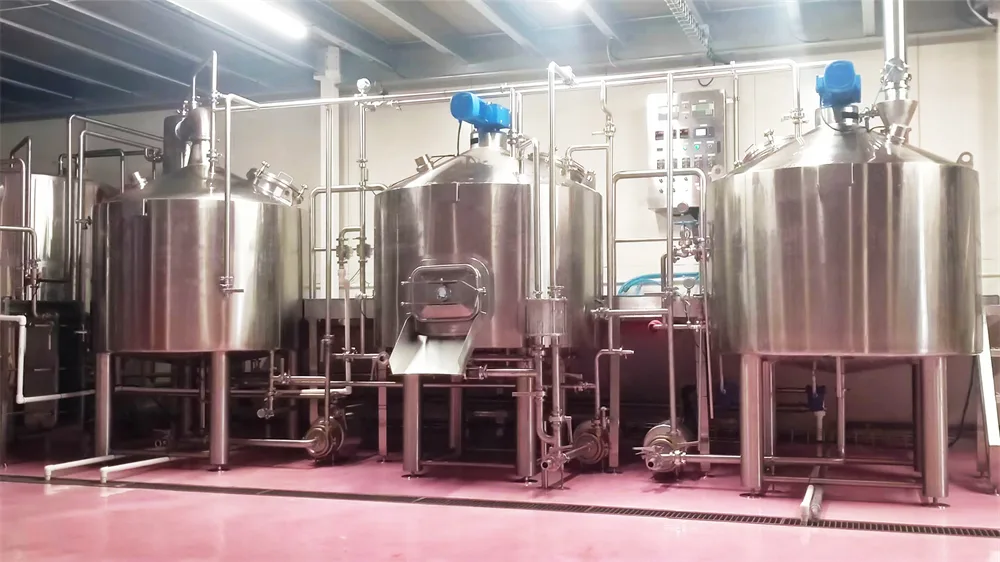
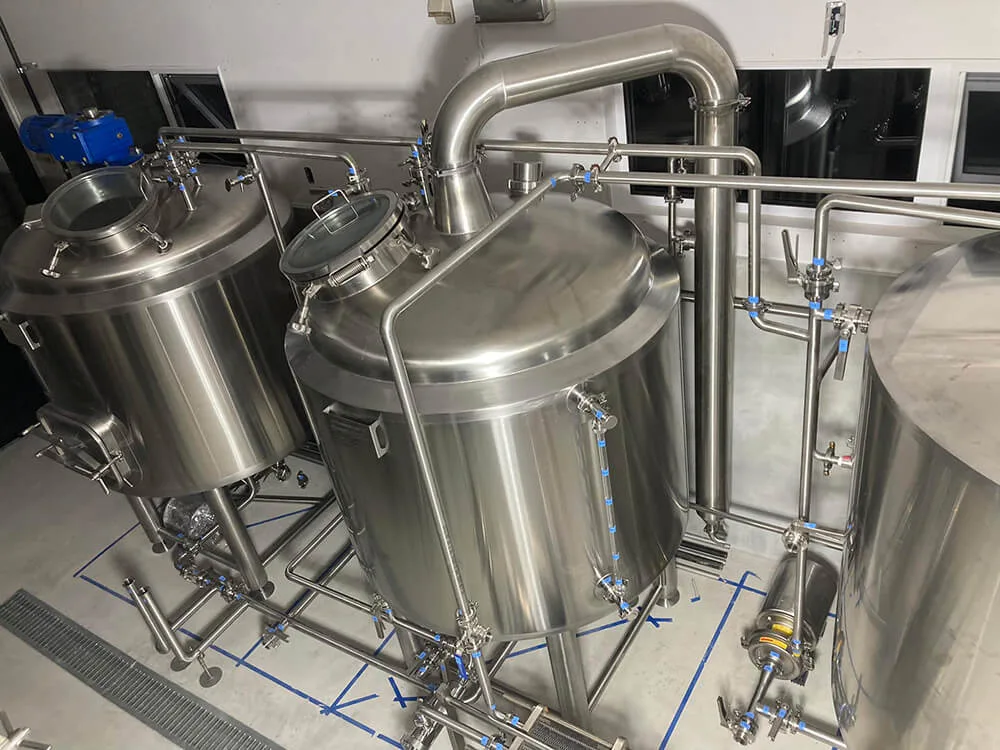
A rice wine fermentation tank is a stainless steel vessel specifically designed to ferment rice-based substrates rather than malted grain or fruit juice. During rice wine fermentation, enzymes convert starches into sugars while yeast simultaneously produces alcohol — a process known as parallel fermentation.
Because of this complexity, rice wine tanks must support:
- Stable temperature control
- Gentle mixing or circulation (in some processes)
- Strict hygiene and easy cleaning
- Long, controlled fermentation cycles
Rice wine fermentation tanks are widely used in:
- Chinese rice wine breweries
- Sake breweries
- Craft distilleries producing rice-based spirits
Key Differences Between Rice Wine Tanks and Beer Fermentation Tanks
Although rice wine tanks and beer fermenters may look similar, their design priorities differ significantly.
1. Fermentation Characteristics
Rice wine fermentation often involves:
- Higher solid content
- Longer fermentation periods
- More sensitive enzymatic activity
This requires tanks with smooth internal surfaces, well-designed drainage, and stable thermal performance.
2. Temperature Control Requirements
Rice wine fermentation typically occurs at lower and more stable temperatures compared to beer.
Well-designed rice wine tanks often include:
- Full or zoned cooling jackets
- Accurate temperature probes
- Compatibility with glycol cooling systems
Precise temperature control is essential for flavor development and fermentation stability.
3. Tank Geometry
Rice wine tanks may feature:
- Slightly wider bodies for solids management
- Optimized cone or dish bottoms for yeast and sediment removal
- Optional internal fittings depending on the production method
Stainless Steel vs Traditional Materials
Historically, rice wine was fermented in ceramic or wooden vessels. While these materials contribute to tradition, modern commercial production increasingly relies on stainless steel fermentation tanks.
Advantages of Stainless Steel Rice Wine Tanks
- Food-grade hygiene and easy cleaning (CIP compatible)
- No flavor contamination or absorption
- Long service life and corrosion resistance
- Compliance with international food safety standards
For export-oriented producers, stainless steel tanks also ensure consistent quality and regulatory acceptance.
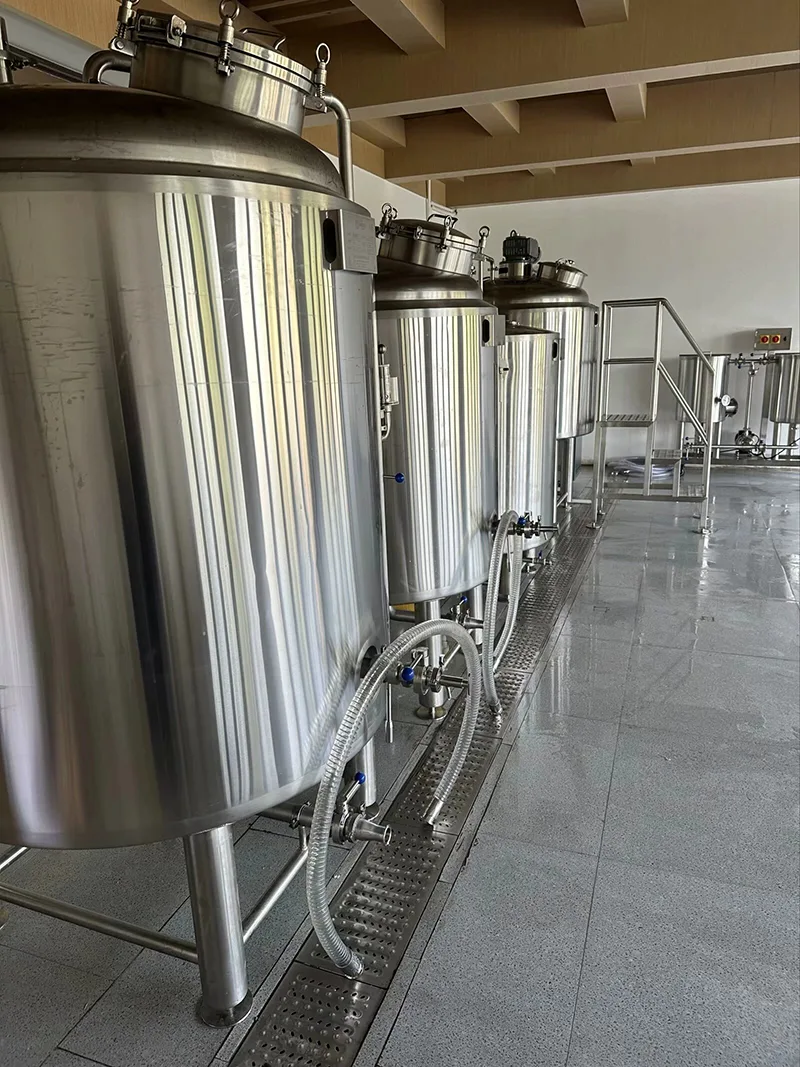
Common Configurations of Rice Wine Fermentation Tanks
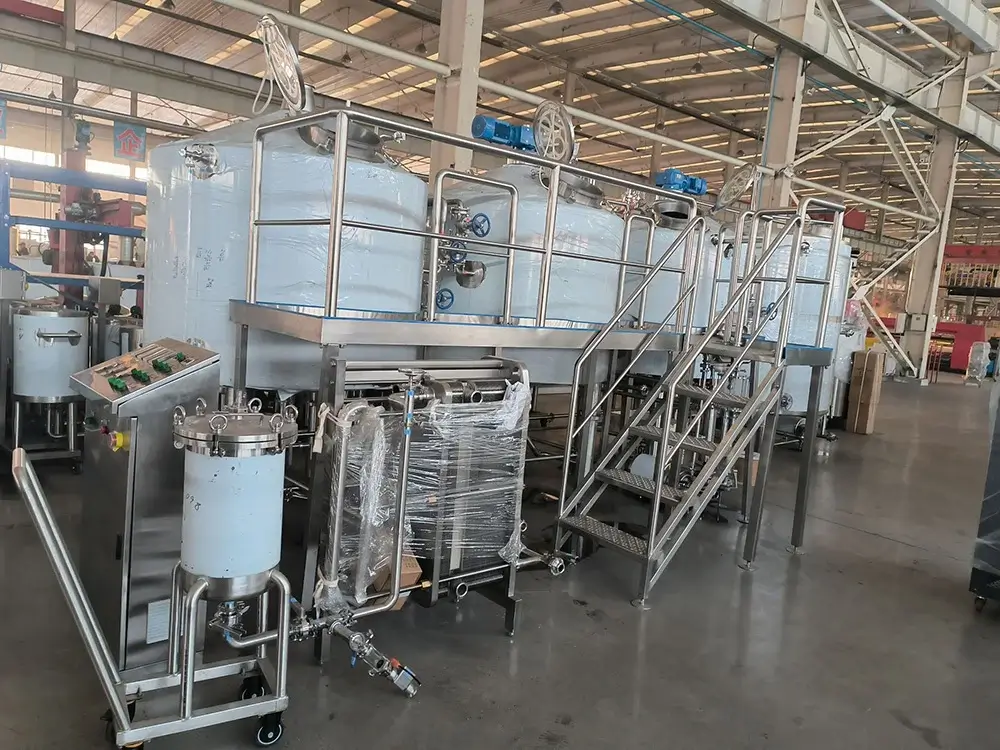
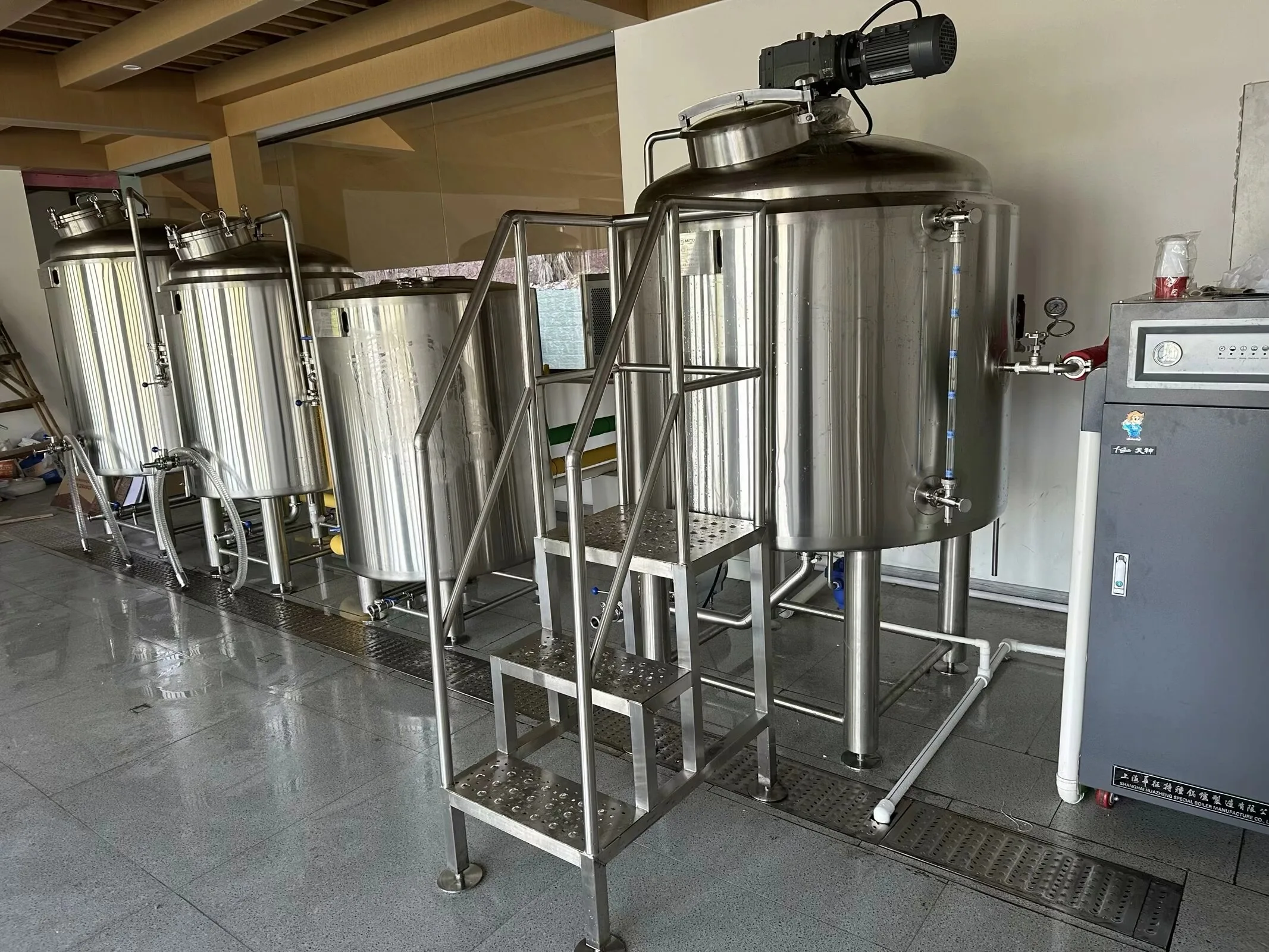
Depending on production scale and process, rice wine tanks can be customized in several ways:
• Tank Capacity
Typical sizes range from:
- 500L – 1,000L for pilot or craft production
- 2,000L – 5,000L for commercial breweries
- Larger custom tanks for industrial operations
• Cooling Jacket Options
- Dimple jacket
- Half-pipe jacket
- Multi-zone cooling for better temperature uniformity
• Manway Design
- Top manway for traditional batch handling
- Side manway for easier cleaning and maintenance
• Optional Features
- Insulated shell
- Pressure-rated design (for certain sake styles)
- Sampling valves and sight glasses
How to Choose the Right Rice Wine Tank
When selecting rice wine fermentation equipment, consider the following factors:
1. Type of Rice Wine Produced
Different products (Chinese rice wine, sake, rice-based spirits) require different fermentation temperatures and durations.
2. Production Volume and Expansion Plans
Choose tank sizes that allow for future capacity expansion without redesigning your entire fermentation area.
3. Temperature Control Precision
Consistent flavor depends on precise temperature management — cooling jacket quality matters.
4. Cleaning and Hygiene Standards
Smooth welds, polished interiors, and CIP compatibility are essential for long-term quality and safety.
Rice Wine Tanks in Modern Distilleries and Breweries
Today, many craft distilleries and breweries are integrating rice wine fermentation tanks into hybrid production lines. These tanks are used not only for rice wine itself, but also as a base fermentation stage for:
- Rice spirits
- Shochu-style products
- Experimental craft beverages
This versatility makes rice wine tanks a valuable investment for producers exploring Asian-inspired or innovative alcohol products.
Final Thoughts
Rice wine fermentation tanks are more than simple storage vessels — they are critical tools that influence fermentation performance, flavor development, and product consistency.
Choosing the right tank design, material, and temperature control system ensures stable fermentation and long-term production success. For producers targeting high-quality rice wine or rice-based spirits, professionally engineered stainless steel tanks are essential.
Meto’s engineers can customize and design brewing equipment based on your specific requirements. Simply tell us your brewery needs, and we will provide a one-stop solution within 24 hours.