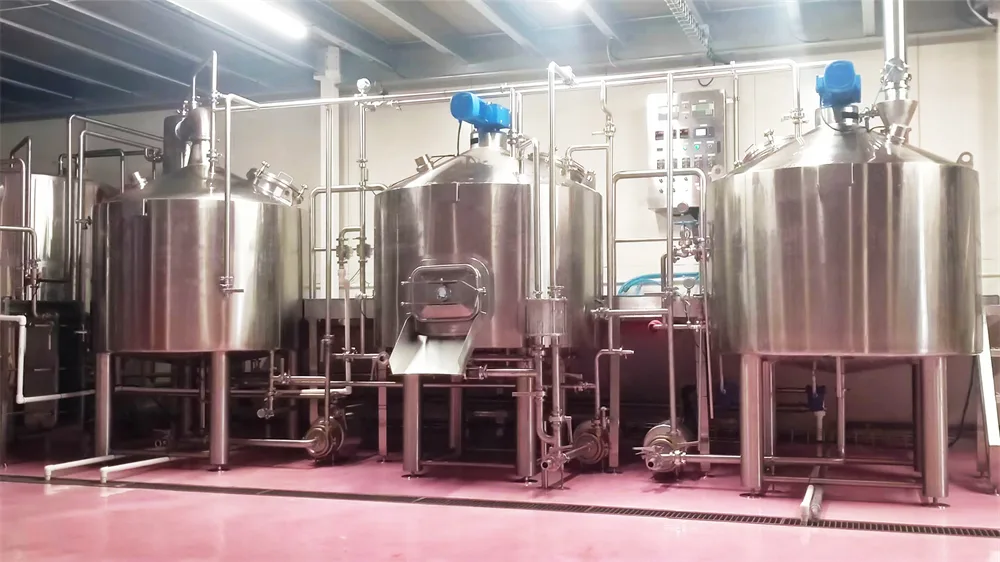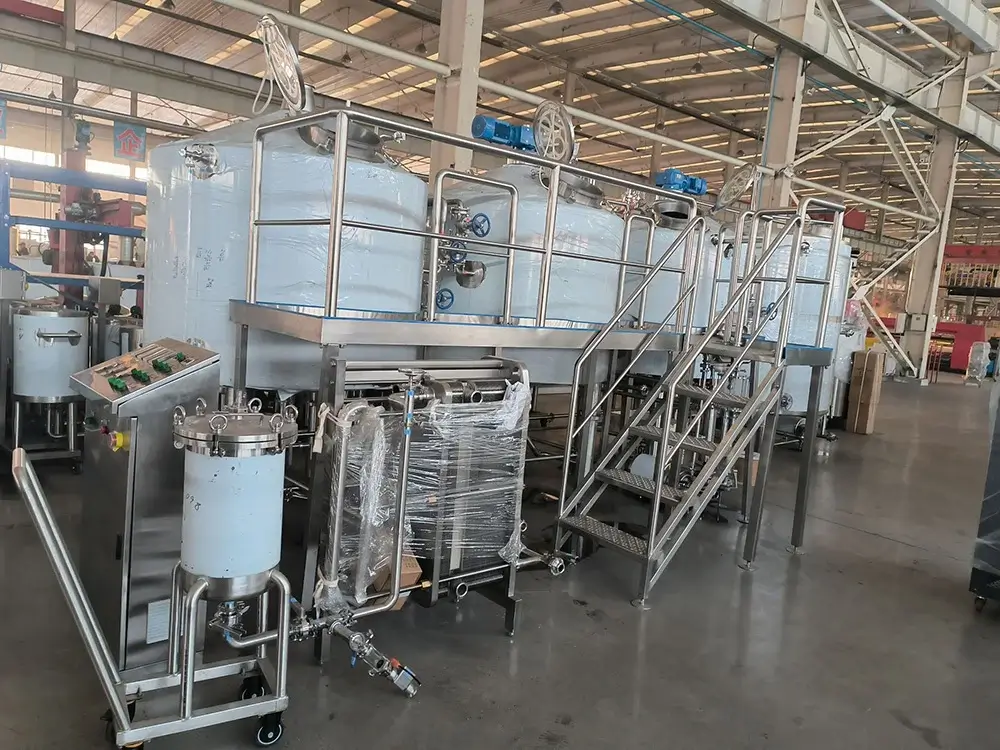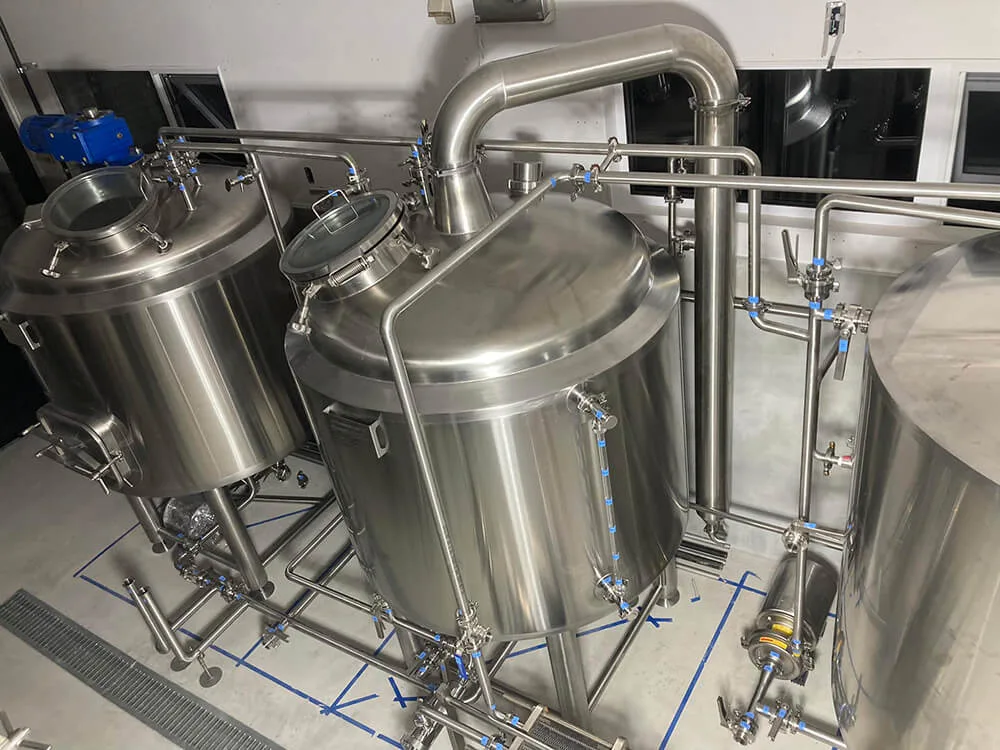
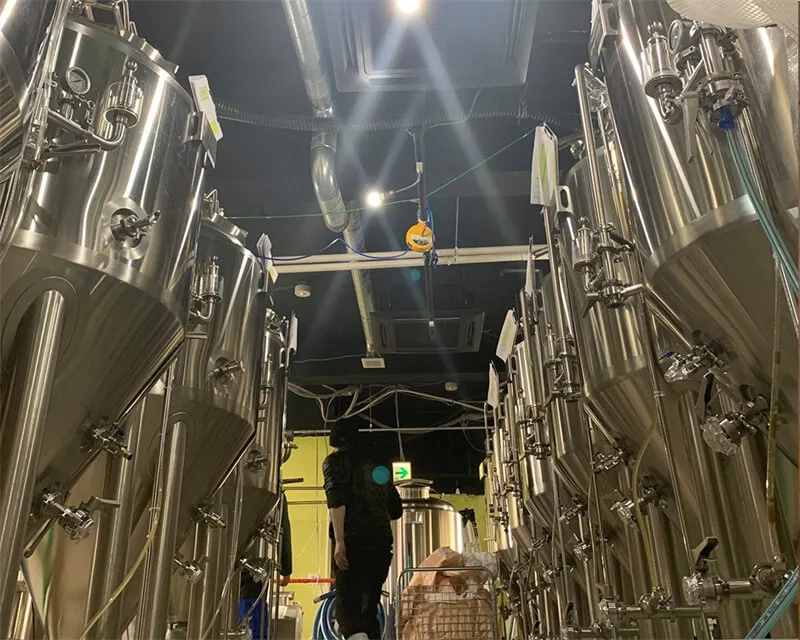
For professional brewers utilizing a 15-ton (15HL) turnkey brewhouse, the journey doesn’t end at primary fermentation.
In the competitive global craft beer market, the difference between a good beer and a world-class one often lies in the details of secondary fermentation, commonly known as bottle conditioning. This traditional yet sophisticated technique is not just about carbonation; it is an art form that enhances flavor complexity, mouthfeel, and stability.
Whether you are producing Belgian ales, robust Stouts, or hazy IPAs, understanding how to leverage your 15HL system for effective bottle conditioning can significantly elevate your brand’s premium positioning. Here is your comprehensive guide to mastering this process.
Why Choose Bottle Conditioning?
While force carbonation offers speed, bottle conditioning offers character. For breweries aiming for authenticity and depth, secondary fermentation serves three critical functions:
- Natural Carbonation: Yeast consumes added priming sugar to generate CO₂ naturally within the bottle. This creates finer, creamier bubbles and a smoother mouthfeel compared to forced carbonation.
- Flavor Evolution: During this phase, yeast continues to metabolize, producing subtle esters and phenols. This adds layers of fruitiness, spice, or earthiness, balancing acidity and rounding out harsh edges.
- Enhanced Stability & Clarity: The low-temperature maturation process encourages yeast and protein sedimentation, resulting in a brilliantly clear final product with improved shelf stability.
⚙️ The Operational Workflow: From Tank to Bottle
Implementing bottle conditioning with a 15HL system requires precision. Here is the step-by-step protocol:
1. Verify Primary Fermentation Completion
Before bottling, ensure the beer is ready. Rushing this stage is the most common cause of off-flavors.
- Visual Check: Yeast should have settled, with beer clarity reaching at least 80%.
- Gravity Reading: Confirm Final Gravity (FG) is stable. Residual extract should typically be ≤1.5°P, indicating most fermentable sugars have been consumed.
2. Pre-Bottling Preparation
Precision is key to safety and consistency.
- Priming Sugar Calculation: Add 5–8 grams of glucose or sucrose per liter of beer. Tip: Use a refractometer or hydrometer to calculate exact needs based on desired CO₂ volumes for the specific style.
- Yeast Health Check: If the yeast population is low after primary fermentation, pitch a small amount of fresh, neutral ale yeast (approx. 0.5–1g/L) to ensure reliable carbonation.
- Oxygen Exclusion: This is critical. Purge all bottling lines, tanks, and bottles with CO₂ before transfer. Oxidation is the enemy of fresh flavor, leading to cardboard-like off-notes.
3. Bottling and Sealing
- Equipment: Use high-quality, pressure-rated glass bottles designed for secondary fermentation. Ensure caps or corks provide an airtight seal.
- Headspace: Leave 5–10% headspace in each bottle. This buffer is essential to accommodate gas expansion and prevent “bottle bombs.”
4. Controlling the Secondary Fermentation Environment
- Temperature: Maintain a steady 12–18°C (54–64°F). Lower temperatures slow the process, allowing for a gradual flavor maturation.
- Duration: Allow 7–14 days for standard ales. High-gravity beers (like Imperial Stouts or Belgian Quads) may require several weeks or even months.
- Light Protection: Store bottles in complete darkness. UV light reacts with hop compounds to create “skunky” off-flavors.
⚠️ Critical Success Factors for Export-Quality Beer
To meet international standards, pay close attention to these four pillars:
Yeast Selection
Choose strains known for low diacetyl production to avoid buttery off-flavors. Ensure your yeast bank is free from wild bacteria (like Lactobacillus or Brettanomyces) unless you are intentionally brewing sour styles. Contamination can lead to over-carbonation and unpredictable acidity.
Sugar Precision
- Accuracy: Over-priming leads to exploding bottles; under-priming results in flat beer. Always weigh sugar digitally.
- Type: Glucose (dextrose) or Sucrose are preferred for their clean fermentation profile. Avoid fructose, which can leave residual sweetness.
Hygiene Protocols
Sanitation is non-negotiable.
- Clean and sanitize all bottling equipment, pipes, and bottles using hot water (85°C+) or approved no-rinse sanitizers like Peracetic Acid.
- Operators must wear sterile gear to prevent cross-contamination. One infected batch can ruin a brand’s reputation.
Quality Monitoring
Regularly sample batches to test:
- pH Levels: Ensures stability.
- Residual Sugar: Confirms fermentation progress.
- CO₂ Volume: Verifies carbonation targets.
- Action: If you detect excessive acidity or strange aromas, isolate the batch immediately to investigate potential contamination.
Ideal Applications for Bottle Conditioning
This method is particularly effective for specific styles that benefit from aging:
- Traditional European Styles: Lambics, Berliner Weisse, and Saisons develop complex funky and tart notes over time.
- High-Attenuation Beers: Belgian Tripels and Wheat Beers gain a signature effervescence and spicy character.
- Specialty Infusions: Beers with added fruits, spices, or wood chips benefit from the integration of flavors during the secondary phase.
Synergy with Your 15HL Brewhouse System
The foundation of great bottle conditioning is laid during mashing.
- Mash Profile Optimization: By controlling mash temperatures (e.g., 62–70°C) and rest times, you can manipulate the ratio of fermentable to unfermentable sugars in the wort.
- Strategic Planning: A well-designed 15HL system allows you to tailor the wort composition specifically for the intended secondary fermentation, ensuring the yeast has the perfect environment to thrive without creating off-flavors.
Conclusion
For breweries operating 15-ton systems, mastering bottle conditioning is a strategic investment in quality. It transforms a standard brew into a nuanced, living product that evolves in the bottle, offering customers a unique tasting experience with every pour.
By adhering to strict hygiene, precise calculations, and controlled maturation, your brewery can produce world-class craft beers that stand out in any international market.
Ready to upgrade your brewing process? Contact us today to discuss how our 15HL turnkey solutions can support your journey toward premium craft beer excellence.