The global craft beer market continues to expand as consumers seek more diverse flavors, premium quality, and local brewing experiences. For investors and brewery owners planning a commercial-scale operation, building a brewery is about far more than purchasing tanks and brewing equipment.
A successful brewery requires strategic planning, efficient production design, quality control systems, strong branding, and scalable distribution channels. Based on our experience delivering dozens of brewery projects worldwide, this guide explores the key considerations for developing and operating a craft brewery with an annual production capacity exceeding 10,000 tons.
Defining the Brewery’s Purpose Before Construction
One of the biggest mistakes new brewery owners make is focusing solely on production capacity while overlooking long-term business objectives.
A modern commercial craft brewery should function as more than a manufacturing facility. It should integrate:
- Brewing operations
- Product development
- Packaging and logistics
- Quality assurance
- Brand experience and customer engagement
Consumer preferences evolve rapidly. Today’s best-selling hazy IPA may be replaced tomorrow by sour ales or barrel-aged specialties. Breweries that invest in innovation and flexibility are better positioned to adapt to changing market trends.
The goal is simple: create a facility that delivers consistent quality while remaining flexible enough to develop new products and expand market opportunities.
Planning Production Capacity for Sustainable Growth
Producing over 10,000 tons annually presents unique challenges. The question is not whether the brewery can produce enough beer, but whether it can maintain freshness, quality, and profitability as production scales.
Successful breweries typically divide capacity into several product categories:
Core Product Line
High-volume beers that provide stable revenue, such as:
- IPA
- Stout
- Wheat Beer
- Pale Ale
These products establish brand recognition and ensure predictable production schedules.
Seasonal and Limited Releases
Special editions create excitement and encourage repeat purchases:
- Summer fruit beers
- Winter stouts
- Holiday-inspired brews
- Experimental styles
Contract and Private Label Brewing
Smaller production batches allow breweries to serve:
- Restaurant chains
- Hotel groups
- Craft beer bars
- Corporate clients
- Collaborative brewing projects
The most competitive breweries combine large-scale production efficiency with the flexibility to launch small-batch innovations.
Developing a Multi-Channel Sales Strategy
Relying on a single sales channel creates unnecessary risk.
Successful craft breweries typically develop a balanced distribution strategy that includes:
Restaurants and Hospitality
Premium restaurants and hotels often provide strong profit margins and valuable brand exposure. However, these customers demand consistent quality and reliable supply.
Retail and Supermarkets
Retail distribution offers volume growth but requires attractive packaging, longer shelf life, and reliable logistics.
Craft Beer Bars
Taprooms and specialty beer bars serve as important testing grounds where enthusiasts influence trends and generate word-of-mouth marketing.
E-Commerce
Online sales help breweries reach customers beyond their local market, although cold-chain logistics become increasingly important.
Many successful breweries first establish their brand through hospitality and craft beer venues before expanding into large-scale retail distribution.
Designing an Efficient Brewery Layout
Creating a Logical Production Flow
An efficient brewery minimizes unnecessary material handling and reduces labor costs.
The ideal process flow follows a straightforward sequence:
Raw Materials → Brewhouse → Fermentation → Filtration → Packaging → Cold Storage → Distribution
Avoiding unnecessary movement improves efficiency and reduces contamination risks.
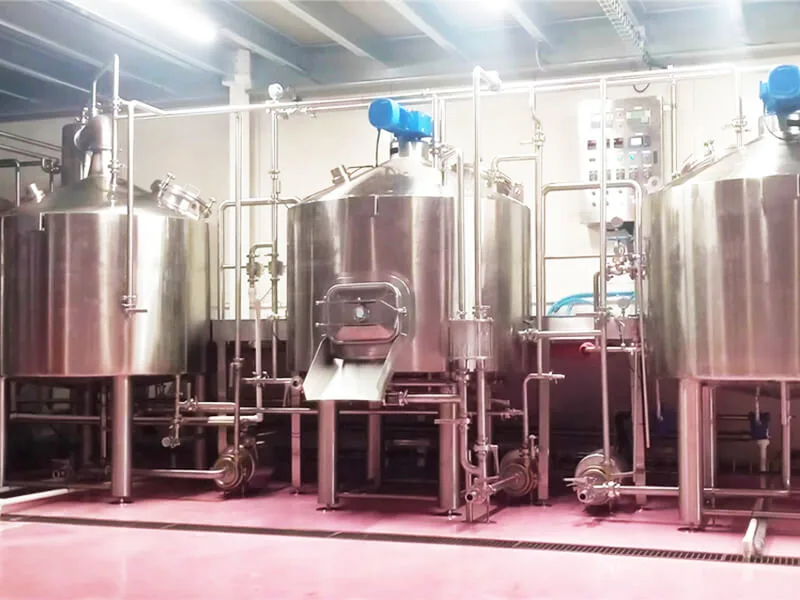
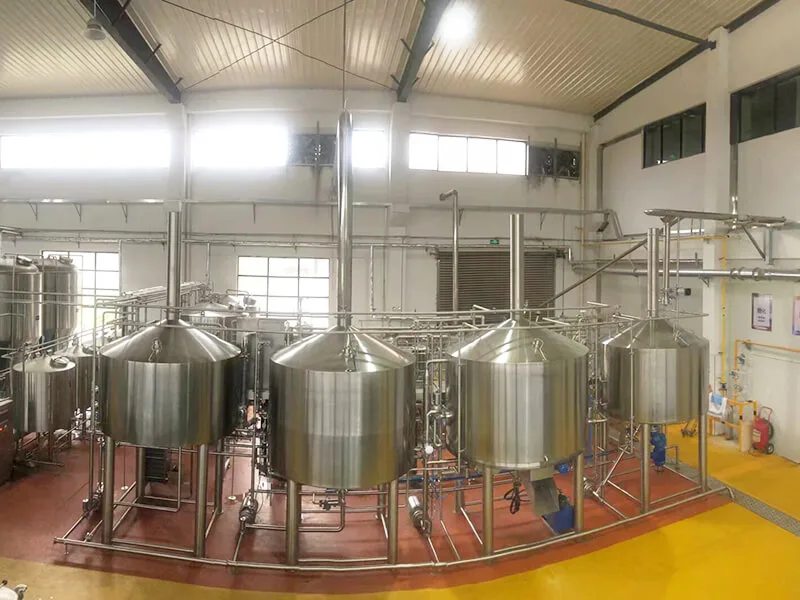
Automated Brewhouse Systems
Automation is not about sophistication—it is about consistency.
Even small temperature deviations during mashing can significantly affect extraction efficiency and wort quality. Automated control systems ensure repeatable results regardless of shift schedules or operator experience.
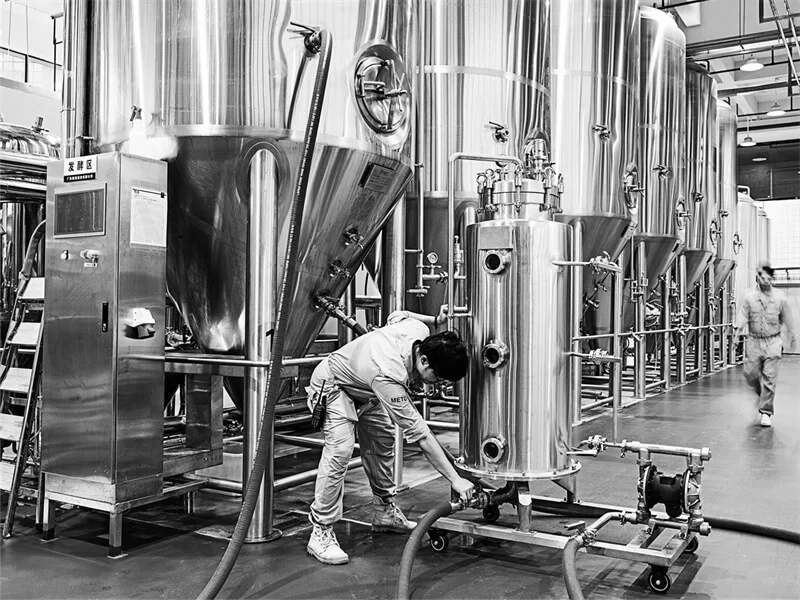
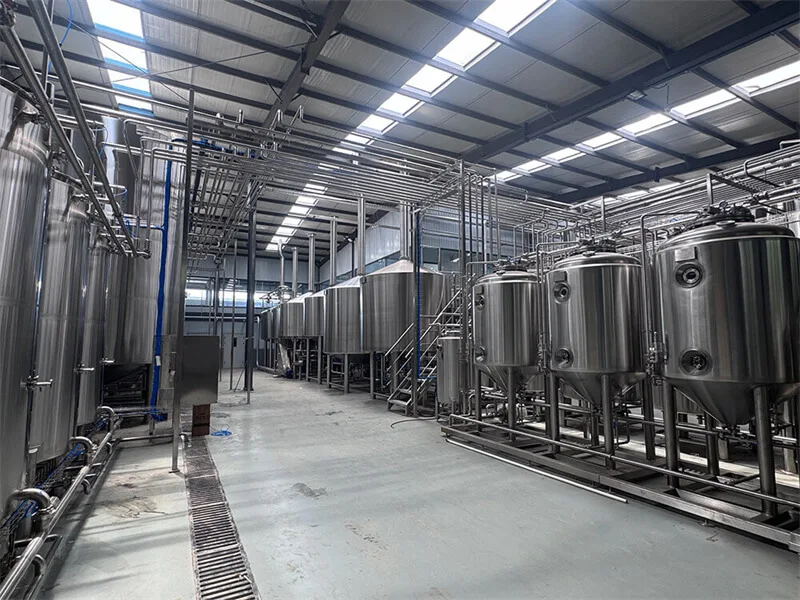
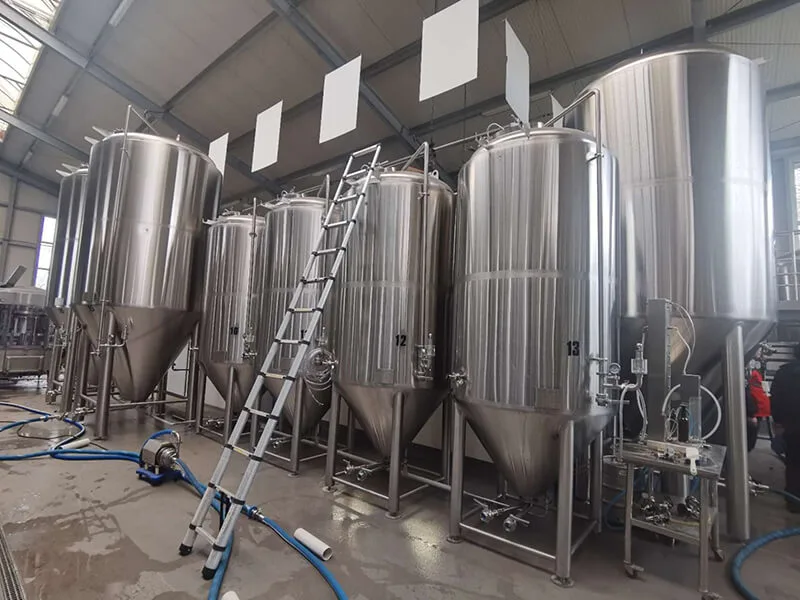
Flexible Fermentation Capacity
A combination of fermentation vessels allows breweries to produce diverse beer styles.
Modern fermenters should provide:
- Precise temperature control
- Pressure regulation
- Automated monitoring
- CIP compatibility
This flexibility supports everything from traditional lagers to highly aromatic ales.
Automated CIP Cleaning Systems
Cleaning is one area where breweries should never compromise.
A properly designed Clean-in-Place (CIP) system automates:
- Caustic cleaning
- Water rinsing
- Acid circulation
- Sanitization
Consistent cleaning procedures reduce contamination risks and protect product quality.
Versatile Packaging Lines
Many breweries purchase separate bottling, canning, and kegging systems, resulting in underutilized equipment.
Modern packaging solutions allow rapid changeovers between:
- Bottles
- Aluminum cans
- Kegs
This flexibility improves equipment utilization and reduces capital investment.
Building a Brewery R&D Center
Innovation is essential for long-term success.
A dedicated pilot brewing facility allows breweries to test recipes before scaling production.
Typical development stages include:
- 200L pilot batches
- 500L validation batches
- 2,000L pre-commercial trials
The objective is to ensure that a beer performs consistently when moving from laboratory development to full-scale production.
Many breweries gain valuable feedback by releasing pilot batches through partner bars and taprooms before committing to large-scale production.
Cold Storage and Logistics: Protecting Product Quality
Freshness remains one of the defining characteristics of craft beer.
Raw Material Storage
Breweries should maintain proper environmental control for:
- Malt
- Hops
- Yeast
- Specialty ingredients
Excess moisture, oxygen exposure, or temperature fluctuations can negatively impact product quality.
Finished Product Cold Rooms
Maintaining storage temperatures between 0–4°C helps preserve freshness and flavor stability.
Cold-Chain Distribution
Temperature-controlled transportation protects beer quality throughout the supply chain and ensures customers receive products in optimal condition.
Creating a Brewery Experience Center
Modern breweries increasingly invest in visitor experiences that strengthen customer engagement.
Features may include:
- Brewery tours
- Glass viewing corridors
- Tasting bars
- Brand history exhibits
- Educational experiences
When consumers witness the brewing process firsthand, trust and brand loyalty increase significantly.
Many breweries discover that on-site experiences generate substantial revenue while strengthening long-term customer relationships.
Choosing Equipment and Technology Wisely
Practical Automation Over Complexity
The most effective brewery automation systems are not necessarily the most advanced—they are the easiest to operate consistently.
A well-designed control system should offer:
- Intuitive interfaces
- Fast operator training
- Multi-language support
- Automated data recording
- Alarm management
- Production reporting
Technology should simplify operations rather than complicate them.
Critical Engineering Considerations
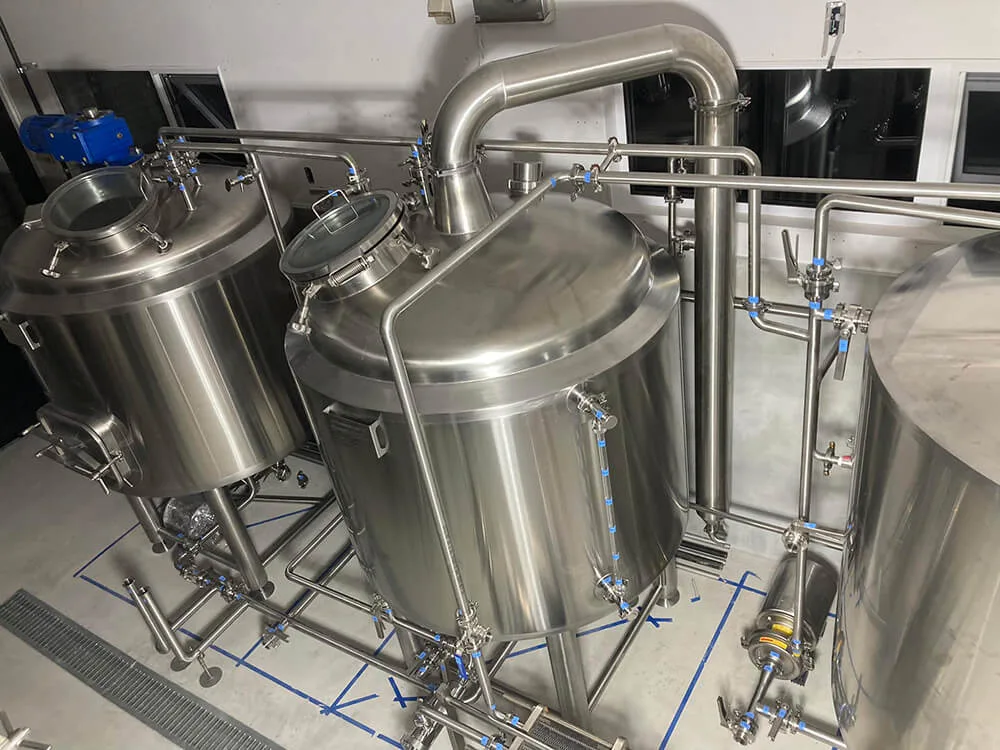
Laser-Welded Stainless Steel Tanks
Weld quality directly affects hygiene performance.
Laser welding creates smoother internal surfaces and minimizes areas where microorganisms can accumulate, improving cleanability and sanitation.
Steam Heating vs. Electric Heating
For large commercial breweries, steam heating typically offers:
- Faster temperature ramp-up
- More uniform heat transfer
- Lower long-term operating costs
While electric systems may suit smaller facilities, steam systems generally provide better economics at commercial production scales.
Flexible Filtration Solutions
Different sales channels require different approaches.
Draft beer supplied to bars may remain unfiltered to maximize flavor expression, while packaged products often benefit from membrane or crossflow filtration to improve shelf stability and appearance.
Packaging Line Performance
Packaging is often the final quality checkpoint before products reach consumers.
Key considerations include:
- Consistent bottle washing performance
- Accurate filling levels
- Foam control during filling
- Reliable labeling
- Product traceability through coding systems
When selecting packaging equipment, long-term service support can be just as important as initial purchase price.
Developing Products and Building a Strong Brand
Creating a Balanced Product Portfolio
Successful breweries typically combine:
Core Beers
- German Wheat Beer
- West Coast IPA
- Stout
- Belgian Witbier
These products provide stable sales and consistent production planning.
Seasonal Releases
Limited-edition beers create excitement and strengthen customer engagement throughout the year.
Regional Specialty Beers
Incorporating local ingredients helps create distinctive products that stand out in increasingly competitive markets.
Local fruits, spices, coffee, herbs, and agricultural products can all contribute to unique regional identities.
Communicating a Clear Brand Message
Consumers connect with simple and authentic stories.
Technical brewing language should support—not replace—clear brand positioning.
Messages centered on freshness, craftsmanship, ingredient quality, and local identity often resonate more strongly than overly technical marketing claims.
Marketing Beyond Traditional Advertising
Effective craft beer marketing focuses on community engagement.
Popular strategies include:
- Craft beer festivals
- Brewery open days
- Brewing workshops
- Collaboration brews
- Restaurant partnerships
- Coffee roastery collaborations
- Online beer communities
The strongest brands create participation rather than simply promoting products.
Sustainable Operations and Long-Term Success
Building the Right Team
A successful brewery depends on people as much as equipment.
Key roles include:
브루마스터
Responsible for recipe development, production management, troubleshooting, and team training.
Production Management
Coordinates scheduling, inventory, maintenance, and operational efficiency.
품질 보증
Ensures every batch meets defined standards and maintains product consistency.
Sales and Marketing
Bridges production capabilities with market demand and customer relationships.
Regular communication between departments helps align production goals with business objectives.
Establishing a Practical Quality Control System
Quality management should be integrated into daily operations rather than treated as paperwork.
An effective approach includes:
- Operator self-inspection
- Cross-department verification
- Independent quality audits
Routine monitoring of gravity, pH, temperature, microbiological indicators, and packaging performance helps maintain consistency across all production batches.
Environmental Responsibility and Safety Management
Sustainability is becoming increasingly important for modern breweries.
Wastewater Treatment
High-strength brewery wastewater requires professional treatment before discharge.
Systems combining anaerobic and aerobic treatment technologies can significantly reduce environmental impact while generating renewable energy.
Energy Recovery
Recovering waste heat from brewing processes improves overall energy efficiency and reduces operating costs.
Safety Management
Breweries must maintain strict procedures for:
- Pressure vessels
- Confined space entry
- Electrical systems
- Steam operations
- Hazardous area management
Strong safety practices protect both employees and long-term business performance.
최종 생각
Building a large-scale craft brewery involves countless decisions that influence future profitability, product quality, and operational efficiency.
Over the years, we have seen projects succeed—and we have also seen expensive mistakes:
- Inefficient facility layouts
- Poor-quality fermentation vessels
- Inconsistent quality control procedures
- Inadequate cold-chain management
- Underutilized packaging equipment
The difference often comes down to experience.
Equipment can be purchased from many suppliers. Practical brewery knowledge, however, is developed through years of designing, building, and operating successful facilities.
Whether your focus is production capacity, equipment selection, automation, packaging, or complete turnkey brewery solutions, investing in the right foundation is the key to long-term success in the evolving craft beer industry.
If you’re currently planning a new line or upgrading an existing one, we’d be glad to help. Reach out to us with your product type, batch size, viscosity, and any special requirements. Our engineering team will walk you through the options and recommend a solution that actually fits your process – no pressure, just practical advice.