
As the craft beer industry continues to expand worldwide, more breweries are moving from small-scale setups to full commercial production. However, one of the most critical decisions a brewer can make is choosing the right brewery equipment. The performance, efficiency, and quality of your brewing system will directly impact your beer consistency, production cost, and long-term scalability.
This guide explains how to evaluate whether a brewery equipment system is truly suitable for commercial brewing — from process design to materials, automation, and cost efficiency.
1. Understand the Brewing Process and Equipment Components
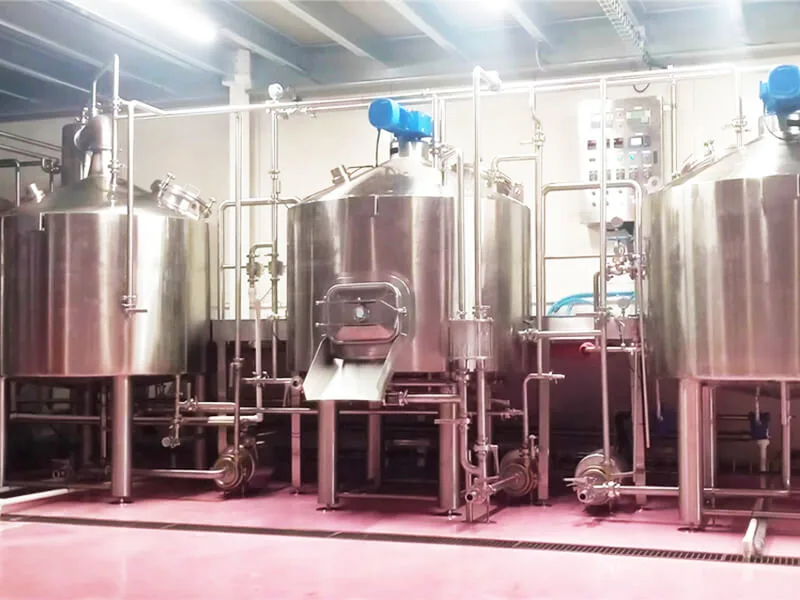
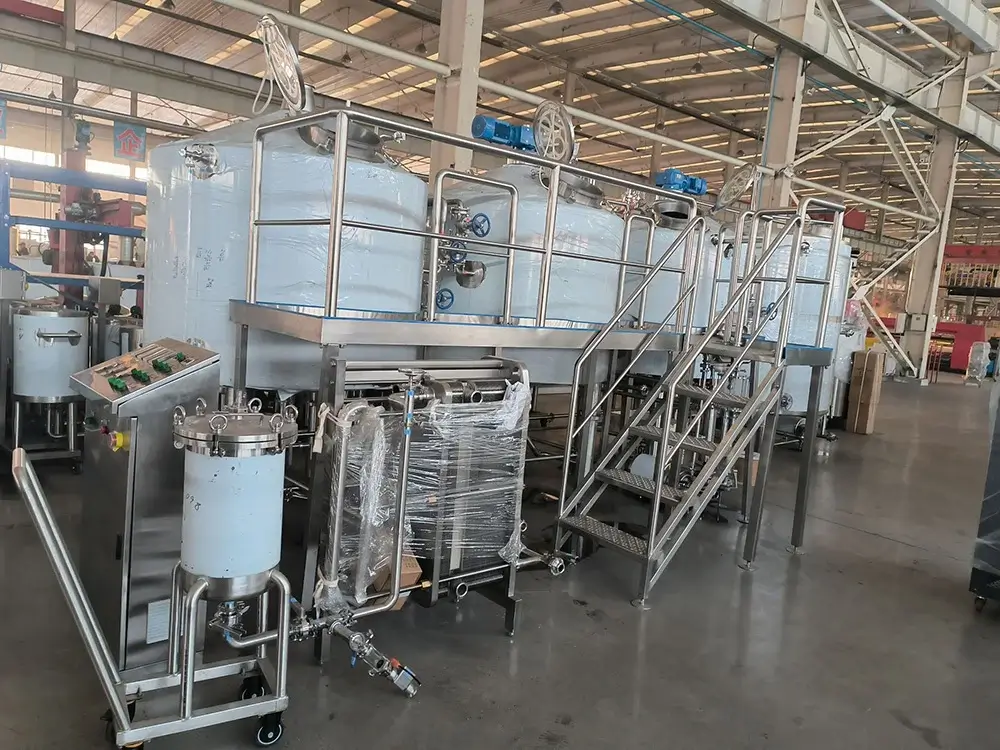
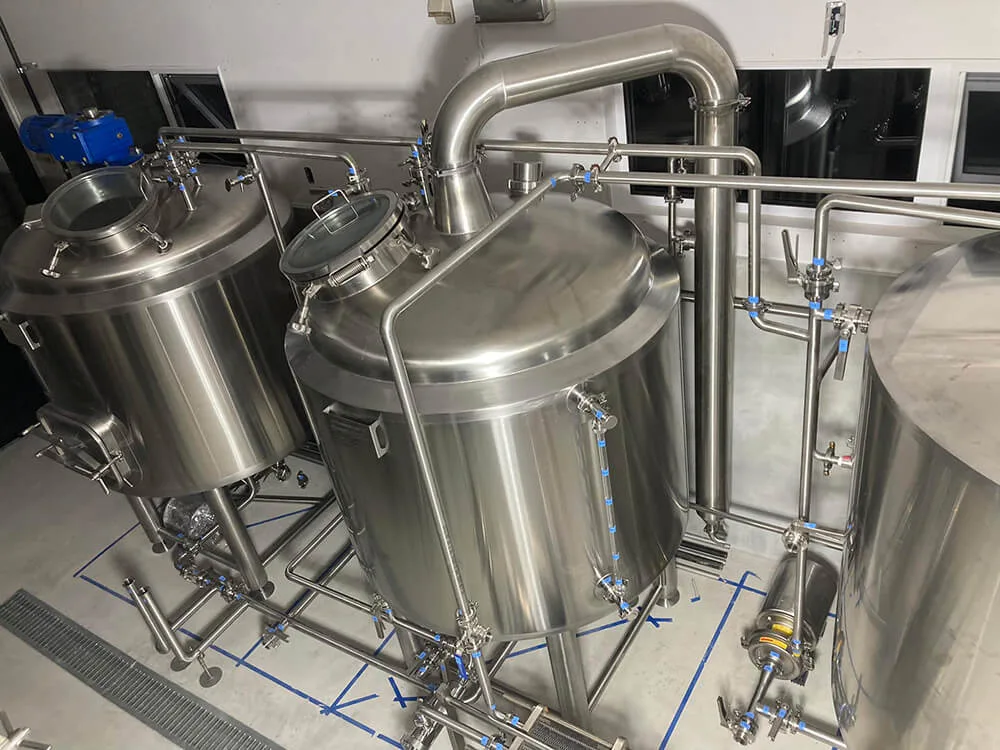
Before investing in any brewing system, it’s essential to understand the full production process and the core equipment involved. A complete 양조장 장비 setup typically includes:
| Brewing Stage | Key Equipment | Important Factors |
|---|---|---|
| Malt Milling | Malt crusher or roller mill | Consistent crush size, adjustable gap, easy cleaning |
| Mashing & Lautering | Mash tun, lauter tun | Temperature control, agitation system, filtration efficiency |
| Boiling & Whirlpool | Kettle, heating system, whirlpool tank | Heating efficiency, hop utilization, steam management |
| 발효 | Fermenters, temperature control unit | Cooling accuracy, pressure safety, sanitary design |
| Cooling & Storage | Heat exchanger, glycol chiller, bright beer tank | Energy efficiency, cooling rate, insulation |
| 패키징 | Filling machine, keg washer, labeling line | Oxygen control, automation, speed and hygiene |
Understanding how each part connects within your brewery layout helps ensure that your system runs efficiently and safely.
2. Evaluate Whether the System Meets Commercial Standards
Not all brewing systems are designed for commercial-scale production. To determine if your 양조장 장비 is ready for professional use, consider the following aspects:
(1) Capacity and Scalability
Your system must match your target output — not just for current demand, but for future growth. Undersized systems limit expansion, while oversized ones waste resources. Choose modular equipment that can be upgraded easily as your production increases.
(2) Automation and Control
Modern brewing relies heavily on precise temperature, pressure, and timing control. A good commercial setup should include programmable logic control (PLC) systems or digital automation that ensures repeatability and reduces operator error.
(3) Material Quality and Craftsmanship
High-grade stainless steel (304 or 316) is essential for durability and hygiene. Inner surfaces should be polished to a sanitary finish to prevent residue buildup and make cleaning easier. Check the welding quality and internal seams — they reflect the craftsmanship behind the system.
(4) Energy Efficiency and Operating Cost
A professional brewing system should not only perform well but also operate economically. Efficient heat exchangers, steam systems, and insulation reduce energy waste and long-term costs. It’s worth comparing the total cost of ownership (TCO) rather than just the purchase price.
(5) After-Sales Support and Maintenance
Reliable technical support, spare parts availability, and on-site installation or training services are vital for smooth daily operation. Choose suppliers who can offer continuous technical backup, not just a one-time sale.
(6) Hygiene and Regulatory Compliance
Commercial brewing equipment must meet food-grade safety standards. All pipes, valves, and fittings should be designed to prevent contamination. Make sure your system complies with local sanitary and pressure-vessel regulations.
3. Plan the Brewery Layout Before Purchasing
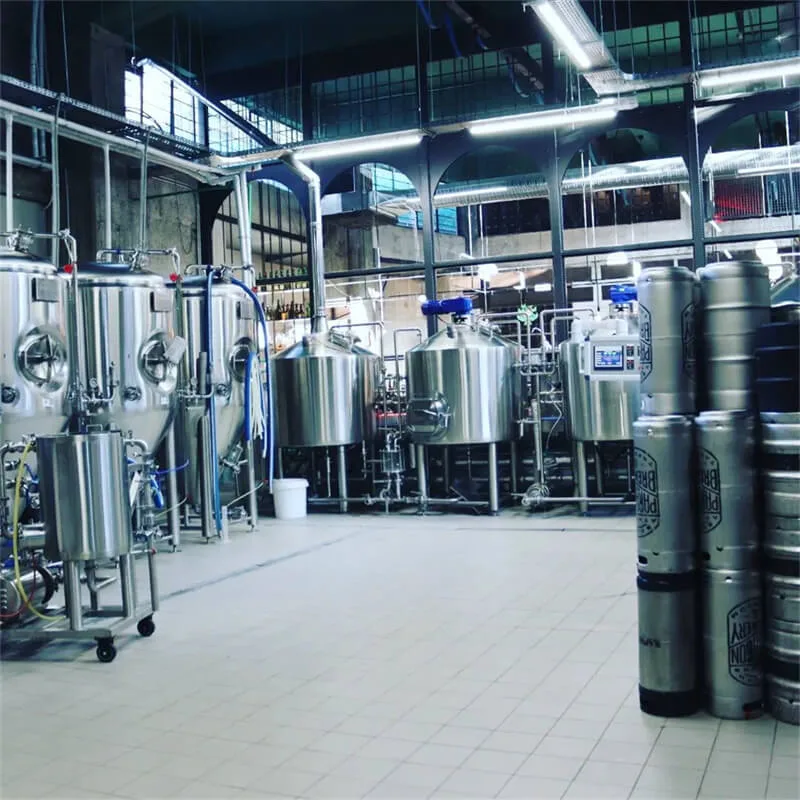
The efficiency of a brewery isn’t just determined by the machines — it’s also shaped by how those machines fit into your space.
- Space Requirements: Small breweries may need around 150–300 m², while large facilities can exceed 1,000 m². Ensure there’s room for workflow, cleaning, and future expansion.
- Utility Connections: Brewing requires a reliable supply of clean water, electricity, steam (or other heat sources), and glycol cooling. Proper drainage and ventilation are equally important.
- Workflow Design: Keep hot zones (mashing, boiling) separate from cold zones (fermentation, packaging) to minimize contamination. Plan the layout for logical product flow from raw material to final packaging.
4. A Practical Step-by-Step Selection Process
Here’s a structured approach to selecting the right brewery equipment for commercial use:
- Define Your Production Goals
- Expected annual output (in liters, barrels, or hectoliters).
- Type of beers you plan to produce (lagers, ales, specialty brews).
- Long-term capacity goals for 3–5 years.
- Create a Process Diagram and Equipment List
- Map each step from milling to packaging.
- List the equipment required, along with size, capacity, and control features.
- Set Performance Benchmarks
- Specify desired precision for temperature (±0.5 °C), cooling speed, and pressure range.
- Evaluate automation level, energy use, and cleaning convenience.
- Calculate Operational Costs
- Estimate water and energy consumption per batch.
- Include maintenance and labor costs in the long-term budget.
- Compare Multiple Suppliers
- Assess technical specifications, craftsmanship, warranty, and project delivery time.
- Visit running installations if possible to verify performance.
- Plan for Compliance and Sustainability
- Ensure all components meet food-safety standards.
- Consider sustainable features like heat recovery and wastewater treatment systems.
5. Key Takeaways
Selecting commercial-grade brewery equipment is more than just buying tanks — it’s about designing a complete production system that supports consistency, quality, and profitability.
To summarize:
Define your goals → Understand the process → Choose scalable equipment → Optimize cost and efficiency → Ensure hygiene and compliance → Build for the future.
Investing time in proper planning and evaluation at the start will save years of operational headaches later. With the right brewery equipment and a well-structured setup, your brewery will be ready to deliver great beer — batch after batch.If you are also interested in our brewery equipment , please feel free to 문의하기 Meto 장비.