For breweries, food manufacturers, and biotechnology companies, reaching full production capacity is a sign of market success. However, when demand continues to grow, expansion brings a new set of operational challenges.
Increasing fermentation capacity is not simply a matter of replacing a 1000L tank with a 10000L tank. A poorly planned expansion can create unexpected problems: inconsistent product quality between old and new batches, inefficient use of production space, higher operating costs, and long commissioning periods.
For manufacturers and producers, the real goal of expansion is not just to produce more—it is to increase output while maintaining the same product characteristics, production efficiency, and profitability.
A successful fermentation system expansion requires careful consideration of three key factors:
- Maintaining product consistency during process scale-up
- Maximizing capacity within existing facilities
- Reducing investment risks and accelerating production startup
A reliable equipment partner should not only provide fermentation tanks but also help customers design a scalable production system that supports long-term business growth.
1. Process Scale-Up: Maintaining the Same Product Quality at Larger Volumes
One of the biggest challenges during fermentation expansion is maintaining consistency.
A recipe that performs perfectly in a 500L pilot tank may behave differently when transferred to a 5,000L or 10,000L production vessel. This is because fermentation is highly influenced by physical conditions inside the tank, including:
- Heat transfer efficiency
- Mixing performance
- Oxygen or gas distribution
- Yeast or microorganism activity
- Pressure control
- Fermentation time
Simply increasing tank dimensions proportionally does not guarantee the same fermentation environment.
For example, a larger tank has a different surface-area-to-volume ratio, which affects cooling efficiency. Poorly designed cooling systems may lead to uneven temperature distribution, resulting in slower fermentation, inconsistent flavor profiles, or reduced product quality.
Engineering-Based Scale-Up Design
A professional fermentation tank manufacturer evaluates the entire fermentation process before designing the equipment.
Key design considerations include:
Tank geometry
The height-to-diameter ratio influences liquid circulation and pressure distribution. The tank design must match the characteristics of the product and fermentation process.
Cooling jacket configuration
The cooling area, jacket type, and cooling channel design directly affect temperature control accuracy. For high-volume production, optimized cooling performance is essential for maintaining fermentation stability.
Internal flow and mixing behavior
For applications requiring agitation or precise mass transfer control, engineers analyze fluid movement and mixing efficiency to ensure consistent conditions throughout the vessel.
Automation and monitoring
Modern fermentation systems can integrate temperature sensors, pressure monitoring, flow control, and PLC-based automation to provide real-time process management.
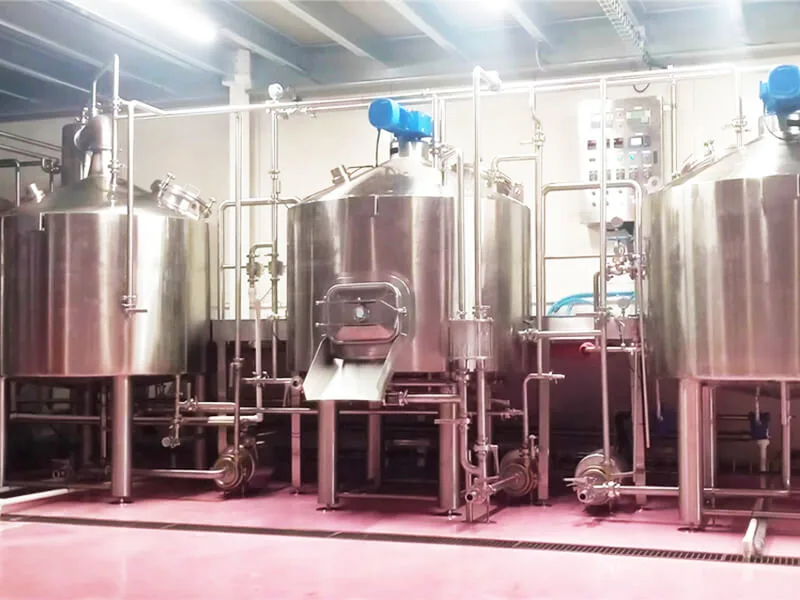
At METO, fermentation tanks are designed based on actual production requirements rather than simple capacity calculations. Whether expanding from a small pilot system to a commercial brewery or upgrading an industrial fermentation line, the objective is always the same: replicate the original process performance at a larger scale.
The right expansion strategy protects the product quality that customers already recognize while creating room for future growth.
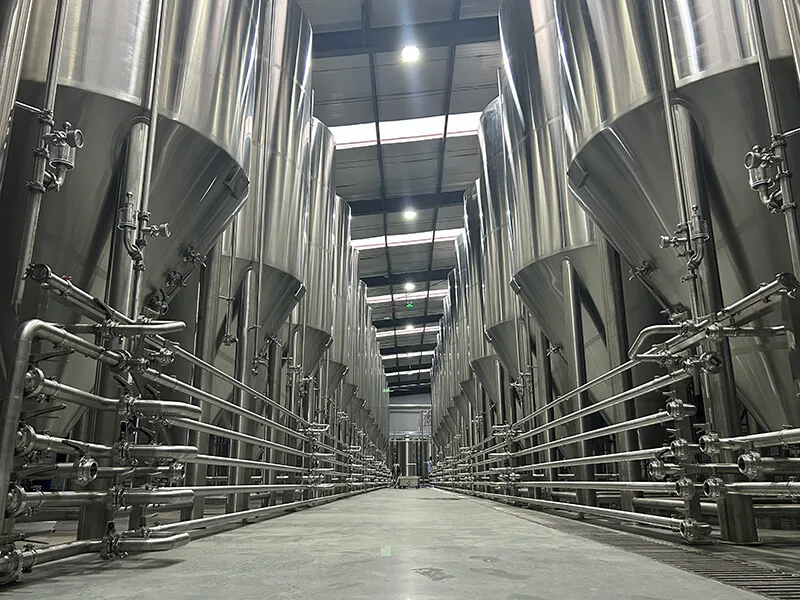
2. Maximizing Existing Facility Space Through Smart Tank Design
When companies expand production, building a new facility is often the most expensive option. In many cases, the first challenge is not finding more customers—it is finding more usable space.
Existing factories, breweries, and processing facilities usually have limitations:
- Limited floor area
- Fixed ceiling height
- Existing pipelines and utilities
- Restricted equipment access routes
- Limited space for future expansion
A successful fermentation expansion must work within these real-world conditions.
Custom Equipment Layout Instead of Standard Tank Placement
Standard tanks may fit the specifications on paper but create inefficient production layouts. Professional equipment design considers the entire workflow, including:
- Raw material movement
- Tank access and maintenance
- CIP connections
- Piping distance
- Operator working areas
- Future capacity additions
A well-designed fermentation system can significantly improve production efficiency without requiring major construction changes.
Modular Expansion: Growing Step by Step
For many growing businesses, investing in a single oversized system creates unnecessary financial pressure.
A modular approach allows companies to expand capacity according to market demand.
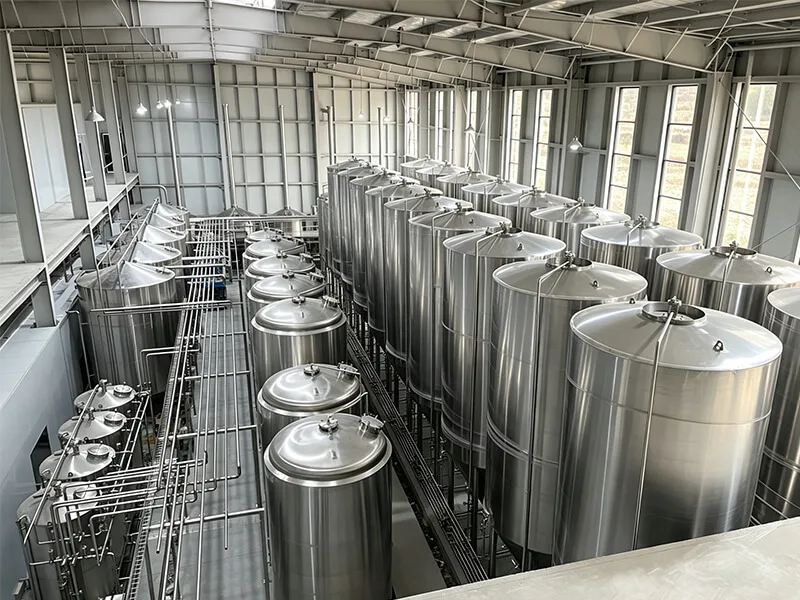
For example, instead of installing one large fermentation vessel immediately, a brewery may choose multiple fermentation tanks that can be added gradually as sales increase.
Benefits include:
- Lower initial investment
- 간편한 설치
- Reduced production disruption
- Flexible future expansion
This approach is especially valuable for craft breweries, beverage startups, and emerging food manufacturers that need to balance growth opportunities with financial control.
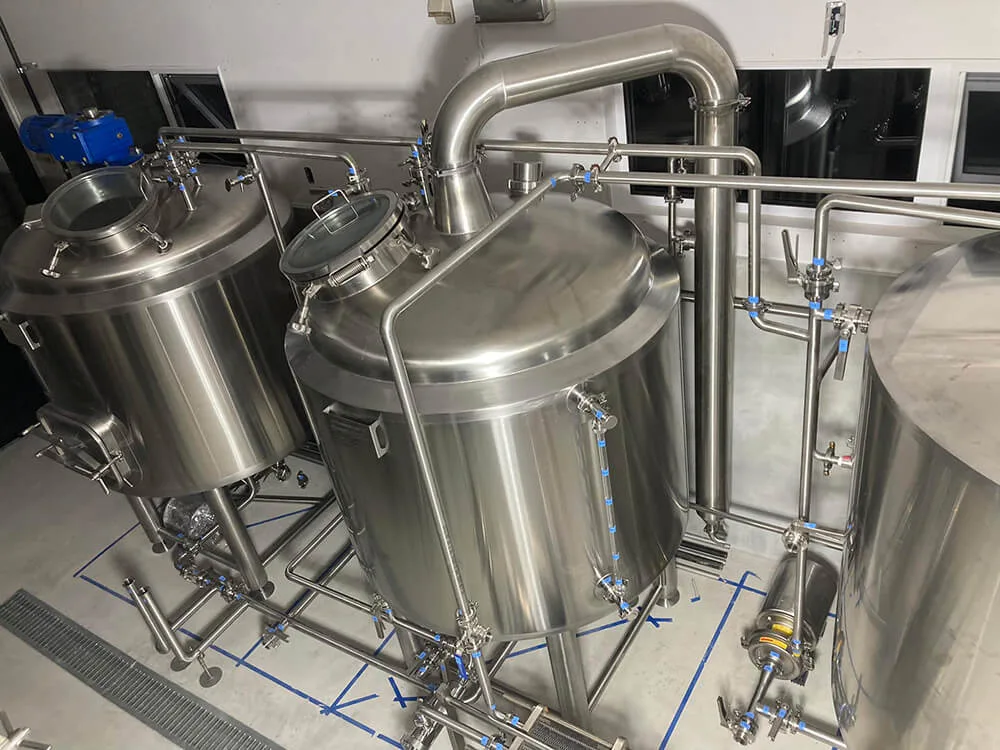
Custom Tank Dimensions for Better Space Utilization
Every production site is different. A professional manufacturer can customize:
- Tank diameter and height
- Manhole position
- Piping direction
- Cooling jacket arrangement
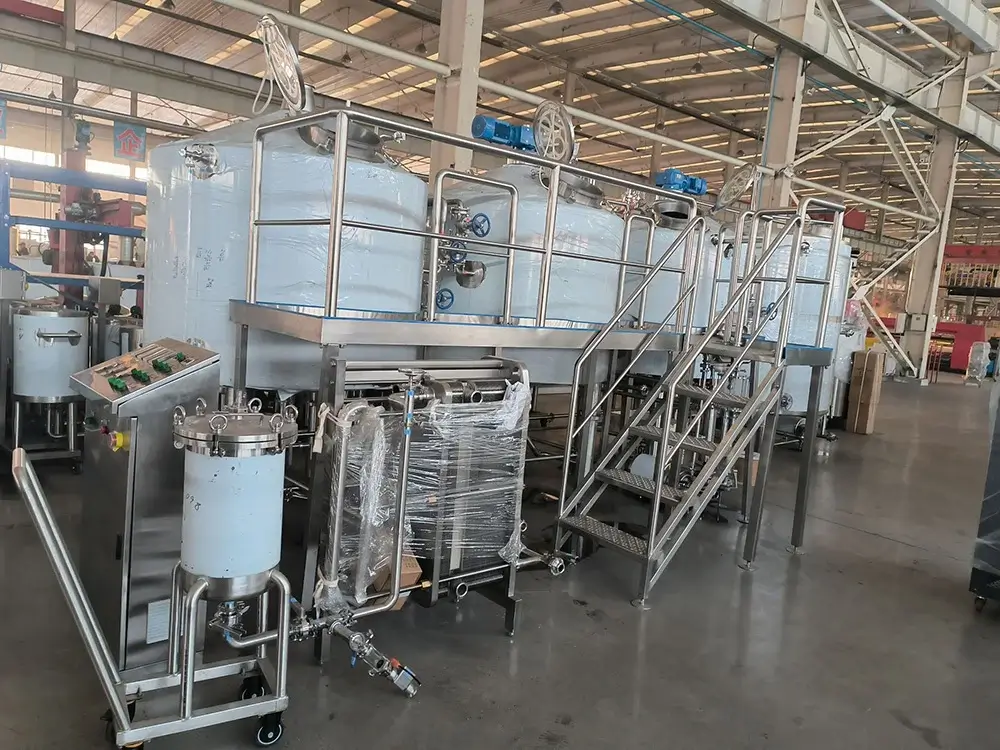
- Platform and support structure
This allows customers to maximize available space while maintaining safe operation and efficient maintenance.
Equipment design should adapt to the factory—not force the factory to adapt to the equipment.
3. Controlling Expansion Costs: Looking Beyond Initial Equipment Price
During expansion planning, many companies focus heavily on the purchase price of new tanks. However, the actual cost of ownership includes much more than the initial investment.
A fermentation system operates for many years, and factors such as energy consumption, cleaning efficiency, maintenance requirements, and labor costs directly affect profitability.
Total Cost of Ownership (TCO) Matters
A well-designed fermentation tank can reduce long-term operating expenses through:
Improved insulation performance
High-quality insulation minimizes heat loss and reduces the workload of refrigeration systems.
Optimized cooling system design
Proper cooling jacket design improves temperature control efficiency and reduces unnecessary energy consumption.
Efficient CIP integration
A properly designed CIP system reduces cleaning time, chemical consumption, and manual labor requirements while improving hygiene standards.
Reliable manufacturing quality
High-quality stainless steel fabrication, precise welding, surface polishing, and pressure testing reduce maintenance issues and extend equipment service life.
A lower purchase price does not always mean a lower overall cost. Equipment reliability and operating efficiency have a much greater impact over the entire production lifecycle.
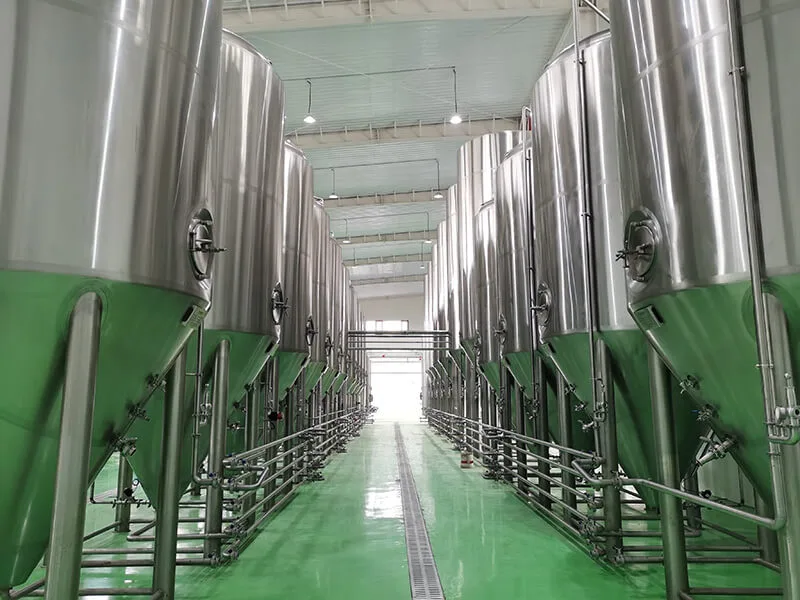
4. Shortening Installation Time: From Equipment Delivery to Production Faster
For expanding businesses, time is a critical factor.
Every month of delay means missed production opportunities and delayed revenue. Therefore, equipment selection should consider not only manufacturing quality but also project execution capability.
A professional fermentation equipment supplier should support customers throughout the entire process:
Engineering and Layout Support
Before manufacturing begins, engineers review:
- Production requirements
- Facility conditions
- Utility connections
- Future expansion plans
This reduces installation problems before equipment arrives.
Factory Testing and Quality Control
Before shipment, equipment should undergo:
- Material inspection
- Welding quality inspection
- Pressure testing
- Surface finish inspection
- Functional testing of components
Proper factory testing minimizes unexpected issues during installation.
Installation Guidance and Commissioning Support
For international customers, overseas installation can be challenging. A complete solution includes:
- Detailed installation drawings
- Piping diagrams
- Operation manuals
- Remote technical support
- On-site commissioning when required
The goal is simple: help customers move from equipment delivery to commercial production as quickly and smoothly as possible.
5. Choosing the Right Equipment Partner for Long-Term Growth
When expanding fermentation capacity, companies are not simply buying tanks. They are investing in their future production capability.
The right manufacturer should understand:
- Your current production challenges
- Your target market growth
- Your product requirements
- Your facility limitations
- Your long-term expansion plans
A professional equipment supplier provides more than stainless steel vessels. They provide engineering support, production experience, and a roadmap for scalable growth.
At METO, we work with breweries, beverage companies, food manufacturers, and industrial fermentation businesses worldwide to design customized fermentation solutions.
From pilot-scale systems to large commercial production facilities, our focus is helping customers increase capacity without sacrificing quality, efficiency, or business flexibility.
Successful expansion is not about installing bigger tanks. It is about building a production system that allows your business to grow with confidence.
Let us build your brewery. Let your beer tell the story.