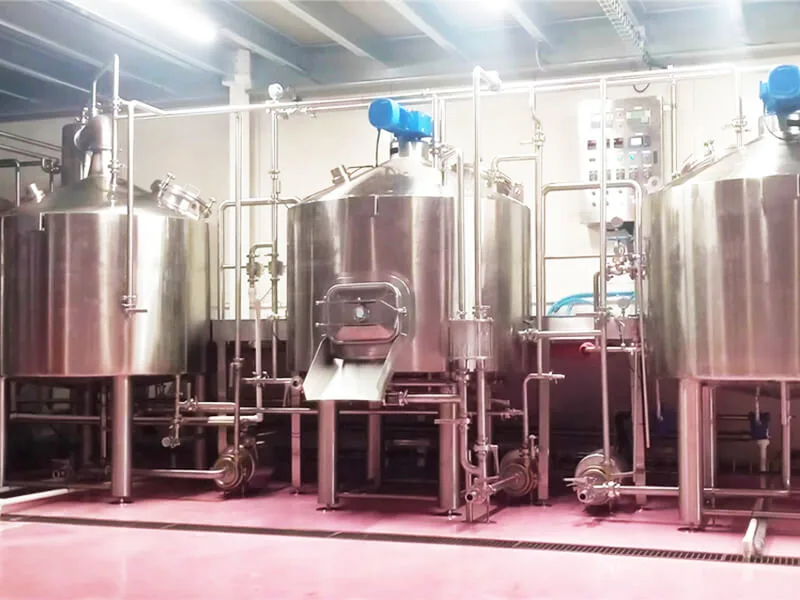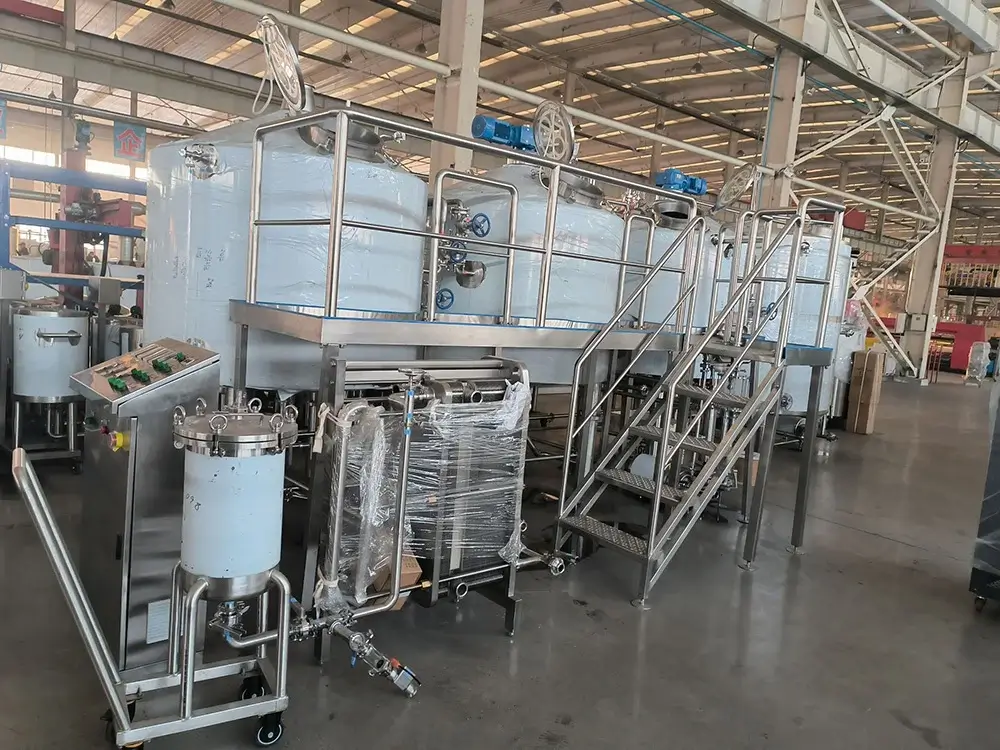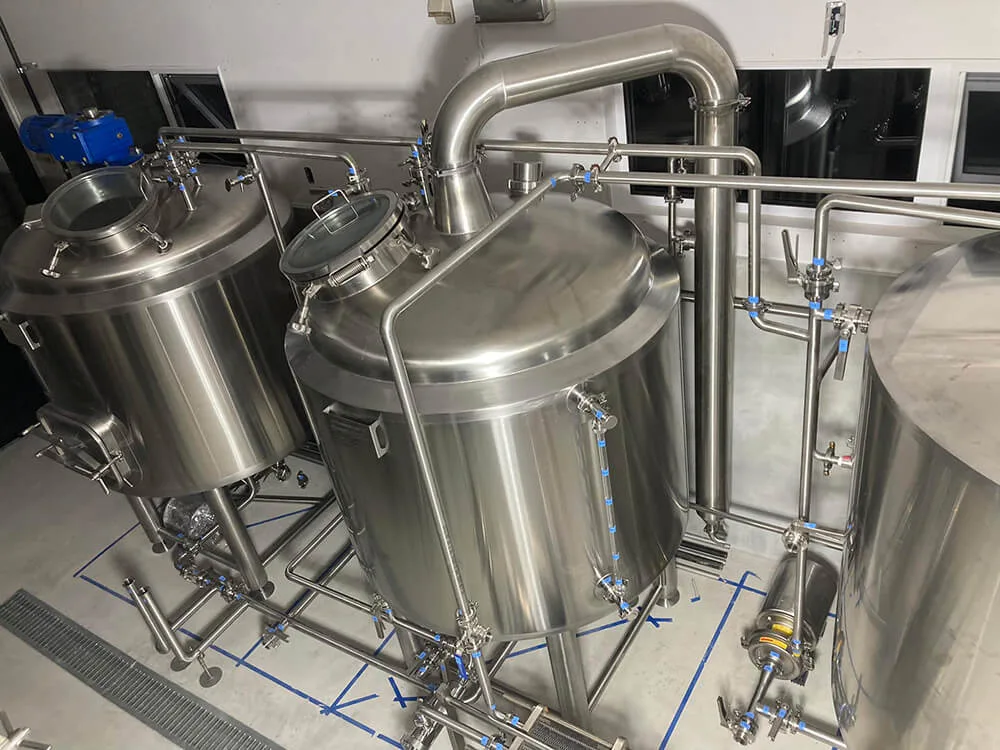
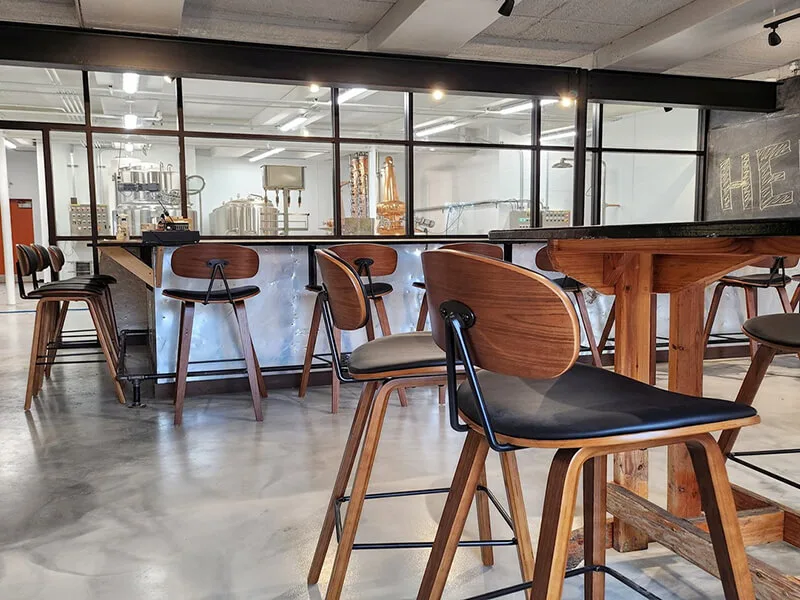
많은 초보 증류업자들은 탱크와 파이프, 그리고 높은 증류탑이 줄지어 있는 모습을 처음 보면 막막함을 느낍니다. 잘못된 설비를 선택하면 비용과 원료, 시간을 낭비하게 될 수 있습니다. 생산 목표에 부합하는 잘 설계된 시스템은 더 순도 높은 증류주를 생산하고, 안전성을 높이며, 레시피를 더 쉽게 재현할 수 있도록 도와줍니다.
간단히 말해, 증류 장비는 발효된 액체를 증류주로 만드는 데 사용되는 용기, 파이프 및 제어 장치로 구성된 시스템입니다. 주요 구성 요소로는 일반적으로 가열 용기(증류 솥), 증류기 헤드, 증류탑 또는 목, 그리고 응축기가 포함됩니다. 이러한 부품들이 서로 연동되어 알코올을 물 및 향미 성분으로부터 분리함으로써, 제조업체는 위스키, 럼, 보드카, 진과 같은 증류주를 생산할 수 있습니다.
What Is Distilling Equipment and How Does It Work?
The basic principle of distillation is simple: heat a liquid until alcohol evaporates, capture the alcohol-rich vapor, and cool it back into liquid form.
A typical distillery equipment setup starts with a heated still pot. Fermented liquid is warmed gently until alcohol and lighter aroma compounds turn into vapor before water does. The vapor rises through the still head or column and enters the cooling section.
When the vapor touches the cold surface of the condenser, it turns back into liquid and flows into a collection container.
Modern distilling equipment allows precise control of heat, cooling speed, and vapor flow. Because of this control, the same process can produce very different spirits—from rich whiskey to neutral vodka.
Pot Still vs Column Stills: Which Is Right for Your Spirits?
When people discuss distilling equipment, they usually compare two main designs: pot still and column stills.
포트 스틸
A pot still is a batch distillation system with a round or onion-shaped pot and a curved neck leading to a condenser.
Pot stills are traditionally used to produce flavorful spirits such as:
- whiskey
- rum
- brandy
- craft moonshine
Because the process keeps more heavy flavor compounds, the final spirit is often richer and more complex.
Column Stills
Column stills are tall vertical towers with multiple plates inside. Rising vapor repeatedly contacts falling liquid inside the column, creating strong purification.
Column stills are commonly used for lighter spirits such as:
- vodka
- neutral spirits
- base alcohol for gin
Large distilleries often use column stills for continuous production because they can run for long periods with stable output.
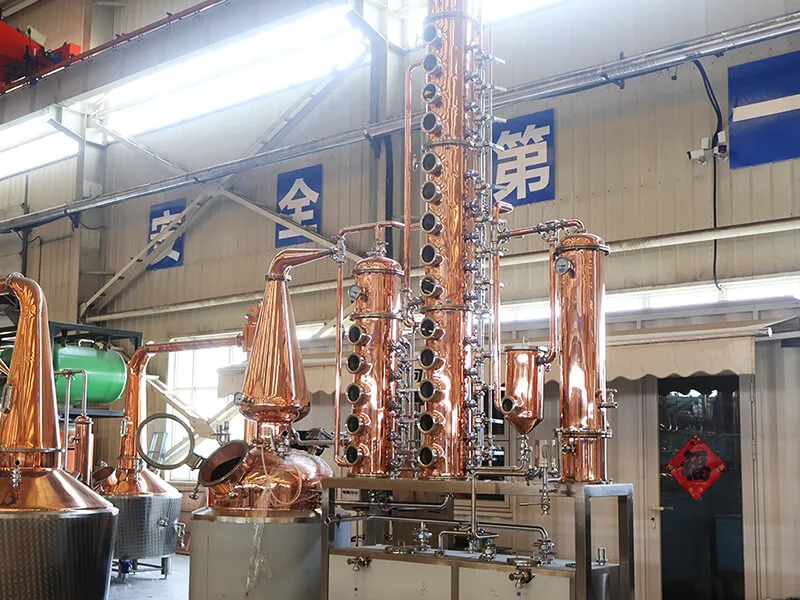
Hybrid Systems
Many craft distilleries use hybrid systems that combine a pot still with a short column.
By adding or removing plates in the column, distillers can switch between heavy spirits like whiskey and cleaner spirits such as gin or vodka using the same equipment.
Copper vs Stainless Steel: Choosing the Right Material
Most modern distillery equipment is made from copper, stainless steel, or a combination of both.
Copper
Copper has been used in distillation for centuries. It conducts heat well and reacts with sulfur compounds in vapor. This reaction removes harsh smells and improves the aroma of spirits.
Because of this, copper is highly valued in pot still systems used for whiskey or rum.
Stainless Steel
Stainless steel is strong, affordable, and easy to clean. It is resistant to corrosion and is widely used for fermentation tanks, storage tanks, and structural parts.
Many modern distilling equipment designs combine the two materials. For example, the main vessel may be stainless steel while the vapor path contains copper parts.
This hybrid approach offers good durability while still benefiting from copper’s flavor-improving properties.
From Fermentation to Distillation: The Full Process
Distillation begins long before the still is heated.
First, raw materials such as grains, fruit, or sugar are mixed with warm water to create a mash or wort. During this stage, starch converts into fermentable sugar.
After cooling, yeast is added. In fermentation tanks, yeast consumes sugar and produces alcohol, carbon dioxide, and flavor compounds. The result is a fermented liquid similar to beer or wine.
This liquid is then transferred into the still. When heated, alcohol vapor separates from water and other components. The vapor travels through the distilling equipment, condenses, and becomes distilled spirit ready for aging, blending, or bottling.
Key Components of Modern Distilling Equipment
A complete distillery equipment system usually includes several important components:
Still pot or boiler
Heats the fermented liquid.
Column or neck
Guides vapor upward and helps purify alcohol.
콘덴서
Cools vapor back into liquid.
Plates or sight glasses
Allow distillers to monitor and control the distillation process.
Columns with multiple plates increase contact between vapor and liquid, which produces a cleaner spirit. Sight glasses help operators observe how each plate performs and improve their control over spirit cuts.
A reflux condenser above the column can return part of the condensed liquid back into the column. Adjusting this reflux helps control the final purity of the spirit.
Choosing the Right Production Size
Before purchasing distilling equipment, it is important to plan the full production workflow.
The size of your mash system and fermentation tanks determines how often your still can run.
A common starting setup for a small craft distillery includes:
- one mash system
- two or three fermentation tanks
- one pot still or hybrid still
This setup allows regular small-batch production while keeping operating costs manageable. As demand grows, additional fermentation tanks or another still can be added.
Moonshine and Home Distilling Basics
Many people first learn about distillation through the world of moonshine and home experimentation.
Traditional moonshine setups often use small copper pot still designs with a coil condenser. Modern hobby systems improve safety with better seals, pressure relief valves, and food-grade fittings.
However, laws on moonshine production vary by country, so it is important to understand local regulations before using any distilling equipment.
Safe operation always requires:
- good ventilation
- stable equipment support
- reliable cooling water
- proper cleaning procedures
Professional Distillery Equipment for Commercial Production
Once production moves beyond hobby level, the scale and complexity increase significantly.
Commercial distillery equipment often includes:
- grain handling systems
- mash preparation equipment
- multiple fermentation tanks
- one or more stills
- cooling and cleaning systems
At this stage, the distillery is designed as a complete production facility rather than just a single machine.
Custom layouts help improve workflow, reduce labor movement, and ensure utilities like steam, electricity, and cooling water are properly sized.

Distillation Kits and Supply Packages
For smaller projects, some suppliers offer distillation starter packages. These kits typically include:
- pot still
- a column
- a condenser
- basic control systems
- essential fittings and accessories
In addition to the main hardware, distillers also need supplies such as hoses, gaskets, clamps, cleaning tools, and lab equipment.
Buying a matched system from one supplier can reduce compatibility issues and simplify maintenance.
Matching Spirits to Distillation Equipment
Different spirits often require different equipment styles.
| Spirit Style | Typical Equipment | Flavor Result |
|---|---|---|
| Whiskey | Pot still with short column | Rich grain flavor |
| 럼 | Column still with more plates | Cleaner base spirit |
| 보드카 | Tall column with reflux | Very pure neutral alcohol |
| Gin | Column still with botanical basket | Infused botanical aroma |
| Fruit Brandy | Pot still with gentle heating | Preserves fruit aroma |
These are starting points. Many distillers fine-tune their setups to develop unique house styles.
Cleaning, Safety, and Long-Term Maintenance
Even the best distilling equipment requires proper maintenance.
Key practices include:
- regular cleaning
- pressure checks
- good ventilation
- safe handling of hot liquids and alcohol vapor
Many modern systems include CIP (Clean-in-Place) spray balls, smooth welds, and well-placed manways to simplify cleaning.
Clear documentation, piping diagrams, and equipment manuals also help technicians troubleshoot problems quickly and safely.
Conclusion: Why Material Choice Matters
Material selection plays a major role in the final flavor of distilled spirits.
Copper acts as a natural purifier, removing sulfur compounds and improving aroma. This makes it especially important for spirits such as whiskey, rum, and brandy.
Stainless steel is neutral and durable. It protects the original character of the fermented liquid and is widely used for tanks and structural components.
Today, most professional distillery equipment uses a hybrid approach—copper in the vapor path and stainless steel in the main structure. This design balances flavor quality, durability, and cost.
If your goal is to produce whiskey, rum, vodka or gin, investing in a well-designed system with copper in the key vapor contact areas is one of the most effective ways to improve spirit quality and long-term production stability.
If you are planning to build a distillery, feel free to contact us for our equipment list.