Distilled wine is wine that has undergone distillation to increase its alcohol concentration. During normal winemaking, yeast converts the natural sugars in grape juice into alcohol through fermentation. However, fermentation has a natural limit—when alcohol levels rise above about 15–16% ABV, yeast can no longer survive.
To produce stronger beverages such as brandy or grape spirits, wine must be distilled using specialized distillery equipment.
Distillation works because ethanol has a lower boiling point than water. When wine is heated, alcohol evaporates first. The vapor is then cooled in a condenser and collected as a higher-strength spirit.
Besides ethanol, the distillation process also extracts aromatic compounds and congeners that influence the final product’s flavor, aroma, and mouthfeel.
Wine Production Before Distillation
Before distillation, grapes must go through the basic winemaking process to produce a base wine suitable for spirits production.
Grape Crushing and Destemming
After harvest, grapes are crushed to release juice. Modern wineries use mechanical crushers to separate juice from the skins efficiently.
Destemming removes grape stems to avoid unwanted bitterness and vegetal flavors.
발효
Fermentation is the stage where yeast converts sugar into alcohol and flavor compounds.
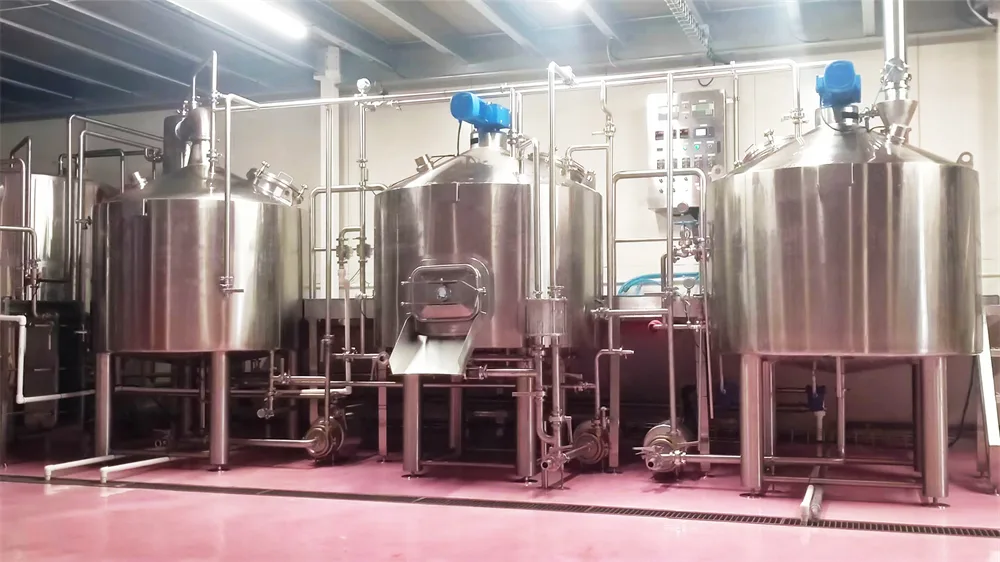
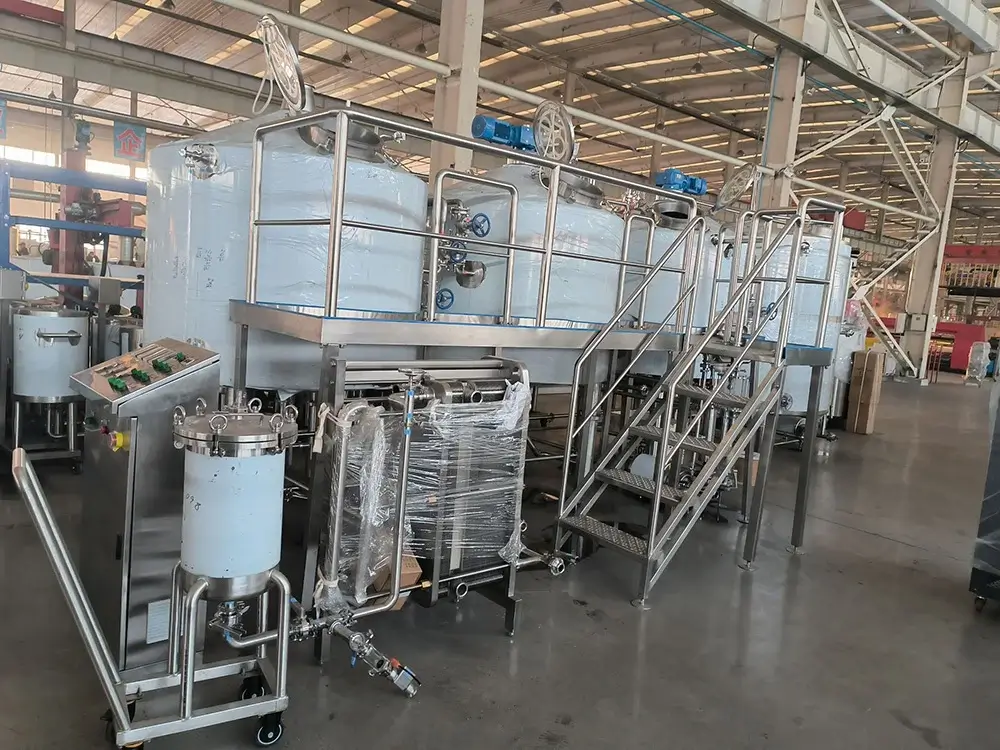
Modern wineries typically use stainless steel wine fermentation tanks because they provide:
- Excellent temperature control
- Airtight environments that prevent oxidation
- Easy cleaning and sanitation
Red wines usually ferment with skins at higher temperatures, while white wines ferment at lower temperatures to preserve fresh fruit aromas.
누르기
Pressing separates the liquid wine from grape skins and solids.
Common equipment includes vertical and horizontal presses, which help extract juice efficiently while avoiding excessive bitterness. These machines are essential parts of a professional winey equipment system.
Aging and Clarification
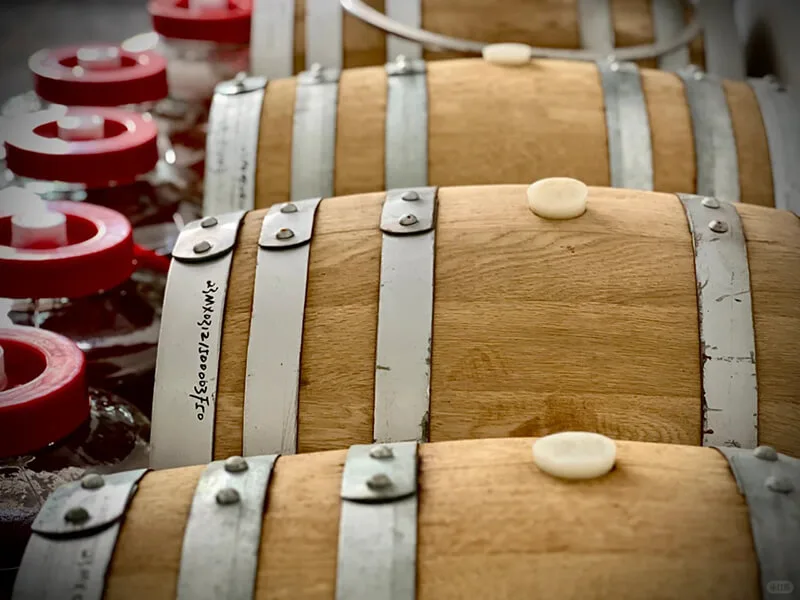
After fermentation, wine may be aged in oak barrels or stainless steel tanks depending on the desired flavor profile.
Before bottling, wines typically undergo filtration and clarification to remove sediments and impurities, ensuring clarity and stability.
Essential Distillery Equipment
Producing grape spirits requires specialized distillery equipment and brewing systems.
증류 포트
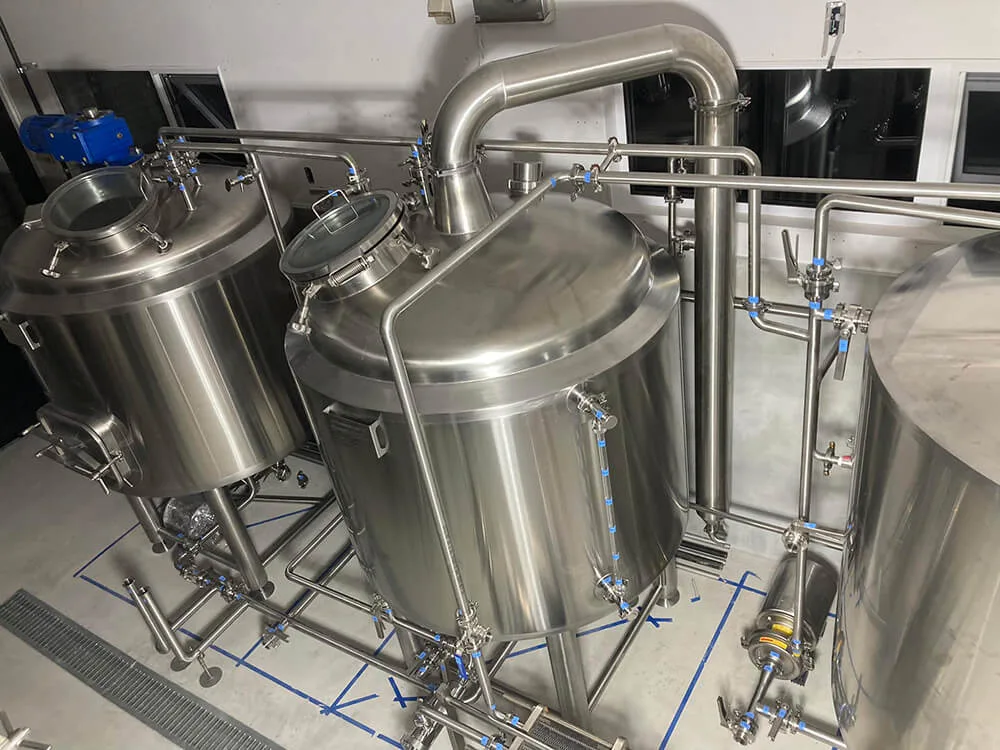
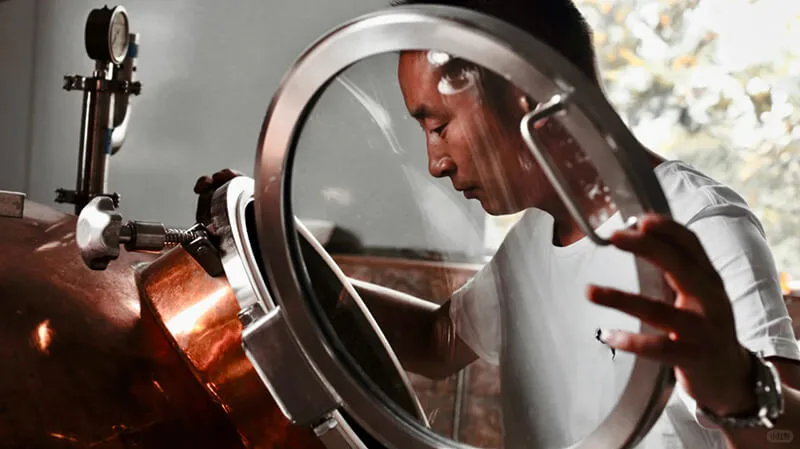
The distillation pot is the vessel where wine is heated.
Common materials include:
- Copper – improves aroma by removing sulfur compounds
- Stainless steel – durable, corrosion-resistant, and ideal for large-scale production
Heating System
Heat is applied to evaporate alcohol from the wine. Modern distilleries often use steam heating systems because they provide precise temperature control and prevent scorching.
콘덴서
The condenser cools alcohol vapor and converts it back into liquid form. Efficient condensation ensures maximum alcohol recovery and stable production.
Fractionating Column
A fractionating column helps separate different components of the vapor during distillation, allowing distillers to isolate the desired alcohol fraction while removing impurities.
Temperature Control System
Precise temperature monitoring is essential during distillation because different compounds evaporate at different temperatures. Modern brewing systems often include automated temperature control for consistent results.
How to Choose Distillery Equipment
Selecting the right distillery equipment depends on several key factors.
Production Goals
If the goal is high-purity alcohol, systems with fractionating columns are recommended. For aromatic spirits like brandy, traditional copper pot stills are often preferred.
Equipment Material
Material affects both durability and flavor:
- Copper improves aroma and removes sulfur compounds
- Stainless steel offers durability and easier maintenance
Production Capacity
Capacity should match the scale of production:
- 50–500 L systems for craft distilleries
- 500 L or larger systems for industrial production
Choosing the correct capacity improves efficiency and reduces energy consumption.
Maintenance and Cost
Easy-to-clean equipment reduces maintenance time and helps maintain product quality. Stainless steel systems are generally easier to maintain and more cost-effective for large operations.
결론
Distilled wine production combines traditional winemaking with modern distillery equipment and brewing systems. From fermentation in stainless steel wine fermentation tanks to alcohol separation in advanced distillation units, every stage influences the final spirit’s quality.
For wineries and spirit producers, investing in reliable winey equipment and distillation systems is essential for producing consistent, high-quality grape spirits.
If you are planning to build a brewery, feel free to contact us for our equipment list.