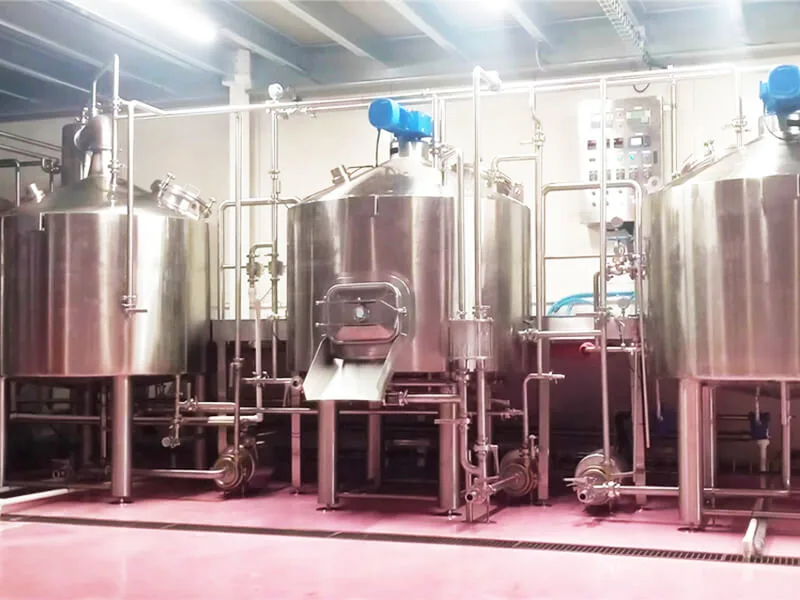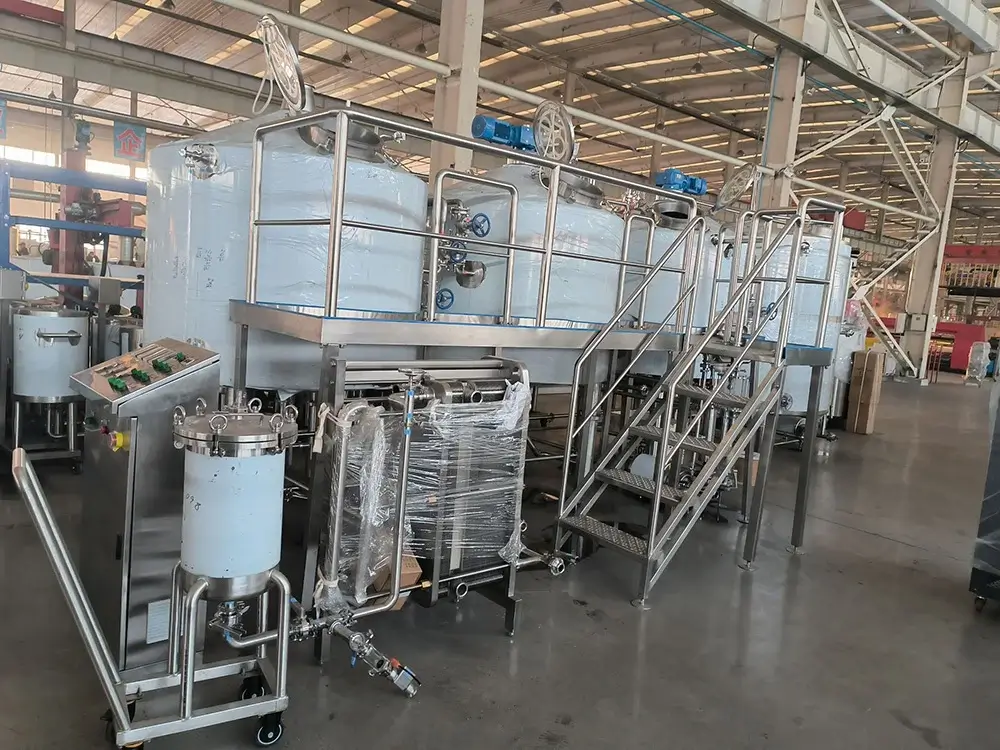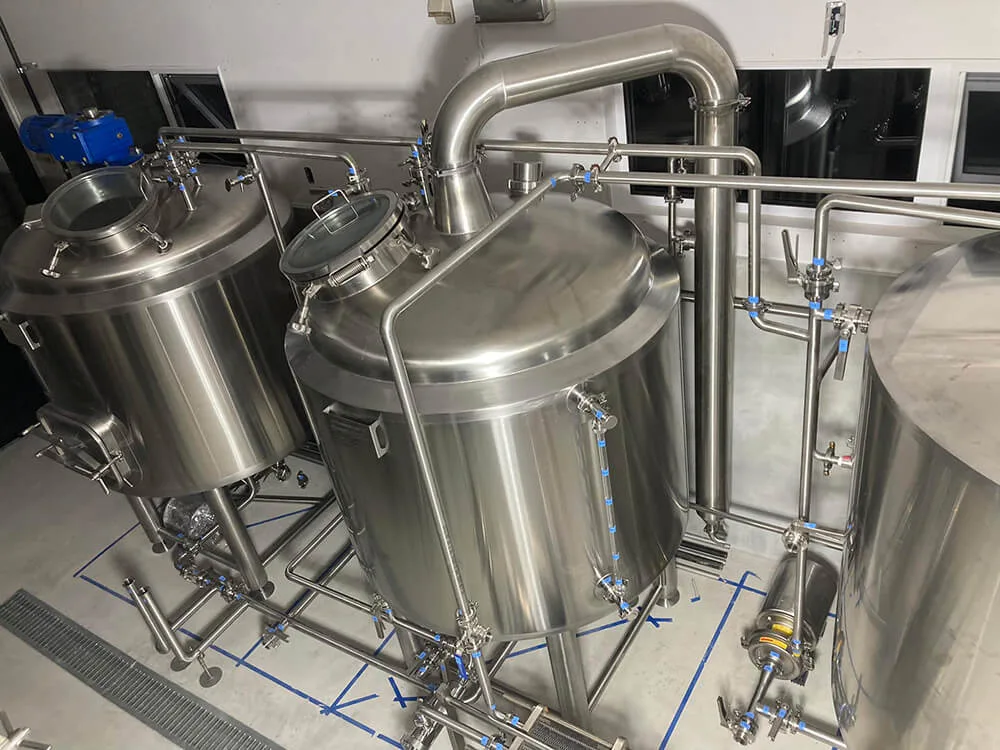
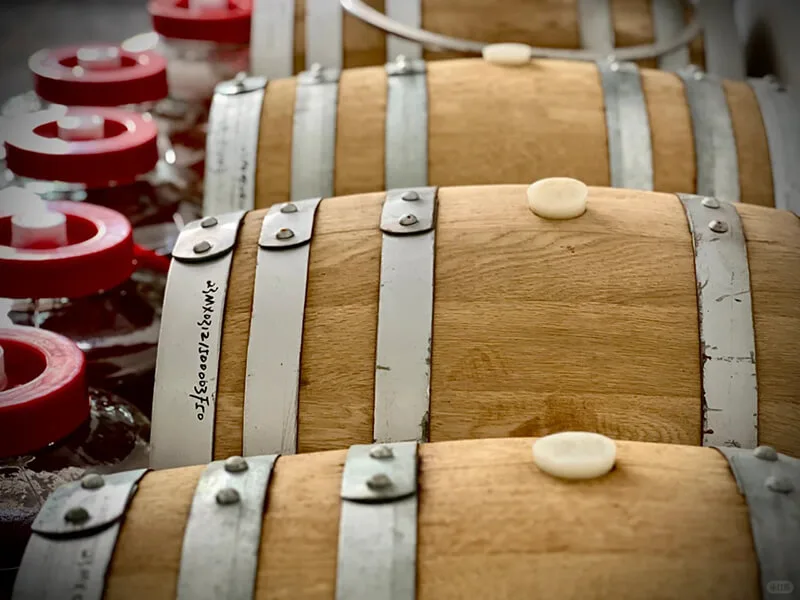
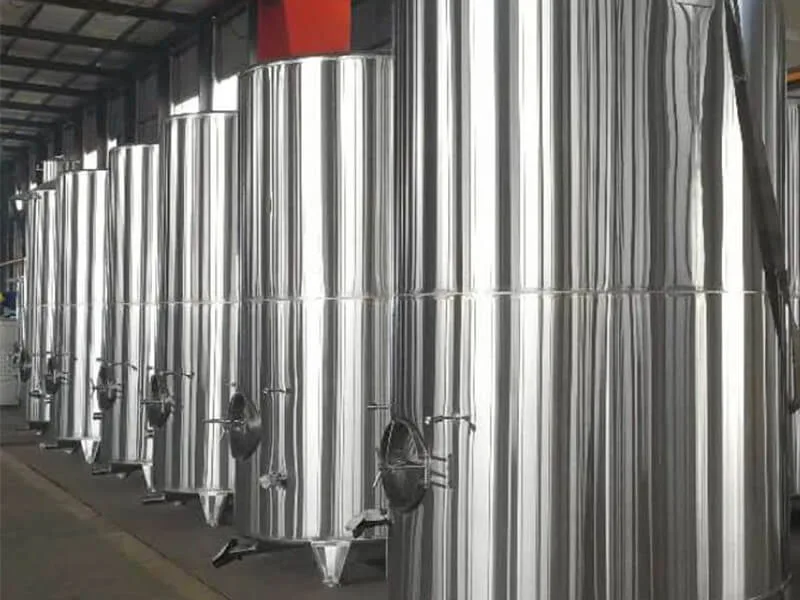
In modern wineries, rows of temperature-controlled stainless steel fermentation tanks have become the standard. Behind their gleaming appearance lies modern oenology’s ultimate pursuit of flavor, hygiene, and efficiency. Compared to traditional oak barrels or concrete vats, stainless steel fermentation tanks grant winemakers unprecedented control. However, a great piece of equipment requires not only proper selection and use but also an understanding of how to make it last through decades of harvests.
This article provides a comprehensive guide covering everything from selection and operation to maintenance.
Part 1: Why Winemakers Prefer Stainless Steel – Four Key Advantages
Stainless steel fermentation tanks dominate modern wineries because they precisely solve the most critical challenges in winemaking:
1. Inert Material for Pure Expression of Terroir
Stainless steel (especially food-grade 304/316L) is chemically extremely stable. Unlike oak barrels, it does not impart additional flavors like vanilla, smoke, or toast to the wine. This is irreplaceable for wines that pursue fresh fruit and floral aromas, and the precise expression of the vineyard’s terroir. All changes occurring in the tank are almost solely related to temperature, yeast, and time—the winemaker is faced with the most honest results.
2. Precise Temperature Control to Tame the Fermentation
Fermentation is an exothermic reaction. If the temperature gets out of control, it can lead to aroma loss at best, or yeast death and stuck fermentation at worst. Stainless steel tanks, equipped with precise dimple cooling jackets or coils, can control red wine fermentation temperatures (especially during the 28-32°C optimal maceration period) to an accuracy of ±0.5°C, ensuring elegant extraction of color, tannins, and aromas.
3. Ultimate Hygiene to Minimize Risk
The micro-porosity of oak barrels is both an advantage and a hidden danger—bacteria and mold can hide within and are difficult to eradicate. The smooth, non-porous inner walls of a stainless steel tank, combined with a 360-degree CIP (Clean-in-Place) system, can achieve near-laboratory-level cleanliness, significantly reducing the risk of volatile acidity and Brettanomyces contamination.
4. Excellent Sealing and Long-Term Economic Viability
Good airtightness facilitates oxygen isolation or precise micro-oxygenation management, preventing accidental oxidation. Although the initial purchase is a capital investment, stainless steel tanks are robust, corrosion-resistant, and can last for decades. The overall maintenance cost is lower than the periodic replacement required for oak barrels.
Part 2: How to Choose the Right Fermentation Tank? Align Internal Needs with External Processes
When purchasing, you are making a 20-year investment. Weigh your options from both internal and external dimensions.
Internally: Match Your Winemaking Philosophy and Scale
- Specifications and Capacity: Determined by annual output and single-batch processing capacity. Small wineries or experimental batches may choose 50L-500L tanks, while larger wineries often use tanks from 1000L to tens of thousands of liters. Crucially, always reserve 10%-20% headspace for fermentation to prevent the cap from overflowing.
- Material Grade – 304 vs. 316L:
- 304 Stainless Steel: The workhorse of the food industry, with more than sufficient tolerance for the acidic environment of wine (pH 3-4). It offers the best cost-performance ratio.
- 316L Stainless Steel: Contains molybdenum, offering greater resistance to chlorides and acids. If you are making high-acidity varieties, or your winery is in a coastal, high-salt-spray area, choosing 316L is a more reassuring, long-term investment.
- Functional Configuration Choices: Beyond the core temperature control system, features like mixing, sprinklers (for pumping over), nitrogen blanketing, and automated CIP can greatly enhance efficiency and consistency, but increase cost. Configure based on actual production needs.
Externally: Scrutinize the Manufacturer’s Expertise
Choosing a manufacturer with certifications like a pressure vessel license (e.g., ASME, PED) and ISO standards is the baseline. More critically:
- Request Material Test Reports: The heat number and test report for each steel plate are the sole proof confirming it is 304 and not 201.
- Inspect Internal Surface Finish: The internal surface roughness should reach Ra ≤ 0.8 µm or better. The smoother the surface, the less opportunity for microbes to attach.
- Check Welds and Passivation: All welds must be smooth, flush, and have undergone pickling and passivation treatment to form a protective layer, preventing future rust at the seams.
- Confirm Pressure Testing: The tank must undergo rigorous hydrostatic or pneumatic pressure testing before leaving the factory.
Part 3: How to Correctly Use and Maintain Your Winemaking Equipment
For a high-quality stainless steel tank to perform its best for years, proper use is 30% of the equation, and maintenance is 70%. Below, using a typical high-quality tank as an example—featuring a food-grade 304/316 stainless steel structure, dimple cooling jacket, top pressure relief valve, side-wall sight glass, vertical screen filter, bottom sediment drain, and 360-degree CIP spray ball—we detail the key operational and maintenance points.
1. Key Operational Steps
- Temperature Control System: Utilizing the Dimple Cooling Jacket and PT100 Sensor
The single-wall dimple jacket creates turbulence, making the cooling liquid heat exchange more efficient. The PT100 temperature sensor accurately captures the core liquid temperature. During use:- Set a reasonable temperature differential: Avoid frequent cycling of the refrigeration unit by generally setting a start-up differential of 1-1.5°C.
- Coolant maintenance: If using a glycol-water solution, check its pH and concentration annually to prevent it from becoming acidic and corroding the pipes from the inside. For alcohol-water solutions, strict sealing is paramount to eliminate safety hazards and evaporation losses.
- Monitoring Devices: Careful Use of the Sight Glass and Vertical Screen Filter
- The sight glass provides a clear view but is the most fragile component and prone to harboring dirt. After each use, it must be removed or thoroughly brushed internally, along with its connecting elbows, to prevent tartrate buildup, which creates hygiene blind spots. When not in use for extended periods, avoid direct sunlight to prevent aging.
- The vertical screen filter accelerates juice separation. When drawing off wine, open the valve slowly to prevent pressure shock that could deform the screen. Immediately after racking, rinse the mesh with a soft brush; never strike it with hard objects.
- Sediment Discharge: Safe Use of the Bottom Drain
When draining lees post-fermentation, the bottom valve is typically large. Before operation, always open the top ventilation valve first to equalize pressure—neglecting this step can cause a vacuum and collapse the tank. During each cleaning, inspect this large-diameter seal for integrity and apply food-grade lubricant for maintenance.
2. Core Maintenance: Strictly Execute 360-Degree CIP Cleaning
The 360-degree CIP spray ball in your tank is the soul of equipment hygiene. Only the correct cleaning procedure does justice to its full-coverage design.
Standard Five-Step CIP Cleaning Method:
- Pre-Rinse (30-40°C Warm Water): Power rinse for 10-15 minutes to remove residual wine and pomace. Never use overly hot water, as this can cause proteins to instantly congeal on the tank walls, making them harder to clean.
- Alkaline Wash (1-2% Food-Grade Sodium Hydroxide, 60-80°C): Circulate for 20-30 minutes. This thoroughly dissolves tartrates, color pigments, and polyphenols—the core of the cleaning process.
- Intermediate Water Rinse: Flush away all alkaline solution until the drainage is neutral.
- Acid Wash (0.5-1% Nitric or Phosphoric Acid, Ambient Temperature, Weekly or Bi-weekly): Removes inorganic scale and tartrates, while brightening the stainless steel surface for a chemical passivation effect.
- Final Rinse and Sanitization: Rinse thoroughly with sterile water. Before use, sanitize with steam or food-grade peracetic acid and drain.
- Inspecting Dead Zones: During cleaning, use a flashlight to inspect the underside of the tank dome, welds, and the inner edge of the manway cover to confirm the spray ball provides complete coverage. Adjust the ball position or extend cleaning time as needed.
3. Long-Term Maintenance of Structural Details
Your equipment’s food-grade 304/316 stainless steel structure, with all welds brushed and polished, forms the first line of defense against corrosion. Long-term maintenance builds on this foundation:
- Regular Weld Inspection: After each emptying, use a flashlight to meticulously check all welds for pinholes, cracks, or rust spots. If found, immediate professional spot-grinding and passivation repair are required. Rust must never be allowed to spread.
- Valve and Seal Maintenance: All sealing rings on the top manway door, pressure relief valve, and sampling valve are consumables. Disassemble and inspect them regularly, applying food-grade lubricant. Even a tiny drip or leak is a major hidden threat to wine quality.
- Key Protection During Idle Periods: If the tank is used only for one harvest season a year, after cleaning thoroughly per the CIP process and drying completely, it is recommended to leave all manways slightly open for ventilation or fill the tank with nitrogen to maintain a slight positive pressure, preventing moisture and bacteria. Before the next harvest, the entire CIP process must be rigorously repeated.
결론
A well-designed, high-quality stainless steel fermentation tank is not just a production tool; it is a physical extension of the winemaker’s philosophy. It holds each year’s anticipation and creativity. From rational selection and standardized use to meticulous maintenance, this series of detailed commitments ultimately flows back into the glass, becoming that uniquely clean and complex flavor.
다음을 수행할 수 있습니다. 알려주세요 양조장에 대한 요구사항을 알려주시면 24시간 이내에 턴키 솔루션을 제공해 드립니다.