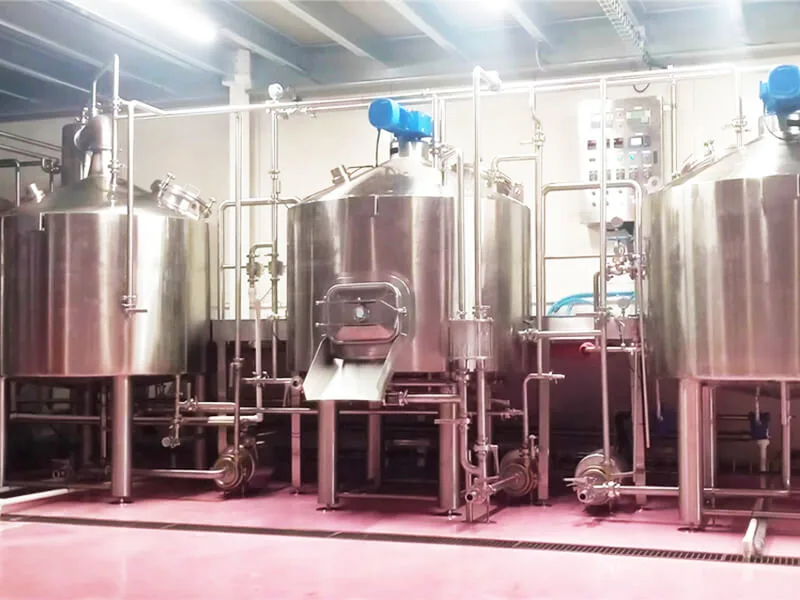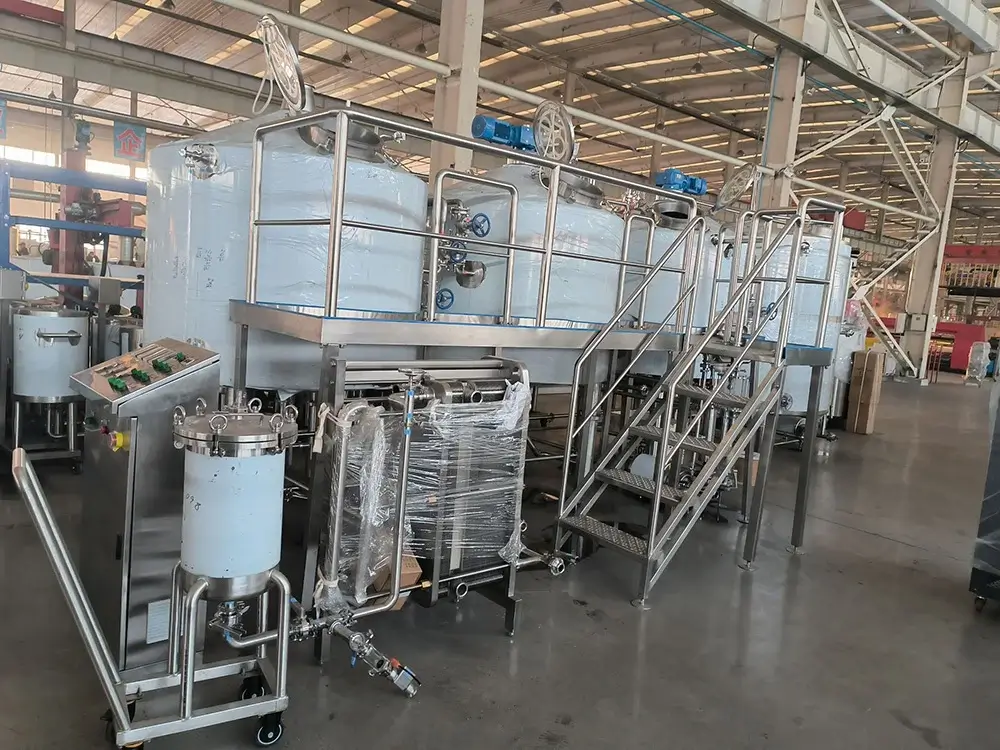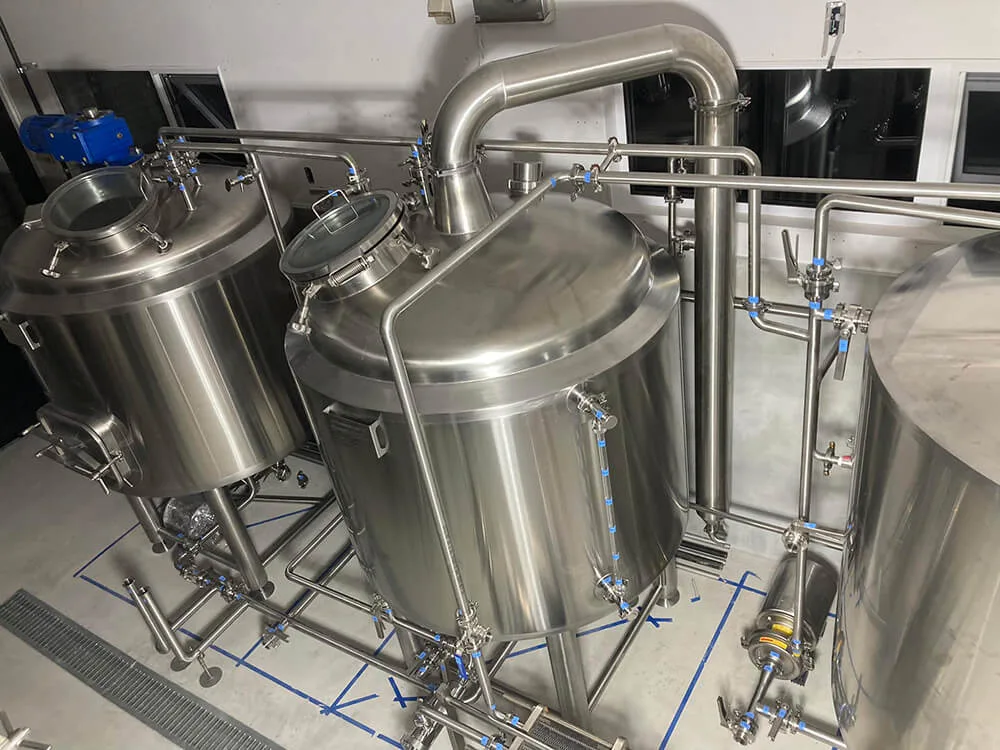
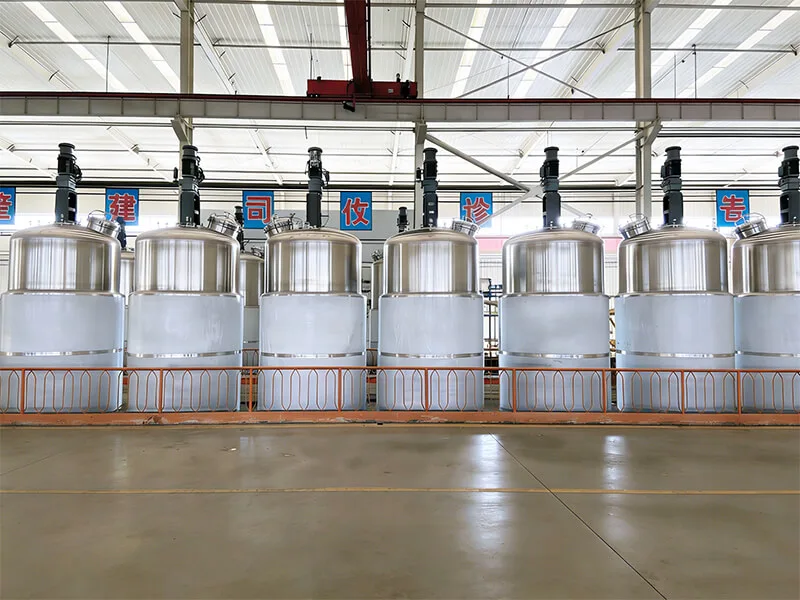
In modern manufacturing, the mixing process plays a decisive role in product consistency, quality control, and production efficiency. From cosmetics and pharmaceuticals to food processing and chemical production, a well-designed mixing system ensures that raw materials are blended uniformly while maintaining strict hygiene and safety standards.
A stainless steel mixing tank is not simply a container equipped with an agitator. It is an integrated processing unit designed for precise mixing, heating, cooling, homogenization, and sanitation. The right equipment configuration can directly influence product stability, production capacity, energy consumption, and long-term operating costs.
For global manufacturers, selecting a reliable stainless steel mixing tank supplier is a critical decision. The ideal equipment should combine corrosion resistance, hygienic design, efficient mixing performance, and customization capability to meet different production requirements.
Whether you are upgrading an existing production line or building a new facility, choosing the right mixing vessel can help improve manufacturing efficiency while ensuring compliance with international quality standards.
Why Stainless Steel Is the Preferred Material for Industrial Mixing Tanks
Stainless steel has become the standard material for industrial mixing equipment because of its excellent durability, corrosion resistance, and hygienic performance. Compared with traditional materials, stainless steel provides a safer and more reliable solution for industries where product purity and equipment lifespan are critical.
SUS304 vs SUS316L Stainless Steel: How to Choose the Right Material
The two most commonly used stainless steel grades for mixing tanks are SUS304 and SUS316L. The correct choice depends on the characteristics of the processed materials and industry requirements.
SUS304 stainless steel is widely used in food, beverage, cosmetic, and general industrial applications. It offers good corrosion resistance, excellent mechanical strength, and cost efficiency, making it suitable for products such as beverages, sauces, detergents, and personal care products.
SUS316L stainless steel provides higher corrosion resistance due to the addition of molybdenum. It performs better when handling acidic, saline, or chemically aggressive materials and is commonly selected for pharmaceutical, biotechnology, and high-purity chemical applications.
For manufacturers requiring strict hygiene control or frequent sterilization processes, 316L stainless steel is often the preferred choice because it offers better durability and easier maintenance under demanding conditions.
Hygienic Design: Ensuring Product Safety and Easy Cleaning
For industries such as pharmaceuticals, cosmetics, and food production, preventing contamination is one of the most important design considerations.
Professional stainless steel mixing tanks are manufactured with several hygienic features:
Mirror Polished Internal Surface
The internal surface finish of a mixing tank directly affects cleaning efficiency. High-quality tanks typically feature mirror polishing with surface roughness levels of Ra ≤ 0.4 μm, reducing material adhesion and minimizing areas where bacteria or product residue can accumulate.
A smooth internal surface also improves CIP cleaning performance and reduces cleaning time between production batches.
Advanced Welding Technology
The welding quality of a stainless steel tank directly impacts hygiene and durability. Advanced TIG welding and automatic welding processes create smooth weld seams with minimal surface irregularities.
Properly finished welds help eliminate dead corners and prevent contamination risks, making the equipment suitable for industries requiring strict sanitation standards.
CIP (Clean-In-Place) Capability
Modern production facilities increasingly rely on CIP systems to improve cleaning efficiency. Stainless steel mixing tanks can be equipped with spray balls, rotary cleaning devices, and optimized internal structures to allow cleaning without dismantling the equipment.
This reduces labor costs, minimizes production downtime, and improves overall operational efficiency.
Key Components and Customization Options for Stainless Steel Mixing Tanks
Every production process has different requirements. The ideal mixing tank configuration depends on product viscosity, mixing speed, temperature conditions, and production capacity.
A professional equipment manufacturer should provide customized solutions rather than a standard one-size-fits-all design.
Selecting the Right Agitator for Different Applications
The agitator is one of the most important components affecting mixing performance. Choosing the correct mixing system ensures uniform blending while protecting product quality.
Anchor Agitator
Anchor agitators are designed for medium to high-viscosity products. They provide gentle but effective mixing and are commonly used for:
- Cosmetic creams
- Lotions
- Gels
- High-viscosity food products
The anchor structure can also be combined with scraper systems to improve heat transfer and prevent material sticking to the tank wall.
Paddle Agitator
Paddle agitators are suitable for low to medium viscosity liquids requiring gentle mixing.
Typical applications include:
- Beverage ingredients
- Liquid additives
- Chemical solutions
They provide efficient circulation while minimizing shear force.
High-Shear Homogenizer
For products requiring emulsification, dispersion, or particle size reduction, high-shear homogenizers provide stronger mixing performance.
They are commonly used in:
- Cosmetic emulsions
- Pharmaceutical creams
- Dairy products
- Fine chemical formulations
High-shear mixing helps improve product texture, stability, and consistency.
Scraper Wall Mixing System
Scraper agitators are particularly suitable for heat-sensitive or highly viscous materials. By continuously removing material from the tank wall, they improve heat transfer efficiency and prevent product accumulation.
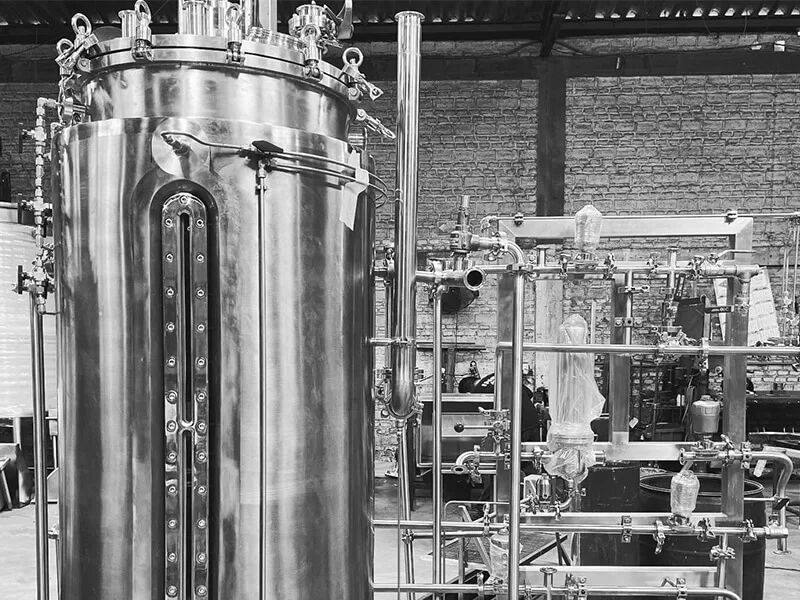
Heating and Cooling Systems for Precise Temperature Control
Many industrial processes require accurate temperature management during mixing. Stainless steel mixing tanks can be customized with different jacket structures and heating methods.
Jacket Design Options
Dimple Jacket (Honeycomb Jacket)
Dimple jackets provide efficient heat transfer and excellent structural strength. They are widely used in food, pharmaceutical, and chemical production systems.
Coil Jacket
Coil heating and cooling systems provide stable temperature control and are suitable for industrial applications requiring efficient thermal exchange.
Heating Methods
Common heating options include:
- Riscaldamento a vapore
- Riscaldamento elettrico
- Hot water circulation
Cooling systems can be integrated with:
- Chilled water systems
- Glycol cooling systems
- Industrial refrigeration units
A properly designed thermal control system ensures consistent product quality and improves production efficiency.
Safety Design: Mechanical Seals, Motors, and Pressure Requirements
Industrial mixing equipment must be designed for safe and reliable operation.
Mechanical Seal Systems
Mechanical seals prevent leakage from the agitator shaft while maintaining hygienic operating conditions. Different seal materials can be selected according to product characteristics and operating environments.
Explosion-Proof Motors
For applications involving flammable solvents, chemicals, or hazardous environments, explosion-proof motors provide additional operational safety.
Pressure and Vacuum Design
Some production processes require pressure or vacuum capabilities. Depending on the application, mixing tanks can be designed with:
- Pressure-resistant structures
- Vacuum operation capability
- Safety valves
- Pressure monitoring instruments
Experienced manufacturers can design equipment according to international standards such as CE, PED, and ASME requirements.
Applications of Stainless Steel Mixing Tanks Across Industries
Due to their flexibility and hygienic performance, stainless steel mixing vessels are widely used across multiple industries.
Cosmetics and Personal Care Production
Cosmetic manufacturers use mixing tanks for producing:
- Face creams
- Lotions
- Shampoos
- Shower gels
- Liquid soaps
Vacuum mixing and homogenization systems are often integrated to achieve smooth texture and stable emulsions.
Pharmaceutical Manufacturing
Pharmaceutical production requires equipment with high cleanliness standards and precise process control.
Applications include:
- Ointments
- Syrups
- Injectable solutions
- Pharmaceutical intermediates
Typical requirements include 316L stainless steel contact surfaces, hygienic polishing, sterilization capability, and GMP-oriented design.
Food and Beverage Processing
Stainless steel mixing tanks are widely used for:
- Sauces
- Dairy products
- Juice concentrates
- Honey processing
- Beverage ingredients
Food-grade stainless steel construction ensures product safety and easy cleaning.
Chemical Industry Applications
Chemical manufacturers require robust mixing systems capable of handling challenging materials.
Common applications include:
- Paints
- Resins
- Adhesives
- Detergents
- Industrial chemicals
Customized agitator designs and corrosion-resistant materials allow manufacturers to process materials with different viscosities and chemical properties.
How to Choose a Reliable Stainless Steel Mixing Tank Manufacturer
Selecting the right manufacturer is as important as selecting the right equipment design. A professional supplier should provide engineering support, manufacturing capability, and reliable after-sales service.
Check Manufacturing Experience and Certifications
International buyers should evaluate whether the supplier has experience producing equipment for global markets.
Important qualifications may include:
- ISO quality management systems
- CE certification
- FDA-related manufacturing experience
- GMP-compliant production capability
- PED or ASME pressure vessel experience
These qualifications demonstrate the manufacturer’s ability to meet international quality expectations.
Evaluate Custom Engineering Capability
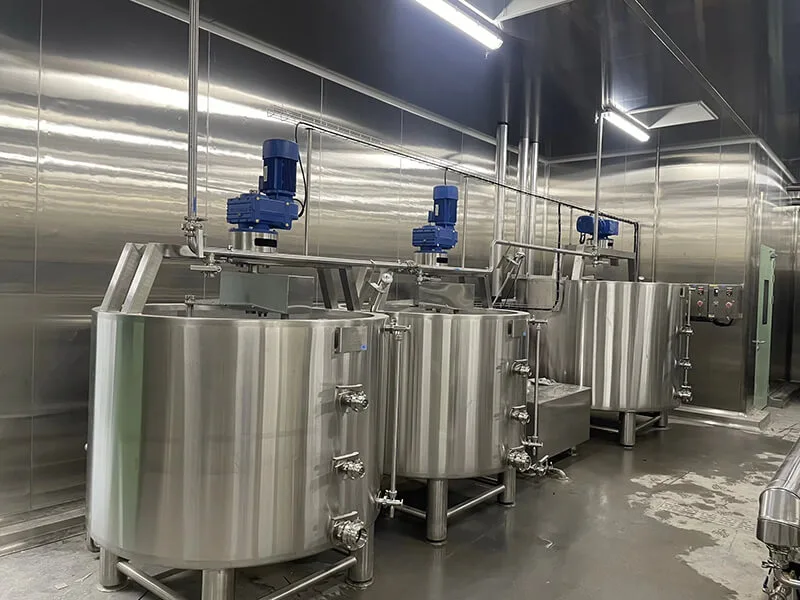
A reliable mixing tank manufacturer should provide customized solutions including:
- Tank capacity from laboratory scale to industrial production (50L–30,000L)
- SUS304/SUS316L material options
- Customized agitator systems
- Heating and cooling solutions
- Different electrical standards for global markets
- Automated control systems
Engineering customization ensures that the equipment matches the actual production process instead of forcing the process to adapt to standard equipment.
Consider Overseas Support and Long-Term Service
For international customers, supplier support after delivery is an important factor.
Professional manufacturers should provide:
- Installation guidance
- Operation training
- Technical documentation
- Spare parts support
- Remote troubleshooting
A complete service system helps customers maintain stable production performance throughout the equipment lifecycle.
Conclusion: Building a More Efficient Production System with the Right Mixing Solution
A stainless steel mixing tank is a key investment that influences product quality, production efficiency, and manufacturing reliability.
By selecting the appropriate stainless steel grade, agitator design, temperature control system, and equipment manufacturer, companies can achieve more consistent production results while reducing long-term operating costs.
For manufacturers in cosmetics, pharmaceuticals, food, beverages, and chemicals, a customized stainless steel mixing solution provides the flexibility needed for both current production requirements and future expansion.
Contatta il nostro team di ingegneri today to receive a customized mixing tank proposal, technical consultation, and a competitive factory-direct quotation for your production needs.