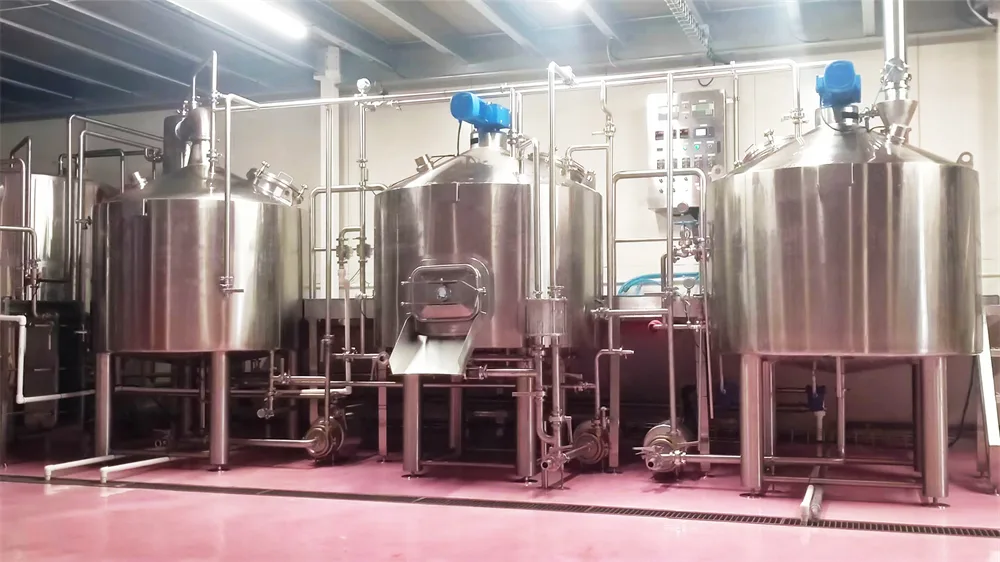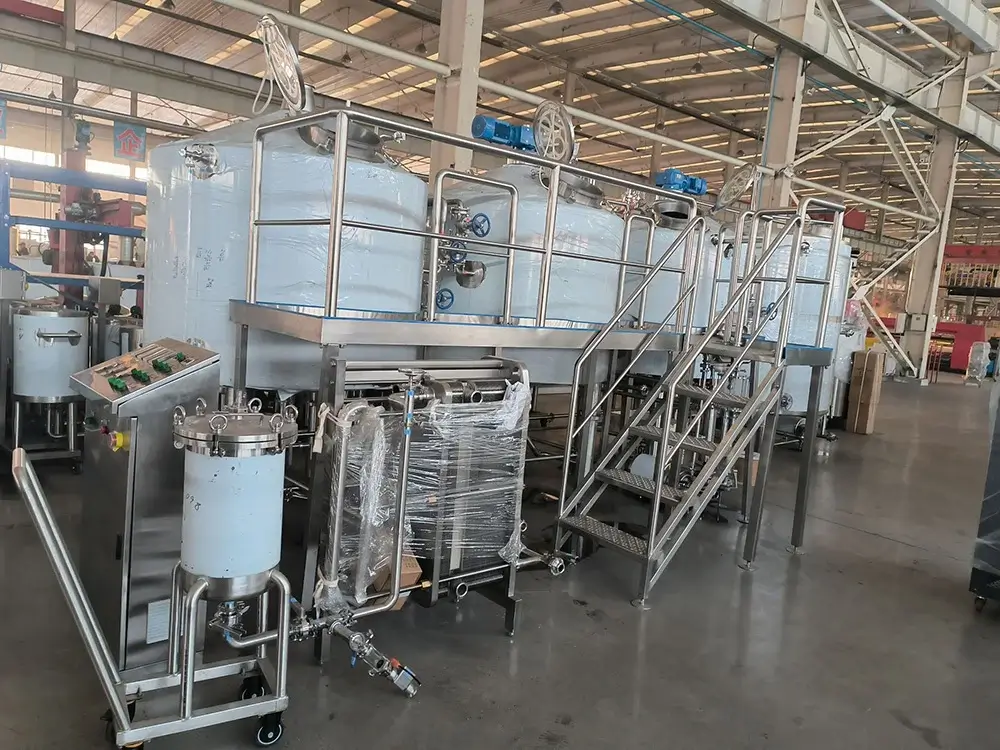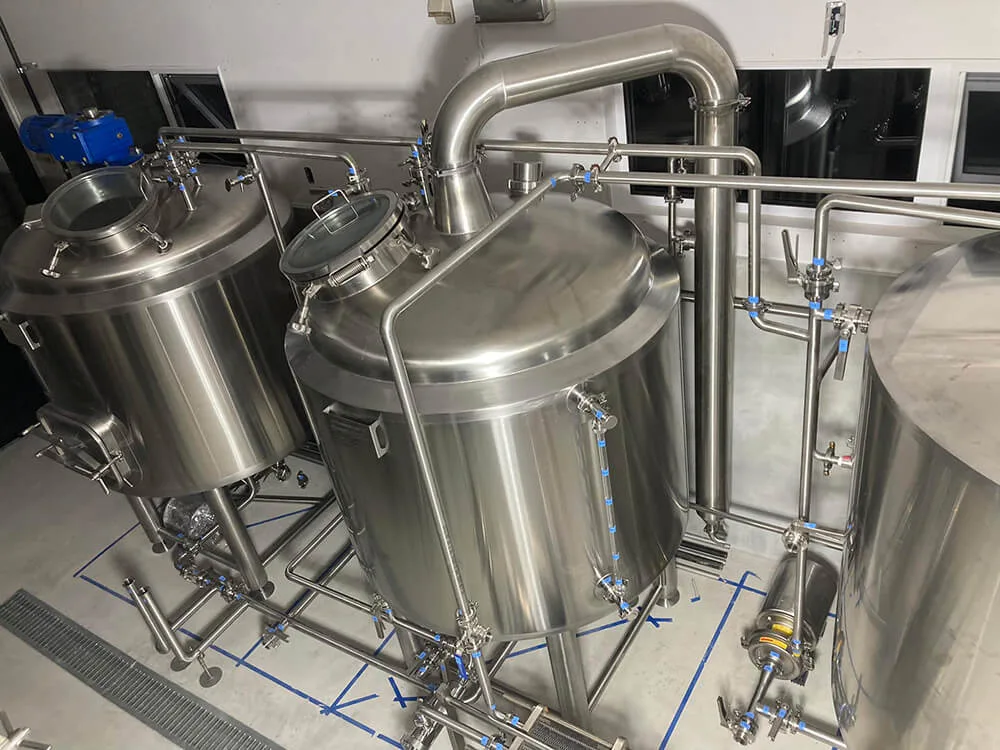
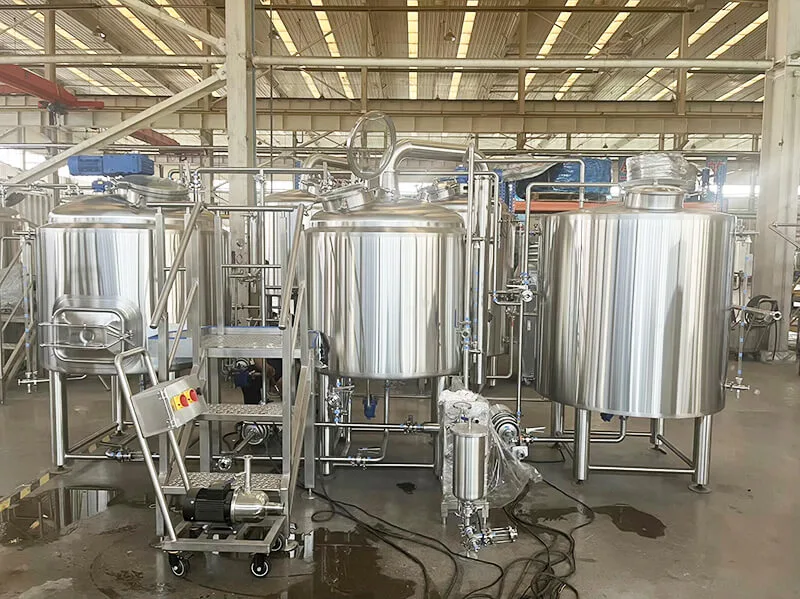
In 2024, Meto successfully designed and delivered a fully customized 500L craft beer brewing system to an emerging craft beer bar in Japan. The system was tailored to produce small-batch, high-quality beers aligned with local consumer preferences.
Key Equipment & Features:
- Malt Milling System: Ensures consistent grist size for optimal mashing.
- 500L Two-Vessel Brewhouse:
- Mash/Lauter Tun + Kettle/Whirlpool Tun
- Food-grade stainless steel with precise temperature control and insulation.
- Hot Liquor Tank: Automated water filling and temperature regulation.
- Fermentation System:
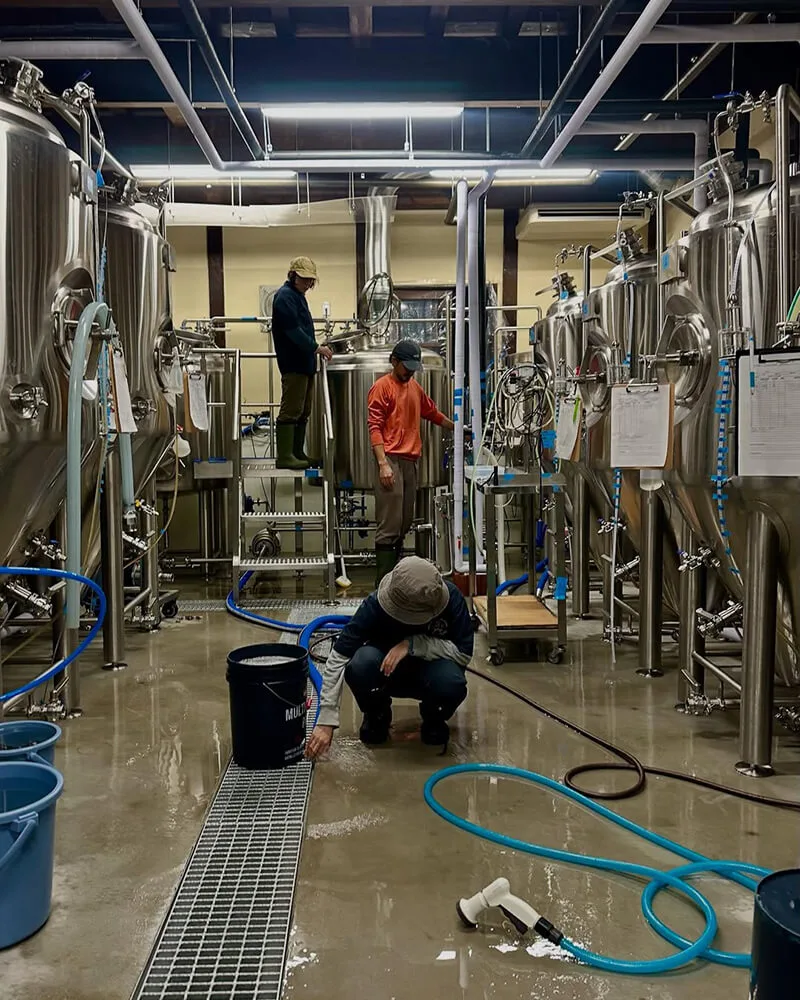
- 4 × 500L + 3 × 1000L conical fermenters
- Each with glycol cooling, CIP spray balls, and safety valves.
- CIP Cleaning System: Automated skid meeting global hygiene standards.
- Integrated Control System: PLC-based with touchscreen HMI, recipe programming, and remote monitoring.
- Energy-Efficient Design: Advanced insulation and optional heat recovery reduce operating costs.
- Japan-Ready: Configured for 200V/50Hz electrical standards with localized remote support.
The system excels in temperature control, energy efficiency, and cleaning convenience, providing consistent quality across styles such as IPAs, lagers, and stouts.
Core Equipment Needed for a Craft Beer Bar
This is the soul of a craft beer bar that distinguishes it from a regular restaurant. A complete set of brewing equipment is commonly referred to as a “Brewing System.” Batch sizes vary, with common volumes being 100L, 300L, 500L, and 1000L.
1. Brewhouse System:
- Mash Tun / Boil Kettle: Used to convert starch from malt into malt sugar (mashing), and subsequently to boil the wort and add hops. Many entry-level systems use a “Two-Vessel” setup (a combined mash/boil vessel + fermenter), but more professional setups are “Three-Vessel” or “Four-Vessel” systems.
- Lauter Tun: Separates the wort from the spent grain after mashing.
- Hot Liquor Tank: Provides hot water for mashing and sparging.
2. Fermentation System:
- Fermenter: Where the cooled wort is mixed with yeast for alcoholic fermentation. This is the key vessel where beer gains its flavor. Requires temperature control (via coolant jacket or cooling coil).
- Conical Fermenter: The mainstream choice in modern craft brewing; the conical bottom facilitates yeast collection and dumping.
- Brite Beer Tank / Serving Tank: Used for cold storage, clarification, and carbonation of the beer. Fermenters can also double as brite tanks, but having dedicated brite tanks improves equipment utilization and beer quality.
3. Refrigeration System:
- Crucial! Includes a chiller unit, glycol reservoir, piping, and control systems. Used to control the temperature of fermenters and brite tanks, as well as for rapidly cooling wort.
4. Auxiliary & Processing Equipment:
- Wort Pump / Beer Pump: For transferring liquids.
- Plate Heat Exchanger: Rapidly cools boiled wort down to fermentation temperature.
- CIP (Clean-In-Place) System: An automated or semi-automated cleaning system essential for maintaining sanitation and beer quality. Includes CIP pump, acid/alkali tanks, hot water tank, etc.
- Water Treatment System: Depending on local water quality, may require equipment for reverse osmosis, filtration, mineral addition, etc., to adjust brewing water.
5. Packaging & Service Equipment:
- Beer Kegs / Cornelius Kegs: For filling finished beer, connecting to the bar’s draft system.
- Draft Beer System:
- Walk-in Cooler / Cold Room: For storing beer kegs.
- CO2 / Nitrogen Gas Cylinders: Provide serving pressure.
- Beer Lines: Insulated piping running from the cooler to the bar taps.
- Beer Taps / Faucets: Mounted on the bar, used for dispensing beer. The number and style are part of the bar’s identity.
Core Equipment Configuration Points & Recommendations
- Plan First: Define your annual production target (e.g., 100 tons), maximum daily seating capacity, and beer-to-food sales ratio. Then, work backward to determine the required equipment scale and specifications.
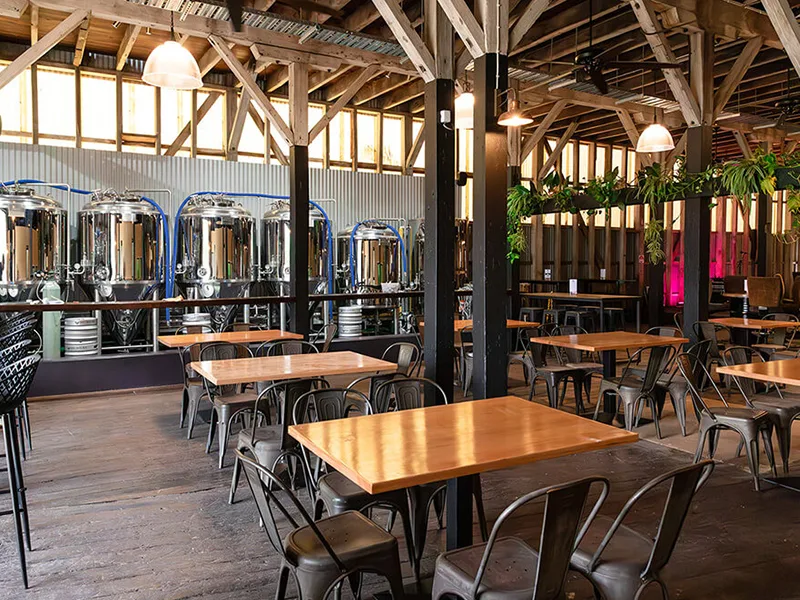
- “Brewing-First” Layout: In spatial design, prioritize planning the brewing area, fermentation cold room, and the piping routes for the draft system. Ideally, the brewing area should be a visual focal point (via a viewing corridor or glass partitions).
- Budget Allocation: Within the total budget, brewing equipment + refrigeration + CIP + ventilation typically constitute the largest portion of hardware investment (potentially over 50%). Cutting corners here will severely impact beer quality and operational efficiency.
- Compliance: All equipment, especially pressure vessels (like fermenters), along with electrical, fire safety, and environmental (wastewater/emissions treatment) systems must comply with local regulations. Consult relevant authorities before purchasing.
- Scalability: If future expansion is planned, choose brewing equipment that allows for growth (e.g., adding more fermenters) and a refrigeration system with built-in redundancy.
Conclusion
Opening a craft beer bar is a rewarding business with strong growth potential. With the right layout, a reliable draft system, and a clear investment budget, you can create a profitable bar that attracts beer lovers and builds a unique brand. If you plan to upgrade to a microbrewery later, starting with a scalable system makes expansion easier.
If you have any question about brewing, please feel free to contact us Meto Equipment.