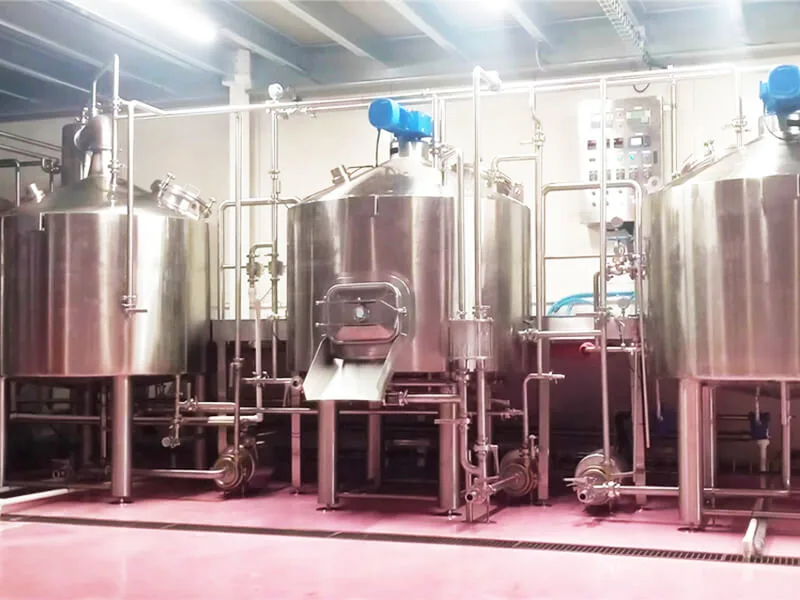
Producing exceptional wine—or transforming it into fine brandy—requires both craftsmanship and technology. From fermentation to distillation, each step depends on high-quality, hygienic, and precisely controlled equipment. This article explores the essential distillation systems used in modern winemaking, helping wineries and craft distillers choose the right stills, fermenters, and brewing essentials for their production lines.
What Is Wine Distillation Equipment?
Wine distillation equipment forms a complete system that turns fermented wine into refined spirits like brandy. A standard setup includes:
- Sanitary fermenters for producing clean, stable wine
- Pot or column stills for alcohol distillation
- Shell-and-tube condensers for efficient cooling
- Transfer lines, pumps, and storage tanks
Tip: When selecting equipment, prioritize food-grade materials, welded sanitary fittings, accurate temperature control, and CIP (clean-in-place) ports for long-term reliability.

Pot Still vs Column Still – Which Should You Choose?
The choice between a pot still and a column still determines your final spirit’s character:
| Application | Best Choice | Reason |
|---|---|---|
| Fruit-forward brandy or aromatic spirits | Pot Still | Preserves more congeners and flavor compounds |
| Neutral or light spirits (vodka-style) | Colonne Toujours | Higher purity and cleaner alcohol profile |
| Flexible production for multiple styles | Modular Hybrid Still | Combines pot and column features |

Fermentation: The Foundation of Quality Wine and Spirits
No still can fix a poor ferment. The fermentation stage defines aroma, purity, and flavor before distillation even begins. To achieve optimal results:
- Choose the right yeast strain and nutrients
- Maintain a stable temperature between 16–20 °C
- Use jacketed fermenters for precise temperature control
- Minimize solids when transferring to the still

Choosing the Right Capacity and Configuration
Match your equipment size to your production goals. For example, if you process 2000 L of wine per batch and plan to do both a stripping and spirit run, a 400–600 L still is ideal. Always leave 20–30% headspace in fermenters to allow for foaming.
Scalability tip: Consider modular designs that allow adding more plates or upgrading boiler capacity later.
Materials and Components That Make a Difference
- Copper components (helmet, lyne arm, dephlegmator) remove sulfur compounds and enhance aroma
- 304/316 stainless steel bodies ensure durability and sanitation
- Properly sized condensers guarantee efficient cooling
- Tri-clamp fittings and butterfly valves simplify cleaning and maintenance

Safe and Hygienic Liquid Transfer Systems
Use food-grade pumps and hoses to transfer liquids safely. For most wineries, a mobile 110 V transfer pump on a cart is efficient and space-saving. Flexible-impeller pumps are ideal for viscous fruit mashes. Color-coded hoses and camlock fittings help prevent contamination.
The Role of Temperature Control in Aroma and Purity
Aroma forms in the fermenter, not in the still. Consistent temperature control during fermentation and distillation ensures smooth, clean flavors. Use jacketed tanks, inline temperature sensors, and automated controllers for best results.
Legal and Safety Considerations
Distillation is highly regulated in most countries. Before purchasing or operating a still, review local alcohol and safety laws (e.g., TTB regulations in the U.S. or EU hygiene directives). Always install pressure relief valves, fire safety systems, and secure ventilation in the distillation area.
Essential Equipment Checklist for Small Wineries
- Jacketed fermentation tanks or carboys with temperature controllers
- Pot still with copper head and condenser
- Sanitary hoses and transfer pump
- Filter housing and proof hydrometer
- Barrels or oak chips for aging (optional)
Cost, Scalability, and Future Expansion
Start small, think big. A basic system with one still, two jacketed tanks, and a mobile pump can handle initial production. As demand grows, expand by adding plates, larger boilers, or new product lines. Standardize components for easier maintenance and lower long-term costs.
Key Takeaways & Expert Tips
- Focus on clean fermentation—distillation can only refine, not fix quality.
- Choose a pot still for aromatic spirits; a column still for cleaner alcohol.
- Invest early in temperature control and sanitary design.
- Match capacity to actual production and plan for scalability.
- Always comply with legal and safety regulations.
Looking for Professional Distillation Equipment?
Meto Equipment provides turnkey distillation and fermentation systems for wineries and craft distilleries worldwide. Our engineering team can customize your setup — from stainless steel fermenters to copper stills and complete distillation lines.Contact Our Team Today