For craft beer enthusiasts and small to mid-sized breweries, choosing the right brewing system determines the quality, efficiency, and creative freedom of every batch. Among the many configurations, the 3-vessel brewhouse system (also known as a three-vessel or three-kettle brewing system) delivers a perfect balance of professionalism and practicality. It eliminates the workflow bottlenecks of 2-vessel setups without the high cost and complexity of 4-vessel systems, making it the go-to choice for advanced homebrewers and commercial microbreweries alike. Let’s take a comprehensive look at the 3-vessel brewhouse system and why it has become the mainstream favorite in the brewing community.
1. What Is a 3-Vessel Brewhouse System?
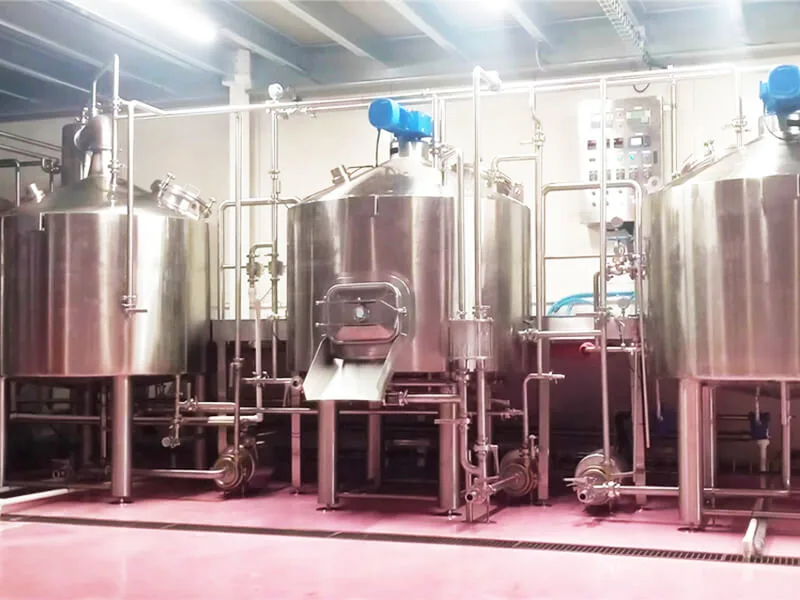
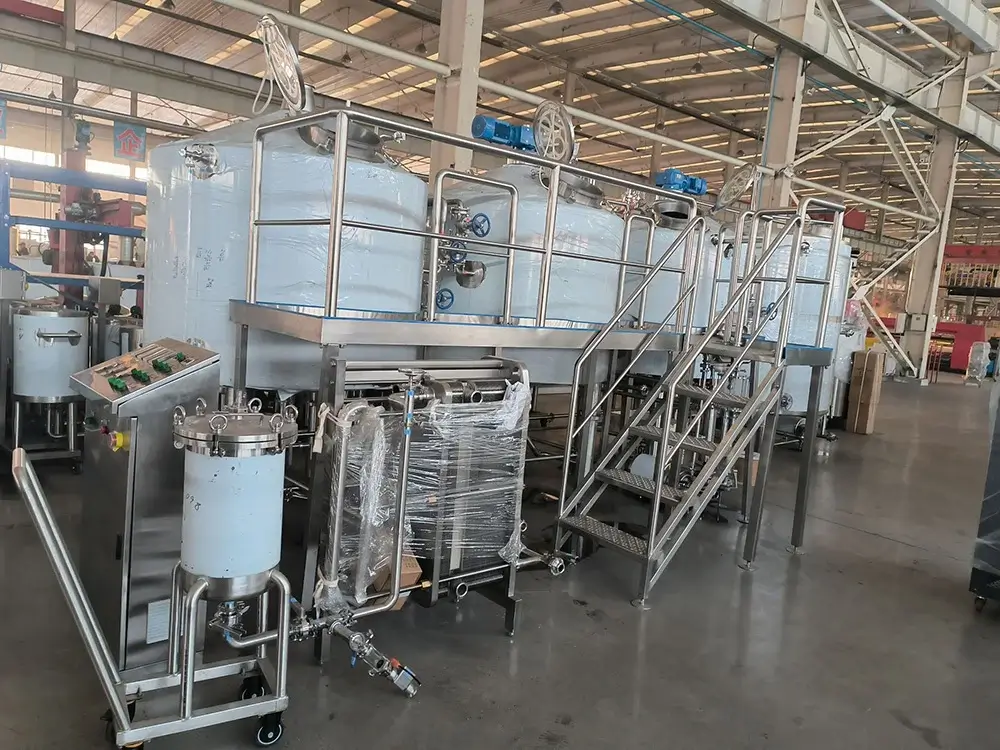
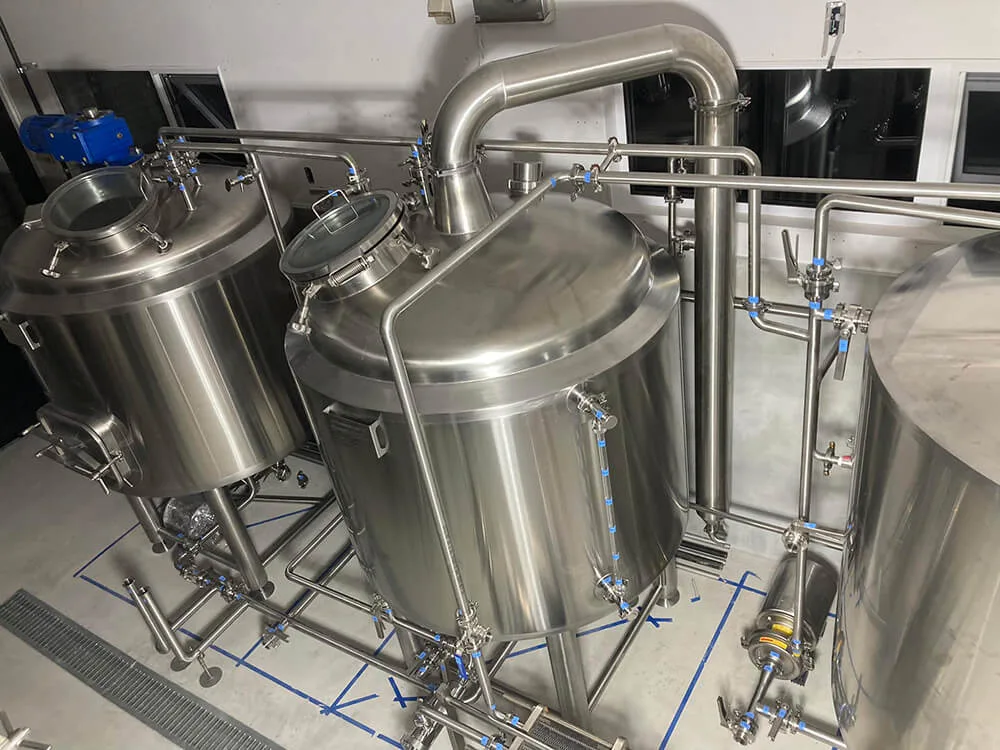
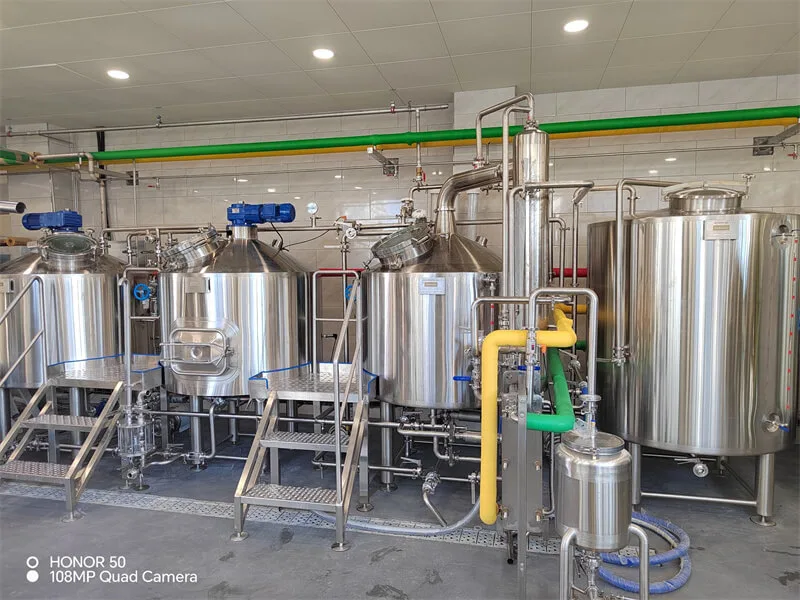
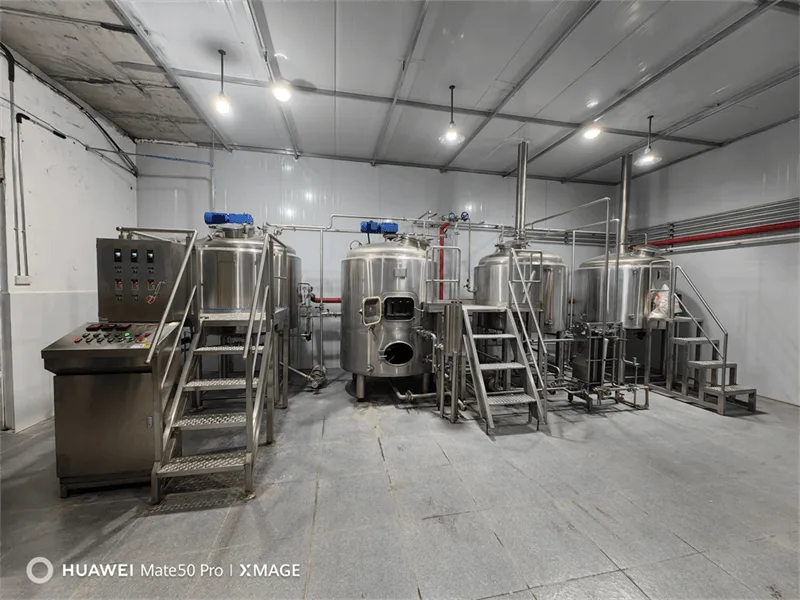
At its core, a 3-vessel brewhouse system consists of three functionally independent yet coordinated vessels, each dedicated to a critical stage of the brewing process. This “division of labor” allows parallel workflows, breaking the “one vessel does it all” limitation of traditional 2-vessel systems. Whether for a homebrew-scale upgrade or a commercial setup, the three core vessels remain the same:
- Cuve de fermentation – The “foundation workshop.” This is where crushed malt is mixed with hot water. Precise temperature control activates enzymes that convert starches into fermentable sugars, laying the groundwork for the beer’s flavor and alcohol content.
- Tunnel de Lauter – The “separation workshop.” Here, the sugary wort is separated from the spent grains. Through sparging, it efficiently rinses residual sugars from the grain bed, maximizing extract efficiency. High-quality lauter tuns often feature a raised design or specialized false bottoms for superior natural filtration.
- Boil Kettle – The “flavor-finishing workshop.” The clear wort is brought to a vigorous boil to sterilize it, then hops are added for bitterness and aroma. Boiling also evaporates excess water, concentrates the wort, and locks in the beer’s final flavor profile.
Think of a 3-vessel system as a mini production line. The mash tun, lauter tun, and boil kettle work simultaneously—mashing, filtering, and boiling can happen in parallel. That’s the fundamental edge over a 2-vessel system, where you must finish one step before starting the next.
2. Core Advantages: Why Choose a 3-Vessel Brewhouse System?
Compared to 2-vessel systems (mashing and lautering in one vessel) and 4-vessel systems (adding a dedicated cereal cooker, higher cost), the 3-vessel system shines in precision, efficiency, flexibility, and scalability.
2.1 Unmatched Temperature Control for Consistent Beer Quality
Brewing is all about temperature, especially during mashing. Each enzyme works best at a specific range. With three independent vessels, each can hold its precise setpoint without temperature swings when switching steps. The mash tun maintains a steady saccharification rest, the boil kettle can control its boil vigor, and the lauter tun can be kept at optimal temperature to minimize oxidation. Many high-end 3-vessel systems integrate a Heat Exchange Recirculating Mash System (HERMS), allowing step mashing or mash-out by circulating through a hot water coil, delivering superior wort consistency. You’ll avoid the common 2-vessel problem of fluctuating temperatures and poor sugar extraction.
2.2 Parallel Brewing for Maximum Efficiency
This is the most immediate advantage. In a 2-vessel system, you must mash, then lauter, then boil in sequence—a linear, time-consuming flow. A 3-vessel system operates in parallel: while the mash tun is converting, you can already run sparge water through the lauter tun for a previous batch, and the boil kettle can be heating or boiling clarified wort. No waiting. For commercial breweries, this parallel workflow can crank out 3–4 batches a day compared to about 2 with a 2-vessel setup, boosting productivity by over 50%. It’s the difference between meeting peak demand and falling short.
2.3 Creative Freedom to Brew Any Style
From easy-drinking ales to temperature-sensitive lagers and robust stouts, a 3-vessel system adapts effortlessly. The separate vessels support multiple mashing profiles—single infusion, step mash, or traditional German decoction methods. Want to craft a crisp lager? Dial in precise low-temperature rests. Brewing a hop-forward IPA? Stage your hop additions throughout the boil to balance bitterness and aroma perfectly. Plus, the dedicated lauter tun prevents grain particle hints in your wort, yielding a cleaner flavor canvas. This freedom is perfect for developing experimental, signature beers that set your brand apart.
2.4 Higher Extract Efficiency and Lower Long-Term Costs
The lauter tun is designed with carefully engineered false bottoms, rakes, or manifold systems that optimize wort separation and grain bed rinsing. With effective sparging, you can extract more sugar from the malt—typically boosting efficiency by 10–15% over a 2-vessel system. Over time, that’s significant savings on malt and hops. Additionally, many commercial 3-vessel brewhouses incorporate heat recovery modules, capturing energy from the boiling step to preheat brewing water for the next batch, slashing energy consumption by over 30%. This brings down your operating costs and shortens the return on investment.
2.5 Modular and Scalable to Fit Your Ambitions
A 3-vessel system’s modular design makes it incredibly scalable. Advanced homebrewers can start with a compact 5–12 gallon setup. Taprooms and microbreweries can grow into 300–5,000 liter systems to match daily production needs. When it’s time to expand, you can easily add a fourth vessel (like a cereal cooker or a dedicated hot liquor tank) without replacing your entire brewhouse, preserving your initial investment. Whether you’re a hobbyist or an entrepreneur, the system grows with you.
3. The Brewing Process: How a 3-Vessel System Makes Beer
Here’s the step-by-step journey through the three vessels, showing how seamless the workflow can be.
Step 1: Mashing (Mash Tun)
Crushed grain enters the mash tun with preheated strike water. After thorough mixing, the mash rests at controlled temperatures (typically 60–70 °C / 140–158 °F). Enzymes like alpha- and beta-amylase break down starches into fermentable sugars over 60–90 minutes. Depending on the beer style, you may perform a step mash by raising the temperature through infusion or HERMS, maximizing fermentability and body.
Step 2: Lautering and Sparging (Lauter Tun)
The mash is transferred to the lauter tun, where a false bottom or screen retains the grain husks while allowing clear wort to drain. Many systems use gravity flow to avoid compacting the grain bed and stuck runoff. To capture residual sugars, hot sparge water is gently sprayed over the grain bed. The sweet wort collected is then directed toward the boil kettle. This dual-stage extraction uses malt efficiently and sets up a clean fermentation.
Step 3: Boiling and Hopping (Boil Kettle)
The clear wort is brought to a rolling boil, typically lasting 60–90 minutes. Boiling sanitizes the wort, evaporates excess water to hit the target original gravity, and drives off unwanted volatile compounds. This is where hops shine: early additions provide bitterness, late additions contribute flavor and aroma. After the boil, the wort is rapidly cooled via a heat exchanger to a temperature suitable for yeast pitching (e.g., 10–20 °C for ales or lagers).
Step 4: Fermentation and Maturation (External Fermenters)
Cooled wort is transferred to a fermenter, where yeast is pitched. Over the next 7–14 days (varies by style), yeast converts sugars into alcohol and CO₂. After fermentation, conditioning and clarification yield the finished beer. Note that the 3-vessel system handles all the “hot side” processes—mashing, lautering, boiling—while fermentation happens separately. Many commercial setups integrate the brewhouse with conical fermenters and bright tanks for a turnkey, automated operation.
4. Ideal Applications: Who Should Use a 3-Vessel System?
The 3-vessel brewhouse system fits a wide range of ambitions, from passionate hobbyists to growing craft breweries.
4.1 Advanced Homebrewers
If you’re ready to move beyond single-infusion mashing and want to brew award-winning lagers, IPAs, and barrel-aged stouts at home, a 5–12 gallon 3-vessel system is a game-changer. It provides professional-level temperature control and the ability to experiment with step mashes and complex hopping schedules, elevating your homebrew to the next level.
4.2 Taprooms, Brewpubs, and Gastropubs
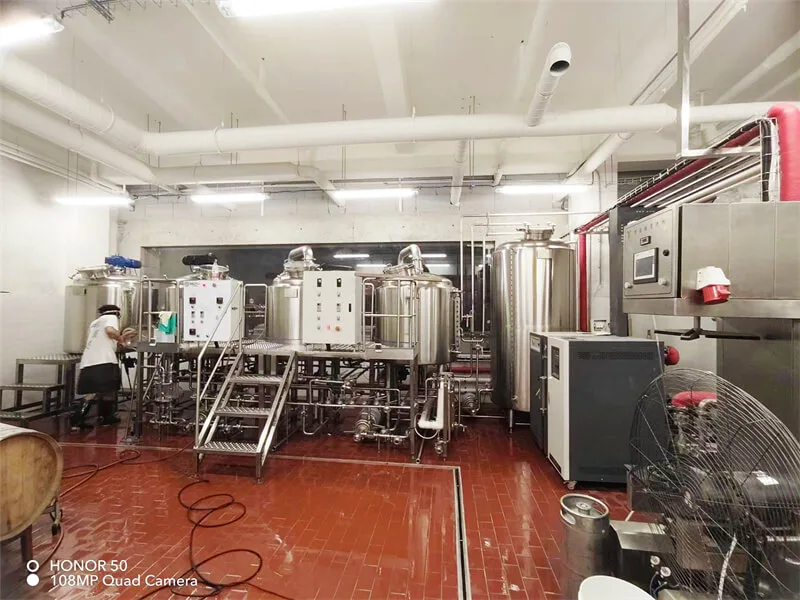
For venues offering “brewed on premise” freshness, a 300–500 liter 3-vessel system is the core workhorse. It delivers preservative-free, artisanal beer at the pace your customers demand. Parallel brewing boosts capacity for busy nights, and the exposed mash tun or sight glasses turn the brewing process into a visual centerpiece—strengthening your brand story and customer experience.
4.3 Small to Mid-Sized Craft Breweries
Startup breweries and regional producers benefit from the 1,000–5,000 liter 3-vessel systems. They enable production of 3–4 batches daily with consistent quality batch over batch. Consistent brewhouse performance builds brand trust, and the modular footprint allows gradual expansion as distribution grows. The balanced cost-to-capacity ratio often yields a payback period of 12–18 months, making it exceptionally appealing for lean startups.
4.4 R&D and Pilot Brewing
For research institutes, quality labs, and breweries developing new recipes, a flexible 3-vessel pilot system is indispensable. It supports diverse mashing profiles and ingredient trials, rapidly testing New England IPAs, fruit-infused sours, or hybrid styles. Tight process control ensures reproducible data, accelerating innovation cycles and helping you bring distinctive beers to market before competitors.
5. Conclusion: The Balanced Bridge to Professional Brewing
Choosing a 3-vessel brewhouse system means choosing the sweet spot between quality, efficiency, and cost. It leaves behind the workflow constraints of 2-vessel systems, giving you precision and parallel brewing capabilities, yet skips the overhead of a 4-vessel system. Whether you’re dialing in your homebrewery or building a craft beer brand, this system offers the control, speed, creativity, and scalability you need. Precision temperature management keeps every batch consistent, parallel operations maximize output, the flexible configuration unlocks countless beer styles, and the modular design protects your future growth.
If you’re crossing from beginner to professional or planning a craft brewery venture, prioritize the 3-vessel brewhouse system. It’s more than a set of tanks—it’s the key that unlocks professional brewing, helping you faithfully reproduce the flavors you envision and take your passion further.
Contact Meto today to learn more about our brewery solutions and find the brewery equipment for your brewery.