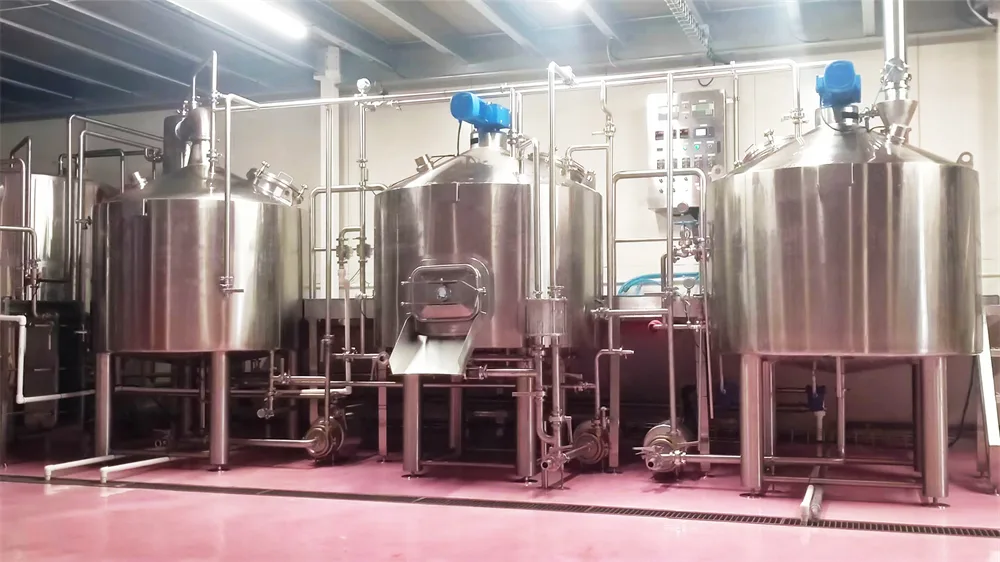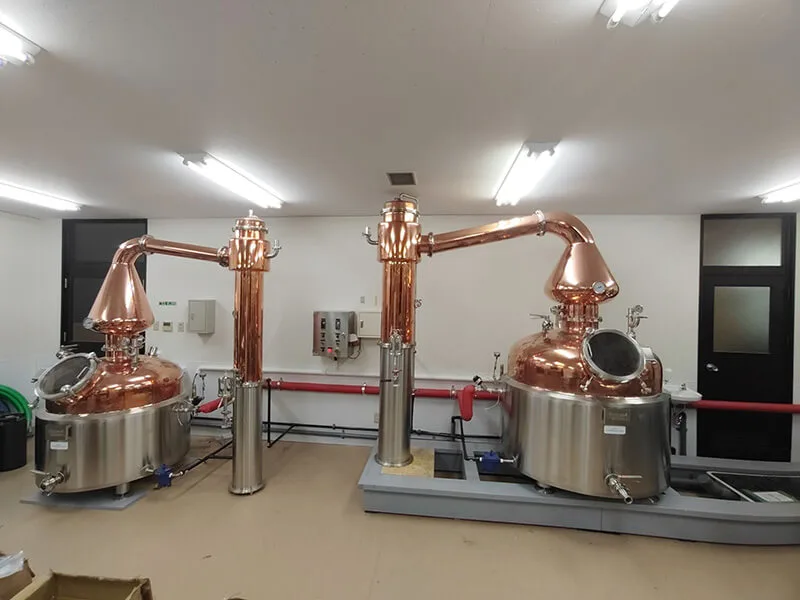
Whiskey has been cherished for centuries, admired for its balance of complexity, tradition, and regional expression. Although its final character may seem mysterious, whiskey is built from surprisingly simple foundations. Its transformation from raw grain to a beautifully refined spirit relies not only on technique and aging, but critically on the distillery equipment used at every production stage.
In this expanded guide, we will explore:
- The essential raw materials used to produce whiskey
- How the distillation process transforms flavor
- The role of professional distillery equipment in spirit quality
- The differences between pot stills and column stills
- Key factors to consider when choosing distillery equipment
- Why equipment matters for both craft and industrial distilleries
The Fundamental Ingredients of Whiskey
Despite its variety of styles, origins, and flavor profiles, traditional whiskey is made from only three core ingredients:
1. Water
Water is more than just a component—it is the foundation. It regulates mash temperature, supports fermentation, powers steam heating, and is often used for dilution before bottling. Its mineral content influences mouthfeel and reaction during mashing, and many renowned whiskey regions highlight their natural water sources as part of their identity.
2. Grain
The type and ratio of grains determine much of the whiskey’s final character. Common grains include:
- Barley — deep malt character, common in Scotch
- Corn — sweet, soft body, signature of bourbon
- Rye — peppery, spicy, bold profile
- Wheat — mild, smooth, gentle finish
Choosing grain varieties and adjusting their percentages allows distillers to craft unique styles and flavor expressions.
3. Yeast
Yeast drives fermentation by converting sugar into alcohol and releasing important aroma compounds such as fruity esters and spicy phenols. Fermentation management — temperature, time, and yeast strain — sets the foundation before distillation even begins.
From Mash to Whiskey: The Distillation Stage
After fermentation, the resulting liquid, often called wash, has an alcohol concentration of about 5–10%. Distillation separates desirable alcohol from water and impurities by heating the wash until alcohol vaporizes and then cooling it back into liquid form.
This is the pivotal moment where engineering meets art — and where the quality of distillery equipment becomes essential.
Why Distillery Equipment Matters
1. Purity and flavor refinement
The shape and design of the still influence how vapor rises, condenses, and returns to the column or pot. Reflux levels determine which compounds are preserved or removed. Well-designed equipment ensures clean distillate, smooth mouthfeel, and controlled flavor concentration.
2. Material selection
Professional distillation equipment commonly uses:
- Copper — removes sulfur compounds and improves aroma through catalytic reaction
- Stainless steel — durable, hygienic, suitable for structure and cooling systems
Many distillers combine copper in key vapor contact areas with stainless steel for structural strength and easy maintenance.
3. Batch consistency
Craft distilleries must deliver reliable flavor from batch to batch, especially when scaling. Temperature stability, heat transfer efficiency, and controls integrated into equipment determine production accuracy.
4. Production flexibility
Modern systems allow distillers to produce multiple spirits—such as whiskey, gin, vodka, rum, and brandy—by adjusting plates, column height, or reflux control. This adaptability is crucial for commercial models with diversified product lines.
5. Efficiency and scaling
Distillery equipment impacts:
- Energy consumption and operating cost
- Cleaning and sanitation time (CIP support)
- Production speed and labor requirements
Well-designed equipment increases output while maintaining craftsmanship standards.
Pot Still vs. Column Still: Which Is Better for Whiskey?
Both systems are widely used in whiskey production, but each supports different goals:
Alambique
- Traditional design, usually copper
- Produces rich, full-bodied spirits
- Requires multiple distillation runs
- Ideal for Scotch, Irish whiskey, and some craft bourbons
Columna Still
- Tall vertical structure with internal plates
- Continuous operation, high purity, high efficiency
- Produces cleaner, lighter spirits
- Common in large whiskey operations and grain whiskey production
Hybrid Still
Combines pot characteristics with a column section, offering flexibility and control.
Choosing Distillery Equipment: Key Considerations
When planning a new distillery or expanding capacity, important factors include:
| Selection Factor | Importance |
|---|---|
| Production scale | Determines still size and configuration |
| Spirit type | Affects column height, plate number, and materials |
| Budget & energy use | Impacts operational cost long-term |
| Available space | Defines layout and workflow |
| Level of automation | From manual control to PLC systems |
| Maintenance & cleaning | Influences lifespan and quality consistency |
Investing in high-quality equipo de destilería is a long-term decision that shapes product reputation, brand identity, and market competitiveness.
Conclusión
Whiskey begins as nothing more than water, grain, and yeast. But through careful fermentation, precise distillation, and thoughtful aging, it becomes a refined spirit full of character and complexity. Distillation is the heart of this transformation, and the performance of the distillery equipment determines purity, consistency, and flavor potential.
Whether producing small-batch craft whiskey or operating a commercial facility, choosing reliable, well-designed distillery equipment is essential to achieving exceptional results.
Si tiene alguna pregunta sobre la elaboración de cerveza, no dude en Contacto Equipo Meto.