For many restaurant owners, craft beer entrepreneurs, and brewpub investors, choosing the right brewing capacity is one of the most important decisions in the entire project.
Go too small, and production quickly becomes a bottleneck. Go too large, and you face higher investment costs, unused capacity, and increased operating expenses.
This is exactly why the 1000L Brewhouse, also known as an 10BBL Brewing System or 10HL Craft Beer Equipment, has become one of the most popular configurations for modern brewpubs and on-site brewing operations across North America, Europe, and Australia.
It offers the ideal balance between production efficiency, floor space utilization, and return on investment.
Whether you are opening a restaurant brewery, expanding a taproom, or launching a new craft beer brand, a well-designed 1000L brewpub system can help you maximize beer quality while minimizing operational complexity.
Why Brewpubs Are Growing Worldwide
Consumers today are no longer looking for just food and drinks. They are looking for experiences.
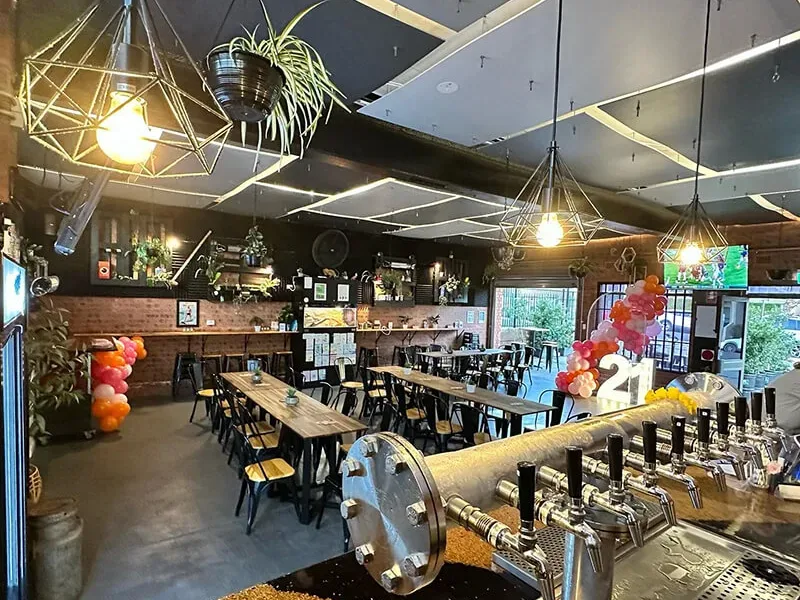
A brewpub combines a restaurant, bar, and brewery into one destination. Customers can enjoy freshly brewed beer only a few meters away from where it was produced, creating authenticity and a stronger connection with the brand.
This concept, commonly known as On-Site Brewing, offers several business advantages:
- Higher profit margins compared to purchasing packaged beer
- Unique and exclusive beer offerings
- Stronger customer engagement
- Increased repeat visits
- Enhanced brand identity
For many operators, the brewery itself becomes a marketing tool as much as a production facility.
Why Choose a 1000L (10BBL) Brewing System?
Capacity Conversion
Understanding brewing capacity in different markets is important:
- 1000 Liters
- 10 Hectoliters (10HL)
- Approximately 211 US Gallons
- Approximately 8.5 BBL (US Beer Barrels)
This capacity sits perfectly between smaller nano brewery systems and larger commercial production breweries.
Comparing Common Brewery Sizes
| Tamaño del sistema | Typical Market Position |
|---|---|
| 3-5 BBL | Nano Brewery |
| 8.5 BBL (1000L) | Large Nano / Small Micro Brewery |
| 15 BBL+ | Regional Production Brewery |
The 1000L brewhouse provides significantly better efficiency than a 3 BBL system while requiring far less capital investment than a 15 BBL production facility.
Annual Production Potential
A busy brewpub typically brews:
- 2–3 batches per week
- 100–150 batches annually
This translates into approximately:
500–700 BBL of beer per year
For most brewpubs, restaurants, and taprooms, this production volume is ideal for direct on-premise consumption without generating excess inventory.
Space Requirements
One major reason for the popularity of 1000L systems is their compact footprint.
A complete brewpub brewery can often operate within:
50–70 square meters (540–750 sq ft)
This makes the system suitable for:
- Urban restaurants
- Hotel breweries
- Taprooms
- Tourist attractions
- Hospitality venues with limited floor space
A properly engineered space-saving brewhouse design can significantly improve workflow while preserving valuable customer seating areas.
Core Components of a 1000L Brewpub Brewing System
Brewhouse Configuration
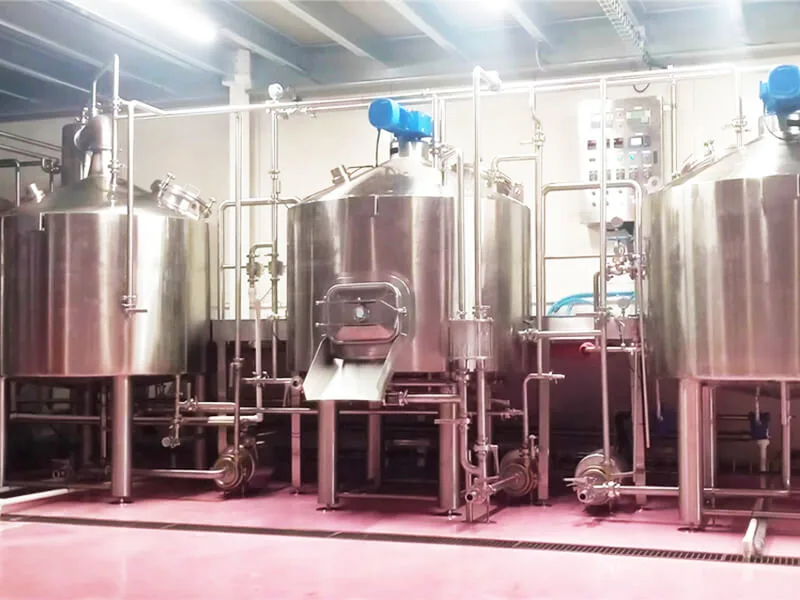
For most brewpub applications, a compact two-vessel design offers the best balance between performance and footprint.
2-Vessel Brewhouse
Configuración típica:
- Túnel de maceración/auterización
- Kettle/Whirlpool
Ventajas:
- Reduced footprint
- Menor coste de inversión
- Simplified operation
- Excellent efficiency for brewpub production
The mash/lauter vessel typically incorporates a precision-engineered False Bottom to improve wort filtration efficiency and reduce grain carryover.
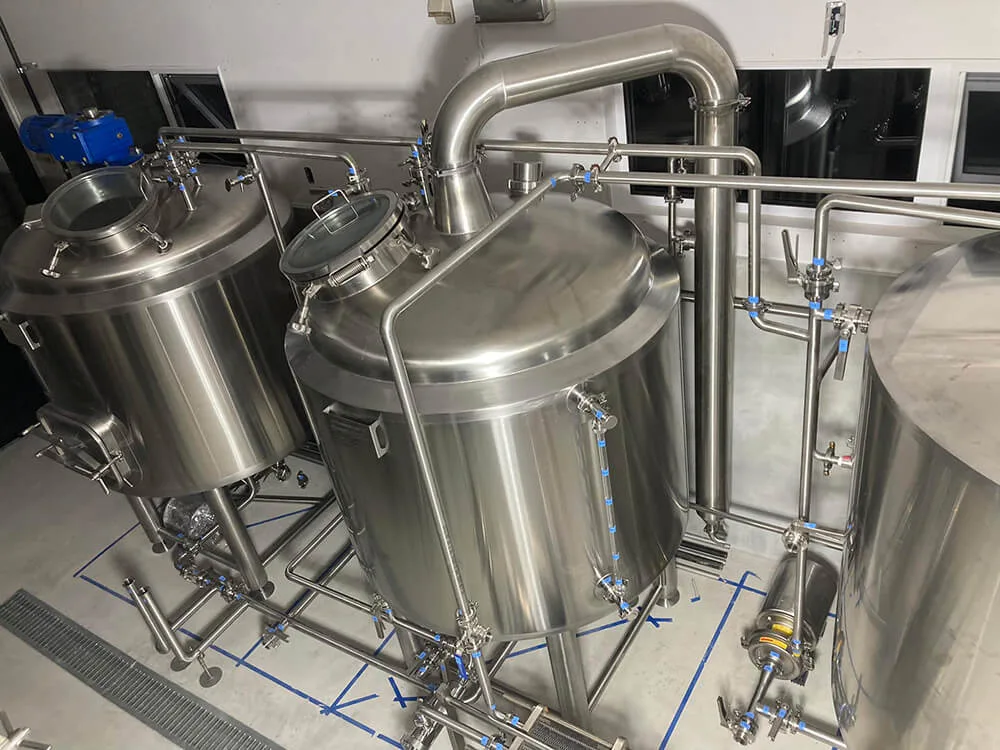
Premium Stainless Steel Construction
Material quality directly affects sanitation, durability, and long-term operating costs.
A commercial 1000L brewhouse should feature:
- SUS304 stainless steel as standard
- SUS316 stainless steel for selected process areas
- Interior surface finish Ra < 0.4 μm
- Mirror-polished interior welds
- 2.5–3.0 mm vessel thickness
Unlike home-brew kits, commercial brewing equipment requires a hygienic finish that minimizes bacterial growth and simplifies cleaning procedures.
Direct Fire vs Steam Heating vs Electric Heating
Choosing the right heating method depends on local utility availability, installation requirements, and brewing goals.
Electric Brewing System
Ventajas:
- Easy installation
- Lower initial complexity
- Clean operation
- Suitable for smaller brewpubs
Lo mejor para:
- Urban locations
- Indoor installations
- Areas with affordable electricity
Steam Heated Brewery
Ventajas:
- Uniform heat distribution
- Improved temperature control
- Reduced risk of wort scorching
- Excellent for light-colored beers
Lo mejor para:
- Professional brewpubs
- High-volume production
- Operators seeking maximum consistency
Direct Fire Brewery
Ventajas:
- Lower equipment cost
- Traditional brewing aesthetics
- Strong heating performance
Lo mejor para:
- Brewpubs emphasizing traditional brewing experiences
- Locations with reliable natural gas supply
Most overseas projects can be customized to local electrical standards, including 380V/60Hz, 220V/60Hz, and regional gas requirements.
Fermentation System: Where Great Beer Is Made
Even the best brewhouse cannot compensate for poor fermentation control.
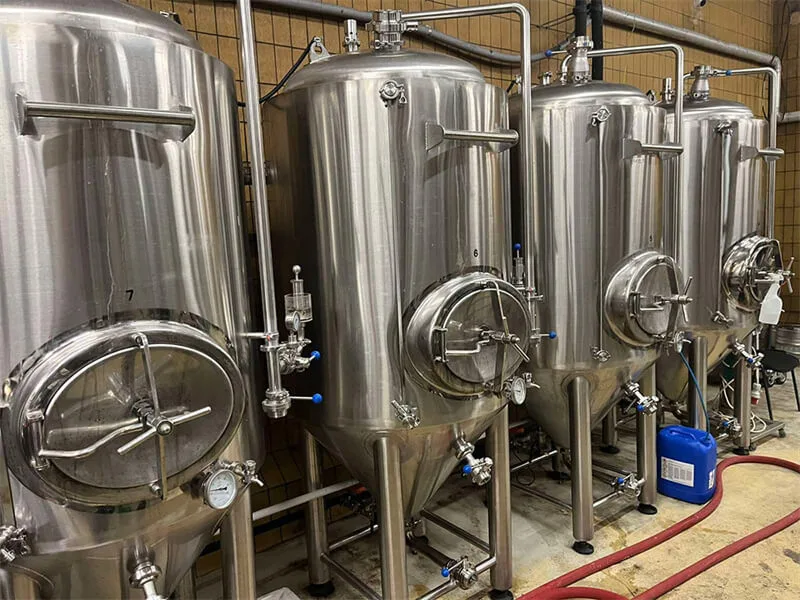
Cylindrical Conical Fermenters
Commercial systems typically use:
- 1000L–2000L Unitanks
- 60° conical bottoms
- Side-hinged Manway
- CIP spray balls
- Sample valves
- Carbonation Stones
The use of Unitanks allows brewers to ferment, carbonate, and condition beer in a single vessel, reducing labor and improving efficiency.
Sistema de refrigeración por glicol
A professional Fermentation Tank with Glycol Cooling is essential for producing consistent beer.
Las características clave incluyen:
- Glycol jacket cooling
- Independent temperature zones
- Digital temperature controllers
- Automatic cooling regulation
Precise temperature control is especially important when brewing:
- IPA
- NEIPA
- Lager
- Pilsner
- Stout
- Belgian styles
Dry Hopping Capability
Modern consumers love hop-forward beers.
Professional fermenters should include dedicated dry-hop ports, allowing brewers to produce:
- West Coast IPA
- Hazy IPA
- Double IPA
- Cold IPA
without introducing excessive oxygen during hop additions.
Brewery Automation: Manual vs PLC Control
Manual Control
Ventajas:
- Lower equipment cost
- Greater hands-on involvement
- Suitable for experienced brewers
PLC Automatic Brewing Control
Ventajas:
- Recipe repeatability
- Reduced labor requirements
- Faster staff training
- Remote monitoring capability
- Improved process consistency
Modern PLC systems typically include:
- Touchscreen HMI
- Control automático de la temperatura
- Pump automation
- Brew step management
- Data logging
For investors without extensive brewing experience, PLC automation can significantly reduce operational risk.
The Visual Power of Brewpub Design
A brewpub brewery should do more than make beer.
It should create an experience.
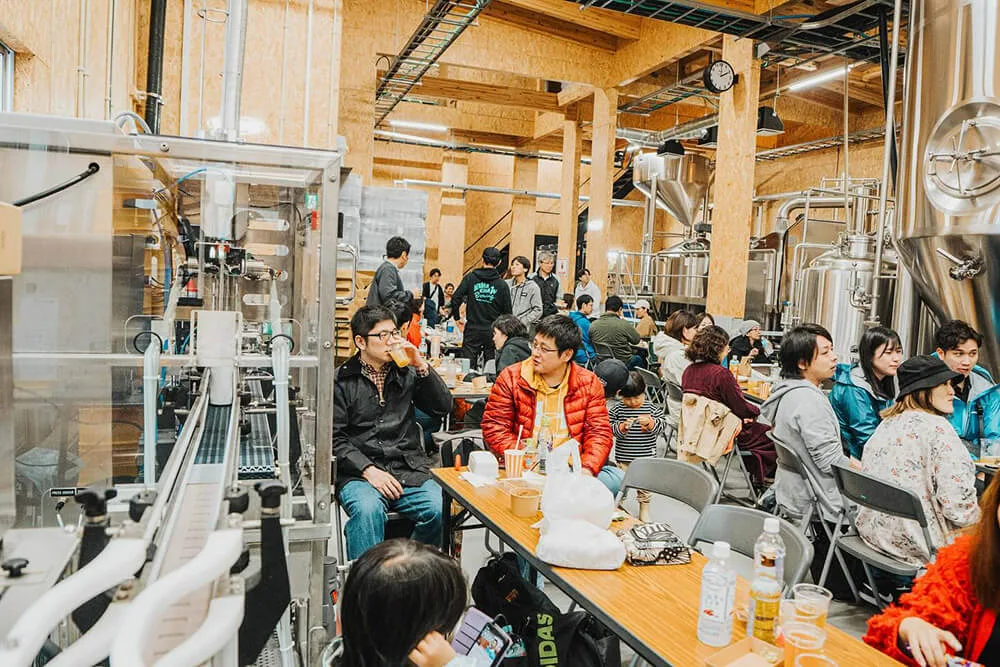
Brewing Equipment as Interior Design
Many successful brewpubs intentionally place their brewhouse in full view of customers.
Popular finishes include:
- Acero inoxidable pulido a espejo
- Red copper cladding
- Brass decorative trim
These visual elements transform brewing equipment into a centerpiece that enhances the atmosphere of the venue.
Glass Viewing Areas
Many modern brewpubs include:
- Glass partitions
- Brewing corridors
- Open brewery displays
Allowing customers to observe the brewing process increases transparency, strengthens brand trust, and creates a memorable dining experience.
Turnkey Brewery Solution: From Concept to First Brew
For international buyers, equipment is only one part of the project.
The real challenge is getting everything installed and running successfully.
A professional Turnkey Brewery Solution typically includes:
Brewery Design
- 2D layout planning
- 3D brewery modeling
- Utility planning
- Drainage design
Equipment Manufacturing
- Cervecería
- Fermenters
- Bright beer tanks
- HLT (Hot Liquor Tank)
- Glycol system
- Sistema CIP
- Intercambiador de calor de placas
- Beer Dispatching System
Installation & Commissioning
- Remote installation support
- On-site engineer assistance
- Equipment testing
- Process optimization
Brewing Training
- Recipe development
- Brewing procedures
- Cleaning protocols
- Quality control training
The goal is simple: help customers move from equipment delivery to commercial beer production as quickly as possible.
What International Buyers Should Look For
Certifications
Professional suppliers should offer:
- CE Certification
- ISO9001 Quality Management
- ASME compliance (where applicable)
Export Packaging
For international shipping, equipment should be packed in:
- Plywood wooden cases
- Moisture-resistant protection
- Shock-resistant packaging
Spare Parts
Reliable suppliers often include:
- Additional gaskets
- O-rings
- Temperature probes
- Solenoid valves
- Sensor components
This reduces downtime and avoids delays caused by international shipping.
Preguntas frecuentes
How much floor space is required for a 1000L brewery?
Most 1000L brewpub systems require approximately 50–70 square meters, depending on tank quantity and layout design.
Can the system brew both Ale and Lager?
Yes. With properly sized glycol cooling and fermentation control, the system can produce virtually all major beer styles.
What is the typical lead time?
Manufacturing generally takes 45–75 days, depending on configuration and customization requirements.
Do you provide brewing recipes?
Most turnkey suppliers provide recipe guidance, commissioning support, and brewer training to help customers begin production successfully.
Reflexiones finales
The 1000L (10BBL / 10HL) brewhouse has become one of the most successful brewpub equipment configurations worldwide because it balances production capacity, floor space efficiency, and investment cost.
For restaurants, taprooms, hotels, and startup breweries pursuing an on-site brewing model, it offers enough output to generate attractive margins without the complexity of a large-scale production brewery.
More importantly, success in a brewpub project depends not only on equipment quality but also on engineering support, installation expertise, and long-term service.
When evaluating suppliers, look beyond the price tag. Examine weld quality, polishing standards, automation capabilities, and after-sales support.
A well-built commercial brewery should deliver reliable performance for decades.
Unlike home-brew kits, our commercial 1000L brewing systems feature an internal surface finish of Ra < 0.4μm, ensuring superior sanitation, easier cleaning, and long-term brewing consistency.
Póngase en contacto con nosotros today to receive a free brewery layout, 3D brewery design, and customized quotation for your brewpub project.