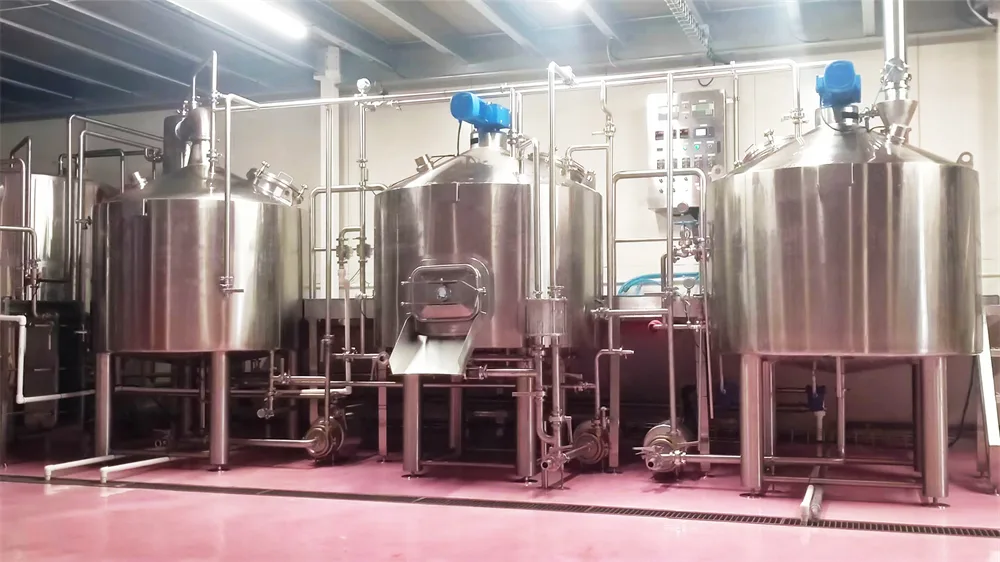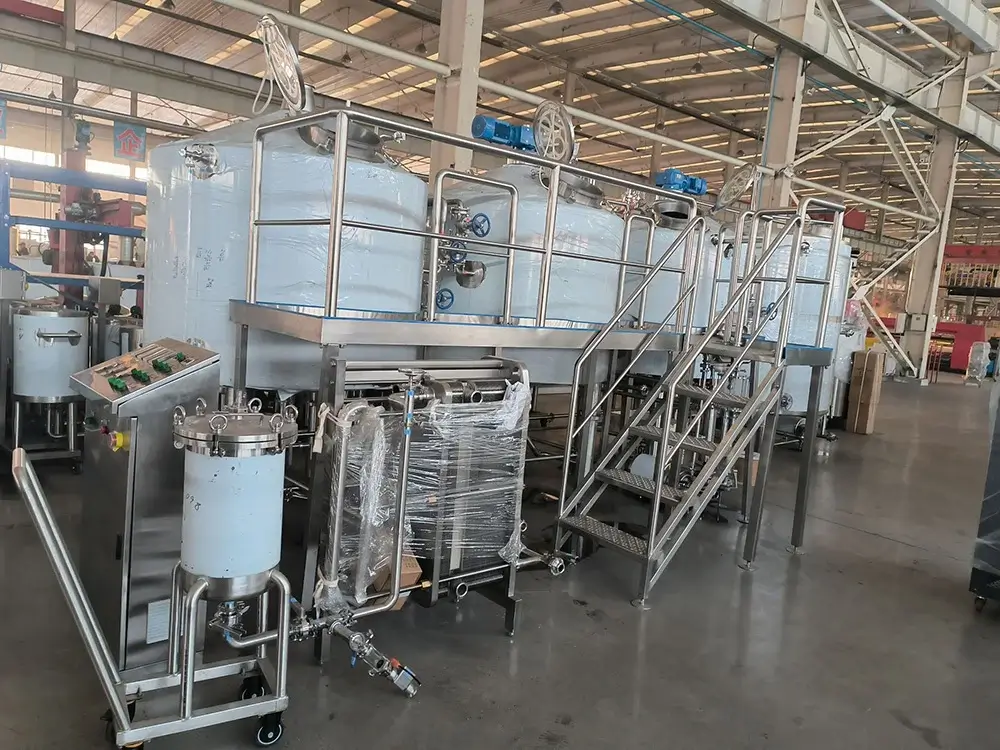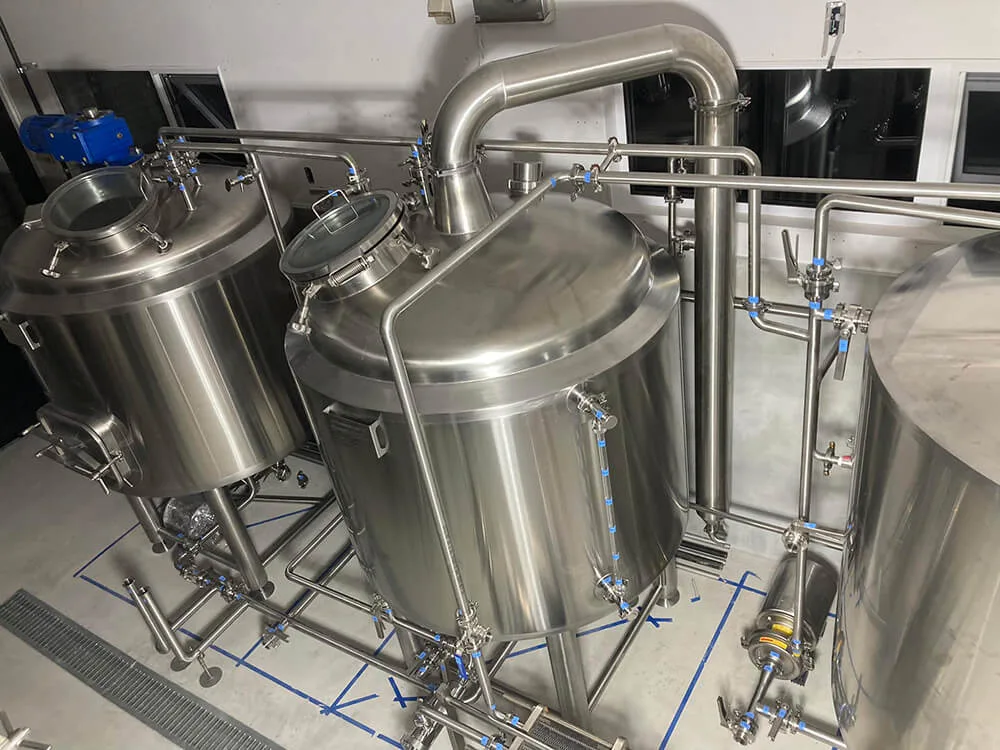
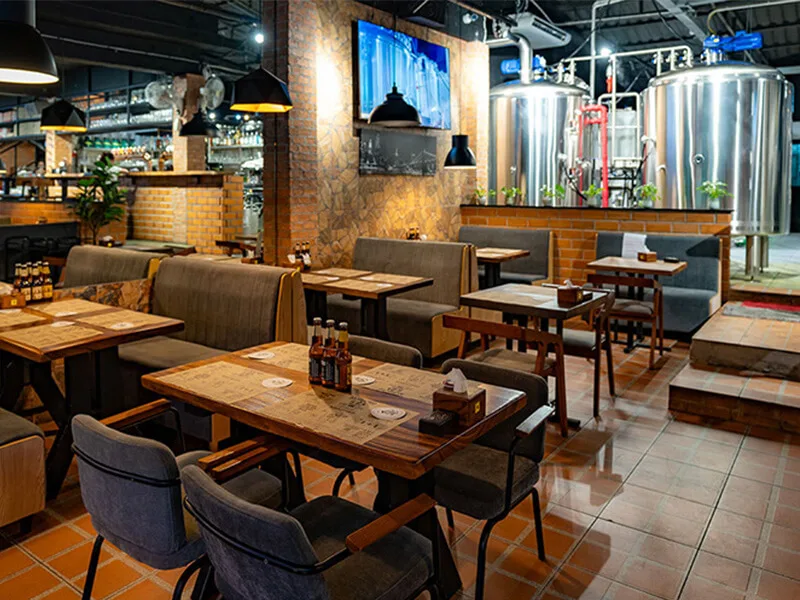
Electric heating is an efficient, controllable, and safe heating method widely used in brewery equipment. This guide explains the different types of Electric Heating Beer Brewing Equipment used in beer production and how to choose the right system for your brewery.
Introduction to Electric Heating in Brewing
Electric heating brings many advantages to beer production:
- Precise temperature control for mashing and boiling
- Clean heating with no smoke or combustion by-products
- Even and stable heat distribution
- Compact and fast-response heating elements
- Food-safe operation
- Energy-efficient and lower operating cost
- Easy integration with automation and process control
Types of Electric Heating Systems in Brewery Equipment
1. Electric Steam Boiler
Electric steam boilers use electrodes or heating elements to produce steam for brewing.
Features:
- Fast start-up and quick steam generation
- Compact skid-mounted design
- Fully automatic operation
- Accurate pressure and temperature control
- Blowdown and descaling functions
- High energy efficiency
Advantages:
- Dry, high-quality steam
- No combustion residue or air pollution
- Low maintenance (no burner cleaning)
- Safe and clean operation
- Long electrode life
- Lower long-term operating cost
2. Electric Hot Water Boiler
Electric hot water boilers are used to heat water for mashing and cleaning.
Features:
- Compact design
- Fast heating response
- Digital temperature control
- Stainless steel construction
- Automatic water supply and safety system
- Integrated control and data recording
Advantages:
- Stable hot water supply on demand
- Even heating without cold spots
- No combustion, low maintenance
- Safe, clean, and efficient
Power capacity can reach 500 kW, suitable for most commercial brewing needs.
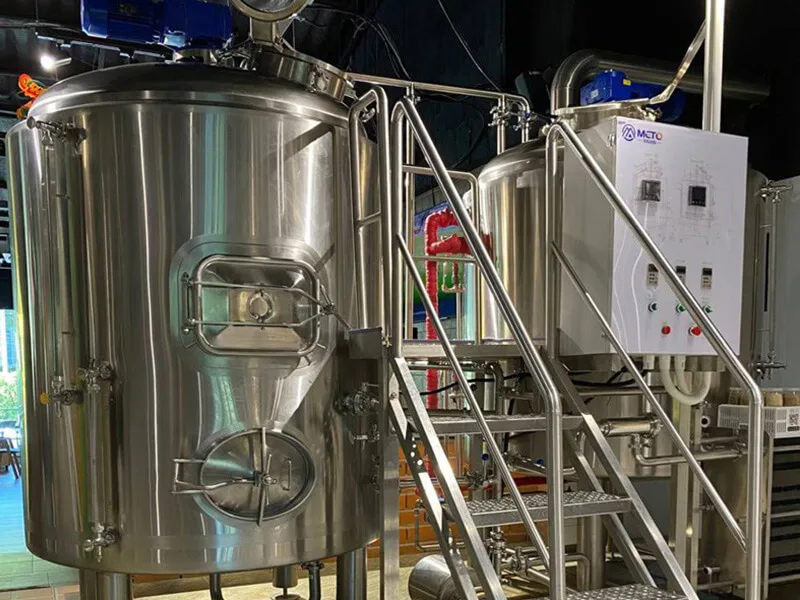
3. Electric Heated Brew Kettle
Electric brew kettles are equipped with heating elements for wort boiling.
Features:
- Heating elements sealed in stainless steel chambers
- Power range from 50 kW to 500 kW
- Optional steam or water heating jacket
- Insulated vessel to reduce heat loss
- Automatic temperature control
Advantages:
- Fast wort heating and boiling
- Precise temperature control
- Energy-saving
- Shorter boiling time
- Consistent wort quality
- No open flame, safer operation
Capacity ranges from 100 gallons to 600 barrels.
4. Electric Heating Jacket
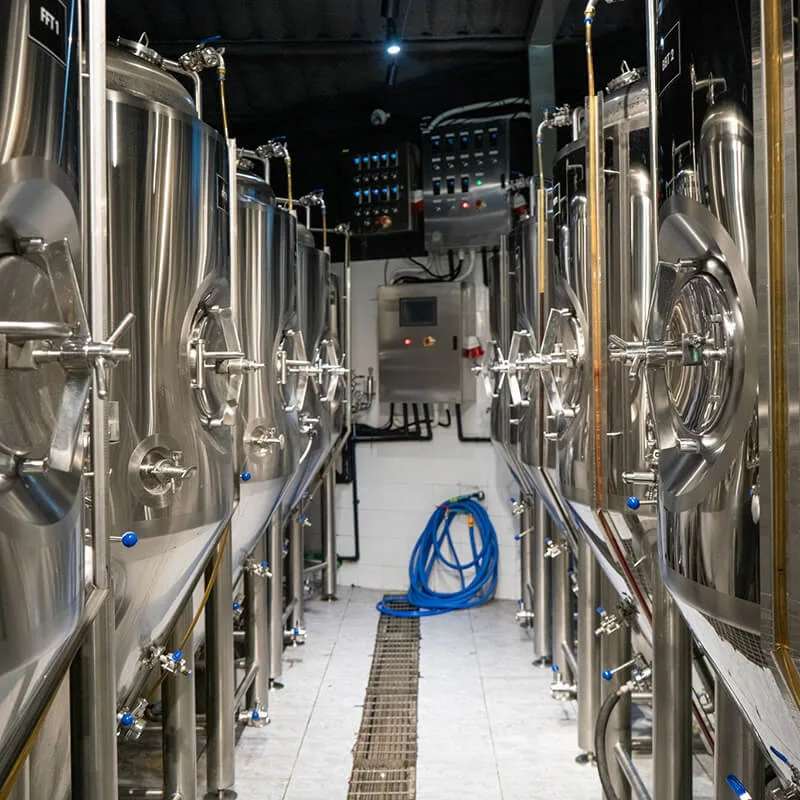
Electric heating jackets wrap around tanks and vessels.
Features:
- Custom design for each tank
- Flexible heating elements
- Insulated for energy efficiency
- Food-grade materials
- Compatible with CIP and sterilization
- Integrated temperature control
Advantages:
- Even tank heating
- Better control than burners
- No live steam, safer
- No need for large boiler systems
- Easy installation on existing tanks
- Lower maintenance than steam jackets
Commonly used for fermenters, yeast propagation tanks, and brite beer tanks.
5. Electric Immersion Heater
Immersion heaters are installed directly inside tanks.
Features:
- Stainless steel construction
- Heating element immersed in liquid
- Power range from 3 kW to 200 kW
- Custom length and capacity
- Integrated control and safety system
Advantages:
- Fast direct heating
- Compact and cost-effective
- Zone heating possible
- Easy installation
- No steam contamination risk
- Low maintenance
Used in hot water tanks, CIP systems, wort filtration, and fermentation.
6. Electric Tank and Vessel Heaters
Custom-designed electric heaters for specific brewing vessels.
Features:
- Flanged or clamp-type heaters
- Bottom or wrap-around heating
- Insulated design
- Power range from 5 kW to 500 kW
- Integrated control and safety system
Advantages:
- Optimized heating performance
- Faster heating response
- More efficient than external heating
- Lower maintenance than steam coils
- Precise temperature control
Used in mash tuns, hot liquor tanks, fermenters, and yeast tanks.
Applications in Brewing
Electric Heating Beer Brewing Equipment is used in:
- Mash tun
- Lauter tun
- Boil kettle
- Whirlpool
- Hot water tank
- Yeast propagation
- Fermentation tank
- Brite beer tank
- CIP system
- Bottle and keg washer
- Pipeline heating
Installation and Commissioning
Proper installation is important:
- Position equipment carefully
- Install boilers and vessels on strong foundations
- Check alignment and connections
- Tighten flanges and fittings
- Connect instruments and control systems
- Perform pressure and leak tests
- Insulate jackets properly
- Program control parameters
- Test and optimize operation
Certified technicians should handle commissioning.
Operation and Maintenance
Operation:
- Preheating and shutdown procedures
- Adjust temperature setpoints
- Monitor power, current, and voltage
- Check steam pressure and flow
- Test safety systems
- Inspect for leaks or damage
Maintenance:
- Daily inspection and cleaning
- Descaling heating elements
- Check insulation
- Inspect wiring and terminals
- Test safety valves
- Regular calibration of sensors
How to Choose the Right Electric Heating System
Consider the following:
Application
- Brewing process step
- Production volume
- Temperature and pressure requirements
- CIP needs
- Existing utilities
Capacity
- Power rating and heat load
- Tank volume
- Production throughput
Structure
- Compact or modular design
- Food-grade materials
- Easy maintenance access
Control
- Automation level
- Data monitoring
- System integration
- Safety interlocks
Supplier
- Industry experience
- Custom engineering ability
- Local support
- Compliance with regulations
- Installation and training service
Choosing the right brewery equipment supplier ensures maximum return on investment.
Advantages and Disadvantages of Electric Heating
Advantages
- Precise temperature control
- Fast heating response
- Energy-efficient
- Improved beer quality
- Compact and scalable
- Low maintenance
- Clean operation, low emissions
Disadvantages
- Higher initial investment
- May require upgraded electrical infrastructure
- Capacity limits for very large breweries
- More complex control systems
Frequently Asked Questions (FAQs)
Q: How much heating capacity is needed for a 20 BBL system?
A: About 400 kW steam boiler or 650 kW electric hot water boiler.
Q: What temperature can an electric brew kettle reach?
A: Up to 140°C, depending on power rating.
Q: Can electric heating replace steam heating?
A: Yes. It offers better control and lower emissions, but higher initial cost.
Q: Is electric heating safe for beer production?
A: Yes. When properly designed, it provides clean and safe operation.
Q: How to improve energy efficiency?
A: Use good insulation, optimize heating zones, and advanced control systems.
Conclusion
Electric Heating Beer Brewing Equipment provides a clean, efficient, and controllable solution for modern brewery equipment systems. With proper design and integration, electric heating improves beer quality, reduces operating costs, increases safety, and lowers emissions.
By choosing the right system based on your production needs and budget, breweries can achieve stable performance and precise control over the brewing process.
If you are planning to build or upgrade your brewery equipment, electric heating is a smart and future-ready choice.
contact the Meto team to visit and start your craft beer journey!