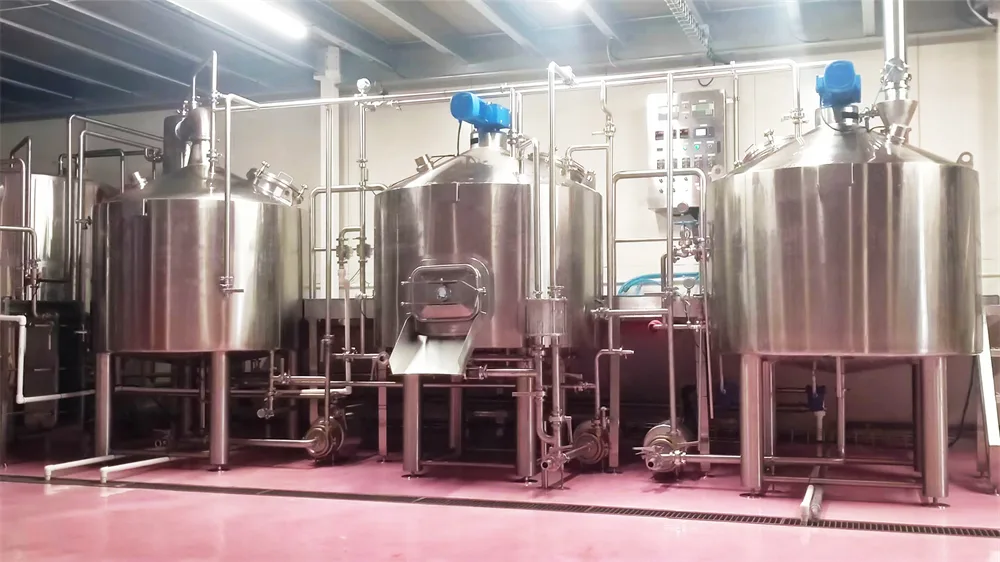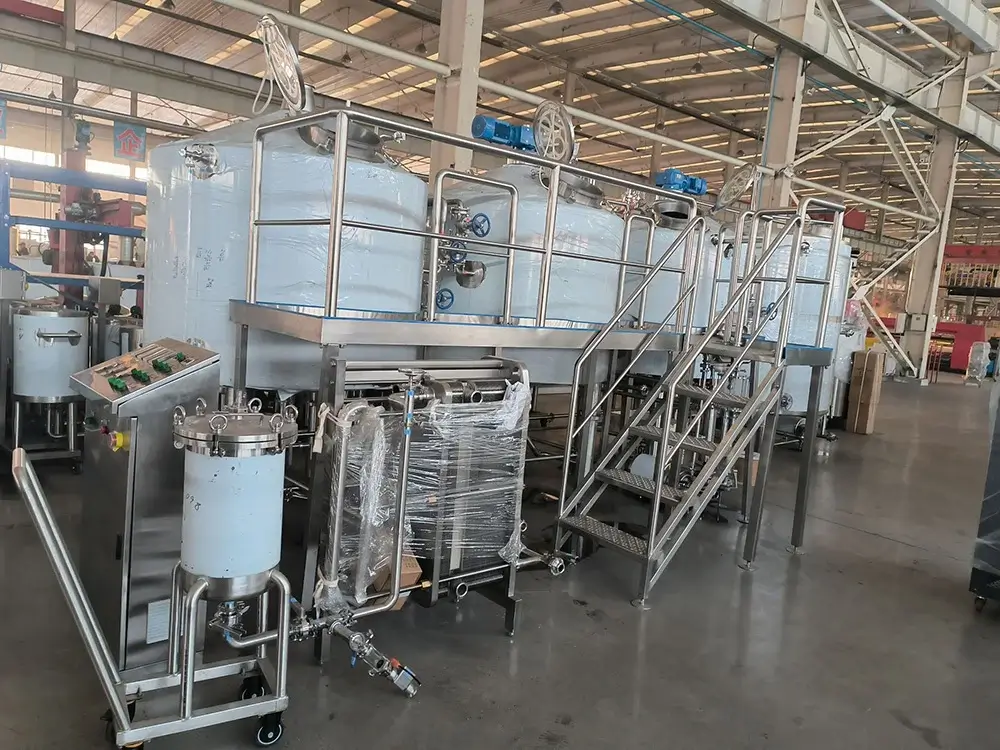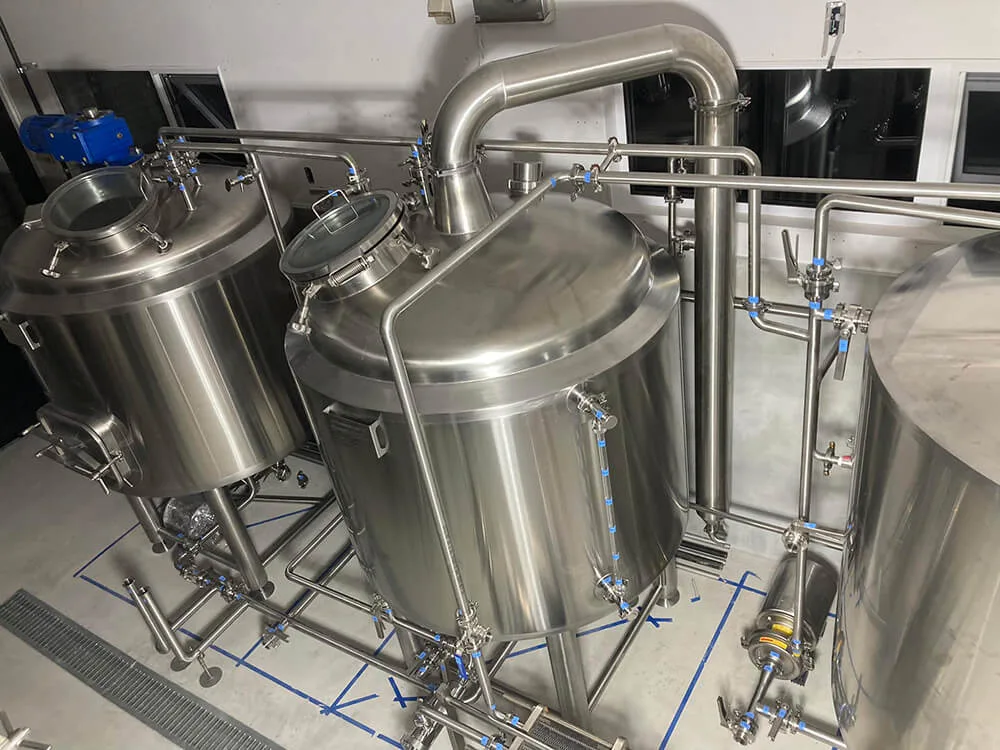
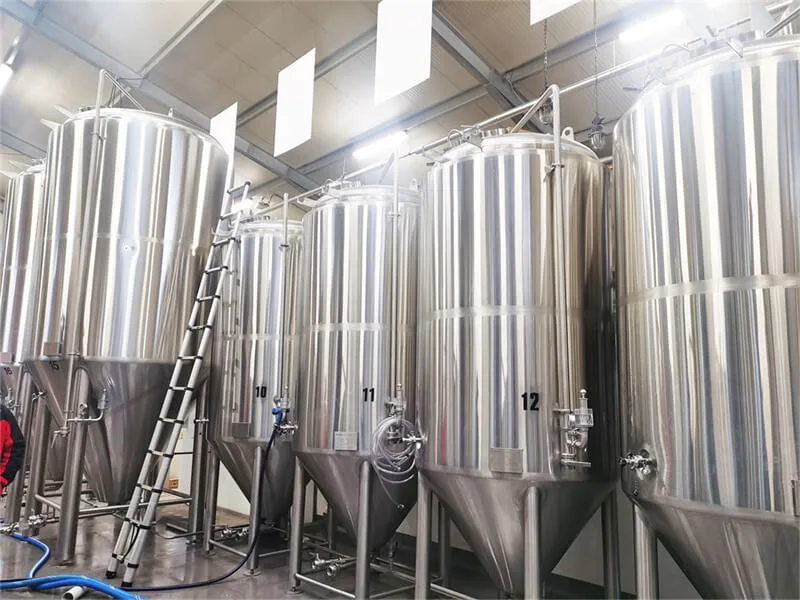
Stainless steel tanks are widely used across industries such as food & beverage, pharmaceuticals, chemicals, and energy due to their corrosion resistance, durability, hygiene, and environmental safety.
However, many companies still make critical mistakes when selecting a stainless steel tank—such as choosing materials blindly or focusing only on price—leading to contamination risks, shortened equipment lifespan, and compliance issues.
In reality, there is no “one-size-fits-all” stainless steel tank. The key is simple:
match the tank to your industry requirements, process media, and compliance standards.
Three Core Factors in Stainless Steel Tank Selection
Before selecting any stainless steel tank, focus on these three fundamentals:
1. Process Medium
Understand what you are storing or processing:
- Corrosiveness (acid, alkali, salt)
- Viscosity
- Temperature
- Pressure
This determines the material grade and tank structure.
2. Compliance Requirements
Different industries require strict standards:
- Food-grade (FDA / GB standards)
- Pharmaceutical GMP compliance
- Pressure vessel certifications
Ignoring compliance can lead to failed inspections or legal risks.
3. Application Scenario
Consider:
- Installation space
- Tank orientation (vertical or horizontal)
- Required functions (mixing, heating, cleaning)
These factors directly affect tank design, size, and configuration.
Industry-Specific Stainless Steel Tank Selection Guide
Food & Beverage Industry: Hygiene First
The top priority is sanitary safety and cleanability.
Material Selection
- 304 stainless steel: suitable for water, beverages, edible oil
- 316L stainless steel: ideal for acidic, salty, or high-sugar products (juice, dairy, sauces)
Design & Features
- Mirror-polished inner surface (Ra ≤ 0.4 μm)
- CIP-Anlage (Clean-in-Place)
- Smooth welds with no dead corners
- Optional insulation for temperature-sensitive products
Best Practice
Use vertical stainless steel tanks for large-scale storage and horizontal tanks for transport or small facilities.
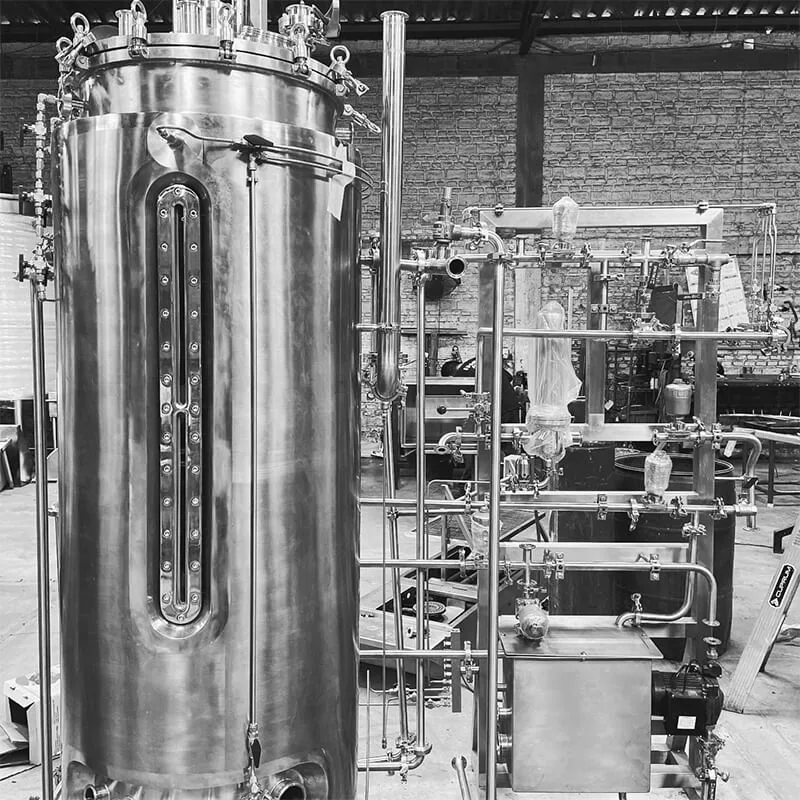
Pharmaceutical Industry: Ultra-Clean & GMP-Compliant
Pharmaceutical applications require extreme purity and sterile conditions.
Material Selection
- 316L stainless steel (low carbon) as standard
- 317L stainless steel for highly corrosive media
Design & Features
- Electro-polished surface (Ra ≤ 0.4 μm, or ≤ 0.2 μm for sterile systems)
- SIP (Sterilization-in-Place) system
- Aseptic sampling valves
- Jacketed tanks for precise temperature control
Compliance
Must meet:
- GMP standards
- FDA regulations
- Pharmacopeia requirements
Chemical Industry: Corrosion Resistance & Safety
Chemical storage focuses on durability, pressure resistance, and leak prevention.
Material Selection
- 304 stainless steel: mild chemicals (ethanol, solvents)
- 316L stainless steel: moderate corrosion (acids, salts)
- Duplex stainless steel (2205/2507): high chloride or harsh environments
- Alloy materials (e.g., Hastelloy): extreme corrosion resistance
Design & Features
- Double-wall tanks with leak detection
- Pressure-rated vessels (up to 10 MPa)
- Mixing systems for viscous materials
- Explosion-proof and sealed structures
Compliance
- Pressure vessel standards (e.g., GB150)
- Fire safety regulations
Energy & Environmental Industry: Strength & Stability
Applications include oil storage, wastewater treatment, and renewable energy systems.
Material Selection
- 304 or composite steel for oil storage
- Duplex stainless steel for wastewater and high-chloride environments
- High-temperature alloys for molten salt systems
Design & Features
- Large vertical storage tanks (thousands of m³)
- Reinforced wall thickness for structural stability
- Smart monitoring systems for pressure and leakage
- Anti-corrosion coatings for underground tanks
Other Industries (Cosmetics, Labs, Metallurgy)
- Cosmetics:
- 304 for standard products
- 316L for high-end formulations
- Laboratories / Hospitals:
- Small horizontal tanks for flexibility
- High sealing and contamination control
- Metallurgy:
- Corrosion-resistant tanks for acid solutions
- Stainless steel-clad or 316L tanks recommended
Common Mistakes to Avoid When Choosing a Stainless Steel Tank
1. Choosing Low Price Over Quality
Cheap tanks may use inferior materials (e.g., 201 instead of 304/316L), leading to corrosion and failure. Always request material certification reports.
2. Ignoring Temperature Effects
- High temperatures can reduce corrosion resistance
- Low temperatures may affect material toughness
Always match material to operating conditions.
3. Overlooking Compliance Details
Poor polishing or welding can cause contamination or failed inspections in food and pharma industries.
4. Selecting the Wrong Size
- Oversized tanks waste investment
- Undersized tanks limit production
Plan based on current and future capacity needs.
Final Thoughts: Fit-for-Purpose Is the Best Choice
There is no “best” stainless steel tank—only the one that fits your application.
A proper selection process should follow:
- Define medium and working conditions
- Confirm compliance requirements
- Choose material (304 / 316L / duplex / alloy)
- Select structure (vertical / horizontal / pressure-rated)
- Add necessary functions (mixing, insulation, CIP, leak detection)
Maintenance Matters Too
Even the best stainless steel tank requires proper maintenance:
- cleaning and sanitation
- Inspection of corrosion and welds
- Calibration of safety components
This ensures longer service life and lower operating costs.
👉 Kontaktieren Sie uns heute for a custom brewhouse system design tailored to your production goals, budget, and future expansion plans.