
To craft a smooth, silky vodka, every piece of distillery equipment plays a critical role. Among them, the continuous distillation system lays the very soul of modern vodka. Today, we will break down the entire process flow of vodka production, with a special focus on how this core system works.
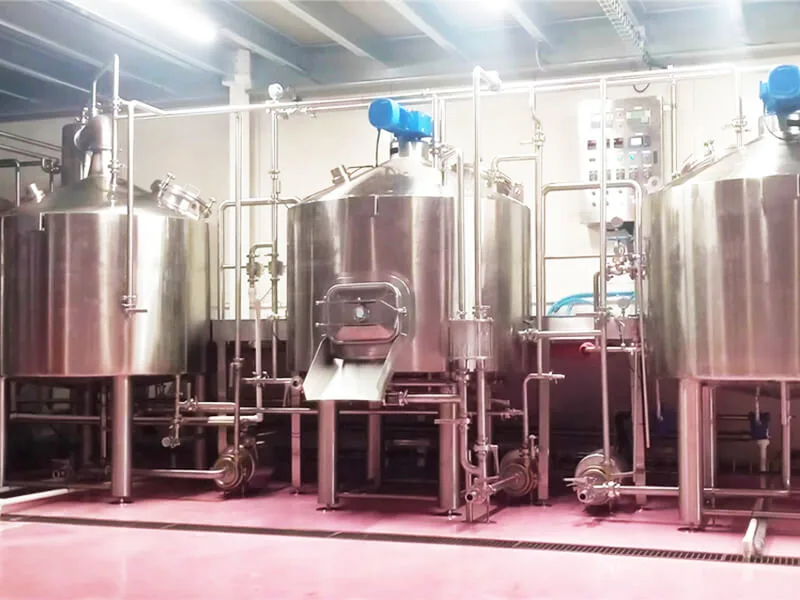
I. Raw Material Handling & Mashing Equipment – Converting Raw Materials into Fermentable Sugars
Vodka can be made from a wide range of raw materials: grains (rye, wheat, corn), potatoes, or even molasses. Regardless of the base, the first key task is to convert the starch in the raw materials into sugars that yeast can ferment. The core requirement at this stage is precise temperature control, which directly determines fermentation efficiency.
- Mill / Crusher – Grinds the raw material into a uniform powder to maximize surface area contact with water and enzymes, preparing for gelatinization and saccharification. This prevents incomplete conversion caused by oversized particles.
- Cooker – Uses high-temperature, high-pressure processing to mix the ground material with water for gelatinization, breaking down starch granules and making them accessible to enzymes.
- Saccharification Tank – Equipped with a precise temperature control system. Enzymes such as amylase are added to the gelatinized mash to break down starches into fermentable sugars (e.g., maltose), providing essential nutrients for the upcoming fermentation.
II. Fermentation Equipment – Converting Sugars into Crude Alcohol
The saccharified mash (containing fermentable sugars) enters the fermentation stage. The goal here is to control yeast activity, maximize sugar-to-alcohol conversion, and minimize off-flavors.
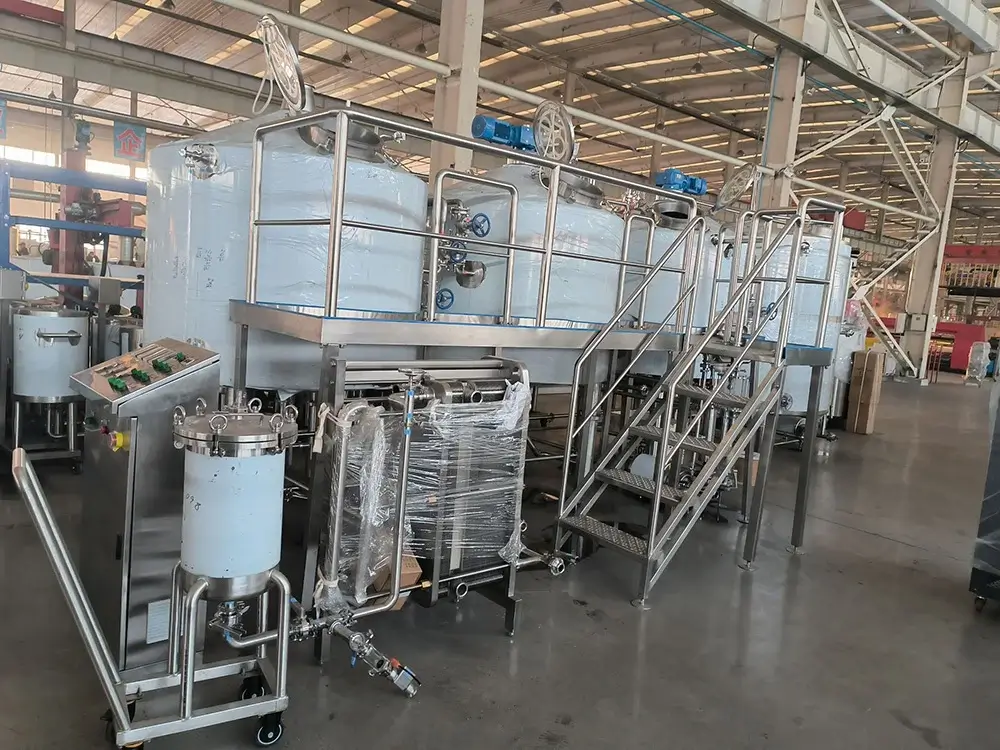
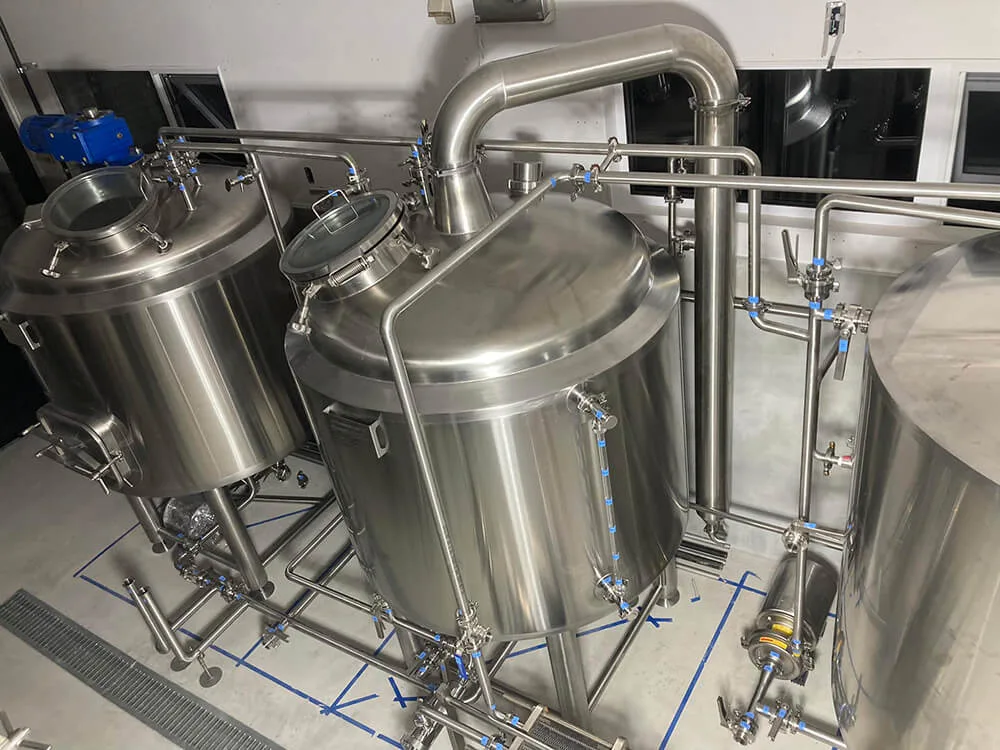
- Fermentation Tank – Typically made of food-grade stainless steel for corrosion resistance and easy cleaning. Cooling jackets on the tank walls allow real‑time temperature regulation, preventing yeast deactivation due to overheating.
- Temperature Control & Agitation System – Yeast generates heat during fermentation. The temperature control system maintains a precise 18–22°C range inside the tank. The agitation system ensures even distribution of sugars, yeast, and nutrients, boosting fermentation efficiency and preventing incomplete fermentation in localized areas.
After fermentation, the resulting “wash” contains many congeners (higher alcohols, esters, aldehydes) and original flavor compounds. It is cloudy and harsh, still far from pure vodka.
III. Distillation Equipment – The Heart of Vodka Production
Distillation is the most critical step in vodka making and the main source of stylistic differences. Traditional methods aim to preserve raw material character, while modern industrial processes pursue extreme neutrality. These two paths rely on different distillery equipment.
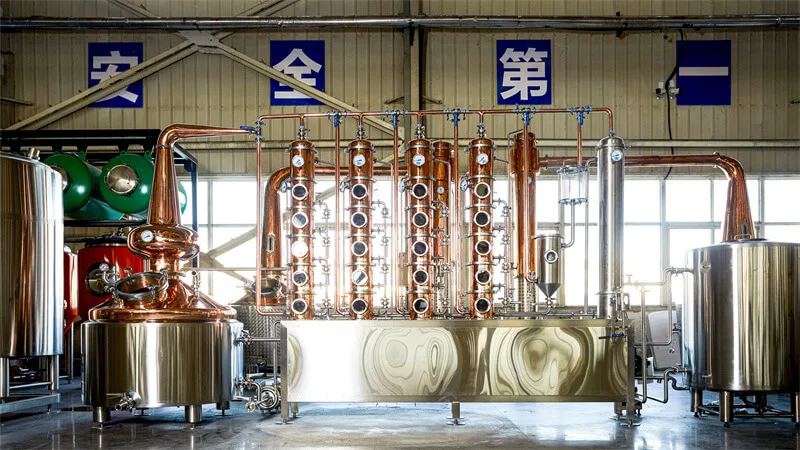
1. Traditional Pot Still – The Choice of Craft Distillers
Craft vodkas often use pot stills to retain “grain character.” Output is lower, but the style is distinctive.
- Construction – Usually made of copper, shaped like a large onion or swan’s neck, consisting of a distillation pot and a condenser. Copper effectively absorbs sulfides produced during fermentation, reducing off‑odors and creating a smoother spirit.
- Principle – Batch distillation. The wash is heated in the pot; alcohol (boiling point 78.5°C) evaporates before water (100°C). The vapor is condensed back into liquid. The process is repeated 2–3 times to gradually increase purity.
- Character – Lower efficiency and purity compared to continuous distillation, but retains distinctive grain or potato flavors (e.g., rye’s spiciness or potato’s earthiness). Ideal for consumers who appreciate characterful vodka.
2. Modern Continuous Distillation Column – The Pinnacle of Industrial Purity
Most mainstream vodkas are made using this equipment, the creator of the “colorless, odorless, tasteless” style. It achieves efficient, large‑scale purification.
A continuous distillation system usually consists of two columns in series, each with a clear role:
- Analyzing Column – The first purification stage. Fermented wash is injected near the top, while steam rises from the bottom. Using the boiling point difference between alcohol and water, alcohol is quickly separated from the wash. Most solids, water, and heavy fusel oils are removed, yielding crude alcohol.
- Rectifying Column – The core purification stage. Crude alcohol vapor enters this column. Multiple trays (or high‑efficiency packing) inside the column allow repeated partial condensation and evaporation, pushing alcohol concentration higher and higher. At the top of the column, alcohol reaches 95–96% ABV, with almost all congeners and flavor compounds removed.
Technical Extensions – Details That Define Purity
- Reflux Ratio Control – Distillers adjust the reflux ratio (the amount of condensate returned to the column versus the amount taken off as product). Higher reflux means more contact between vapor and liquid, resulting in higher purity but lower yield. Top‑tier vodkas use high reflux ratios for extreme neutrality.
- Fusel Oil Separator – During distillation, fusel oils (heavier than alcohol) sink, while lighter aldehydes and esters rise. The separator precisely “cuts” the heads (light impurities) and tails (heavy impurities), keeping only the purest hearts. This is key to eliminating off‑flavors in vodka.
IV. Purification – Filtration & Treatment Equipment
The 95–96% ABV neutral spirit from distillation is very pure but still contains trace amounts of aldehydes, esters, and other congeners. The mouthfeel can be harsh. Further purification is needed to make the spirit silky smooth.
- Reactor – In some processes, substances like potassium permanganate or baking soda are added to oxidize and decompose residual aldehydes and esters, further enhancing purity.
- Activated Carbon Filter – The core equipment for achieving vodka’s silky mouthfeel. Activated carbon’s huge surface area adsorbs trace impurities and off‑odor compounds while softening the spirit’s texture.
Key point: Filtration speed directly affects quality. Premium vodkas often use slow filtration, allowing the spirit to remain in contact with carbon for hours or even days, ensuring thorough adsorption. Different types of activated carbon (e.g., birch charcoal, coconut charcoal) impart subtle mouthfeel differences – premium brands select specific carbons to match their style. Some high‑end producers also use multi‑stage filtration with quartz sand or ion‑exchange resins for even greater purity and smoothness.
V. Finishing – Dilution, Blending & Finished Product Equipment – From Neutral Spirit to Drinkable Vodka
95–96% ABV neutral spirit is undrinkable. It must be diluted and blended to the standard drinking strength (typically 40% ABV in most countries), ensuring consistent alcohol content and flavor in every bottle.
- Deionized Water System – Uses reverse osmosis (RO) to produce ultra‑pure water. Water makes up over 60% of vodka’s volume, so its quality directly affects the final spirit. Ultra‑pure water must be free of minerals, odors, and impurities to avoid compromising vodka’s neutrality.
- Inline Blending System – High‑precision flow meters and control systems mix neutral spirit and ultra‑pure water at an exact ratio, with extremely tight tolerances. This guarantees that every batch and every bottle has identical ABV and taste.
- Finished Product Tank – After blending, the vodka rests in storage tanks for a period, allowing alcohol and water molecules to fully associate (hydrogen bonding). This maturation step makes the mouthfeel smoother and silkier, reducing any harsh “burn.”
VI. Auxiliary Systems – Ensuring Consistent Quality & Operational Stability
A modern vodka distillery relies not only on core production equipment but also on a range of auxiliary systems. These are essential for production efficiency and consistent product quality.
- CIP (Clean‑in‑Place) System – Automatically cleans fermentation tanks, distillation columns, pipes, and all other equipment using high‑temperature, high‑pressure cleaning solutions. It thoroughly removes residual mash and impurities, ensuring a sterile production environment and preventing cross‑contamination.
- Heat Recovery System – Continuous distillation consumes enormous energy. Heat exchangers capture waste heat from the distillation process and reuse it to preheat raw materials or the incoming wash, significantly reducing operating costs and improving energy efficiency.
- Automated Control System – Monitors and controls key parameters (temperature, pressure, flow rate, alcohol concentration, etc.) across the entire production process in real time. If any deviation occurs, the system automatically adjusts, keeping every step within precise limits and ensuring absolute product consistency.
Conclusion: An Industrial Art of Subtraction
From a grain of rye or a humble potato to a glass of pure, silky vodka – the entire production process is essentially an art of subtraction. Through raw material handling, fermentation, distillation, filtration, and dilution, step by step, impurities, off‑flavors, and even characterful congeners are removed, leaving behind the purest union of alcohol and water.
The continuous distillation system’s precise purification, combined with activated carbon’s meticulous filtration, lies at the heart of this subtraction. It uses hard industrial technology to push alcohol purity to its limit, stripping away the spirit’s “personality” – yet in return, it gives vodka a snow‑like purity and a direct, fiery intensity. The next time you raise a glass of vodka, take a moment to appreciate this “pureness” meticulously crafted by industrial equipment – and the silent dedication of every piece of distillery equipment behind it.
Contact Meto today to learn more about our brewery solutions and find the brewery equipment for your brewery.