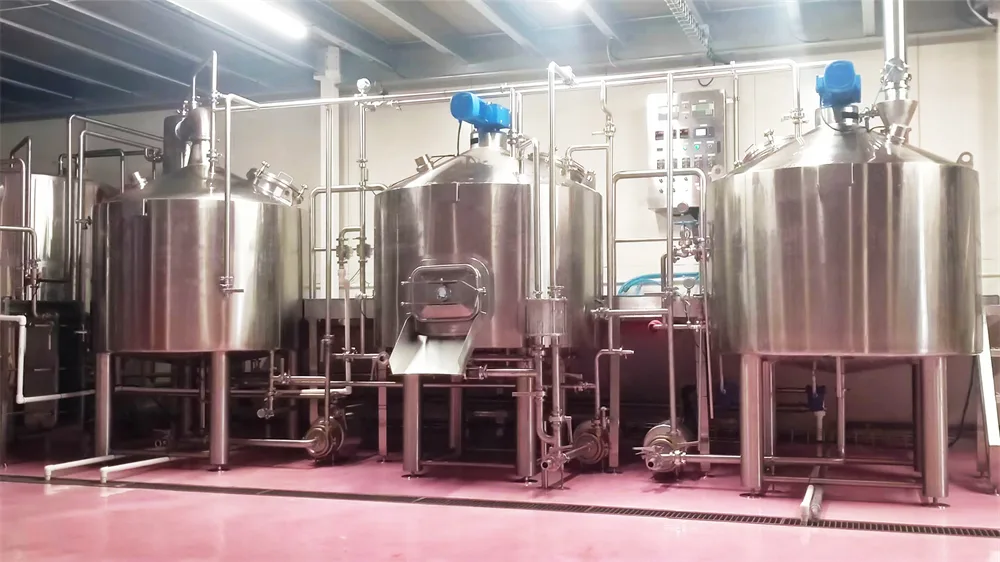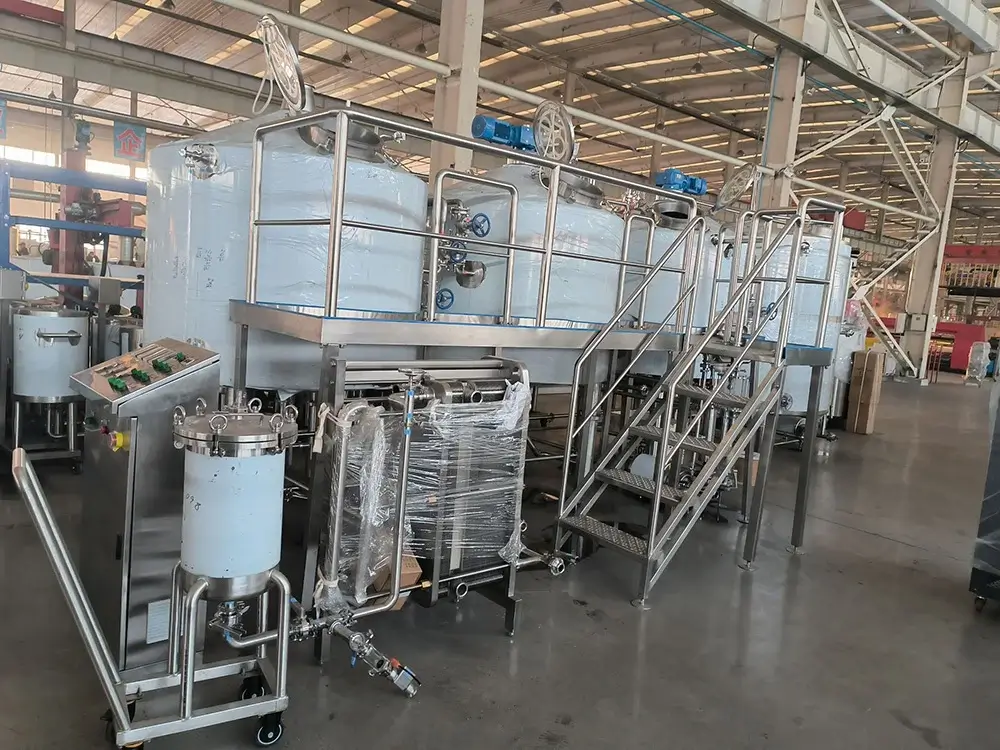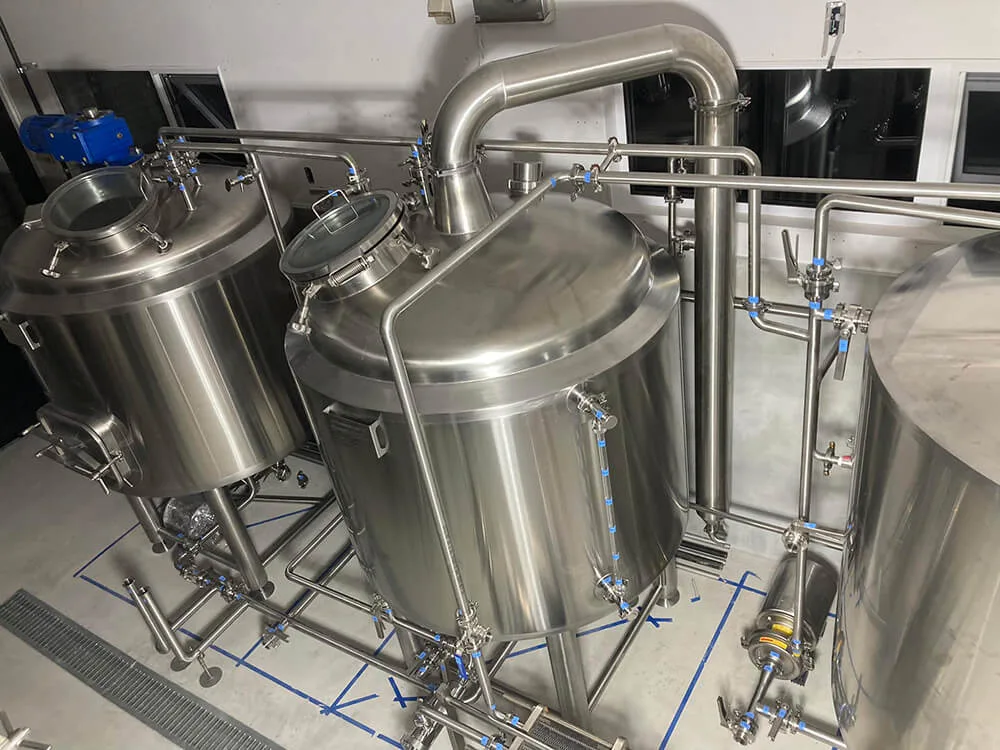
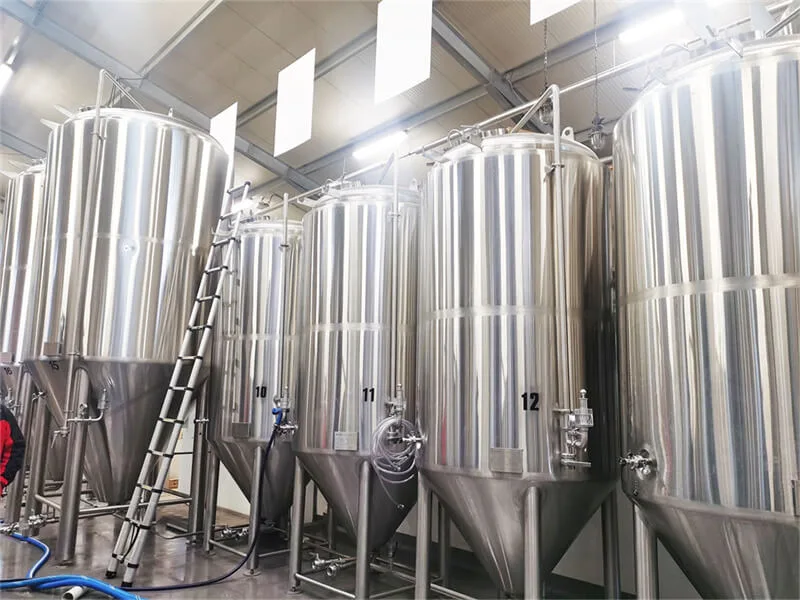
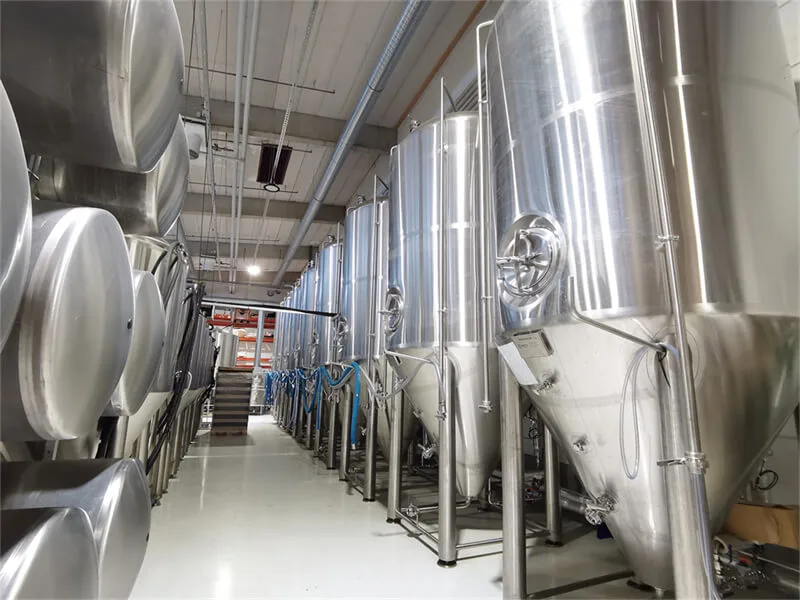
Conical fermentation tanks are essential equipment in modern breweries, widely used for fermentation, maturation, and yeast collection. Their efficiency and versatility make them suitable for both craft breweries and industrial beer production.
However, in real brewing operations, many breweries experience recurring issues related to pressure control, temperature management, hygiene, and cleaning performance. If these problems are not properly addressed, they can directly affect beer quality, consistency, and production efficiency.
Based on Meto’s extensive experience working with breweries worldwide, this article outlines six common conical fermentation tank problems, explains their causes, and presents practical, solution-oriented approaches to help breweries achieve more stable and reliable fermentation results.
1. Tank Pressure Loss and Gas Leakage 🚨
Problem
Gas leakage most commonly occurs at the top section of the conical tank, where pressure relief valves, vacuum valves, pressure gauges, and multiple pipe connections are installed.
If the tank cannot maintain stable pressure during fermentation, transfer, or filtration, CO₂ retention decreases, resulting in flat beer and poor mouthfeel.
Root Causes
- Aging or damaged sealing gaskets
- Valve contamination preventing proper operation
- Loose connections caused by frequent process operations
Practical Solutions
- Regularly disassemble and deep-clean pressure and vacuum valves
- Replace sealing gaskets as part of routine maintenance
- Perform pressure holding tests before fermentation and after servicing
2. Beer Freezing Inside the Tank ❄️
Problem
Beer freezing typically occurs during cold storage or maturation, especially in low ambient temperature environments. Freezing can severely damage beer flavor stability and overall quality.
Root Causes
- Excessively low glycol temperature
Some breweries operate glycol as low as -15°C, which is unnecessary and risky - Improper cooling jacket design
Poor glycol inlet positioning may cause localized overcooling
Practical Solutions
- Control glycol temperature between -4°C and -6°C
- Avoid glycol inlets in cold-sensitive zones
- Use multi-zone cooling jackets to ensure uniform heat exchange
3. Temperature and Density Stratification 📊
Problem
Due to their height, conical tanks are prone to vertical stratification, where temperature, density, and dissolved CO₂ vary from top to bottom. This can lead to uneven fermentation and inconsistent beer quality.
Root Causes
- High liquid column
- Insufficient internal circulation
- Poor cooling zone distribution
Practical Solutions
- Install CO₂ circulation or washing systems to promote mixing
- Use both upper and lower sampling ports to monitor fermentation accurately
- Apply staged cooling jacket control to prevent local overcooling
4. Microbial Contamination Risk 💉
Problem
Contamination inside fermentation tanks can cause off-flavors, shortened shelf life, or complete batch loss, representing a significant operational risk.
Common Causes
- Large internal surface area with inadequate cleaning
- Multiple external pipelines creating hygiene blind spots
- Repeated material or gas transfers introducing microorganisms
Practical Solutions
- Implement strict CIP cleaning and sanitation procedures
- Ensure hygienic tank design with minimal dead zones
- Sterilize all incoming materials and gases before entering the system
5. Instrument Measurement Errors 🔍
Problem
Inaccurate readings of temperature, pressure, liquid level, or cleaning performance can mislead brewers and compromise process control.
Root Causes
- Low-quality instruments
- Lack of routine calibration
- Improper sensor installation
Practical Solutions
- Use industrial-grade, brewery-specific instruments
- Establish regular calibration schedules
- Install sensors at validated measurement positions
6. Poor CIP Cleaning Performance 🚿
Problem
Ineffective CIP cleaning increases contamination risk and shortens equipment lifespan.
Root Causes
- Improper CIP system design
- Incorrect detergent selection or concentration
- Inadequate cleaning temperature, flow rate, or cycle time
Practical Solutions
- Design CIP systems according to tank geometry and volume
- Select cleaning chemicals based on soil type
- Optimize CIP parameters for time, temperature, and flow
Why Meto Conical Fermentation Tanks?
Choosing a conical fermentation tank is not only about capacity — it is about long-term stability, hygiene control, and consistent beer quality.
Meto fermentation tanks are designed based on real challenges faced by breweries in daily production.
Optimized Tank Structure
- Precisely engineered cone angles for efficient yeast discharge
- Balanced height-to-diameter ratios to reduce stratification
- Smooth internal surfaces for stable fermentation behavior
Advanced Cooling Jacket Design
- Multi-zone cooling jackets
- Balanced glycol inlet and outlet positioning
- Uniform temperature control across fermentation and conditioning
Reliable Sealing and Pressure Performance
- High-quality sealing gaskets
- Precision-machined manways and flanges
- Pressure-tested tanks before delivery
Hygienic Design and CIP Compatibility
- Full sanitary welding and polishing
- Minimal dead zones
- CIP spray devices matched to tank geometry
Solution-Oriented Engineering Support
Meto provides more than tanks. We offer:
- Fermentation tank sizing and layout design
- Integration with brewhouse, glycol, and CIP systems
- Technical support during installation and commissioning
Conclusion 🍻
Stable fermentation is the result of proper tank design, correct system integration, and disciplined operation. By understanding common conical fermentation tank problems and applying targeted solutions, breweries can significantly improve beer quality, consistency, and production efficiency.
At Meto, we focus on delivering complete fermentation solutions, helping breweries build reliable, scalable, and hygienic production systems.
If you have any questions about conical fermentation tanks or brewery equipment selection, feel free to contact Meto for professional advice and customized solutions.