
Red wine fermentation is where structure, aroma, and character are born. While grape quality and winemaking skill are essential, the choice of wine tanks plays a decisive role in how consistently and efficiently a winery can transform fruit into finished wine.
For modern wineries—especially those focused on quality, hygiene, and scalability—selecting the right fermentation tanks is no longer a minor equipment decision. It is a long-term investment that directly affects wine style, operational efficiency, and production risk.
This guide explains how to choose the right wine tanks for red wine fermentation, covering tank materials, design features, capacity planning, and practical considerations for commercial wineries.
Why Wine Tanks Matter in Red Wine Fermentation
Red wine fermentation is more complex than white wine fermentation. It involves:
- Extended skin contact
- Heat generation from active yeast
- Cap management (punch-down or pump-over)
- Precise temperature control to balance extraction and aroma
Wine tanks are not just containers—they are active tools that influence fermentation kinetics, phenolic extraction, hygiene, and repeatability.
Poor tank design can result in:
- Uncontrolled temperatures
- Uneven extraction
- Higher contamination risk
- Increased labor and cleaning costs
The right wine tanks, by contrast, help winemakers achieve consistency, control, and flexibility across different grape varieties and vintages.
Common Types of Wine Tanks for Red Wine Fermentation
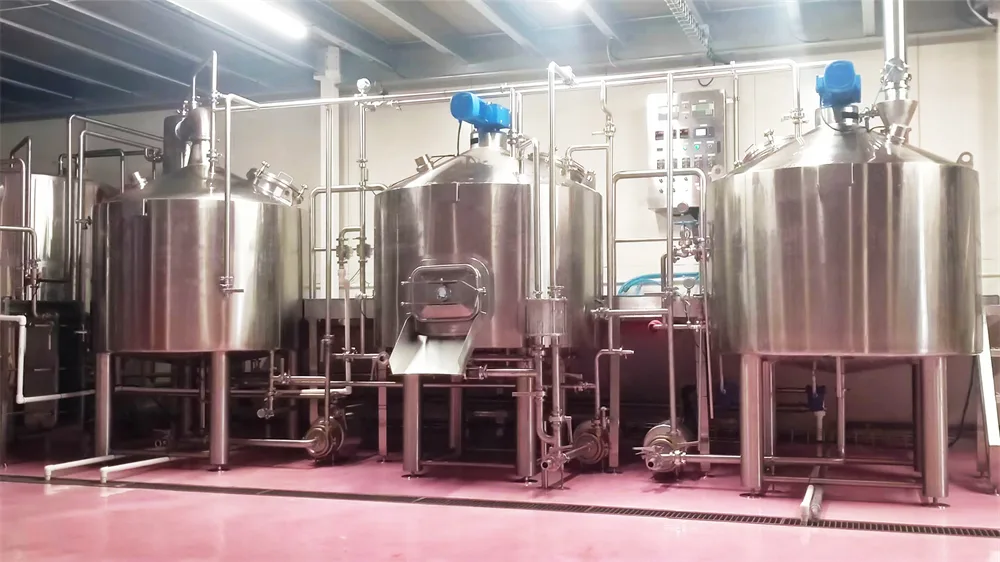
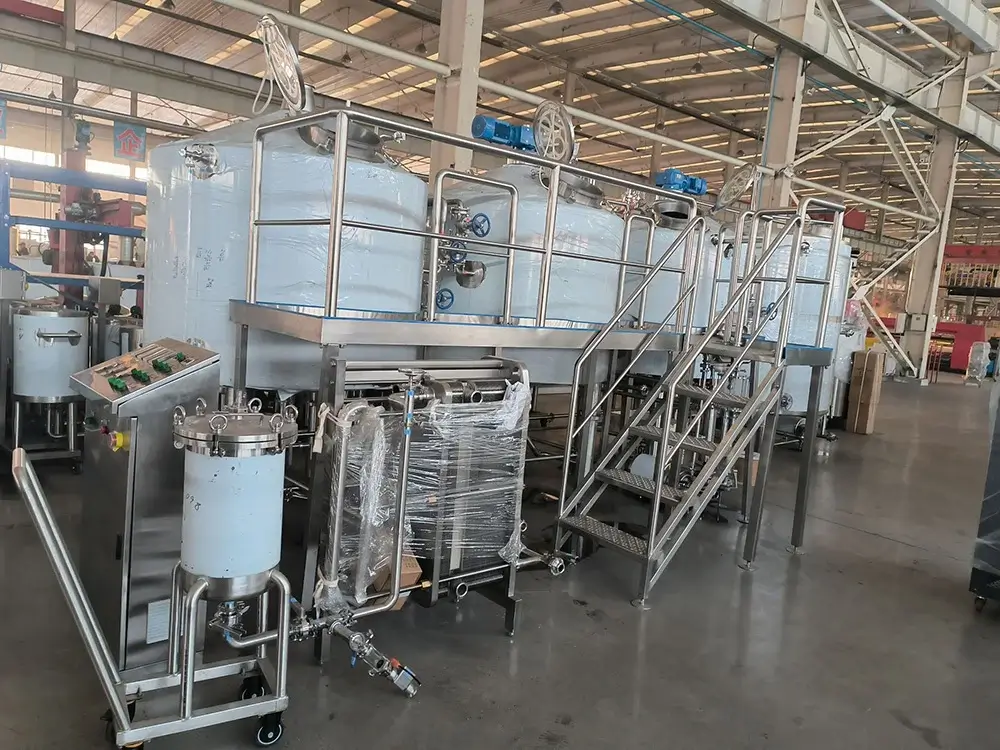
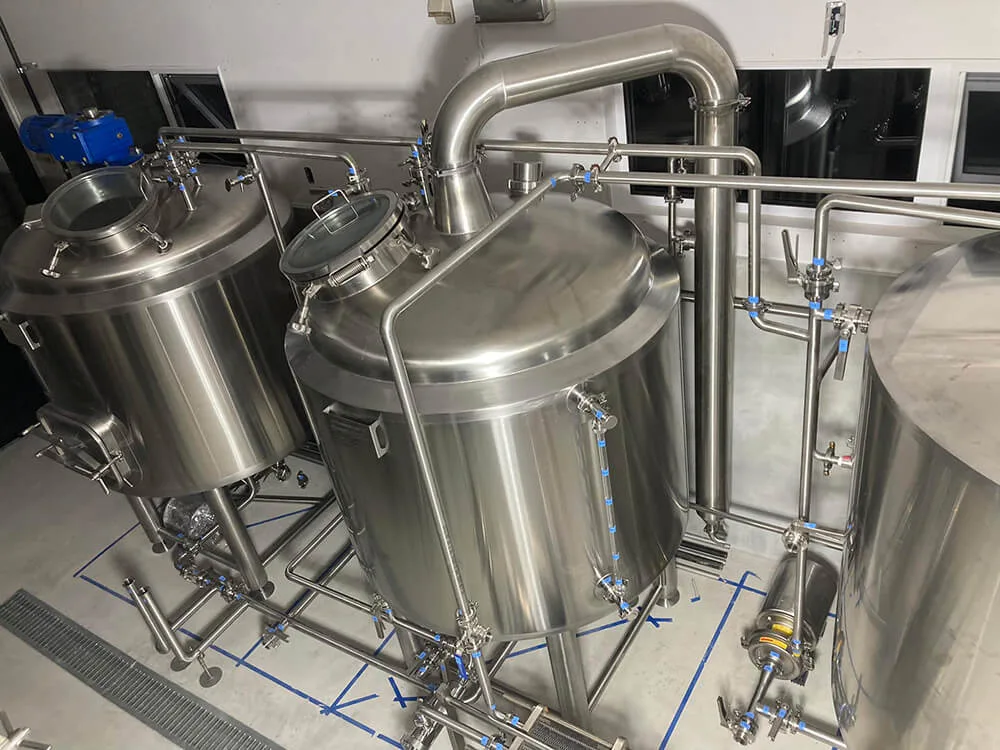
1. Stainless Steel Wine Tanks
Stainless steel is the most widely used material in modern wineries.
Key advantages:
- Precise temperature control with cooling jackets
- Inert material that does not alter wine flavor
- Easy cleaning and sanitation (CIP-compatible)
- Long service life (20–30 years)
- Suitable for automation and process control
For red wine fermentation, stainless steel tanks offer unmatched control and repeatability, making them ideal for commercial production.
2. Concrete Wine Tanks
Concrete tanks are sometimes used for stylistic reasons.
Pros:
- Natural micro-oxygenation
- Thermal inertia
Cons:
- Difficult to clean
- Limited temperature control
- Higher maintenance requirements
- Less flexibility for commercial-scale operations
Concrete tanks are usually supplementary rather than primary fermentation vessels.
3. Open-Top Fermentation Tanks
Open-top tanks are popular for small-batch or premium red wines.
Advantages:
- Easy access for manual punch-down
- Traditional winemaking approach
Limitations:
- Higher contamination risk
- Limited temperature control
- Labor-intensive
- Not ideal for larger commercial volumes
Many wineries use open-top tanks selectively rather than as a core production solution.
Why Stainless Steel Tanks Are the Industry Standard
For most professional wineries, stainless steel wine tanks provide the best balance between quality control, efficiency, and hygiene.
They allow winemakers to:
- Maintain stable fermentation temperatures
- Standardize processes across vintages
- Reduce cleaning time and contamination risk
- Scale production without compromising quality
As wineries grow, stainless steel tanks become essential infrastructure rather than optional equipment.
Key Design Features for Red Wine Fermentation Tanks
Not all wine tanks are created equal. The following design features are critical for red wine fermentation performance.
1. Temperature Control Jackets
Red wine fermentation generates significant heat. Without control, temperatures can rise too quickly, damaging aroma compounds and stressing yeast.
Recommended options:
- Dimple or laser-welded cooling jackets
- Zoned temperature control (top/middle/bottom)
- Compatibility with glycol chillers
Reliable cooling ensures steady fermentation and predictable extraction.
2. Cap Management Design
Skin contact is central to red wine style.
Tank design should support:
- Pump-over systems
- Punch-down operations
- Proper circulation during fermentation
Features such as strategically placed ports and smooth internal surfaces help optimize extraction while minimizing oxygen pickup.
3. Tank Shape and Bottom Design
Tank geometry influences solids settling and cleaning efficiency.
Key considerations:
- Slightly conical or sloped bottoms for lees removal
- Adequate bottom outlet size
- Smooth internal welds to prevent residue buildup
Good design reduces labor and improves sanitation.
4. Manways and Access
Access points affect both usability and safety.
Common options include:
- Top manways (for loading and punch-down)
- Side manways (for inspection and cleaning)
Well-designed manways improve workflow without compromising tank integrity.
5. Valves, Sampling Ports, and Sensors
Professional red wine tanks typically include:
- Sampling valves
- Thermowells for temperature probes
- Racking and drain valves
These features allow winemakers to monitor fermentation closely without opening the tank.
Choosing the Right Tank Capacity
Tank size should match harvest logistics, fermentation strategy, and winery scale.
Typical capacity ranges:
- 1–5 KL: Boutique wineries and small-lot fermentations
- 5–20 KL: Standard commercial red wine production
- 20 KL+: Large-scale wineries and high-volume fermentations
Most wineries benefit from using multiple tank sizes rather than a single uniform capacity. This allows flexibility for different grape varieties and batch sizes.
Fermentation Tanks vs. Storage Tanks
Although some tanks can serve multiple purposes, many wineries separate fermentation and storage.
Fermentation tanks focus on:
- Temperature control
- Cap management
- Active process monitoring
Storage tanks prioritize:
- Stability
- Oxygen management
- Long-term hygiene
Separating these functions often improves overall winery efficiency and reduces bottlenecks during harvest.
Hygiene, Cleaning, and Sanitation
Hygiene is non-negotiable in red wine production.
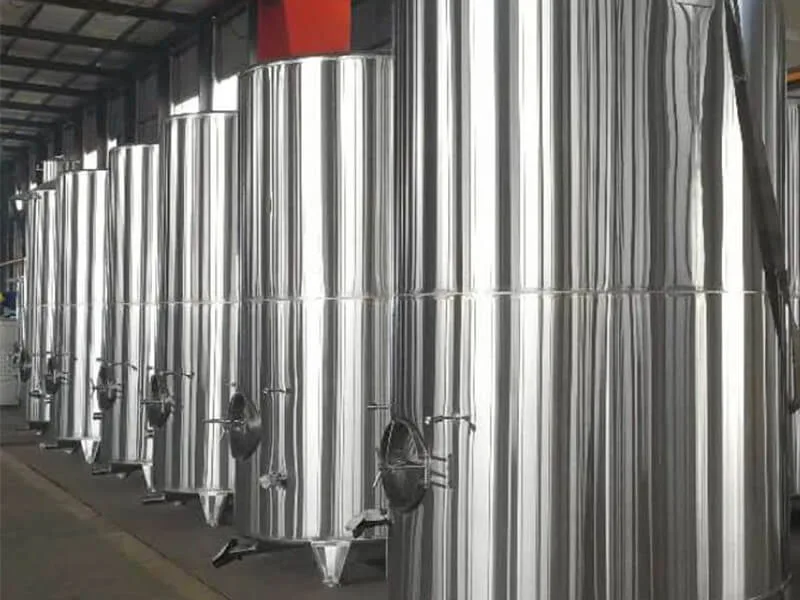
High-quality wine tanks should feature:
- Food-grade stainless steel (304 or 316L)
- Smooth internal polishing
- CIP compatibility
- Sanitary welds
Efficient cleaning systems reduce labor costs and minimize the risk of spoilage organisms.
Compliance and Manufacturing Standards
Commercial wineries must ensure tanks meet regulatory and safety standards.
Important considerations include:
- Pressure vessel compliance (where applicable)
- CE / PED / ASME standards depending on market
- Food-contact material certification
- Structural safety and long-term durability
Choosing a professional manufacturer ensures compliance and protects your investment.
Matching Wine Tanks to Winery Growth
Wine tanks are long-term assets. The right selection should support not only current production, but future expansion.
When planning tank purchases, consider:
- Expected production growth
- Additional fermentation capacity during peak harvest
- Compatibility with automation or digital control systems
A scalable tank layout reduces future retrofitting costs.
Final Thoughts
Choosing the right wine tanks for red wine fermentation is a strategic decision that affects wine quality, operational efficiency, and long-term winery success.
For most modern wineries, stainless steel fermentation tanks offer the best combination of control, hygiene, flexibility, and durability. With proper design, capacity planning, and manufacturing quality, wine tanks become reliable tools that support consistent results year after year.
Whether you are building a new winery or upgrading existing equipment, investing in the right wine tanks is an investment in both quality and confidence.