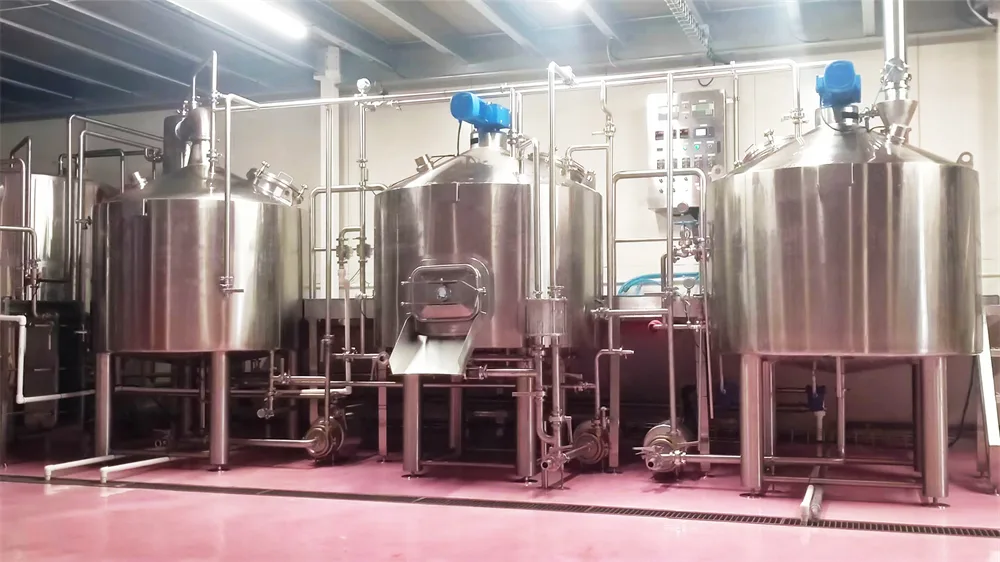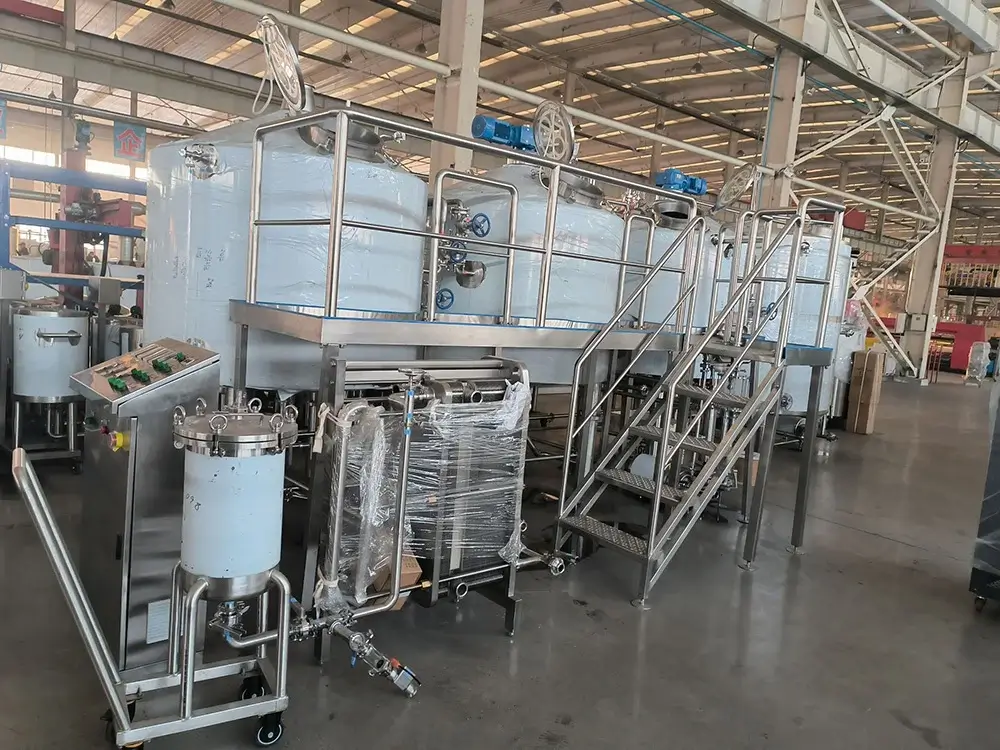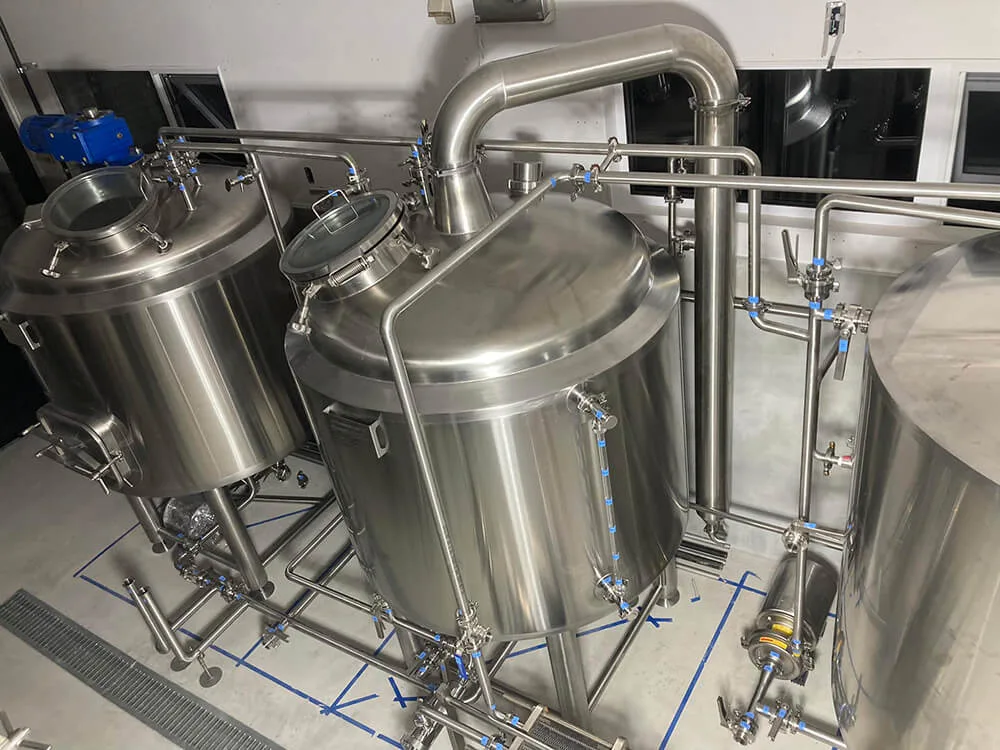
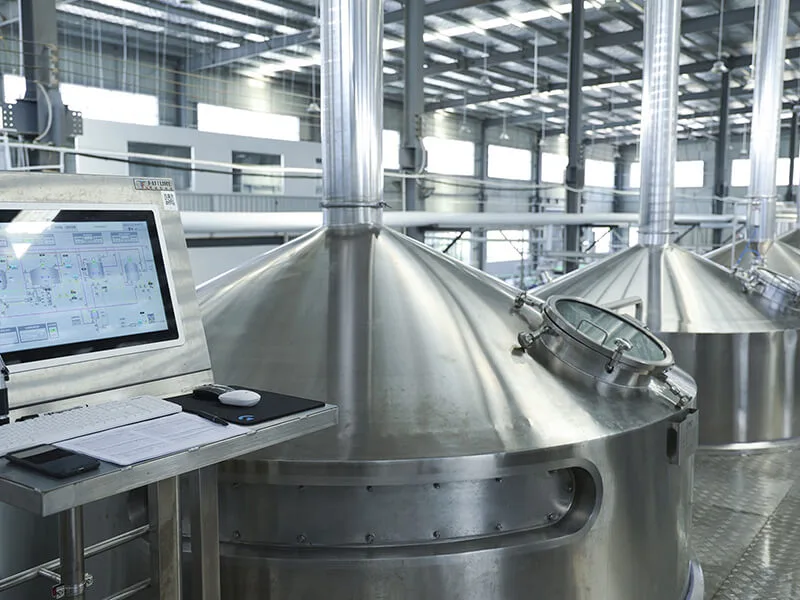
As global competition in the brewing industry intensifies, consistency, efficiency, and data-driven production are no longer optional—they are essential. Modern Automation brewery equipment and advanced brewery control system solutions are transforming traditional brewing into a streamlined, intelligent process that delivers repeatable quality and scalable performance.
Whether you operate a craft brewery, a brewpub, or a large-scale production facility, automation provides the control and insight needed to stay competitive.
What Is Automation Brewery Equipment?
Automation brewery equipment integrates brewing vessels, sensors, control panels, and software into a centralized system that monitors and manages the entire brewing process. From raw material handling to fermentation and packaging, automation ensures precise parameter control and process stability.
Instead of relying on manual adjustments, brewers can program recipes, monitor real-time data, and maintain consistent operating conditions with minimal human error.
Core Components of a Brewery Control System
A professional brewery control system typically includes:
1. PLC-Based Control Platform
Most systems are built on reliable industrial platforms such as Siemens PLC controllers.
These programmable logic controllers manage:
- Temperature control loops
- Pump and motor operations
- Valve sequencing
- Alarm systems
- Safety interlocks
PLC architecture ensures stability, scalability, and long-term reliability.
2. Human-Machine Interface (HMI)
The HMI touchscreen allows operators to:
- Visualize tank temperatures and pressures
- Start and stop brewing cycles
- Adjust setpoints
- Monitor alarms and system status
- Access production reports
With intuitive graphics and multilingual support, operators can manage complex operations with ease.
3. Sensor & Instrumentation Network
High-precision sensors are installed throughout the brewhouse and cellar to measure:
- Temperature
- Pressure
- Flow rate
- Liquid level
- Conductivity (for CIP systems)
These sensors provide real-time feedback to the brewery control system, enabling automated adjustments and accurate process documentation.
4. Automated Brewhouse Control
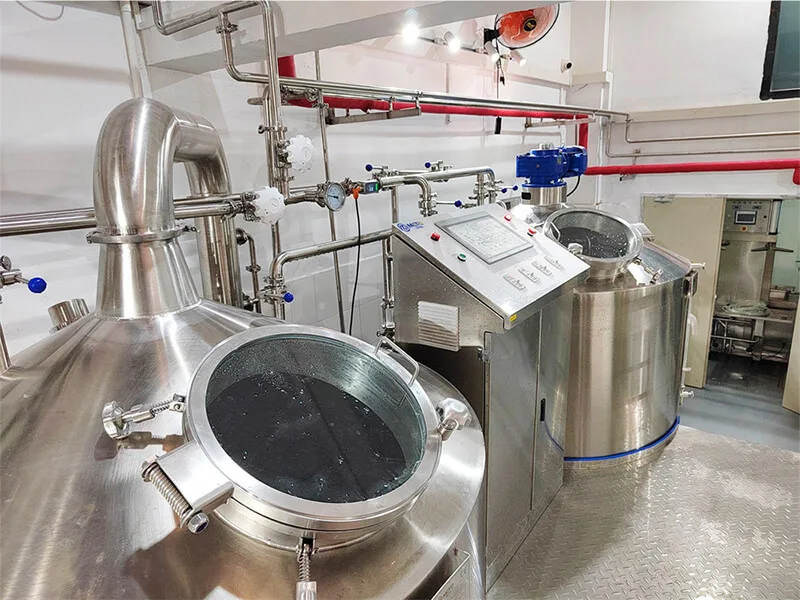
During mashing, boiling, and whirlpooling, automation brewery equipment manages:
- Step mashing temperature ramps
- Heating power modulation
- Steam or electric element control
- Lautering speed and pump frequency
- Boil intensity regulation
This ensures consistent extract efficiency and repeatable wort profiles batch after batch.
5. Intelligent Fermentation Management
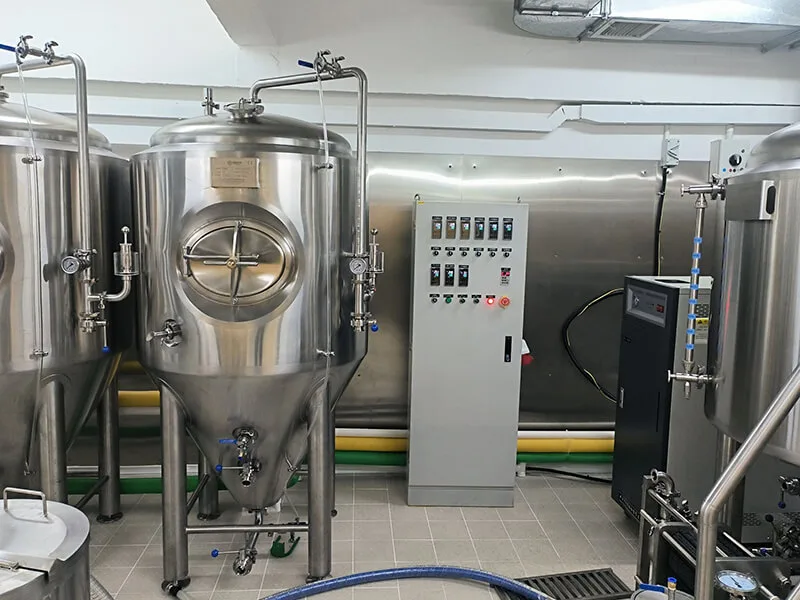
Fermentation is one of the most critical stages in beer production. An advanced brewery control system enables:
- Precise glycol temperature regulation
- Multi-stage fermentation programming
- Pressure control for unitanks
- Automatic data logging
- Remote monitoring
With automated fermentation, brewers can produce lagers, ales, or specialty styles with exceptional consistency.
Key Advantages of Automation Brewery Equipment
Improved Production Efficiency
Automated sequencing reduces downtime between process steps and shortens overall brew cycles. Multiple tanks can be monitored simultaneously, increasing daily output without increasing labor.
Consistent Beer Quality
Precise temperature and timing control eliminate variability. Recipe management allows breweries to replicate flagship beers accurately—even across different production sites.
Energy Optimization
Smart heating control reduces steam or electricity consumption by regulating output based on real-time demand. Variable frequency drives (VFDs) optimize pump and motor energy usage.
Reduced Labor Costs
Automation reduces manual intervention in repetitive tasks, allowing brewing teams to focus on product development, quality assurance, and market growth.
Full Data Traceability
Modern brewery control systems store historical production data, enabling:
- Quality tracking
- Regulatory compliance
- Performance analysis
- Predictive maintenance planning
Data transparency is essential for scaling operations and meeting export standards.
Automation for Different Brewery Sizes
Craft & Brewpub Systems
Smaller systems benefit from compact control panels with semi-automatic operation—ideal for hands-on brewers who still want improved precision and safety.
Commercial Craft Breweries
Mid-size operations typically adopt fully automated brewhouse control with fermentation monitoring and CIP automation to increase production capacity.
Industrial Breweries
Large-scale breweries rely on centralized SCADA systems integrated with ERP platforms for plant-wide process control and production planning.
Future Trends in Brewery Automation
The next generation of Automation brewery equipment will increasingly integrate:
- Cloud-based monitoring
- Remote diagnostics
- IoT-enabled devices
- AI-driven process optimization
- Predictive maintenance algorithms
As digital transformation accelerates, breweries that invest in intelligent systems will gain a significant competitive advantage.
Conclusion
Automation is no longer a luxury in brewing—it is a strategic investment. By implementing advanced Automation brewery equipment and a reliable brewery control system, breweries can achieve:
- Higher efficiency
- Consistent product quality
- Lower operational costs
- Scalable production growth
If you are planning to upgrade your brewhouse or design a new automated brewery, selecting a professionally engineered control system will directly determine your long-term performance and profitability.
For tailored automation solutions based on your brewery size and production goals, contact the Meto team to visit and start your craft beer journey!