For many craft brewers and brewpub owners, stepping up from homebrewing or pilot batches to something more consistent and scalable often leads to the consideration of a 500L brewery system. This size represents a “sweet spot”: large enough to produce meaningful volume, yet small enough to remain manageable — both in terms of space and investment.
A 500L system typically enables production of roughly 500 liters of beer per batch. That volume suits small-to-medium breweries, brewpubs, or craft operations aiming to serve local demand.
What Makes Up a 500 L Brewery Setup
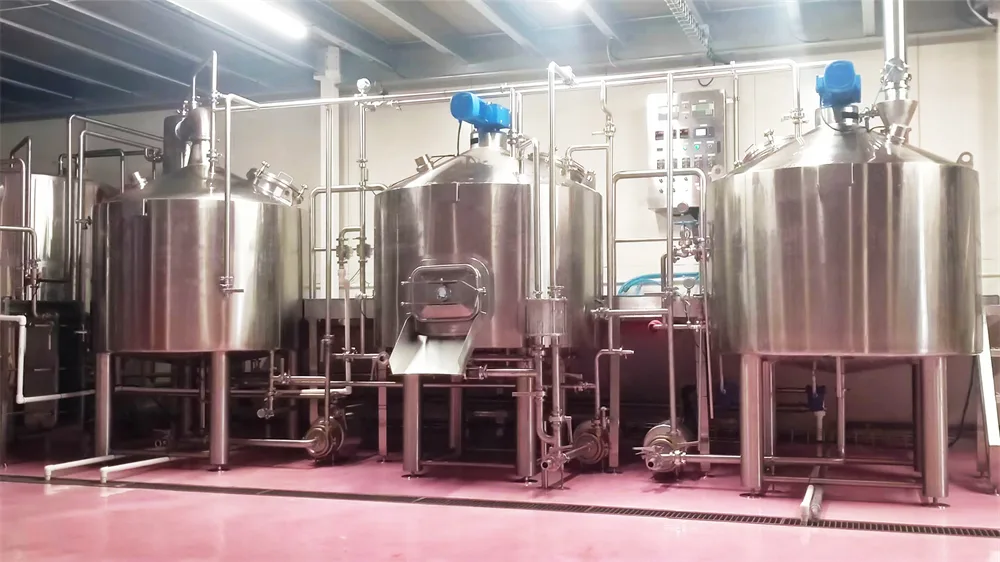
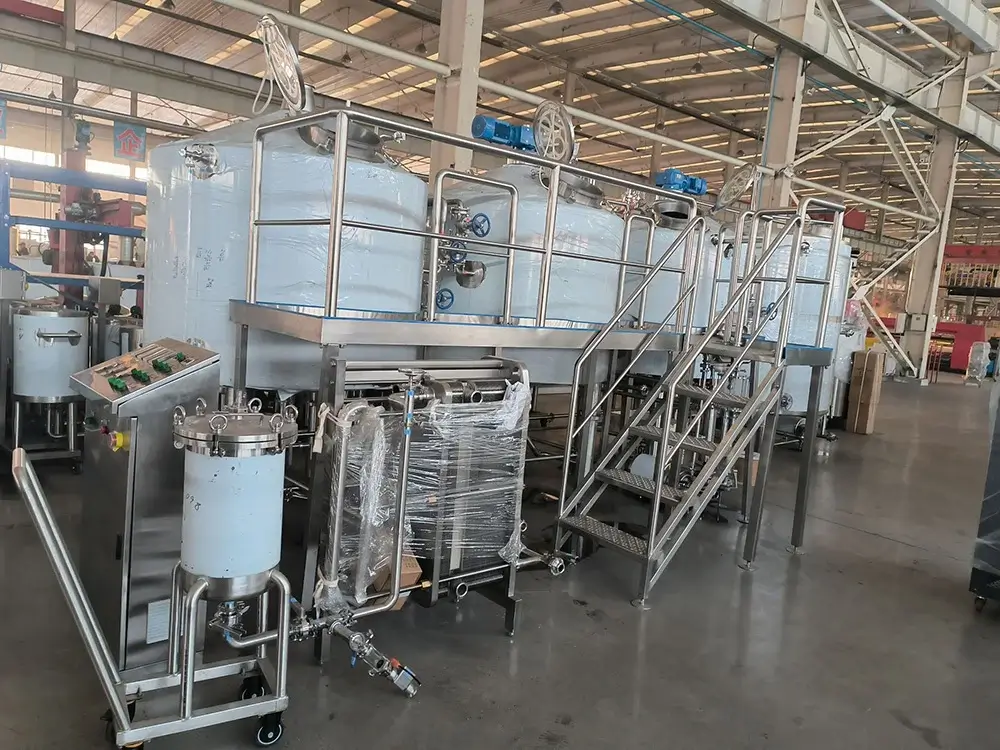
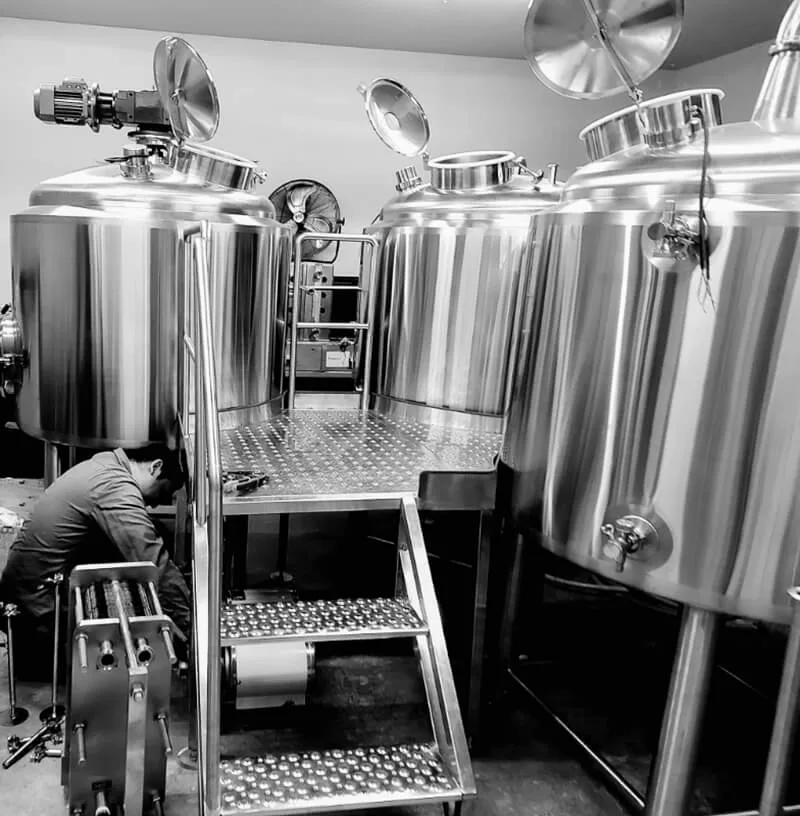
A full 500L brewery installation includes multiple specialized components — each vital to the brewing process:
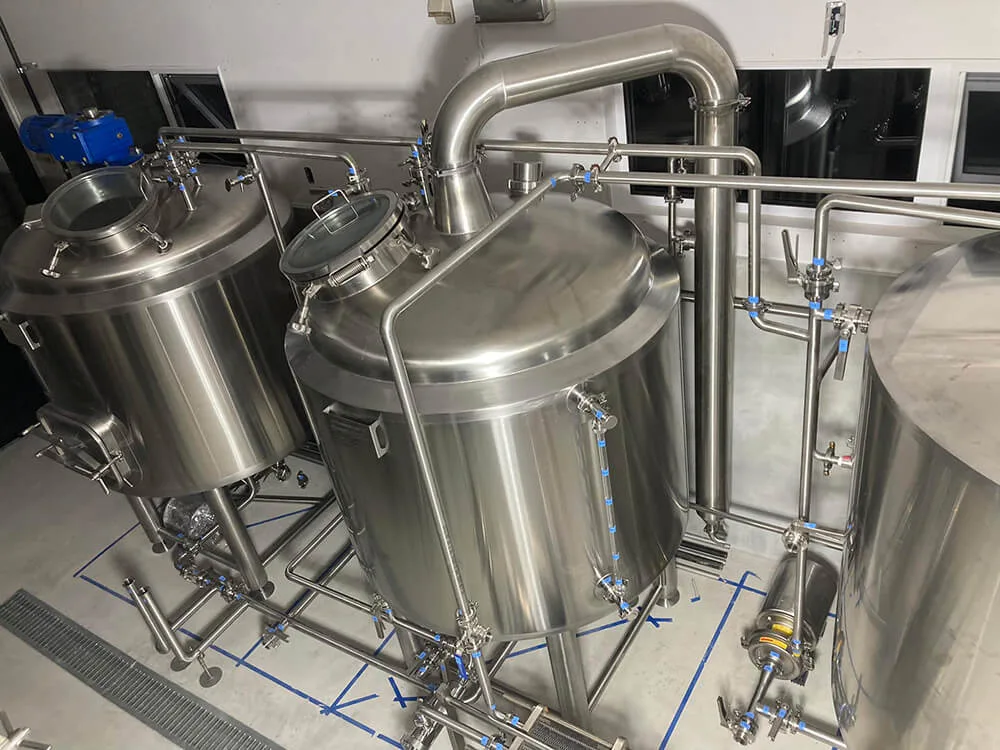
- Brewhouse (Mash/Lauter Tun + Brew Kettle/Whirlpool): where mashing, lautering, boiling, and whirlpooling occur.
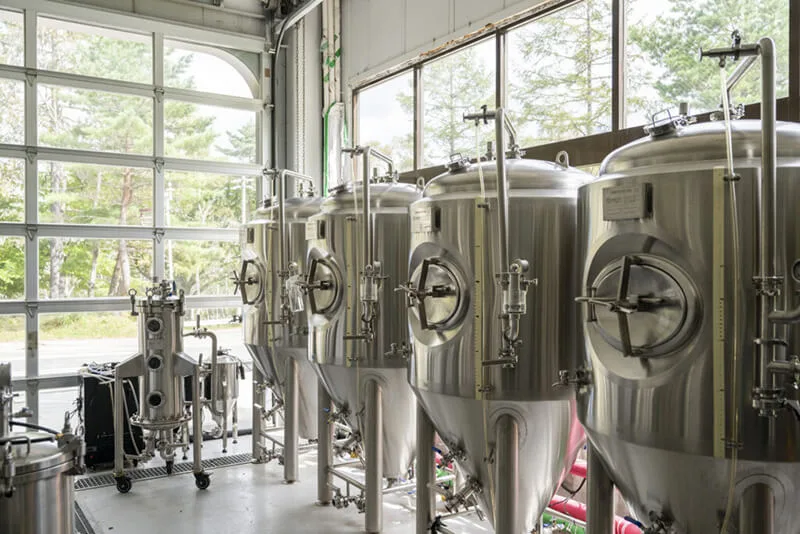
- Fermentation Tanks (Cylindro-conical fermenters): where wort becomes beer through yeast fermentation. Larger systems often include multiple fermenters to enable continuous brewing schedules.
- Brite/Conditioning Tank: after fermentation, beer may be transferred here for conditioning, carbonation, and clarification before packaging.
- Hot Liquor Tank (HLT) & Cold Liquor Tank (CLT): storage tanks for hot water (for mashing, kettle cleaning, etc.) and chilled water (for wort cooling) respectively.
- Sanitary Piping, Valves, Pumps & Transfer System: ensures efficient liquid transfer during each brewing step.
- Control / Automation Panel: regulates temperature, pumps, and timing — many 500L systems offer semi-automatic or fully automatic operation for consistency and ease.
- Cleaning/ CIP System: for sanitary cleaning of tanks, pipes and valves. Given the size of the system, effective cleaning protocols are essential.
Why Choose 500 L Brewery Equipment — Pros & Limitations
✅ Advantages
- Balanced production size: 500L is ideal for microbreweries or brewpubs — enough for meaningful output without requiring a huge facility.
- Flexibility and quality control: This scale allows experimentation with recipes, beer styles, and batch-to-batch consistency easier than very small (homebrew) setups.
- Scalability without excess burden: Compared to industrial-scale systems, 500L systems require less space and lower upfront costs while still enabling commercial operations.
- Automation potential: With proper control panels and optionally automated systems, you can reduce labor needs and improve repeatability.
⚠️ Limitations / Trade-offs
- Significant investment and space requirement: Compared to homebrew systems, 500L setups demand more capital and a dedicated facility or at least decent floor space.
- Complex operations: Running a 500L brewhouse requires more technical understanding — from wort production to fermentation management and sanitation.
- Scale ceilings: While ideal for small-to-medium production, 500L may not suffice for high-volume commercial ambitions — you might outgrow it if demand increases drastically.
Key Considerations When Planning Your 500L Brewery
If you’re evaluating a 500L brewery setup, these are critical aspects you should assess thoroughly:
- Space & Layout: Ensure enough area not just for vessels, but also for walkways, cleaning zones, storage, and possible expansion. Efficient layout reduces waste and improves workflow.
- Automation vs Manual: Decide whether you want manual operation, semi-automation or full automation. Automation adds convenience and consistency, but increases cost — choose based on your production goals and staffing.
- Heating & Cooling Methods: Options may include steam, electric, or gas heating for brewing; cooling often uses chilled water or glycol, depending on desired wort cooling speed.
- Fermenter / Cellar Capacity: Balance the number of fermenters and conditioning tanks so you can maintain a steady production cadence without bottlenecks.
- Maintenance & Sanitation: With larger volume and more equipment, cleaning and maintenance become more demanding — proper CIP systems and cleaning schedules are crucial.
- Budget vs Long-Term Value: Initial cost should be judged against durability, control precision, ease of maintenance, and scalability potential — avoid choosing based on price alone.
Is 500L Brewery Equipment Right for You?
If you’re running a small pub, a local craft brewery, or a startup brew-operation — and you want a system that balances volume, flexibility, quality control and manageability — a 500L brewery setup offers a great compromise.
However, if your ambitions are to scale to regional or national distribution rapidly, or produce very high volumes regularly — you may want to consider larger systems or plan ahead for expansion.
In the world of craft beer, the 500L system stands out as a robust, versatile “first commercial step”: powerful enough to brew for a crowd, yet manageable enough for focused, controlled, artful brewing.
If you have any question about brewing, please feel free to contact us Meto Equipment.