Steam vs Electric Heating in Brewery Equipment: Which Is Right for Your Brewery?

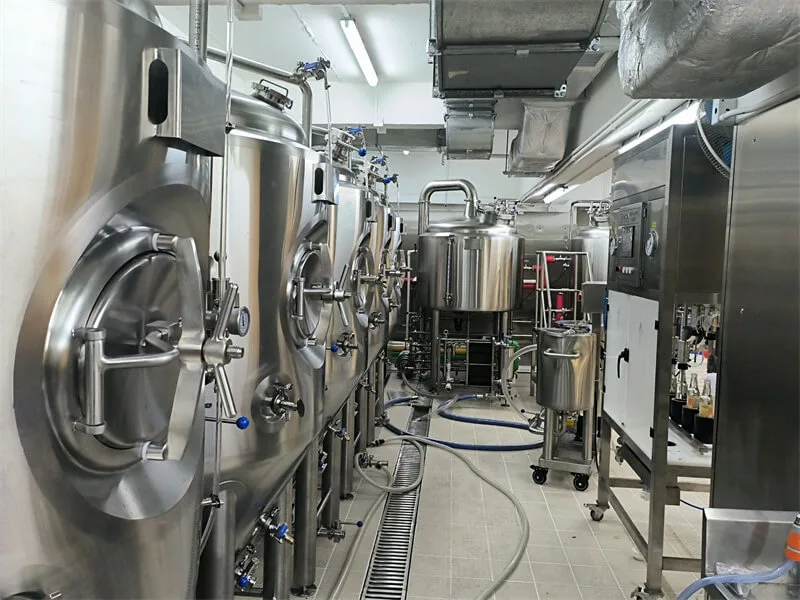
500l brewery

Heating is one of the most critical—and often underestimated—decisions when designing or upgrading a brewery.
The choice between steam heating and electric heating directly affects energy efficiency, operating costs, production scalability, and long-term flexibility.

There is no one-size-fits-all answer. The right solution depends on your brewery size, production goals, utilities, and local regulations.

This article breaks down the real-world differences between steam and electric heating to help you make an informed decision.

Why Heating Method Matters in Brewing

Heating impacts almost every step of the brewing process:

  • Mash temperature control
  • Boil intensity and consistency
  • Energy consumption and utility costs
  • Brewhouse cycle time
  • Safety and compliance

Choosing the wrong heating system can limit future expansion—or increase costs far beyond expectations.

Overview: Steam Heating vs Electric Heating

AspectSteam HeatingElectric Heating
Heat transferIndirect (steam jacket)Direct (electric elements)
Typical brewery sizeMedium to largeSmall to medium
Initial investmentHigherLower
Operating costLower (at scale)Higher (high kWh use)
ScalabilityExcellentLimited
Temperature controlVery stableFast response
Installation complexityHigherSimpler

Steam Heating: Industrial Power and Scalability

How Steam Heating Works

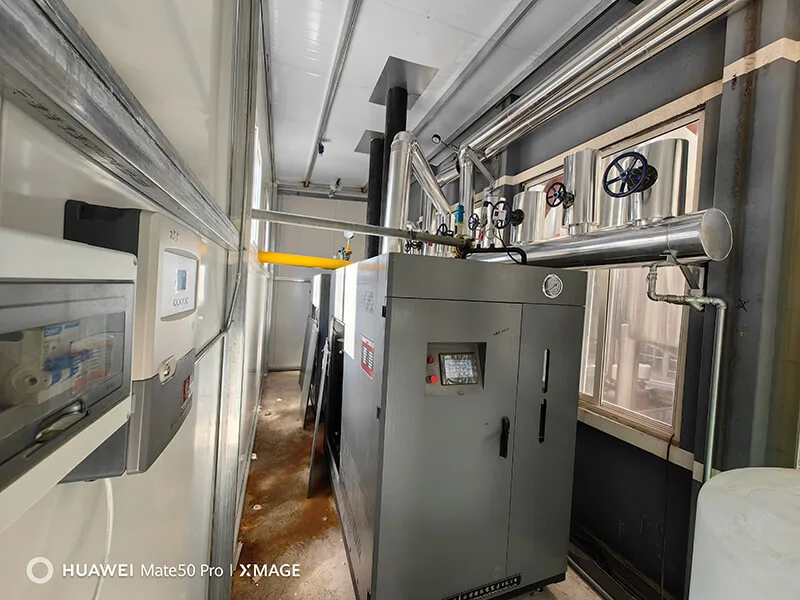
Steam systems use a boiler to generate steam, which is delivered to jacketed vessels such as mash tuns and kettles. Heat is transferred evenly through the vessel wall.

Key Advantages of Steam Heating

1. High Thermal Efficiency
Steam provides uniform heat distribution, reducing hot spots and improving mash and boil consistency.

2. Ideal for Multi-Batch Brewing
Steam systems excel when running multiple batches per day, making them ideal for commercial breweries.

3. Easier to Scale Up
Adding vessels or increasing batch frequency usually requires only boiler and piping adjustments—not a full redesign.

4. Lower Long-Term Operating Costs
For breweries producing at scale, steam is often more cost-effective than electricity.

Considerations and Limitations

  • Higher upfront cost (boiler, piping, controls)
  • Requires boiler inspections and regulatory compliance
  • Dedicated boiler room and safety systems needed

Best suited for:
Commercial breweries, expansion-stage breweries, and facilities planning long-term growth.

锅炉

Electric Heating: Simplicity and Compact Design

How Electric Heating Works

Electric systems use immersion or external heating elements installed directly in the vessel. Heat is generated instantly when power is applied.

Key Advantages of Electric Heating

1. Lower Initial Investment
No boiler, no steam piping, and fewer auxiliary systems.

2. Compact and Clean Installation
Ideal for breweries with limited space or strict building restrictions.

3. Fast Temperature Response
Electric elements react quickly, offering precise temperature adjustments.

4. Easier Compliance
No pressure vessel regulations or boiler certifications in many regions.

Considerations and Limitations

  • High electrical demand and utility costs
  • Limited scalability for larger systems
  • Element maintenance and potential scaling issues

Best suited for:
Nano breweries, pilot systems, brewpubs, and locations without steam infrastructure.

Energy Cost Comparison: What Really Matters

Energy costs depend heavily on local utility pricing.

  • In regions with low electricity rates, electric systems can be economical at small scale.
  • In high-output breweries, steam almost always becomes more cost-effective over time.

The key is evaluating cost per batch, not just monthly utility bills.

Temperature Control and Brewing Performance

Both systems can deliver excellent beer quality when properly designed.

  • Steam offers smoother heat curves and stable boiling.
  • Electric heating provides fast response but may require careful element placement to avoid scorching.

For delicate recipes or high-gravity beers, uniform heat distribution is often more important than speed.

Installation, Safety, and Compliance

FactorSteamElectric
Safety requirementsBoiler safety systemsElectrical protection
MaintenanceBoiler servicingElement inspection
Downtime riskBoiler-relatedElectrical load issues
Regulatory oversightHigherLower

Planning for compliance early avoids costly retrofits later.

How Heating Choice Affects Future Expansion

One of the most common mistakes is choosing electric heating for a system that will soon outgrow it.

Ask yourself:

  • Will I increase batch size or frequency?
  • Will I add more vessels later?
  • Is electrical infrastructure expandable?

Steam systems offer greater long-term flexibility for growth-focused breweries.

Which Heating System Is Right for You?

Choose Steam Heating if:

  • You plan to brew multiple batches per day
  • Long-term scalability is a priority
  • Energy efficiency matters at higher volumes

Choose Electric Heating if:

  • You operate a small or pilot brewery
  • Space and installation simplicity are critical
  • Steam infrastructure is not feasible

Conclusion: Think Beyond Today’s Production

The right heating system supports not only your current production—but your future brewery vision.

Steam heating offers power, efficiency, and scalability.
Electric heating offers simplicity, flexibility, and lower startup cost.

The best choice is the one aligned with your production goals, utilities, and growth strategy.

If you’re planning a new brewery or upgrading existing equipment, a professional system evaluation can help you choose the most efficient heating solution—without limiting future expansion.

滚动至顶部

获取报价

联系我们