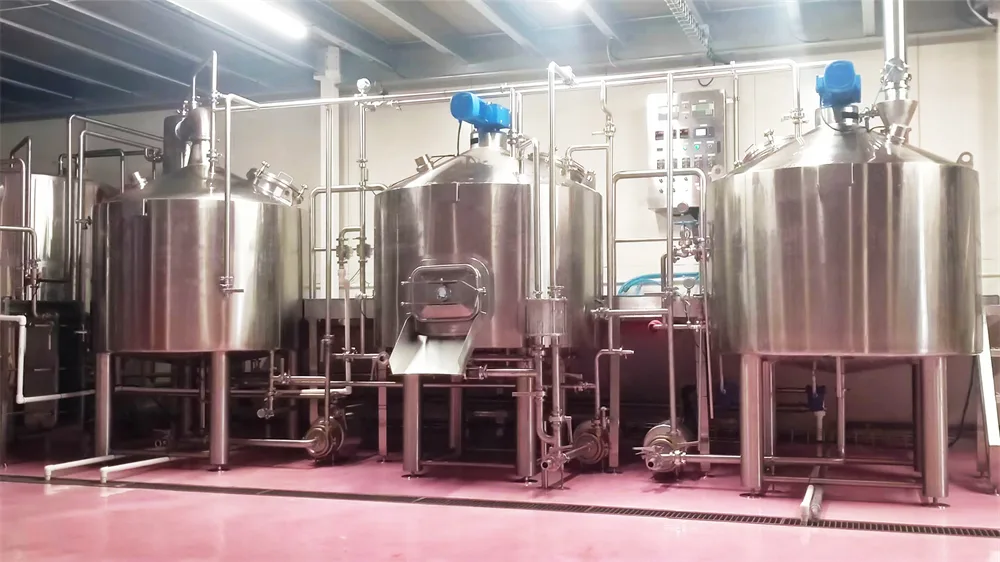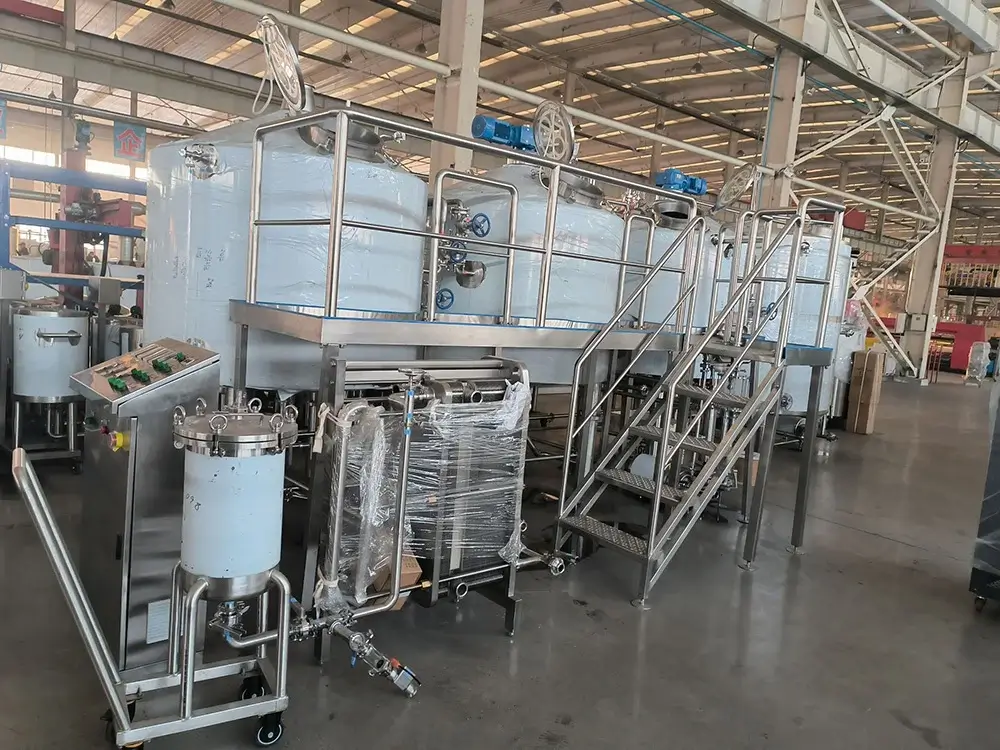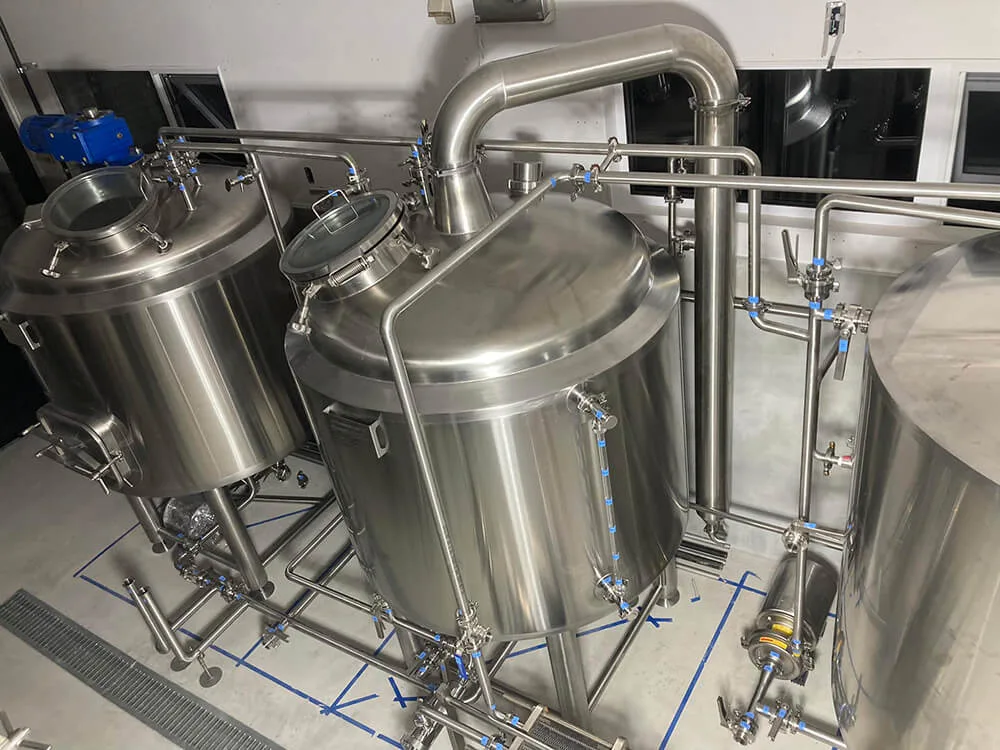

A stainless steel fermentation tank, commonly called a fermenter, is one of the most important pieces of equipment in any modern brewery. It is the vessel where yeast converts sugars from wort into alcohol and carbon dioxide, while also creating the complex flavors and aromas that define different beer styles.
Unlike basic storage tanks, fermenters must maintain strict hygiene standards and precise environmental control. Temperature, pressure, oxygen levels, and sanitation all directly influence fermentation performance. Because of these demanding conditions, fermentation tanks are exposed to constant mechanical stress, chemical cleaning agents, and microbial activity.
High-quality stainless steel fermentation tanks are designed to operate reliably for decades. However, improper cleaning methods, excessive pressure, unstable temperatures, or poor maintenance practices can significantly shorten their lifespan.
For brewery owners, maintaining fermenters properly is essential not only for equipment longevity but also for maintaining consistent beer quality and production efficiency.
Why Fermenter Maintenance Is Critical for Breweries
发酵罐 represent a major investment in brewery equipment. A commercial brewery may operate dozens of fermenters, each costing thousands or even tens of thousands of dollars.
Poorly maintained fermenters can cause several serious problems:
- Contamination and off-flavors in beer
- Corrosion or pitting on stainless steel surfaces
- Leaking valves and fittings
- Structural fatigue caused by pressure cycles
- Unexpected production downtime
When breweries follow strict maintenance procedures, fermenters remain reliable for 20–30 years or longer. Preventive maintenance also reduces cleaning chemical consumption, energy costs, and repair expenses.
Key Factors That Affect Stainless Steel Fermenter Lifespan
Stainless Steel Material Quality
Most commercial fermentation tanks are constructed from 304 stainless steel or 316L stainless steel.
304 stainless steel offers strong corrosion resistance and is widely used in brewing equipment.
316L stainless steel provides even greater resistance to acidic cleaning chemicals and chloride exposure.
The choice of material significantly influences the long-term durability of a fermenter.
Surface Finishing and Tank Polishing
The internal surface finish of a fermenter is critical for both hygiene and durability.
High-quality tanks are polished to a smooth sanitary finish, reducing the likelihood of microbial attachment and making cleaning more effective. Rough or poorly finished surfaces allow yeast residue and proteins to accumulate, which may lead to contamination or corrosion.
Welding and Hygienic Tank Fabrication
Professional brewing equipment manufacturers use TIG welding to create smooth, sanitary weld seams.
Poor welding can create microscopic cracks or uneven surfaces where bacteria accumulate. Over time, these defects may develop into corrosion points that weaken the tank structure.
After welding, stainless steel tanks are typically passivated to restore the protective oxide layer that prevents corrosion.
Environmental Conditions in the Brewery
The operating environment of the brewery also influences fermenter lifespan.
Factors that may accelerate equipment wear include:
- High humidity levels
- Poor ventilation
- Chemical exposure
- Frequent temperature fluctuations
- Condensation buildup around tanks
Maintaining a clean, dry, and well-ventilated brewing environment helps protect fermentation tanks from external corrosion.
15 Expert Tips to Extend Fermenter Lifespan
1. Establish a Standardized CIP Cleaning Program
Most breweries use CIP (Clean-In-Place) systems to clean fermentation tanks automatically.
A typical CIP cycle includes:
- Warm water pre-rinse
- Caustic cleaning solution
- Intermediate rinse
- Acid cleaning cycle
- Sanitization stage
Following a consistent cleaning program prevents residue buildup and protects stainless steel surfaces.
2. Avoid Chlorine-Based Cleaning Chemicals
Chlorine is extremely damaging to stainless steel. Even small amounts can cause pitting corrosion, which permanently damages the fermenter surface.
Breweries should always use chlorine-free sanitizers, such as peracetic acid or iodophor.
3. Control Cleaning Chemical Concentration
Cleaning chemicals must be used at the correct concentration.
Solutions that are too weak cannot remove organic residues effectively, while overly concentrated chemicals may damage stainless steel surfaces or gaskets.
4. Maintain Proper Cleaning Temperature
Temperature plays an important role in cleaning efficiency.
Caustic cleaning solutions typically work best between 75°C and 85°C (167–185°F). Lower temperatures reduce cleaning effectiveness, while excessively high temperatures may damage seals or accelerate chemical reactions.
5. Ensure Adequate Spray Ball Coverage
Spray balls are responsible for distributing cleaning solutions throughout the fermenter.
Blocked spray holes or insufficient pressure may leave areas of the tank uncleaned. Regular inspection ensures that spray balls rotate properly and cover the entire internal surface.
6. Maintain Proper Cleaning Flow Velocity
CIP cleaning relies not only on chemicals but also on mechanical turbulence created by high-velocity cleaning fluids.
Insufficient flow velocity reduces the ability of cleaning solutions to remove residues from tank walls.
7. Rinse Thoroughly Between Cleaning Stages
Acid and caustic chemicals must never mix directly.
A complete rinse cycle between cleaning stages prevents neutralization reactions that reduce cleaning efficiency.
8. Inspect Valves and Fittings Regularly
Valves, sampling ports, and fittings are common locations where contamination occurs.
These components should be inspected and cleaned regularly to ensure hygienic conditions.
9. Replace Gaskets and Seals Periodically
Rubber gaskets and seals gradually degrade due to chemical exposure and temperature changes.
Old seals may develop cracks or rough surfaces where bacteria accumulate. Replacing these components regularly helps maintain sanitary conditions.
10. Maintain Stable Fermentation Temperatures
Temperature fluctuations cause metal expansion and contraction, placing stress on weld seams.
Maintaining stable fermentation temperatures protects the structural integrity of the stainless steel fermentation tank.
11. Monitor Internal Tank Pressure
Fermentation naturally produces carbon dioxide, increasing pressure inside the fermenter.
Pressure gauges and safety valves should be regularly inspected to ensure the tank remains within its safe operating limits.
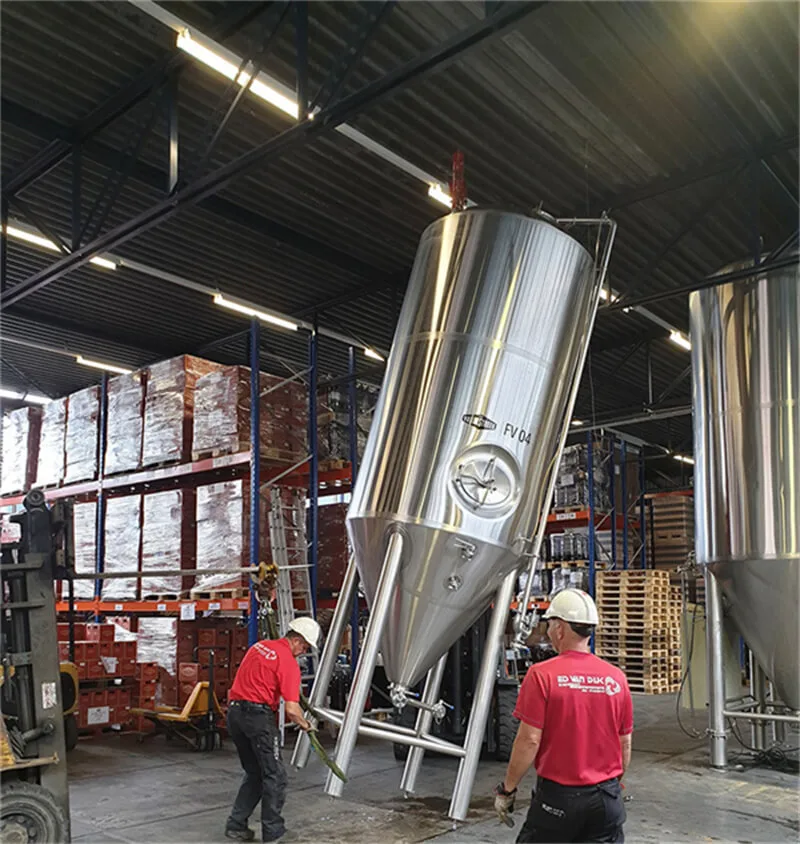
12. Prevent Physical Impact or Vibration
During installation or cleaning, fermenters should be protected from impacts or excessive vibration.
Even small impacts can weaken weld joints or damage valves.
13. Use Softened Water for Cleaning
Hard water contains calcium and magnesium ions that may react with cleaning chemicals, forming mineral deposits.
Using softened or filtered water improves cleaning performance and prevents scale buildup.
14. Implement Fermentation Monitoring Systems
Modern fermenters often include sensors that monitor:
- Temperature
- Pressure
- pH levels
- Dissolved oxygen
These monitoring systems help brewers maintain stable fermentation conditions and prevent equipment stress.
15. Train Brewery Staff on Proper Equipment Handling
Even the best equipment can fail if operators are not properly trained.
Staff should understand correct cleaning procedures, pressure limits, and equipment handling practices.
Optimizing Fermenter Efficiency Through Modern Technology
Smart Fermenter Monitoring Systems
Many breweries now integrate fermentation tanks with digital control systems that allow operators to monitor fermentation remotely.
These systems provide real-time alerts when temperature or pressure exceeds safe ranges.
Data-Driven Brewing Optimization
Advanced brewery software stores historical fermentation data, allowing brewers to analyze trends and improve brewing consistency.
Better process control reduces stress on equipment and improves beer quality.
Long-Tail Keywords for Brewery Equipment SEO
To improve search engine visibility, breweries and equipment manufacturers often target specialized long-tail keywords such as:
- stainless steel fermentation tank maintenance
- brewery fermenter cleaning guide
- CIP cleaning system for fermenters
- commercial brewery fermentation tanks
- conical fermenter maintenance tips
- brewery equipment maintenance guide
- fermenter temperature control system
- stainless steel brewery tanks
Using these keywords naturally throughout educational content helps improve visibility in search engines.
Frequently Asked Questions
How long does a stainless steel fermentation tank last?
With proper maintenance, a commercial stainless steel fermenter can last 20–30 years or more.
What is the most common cause of fermenter damage?
The most common cause is improper cleaning chemicals, especially chlorine-based cleaners that cause pitting corrosion.
How often should fermenters be cleaned?
Fermentation tanks should be cleaned and sanitized after every fermentation batch to maintain hygiene and prevent contamination.
Why is CIP cleaning important?
CIP cleaning ensures consistent sanitation by circulating cleaning chemicals throughout the tank without disassembly.
What temperature is best for fermentation cleaning?
Most caustic cleaning cycles operate between 75–85°C (167–185°F) for optimal cleaning performance.
结论
Maintaining a stainless steel fermentation tank requires careful attention to cleaning procedures, operating conditions, and routine inspections. Breweries that implement strict maintenance programs and modern monitoring systems can significantly extend the lifespan of their fermenters.
By following proven fermenter maintenance practices—such as proper CIP cleaning, stable temperature control, and regular equipment inspection—breweries can protect their equipment investment and ensure consistent beer production for decades.
If you are planning to build a brewery, feel free to contact us for our equipment list.