Kombucha has evolved from a niche fermented tea into a fast-growing functional beverage category. As demand increases, many kombucha brands face the same challenge: how to scale production without sacrificing quality, consistency, or safety.
At the center of this challenge is equipment. Kombucha brewing is not simply “tea fermentation in a tank.” It is a controlled biological process that requires the right combination of brewing, fermentation, temperature control, sanitation, and packaging systems.
This article explains how to choose kombucha brewing equipment from a commercial perspective—helping founders and production teams build a system that supports growth, compliance, and brand integrity.
1. Kombucha Production Is a System, Not a Single Tank
One of the most common mistakes new kombucha producers make is focusing only on fermentation vessels. In reality, commercial kombucha production is a fully integrated process.
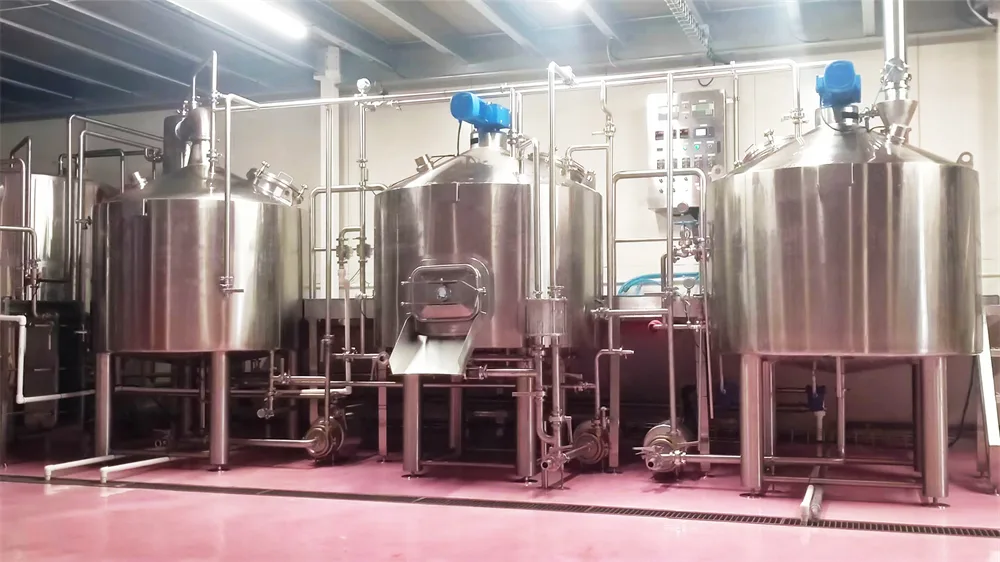
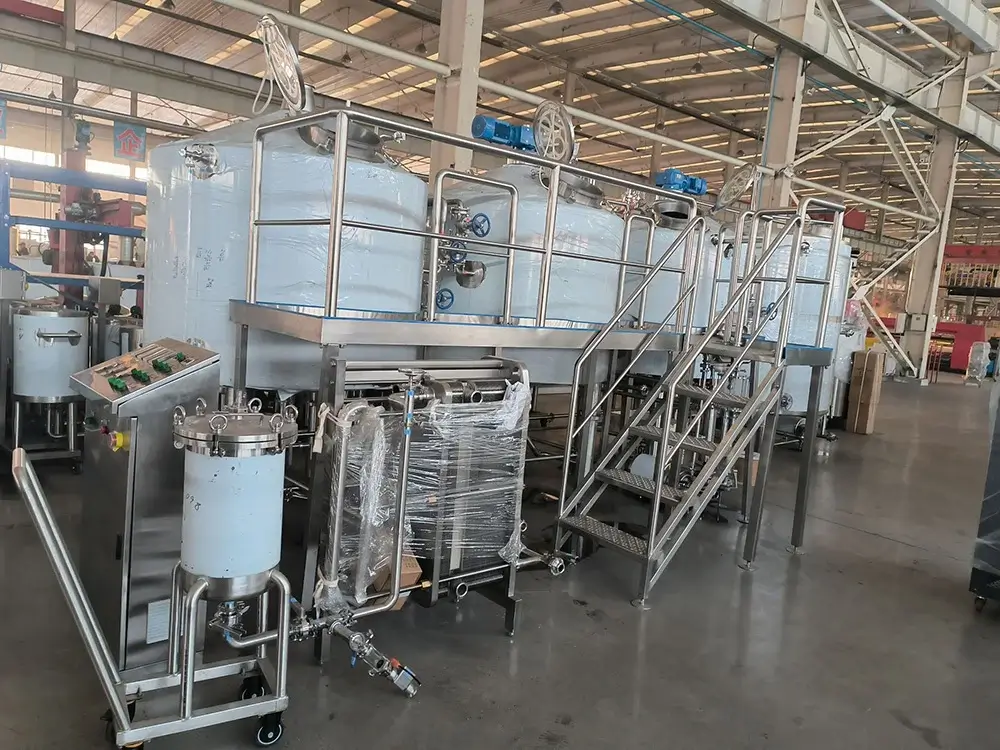
A professional kombucha equipment setup typically includes:
- Tea brewing and extraction system
- Sugar dissolving and mixing equipment
- Primary fermentation tanks
- Secondary fermentation or flavoring tanks
- Cooling and temperature control system
- CIP (Clean-In-Place) system
- Filtration or clarification (optional)
- Carbonation and packaging system
- Process control and monitoring
Each component affects flavor stability, microbial safety, and production efficiency.
2. Tea Brewing Equipment: The Foundation of Flavor
Unlike beer or spirits, kombucha begins with tea. Consistency at this stage is critical.
Key requirements for commercial tea brewing:
- Precise temperature control (typically 80–95°C)
- Even extraction without bitterness
- Scalable batch volumes
- 食品级不锈钢结构
Common solutions:
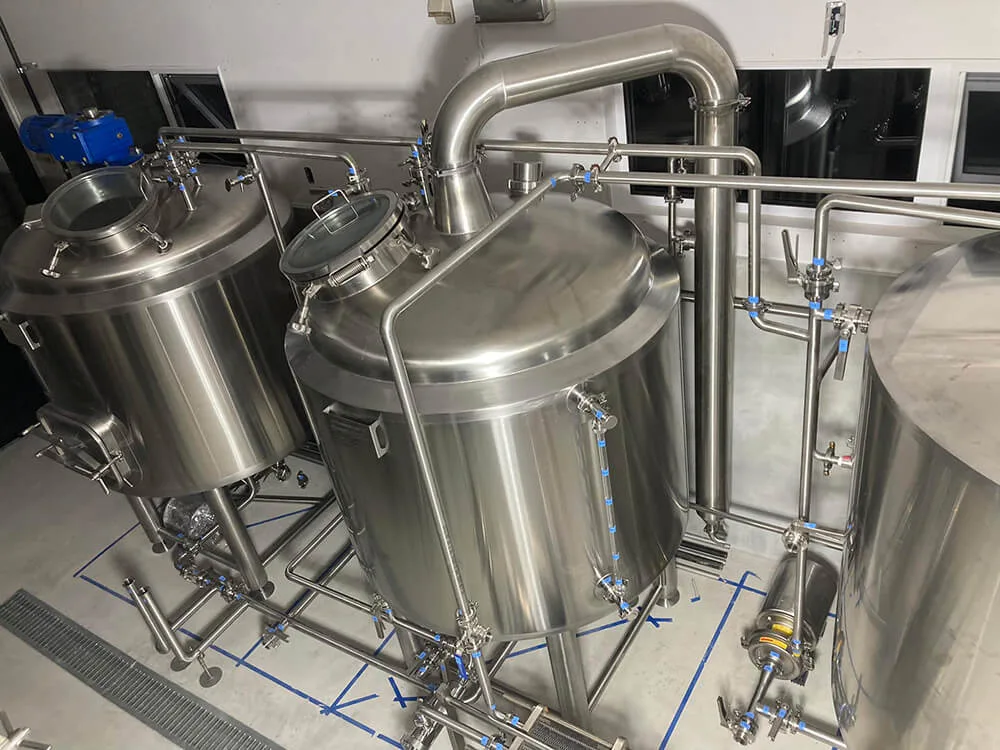
- Steam- or electric-heated tea brewing tanks
- Integrated sugar dissolving tanks
- Agitation systems for uniform mixing
From a business standpoint, automating tea brewing reduces labor and minimizes batch-to-batch variation—especially important as volumes increase.
3. Fermentation Tanks: Where Kombucha Is Made
Fermentation is the heart of kombucha production. Unlike alcoholic fermentation, kombucha involves a symbiotic culture of bacteria and yeast (SCOBY), making process control even more critical.
Key considerations for kombucha fermentation tanks:
- Food-grade stainless steel (typically 304 or 316L)
- Smooth internal surfaces for sanitation
- Proper headspace for fermentation activity
- Sampling ports and temperature probes
- Sealed or semi-sealed design (depending on style)
Tank configuration options:
- Open-top tanks (traditional, small-scale)
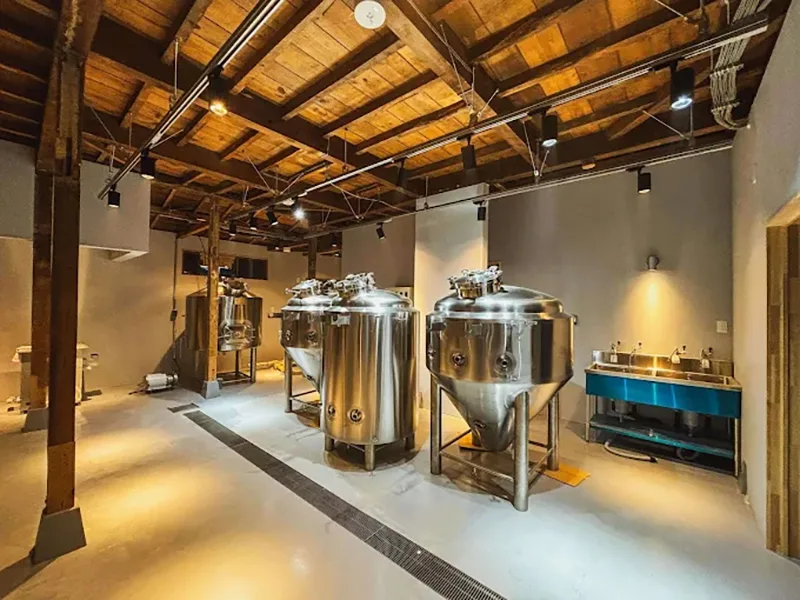
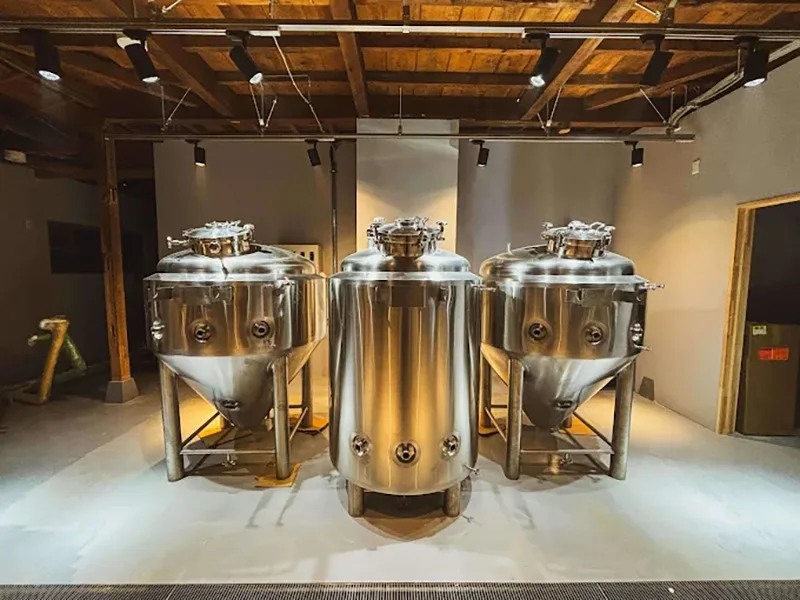
- Closed stainless steel fermenters (commercial standard)
- Jacketed tanks for temperature control
Scalability insight:
Most growing kombucha brands move quickly from open vessels to closed, jacketed fermentation tanks to improve consistency, hygiene, and regulatory compliance.
4. Temperature Control: Stability Equals Consistency
Kombucha fermentation is highly sensitive to temperature. Even small fluctuations can impact acidity, sweetness, carbonation potential, and microbial balance.
Commercial systems typically include:
- Glycol or chilled water systems
- Jacketed fermentation tanks
- Temperature sensors and control panels
Benefits of proper temperature control:
- Predictable fermentation timelines
- Reduced risk of over-acidification
- Improved product consistency across batches
- Better shelf-life stability
For brands planning regional or national distribution, temperature-controlled fermentation is not optional—it is essential.
5. Primary vs Secondary Fermentation Equipment
As kombucha brands mature, many introduce secondary fermentation to develop flavor and carbonation.
Primary fermentation:
- SCOBY-driven fermentation
- Sugar conversion and acid development
- Typically 7–14 days
Secondary fermentation:
- Flavor infusion (fruit, herbs, botanicals)
- Natural carbonation development
- Requires pressure-rated tanks or controlled bottles
Equipment considerations:
- Dedicated flavoring tanks with mixing capability
- Pressure-rated unitanks for controlled carbonation
- Separate CIP loops to avoid cross-contamination
A flexible system allows brands to experiment with seasonal flavors without disrupting core production.
6. Cleaning and Sanitation: Non-Negotiable for Kombucha
Because kombucha is a live fermented beverage, sanitation is one of the most critical operational factors.
Commercial kombucha equipment should be:
- CIP-compatible
- Designed with minimal dead zones
- Equipped with spray balls and proper drainage
Typical CIP systems include:
- Hot water rinse
- Alkaline cleaning
- Acid rinse
- Sanitizing cycle
From a compliance perspective, a well-documented cleaning process supports food safety audits and builds confidence with distributors and regulators.
7. Automation and Process Control
As production scales, manual processes become a bottleneck.
Modern kombucha systems increasingly integrate:
- PID or PLC control systems
- Automated temperature control
- Timed fermentation tracking
- Digital data logging
Benefits for founders and operators:
- Reduced labor dependency
- Improved batch repeatability
- Faster training for new staff
- Easier troubleshooting
Automation does not eliminate craftsmanship—it protects it by ensuring consistency.
8. Scaling Strategy: Design for Tomorrow, Not Just Today
Many kombucha startups outgrow their original equipment within 12–24 months. This often happens because systems were designed only for current demand.
Smart capacity planning includes:
- Modular tank expansion
- Oversized utilities (chilling, CIP, pumps)
- Space allocation for future vessels
- 灵活的管道布局
A scalable equipment solution minimizes reinvestment and allows growth without production disruption.
9. Compliance, Safety, and Shelf Stability
Commercial kombucha exists at the intersection of food safety and fermentation.
Equipment design should support:
- Controlled alcohol levels (below regulatory thresholds)
- Hygienic processing
- Consistent pH management
- Optional pasteurization or stabilization steps (depending on market)
From a brand perspective, compliance-friendly equipment reduces risk and supports long-term distribution growth.
10. A Solution-Based Approach to Kombucha Equipment
Successful kombucha brands rarely buy equipment piece by piece. Instead, they invest in integrated brewing solutions designed around:
- Production volume goals
- Product style (raw, flavored, carbonated)
- Distribution strategy
- Regulatory environment
A solution-based approach ensures that tea brewing, fermentation, cooling, cleaning, and packaging systems work together seamlessly—supporting both quality and efficiency.
Conclusion: Equipment Shapes the Future of Your Kombucha Brand
Kombucha brewing equipment is more than stainless steel tanks and pipes. It is the infrastructure that supports product consistency, food safety, scalability, and brand reputation.
For founders and decision-makers, choosing the right equipment early is one of the most important investments you will make. A well-designed system allows your kombucha to grow from a local product into a scalable, reliable, and trusted beverage brand.
The right equipment doesn’t just make kombucha—it protects your vision and enables sustainable growth.