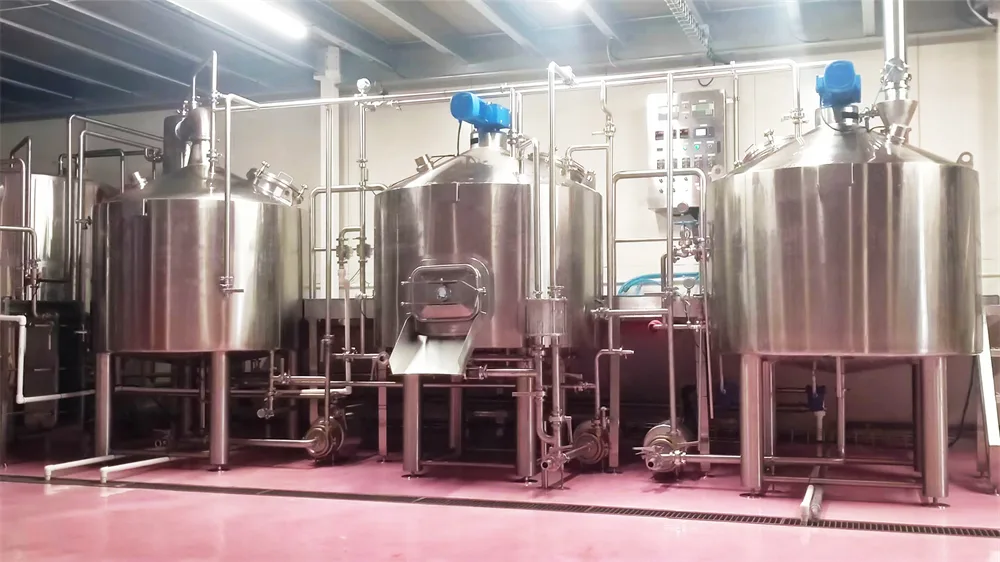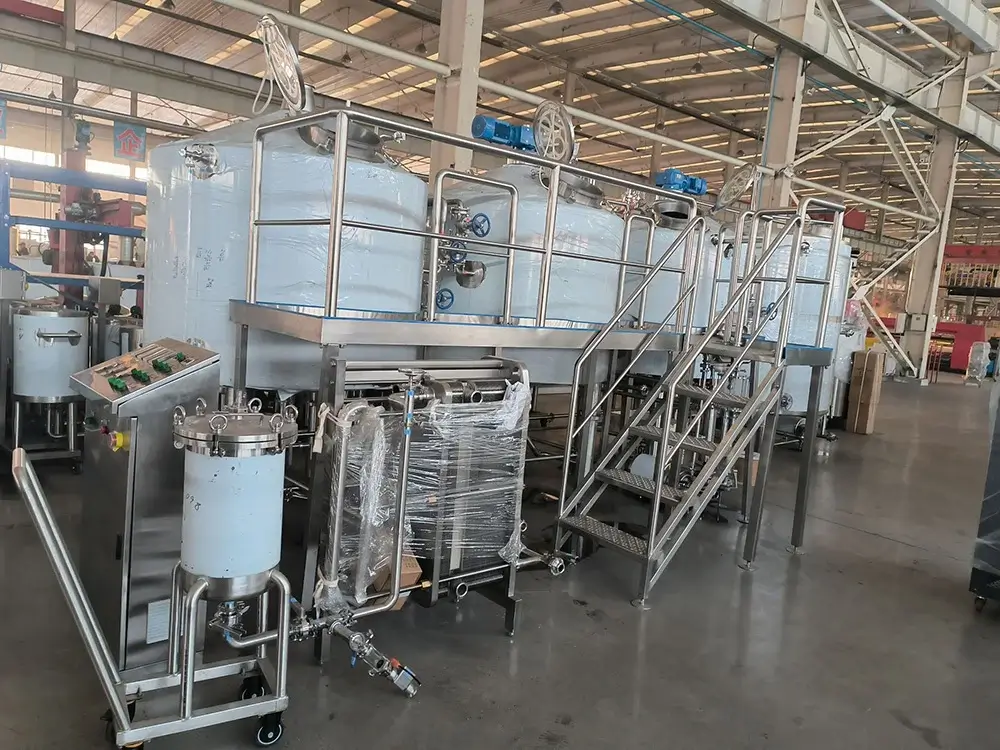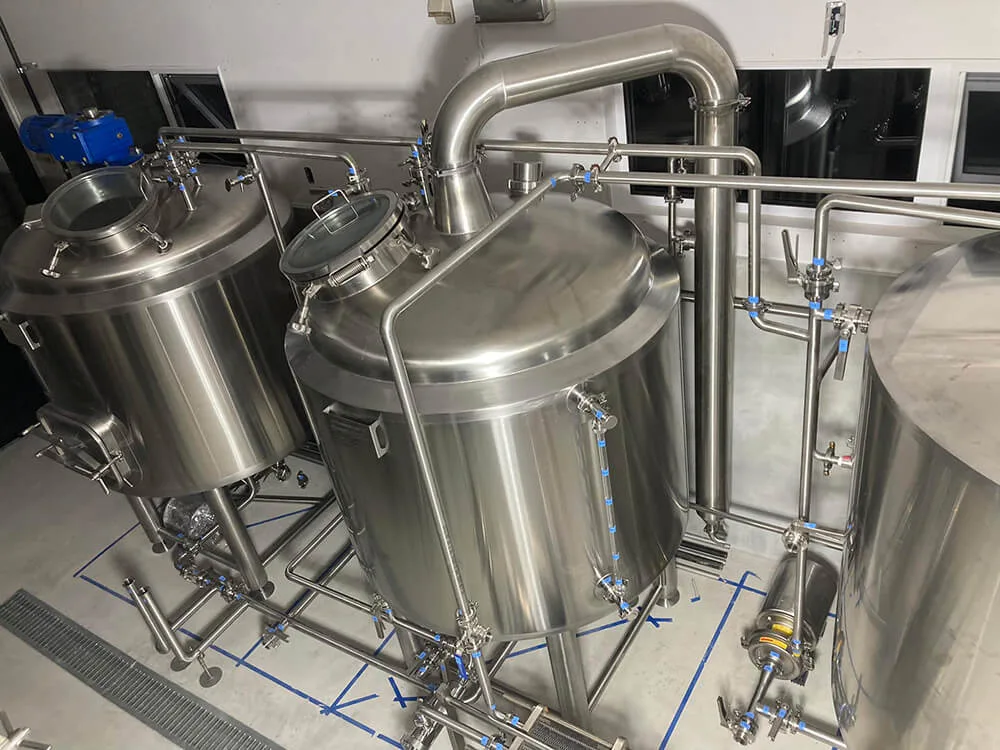
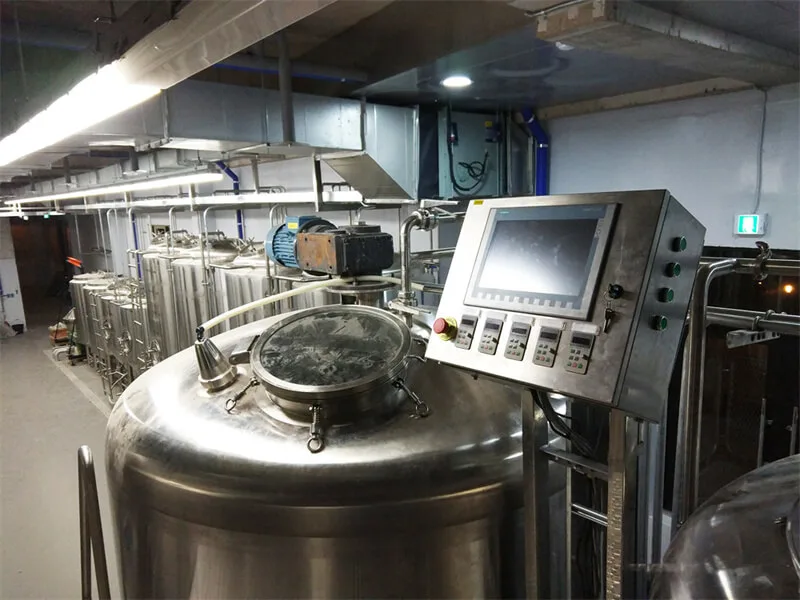
As one of the most popular beverages worldwide, the richness and complexity of beer flavor directly influence consumer repurchase decisions and brand loyalty. In today’s brewing industry—where raw materials are increasingly standardized—simply adjusting recipes is often not enough for brewers seeking exceptional quality and distinctive taste. Achieving superior flavor now relies heavily on upgrading brewery equipment.
Modern brewing systems allow brewers to control every stage of the process with unprecedented precision. More importantly, advanced equipment can capture and preserve delicate flavor compounds at the molecular level—compounds that would otherwise be lost during production. This article explores how comprehensive upgrades in brewery equipment can help build deeper and more refined beer flavor profiles.
Understanding Beer Flavor: From Macro Balance to Micro Precision
Beer flavor is the core indicator of quality. It results from complex chemical interactions between malt, hops, yeast, and water during the brewing process. These interactions create a multidimensional sensory experience that includes sweetness, bitterness, acidity, body, and aroma.
Traditionally, brewing styles focused on balance. Lagers emphasize clean and crisp drinkability, while ales highlight fruity esters and caramel notes.
However, modern brewing focuses not only on balance but also on purity and aromatic intensity. For example:
- How can citrus hop aromas be maximized without introducing grassy off-flavors?
- How can yeast esters become smooth and rounded instead of sharp?
Achieving this level of micro-control requires advanced brewery equipment capable of managing the smallest changes in temperature, pressure, and fermentation environment.
Optimizing the Brewhouse: Unlocking the Full Potential of Malt
Mashing is the foundation of beer flavor. Traditional systems sometimes suffer from uneven heating and imprecise enzyme control, leading to limited wort composition. Modern brewhouse designs allow brewers to extract the full potential of malt.
Programmable Multi-Step Mashing
Advanced brewhouse systems enable complex temperature rests such as protein rest and beta-glucan rest. By carefully controlling enzyme activity windows, brewers can increase fermentable sugar conversion while optimizing protein structures.
The result is improved foam stability, fuller mouthfeel, and enhanced malt aromas such as biscuit, bread, or caramel.
High-Precision Temperature Control with PID Systems
Modern brewery equipment often includes PID-controlled heating systems capable of maintaining temperature accuracy within ±0.1°C. This ensures enzymes operate at their ideal temperatures, maximizing flavor extraction from malt.
Intelligent Variable-Speed Agitation
Smart mixing systems prevent localized overheating that can cause unwanted caramelization or burnt flavors. They also avoid mash compaction, ensuring consistent extraction of flavor compounds and producing cleaner, brighter wort.
Precision Fermentation: Unlocking the Personality of Yeast
Fermentation is the stage where beer flavor truly comes to life. Yeast metabolism is extremely sensitive to environmental changes, and even minor temperature or pressure fluctuations can create unwanted byproducts such as diacetyl or fusel alcohols.
Multi-Zone Temperature-Controlled Fermenters
Modern fermenters equipped with dual jackets or segmented cooling allow independent temperature control between the cone and the tank body. This improves yeast sedimentation, reduces autolysis, and ensures stable fermentation temperatures for a cleaner flavor profile.
Pressure Fermentation Technology
Pressure-capable fermenters allow brewers to adjust tank pressure dynamically during fermentation. Increased pressure can suppress excessive ester formation in lagers, while controlled pressure release in hop-forward styles like IPA helps release aromatic compounds.
This technology enables brewers to fine-tune aroma intensity and mouthfeel.
Automated Yeast Propagation Systems
One of the most significant upgrades in modern brewery equipment is automated yeast management. Integrated sterile propagation tanks with filtered air systems ensure yeast vitality above 95% before pitching.
Automated dosing eliminates oxygen exposure and contamination risks associated with manual handling. This prevents off-flavors such as sulfur compounds or solvent-like notes and ensures consistent fermentation performance across batches.
Advanced Filtration and Clarification: Balancing Purity and Flavor
Filtration must strike a delicate balance. Over-filtration strips away flavor, while insufficient filtration affects mouthfeel and stability. New filtration technologies allow for selective removal.
Plate Filters and Crossflow Filtration
Modern filtration systems replace traditional diatomaceous earth filtration with more sustainable options. These systems remove large proteins and yeast while preserving key polysaccharides and hop oils that contribute to body and aroma.
Low-Speed Centrifugation
Centrifuges efficiently remove yeast and hot break material while maintaining haze stability in styles like Hazy IPA. This allows brewers to eliminate rough particles while preserving suspended hop compounds responsible for juicy flavors.
Precision Membrane Filtration
Membrane filters provide a final microbiological barrier without heat treatment. Unlike pasteurization, this process avoids “cooked” flavors and helps preserve fresh hop character.
Maturation and Aging: The Art of Time and Flavor
Maturation is essential for integrating and stabilizing beer flavors. Modern brewery equipment allows brewers to control this stage more precisely.
Micro-Oxygenation Technology
Micro-oxygenation systems introduce extremely small amounts of oxygen at controlled levels, mimicking the permeability of oak barrels. This process promotes tannin polymerization and accelerates flavor development while avoiding oxidation defects.
Modular Oak Aging Systems
Instead of traditional wooden barrels—which are difficult to clean—many breweries now use stainless steel tanks combined with replaceable oak inserts. These inserts deliver flavors such as vanilla, coconut, and smoke while maintaining sanitary conditions.
Low-Temperature Lagering Tanks
Advanced lagering tanks provide superior insulation and evenly distributed cooling systems. Long-term maturation near freezing temperatures helps reduce diacetyl and creates smoother, more refined beer.
Packaging and Filling: Preserving Freshness to the Last Drop
Packaging is one of the most critical stages in beer production because oxygen exposure can rapidly degrade flavor.
Ultra-Low Oxygen Filling Systems
Modern filling lines use vacuum evacuation and multiple CO₂ or nitrogen purges to reduce dissolved oxygen levels to as low as 10 ppb. This is essential for preserving hop aromas in IPA and maintaining freshness in pale lagers.
Isobaric Filling Technology
Equal-pressure filling ensures consistent carbonation in every bottle or can. Stable CO₂ levels maintain proper mouthfeel and prevent flavor flattening.
UV Sterilization and Nitrogen Flushing
Before sealing, bottles are briefly sterilized with UV light and flushed with nitrogen to create a protective barrier. This prevents microbial contamination and headspace oxidation.
Smart Brewing: Data-Driven Flavor Consistency
The modern brewery is becoming increasingly digital. Smart systems are now central to production rather than just supportive tools.
Inline Spectral Analysis and Electronic Sensors
Advanced sensors monitor fermentation parameters in real time, including diacetyl, acetaldehyde, alcohol content, and bitterness levels. If potential flavor defects are detected, the system automatically alerts brewers or adjusts process parameters.
Automated CIP Cleaning Systems
Automated Clean-In-Place systems maintain strict hygiene by precisely controlling cleaning temperature, flow rate, and chemical concentration. This prevents cross-contamination between batches and ensures consistent beer flavor.
IoT Remote Monitoring
Connected brewery equipment allows brewers to monitor the entire facility from mobile devices. Historical data analysis helps refine brewing processes and maintain consistent flavor profiles across production cycles.
Frequently Asked Questions
Can upgrading malt milling equipment really change beer flavor?
Yes. Modern roller mills allow precise adjustment of crush size, ensuring intact husks and finely crushed endosperm. This improves extraction efficiency while preventing tannin release from over-crushed husks, resulting in cleaner malt flavor.
What are the benefits of automatic hop dosing systems?
Automatic hop dosers allow precise dry-hop additions during fermentation without oxygen exposure. Compared with manual hopping, these systems better preserve volatile hop oils and can increase aromatic intensity by over 30%.
Do advanced filtration systems remove flavor?
No. Modern filtration technologies are selective. They remove large particles that cause rough mouthfeel while retaining essential compounds responsible for body and aroma.
Why is fermentation pressure control important?
Pressure directly affects yeast metabolism. By controlling pressure, brewers can reduce fusel alcohol formation or enhance ester production depending on the desired flavor profile.
结论
From precise mash temperature control to advanced fermentation management, from selective filtration to oxygen-free packaging, upgrading brewery equipment is no longer simply about increasing production capacity. It has become the key to reshaping beer flavor.
Industry trends in 2025 show that technologies such as automated yeast management, real-time monitoring, micro-oxygenation, and oxygen-free dry hopping will increasingly distinguish premium beers from ordinary products.
For both large commercial breweries and small craft producers, investing in modern brewery equipment provides the tools to unlock deeper flavor complexity, achieve cleaner taste profiles, and maintain consistent quality. In the future, only the integration of advanced technology and brewing craftsmanship will produce beers capable of truly captivating consumers.
If you are planning to build a brewery, feel free to contact us for our equipment list.