Для пивоваренных заводов, планирующих импортировать оборудование в США, обеспечение соответствия требованиям — это более сложный процесс, чем простой вопрос о том, имеет ли поставщик сертификаты «ASME» или «UL».
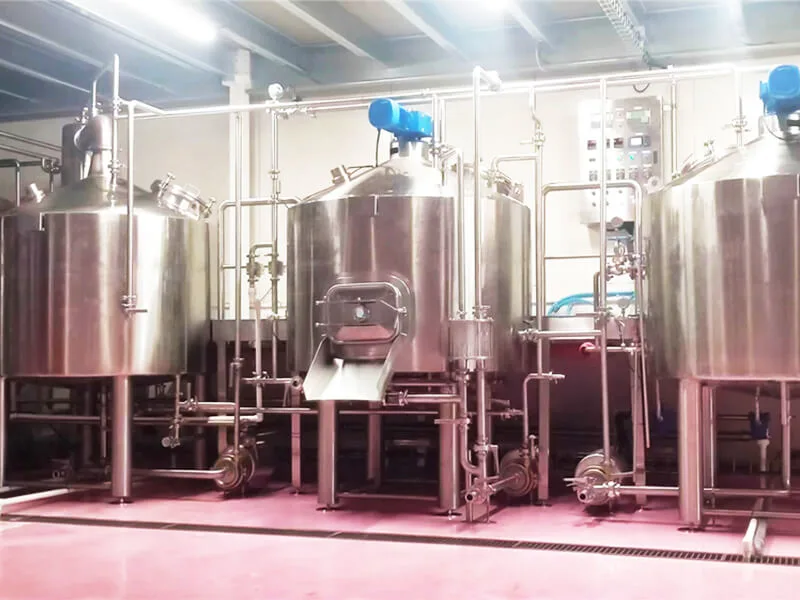
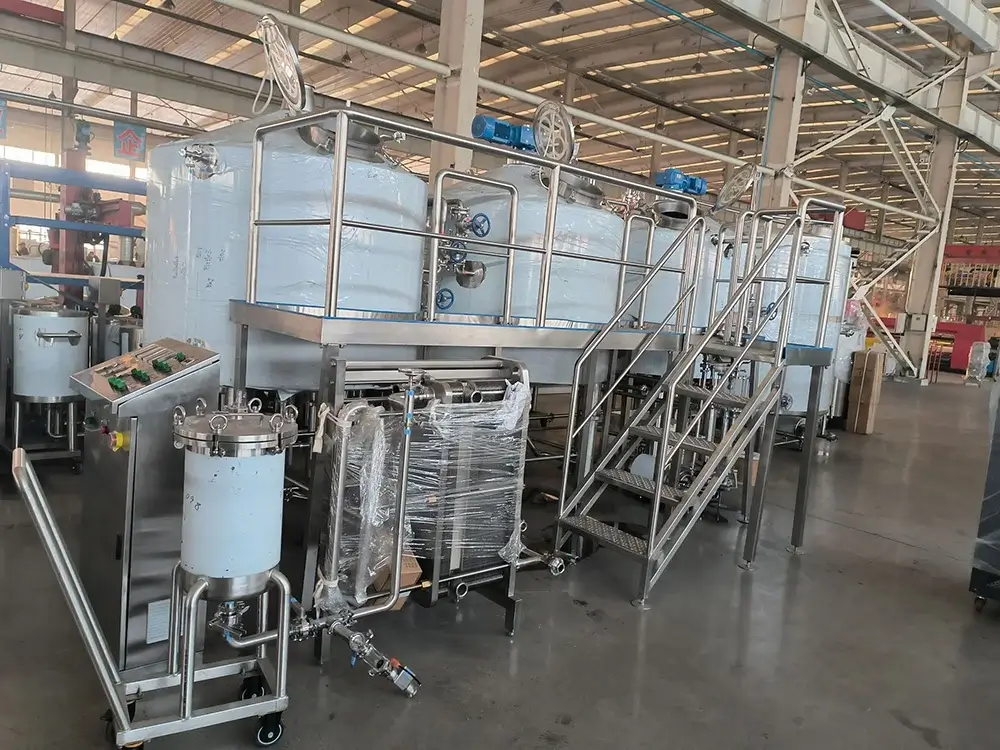
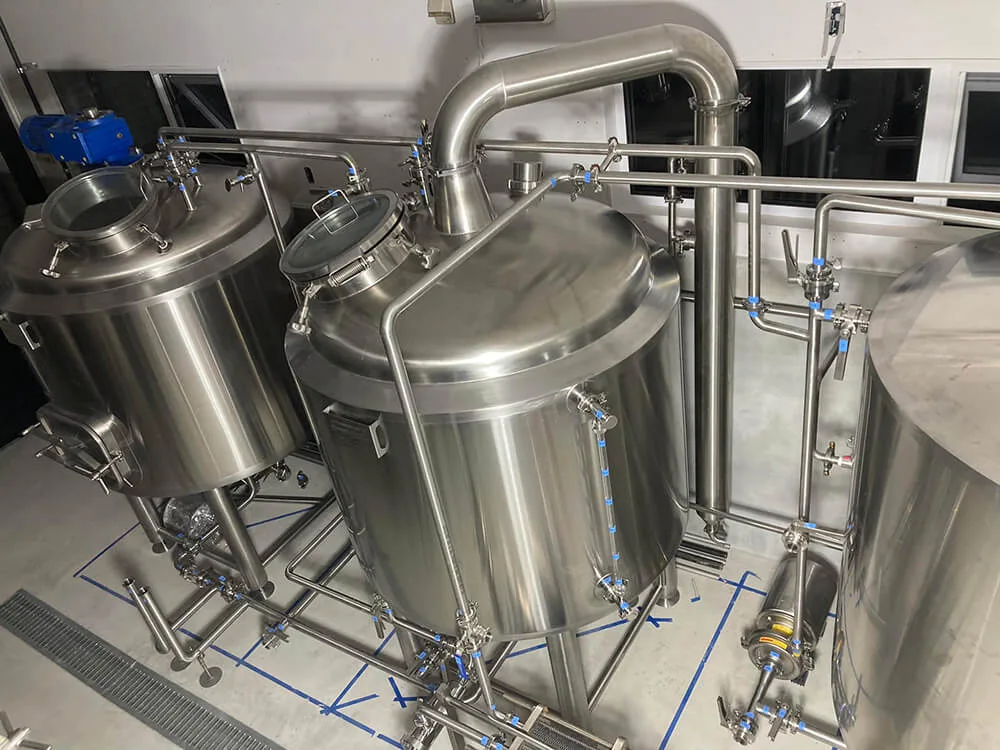
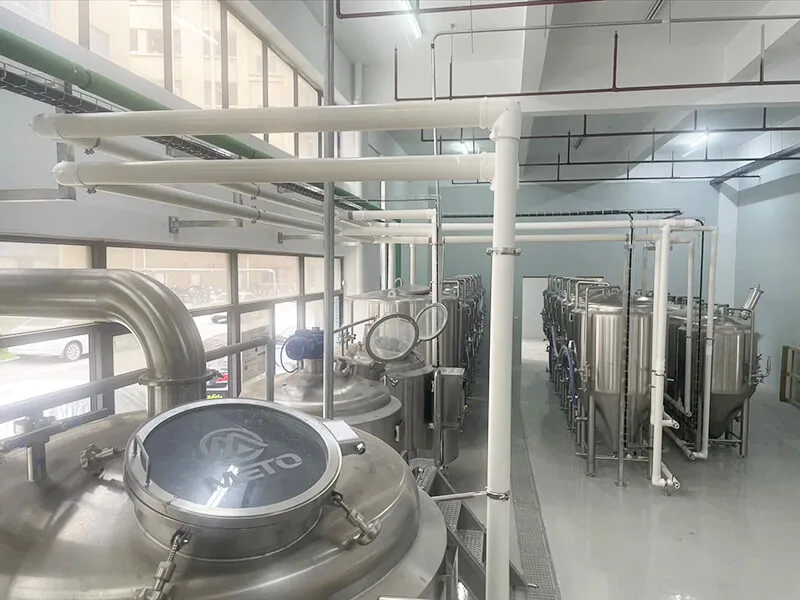
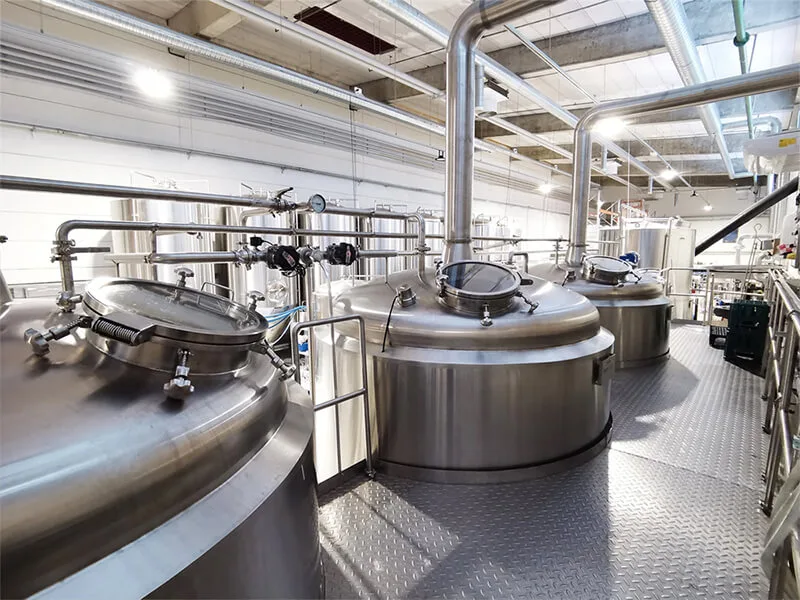
Пивоваренный завод, как правило, представляет собой комплекс, состоящий из сосудов под давлением, резервуаров из нержавеющей стали, трубопроводов, насосов, теплообменников, холодильного оборудования, систем электрического управления и инженерных сетей. К различным частям системы могут применяться разные нормы, стандарты, сертификаты и местные требования.
Применимые требования могут зависеть от типа оборудования, номинального давления, электрической конфигурации, законодательства штата или местных органов власти, условий монтажа и предполагаемого назначения.
По этой причине проект по созданию профессионального пивоваренного оборудования следует рассматривать с учетом следующей цепочки:
Оборудование → Посодовый резервуар → Электрооборудование → Документация → Монтаж
В данном руководстве изложены основные моменты, которые владельцам пивоваренных заводов и покупателям оборудования в США следует обсудить со своим поставщиком перед размещением заказа.
Требуется ли для пивоваренного оборудования в США сертификация ASME?
Не каждое пивоваренное оборудование автоматически подлежит сертификации по стандарту ASME.
Первый вопрос заключается в том, является ли данное оборудование действительно сосудом под давлением или же другим типом оборудования, находящегося под давлением, и какие требования применяются к данной конкретной конструкции и установке.
Кодекс ASME по котлам и сосудам под давлением устанавливает требования к проектированию, изготовлению, осмотру, испытаниям и сертификации котлов и сосудов под давлением, на которые распространяется его действие. Например, раздел VIII, подраздел 1 ASME посвящён сосудам под давлением, работающим при внутреннем или внешнем давлении, превышающем 15 фунтов на квадратный дюйм, и содержит требования, касающиеся материалов, изготовления, сварки, осмотра, испытаний и сертификации.
Это означает, что покупатель пивоваренного завода не должен просто спрашивать:
«Вся ли пивоварня имеет сертификат ASME?»
Более эффективный подход заключается в том, чтобы определить, какие компоненты могут подпадать под действие применимых требований к сосудам под давлением.
Например, проект может содержать:
- Бродильные резервуары под давлением
- Емкости для светлого пива
- Емкости для газирования
- Оборудование, связанное с паровыми системами
- Трубопроводы, рассчитанные на рабочее давление
- Устройства сброса давления
- Прочие емкости хозяйственного назначения или технологические емкости
Необходимо уточнить применимые нормы и порядок сертификации с учетом фактических технических характеристик оборудования и юрисдикции, в которой оно будет установлено.
Почему важно значение номинального давления
Номинальное давление — один из первых технических параметров, на которые следует обратить внимание.
Поставщик должен предоставить четкую информацию о следующем:
- Расчетное давление
- Рабочее давление
- Расчетная температура
- Испытательное давление
- Объем судна
- Технические характеристики материала
- Защита от избыточного давления
- Применимый норматив проектирования
- Требования к осмотру и испытаниям
В отношении сосудов под давлением, которые должны соответствовать требованиям ASME BPVC, следует указывать конкретный раздел стандарта ASME, а не просто указывать «соответствует требованиям ASME».
Программа сертификации ASME охватывает системы контроля качества производителей или сборщиков в соответствии с применимыми разделами BPVC, включая сертификацию сосудов под давлением в соответствии с разделом VIII.
Сертификация ASME и оборудование, разработанное в соответствии со стандартами ASME
Это различие имеет важное значение при сравнении поставщиков.
Производитель может разрабатывать оборудование с использованием инженерных принципов или стандартов, связанных с ASME, не обязательно поставляя при этом сертифицированный по ASME сосуд под давлением с соответствующим сертификационным знаком ASME.
В рамках проекта по строительству пивоварни в США заказчику следует задать поставщику следующие вопросы:
- Проектировано ли судно в соответствии с разделом ASME BPVC?
- Какой раздел и какое подразделение применяются?
- Является ли производитель обладателем сертификата ASME в тех случаях, когда требуется сертификация?
- Будет ли судно иметь соответствующий сертификационный знак ASME?
- Кто проводит инспектирование и сертификацию?
- Какая документация будет поставляться вместе с судном?
- Требует ли компетентный местный орган проведения дополнительной проверки или получения разрешения?
Эти вопросы гораздо полезнее, чем просто спросить, «имеет ли завод сертификат ASME».
Что означает маркировка UL для пивоваренного оборудования?
Сертификация UL — ещё одна область, в которой зарубежные покупатели часто неправильно понимают предъявляемые требования.
Сертификация UL в первую очередь касается безопасности продукции и электрооборудования, однако наличие знака UL на одном из компонентов не означает автоматически, что вся пивоваренная установка прошла сертификацию UL.
For example, UL Solutions explains that certification of an enclosed industrial control panel under ANSI/UL 508A covers the control panel itself, not the connected equipment or loads controlled by the panel.
This distinction is particularly important for automated brewery systems.
A brewery may include:
- ПЛК
- HMI
- Control cabinet
- VFDs
- Circuit breakers
- Contactors
- Relays
- Датчики
- Насосы
- Motors
- Solenoid valves
- Heating equipment
- Refrigeration equipment
Each component can have its own applicable safety standard or certification requirements.
UL Listed, UL Recognized and NRTL Certification: What’s the Difference?
US buyers should also distinguish between a specific UL certification and the broader NRTL framework.
OSHA operates the Nationally Recognized Testing Laboratory program for certain workplace products. OSHA explains that NRTLs are private organizations recognized to test and certify products against appropriate consensus-based safety standards. Certain electrical equipment used in workplaces may require approval by an NRTL under applicable OSHA requirements.
UL is one OSHA-recognized NRTL, but it is not the only organization that can provide NRTL certification within its recognized scope. OSHA’s listings also identify other recognized laboratories and applicable standards.
Therefore, instead of telling a customer:
“Your brewery must have UL certification.”
A more accurate question is:
Which electrical components or assemblies require NRTL approval for the intended installation, and which certification standard applies?
That distinction can prevent unnecessary certification costs while helping ensure that the electrical system meets the customer’s actual requirements.
What About the Brewery Control Panel?
For an automated brewery, the control cabinet deserves special attention.
A typical brewery control system may include:
- ПЛК
- HMI
- Motor starters
- VFDs
- Circuit protection
- Power supplies
- Relays
- Terminal blocks
- Temperature controllers
- Flow meters
- Level sensors
- Safety devices
ANSI/UL 508A is a key standard for industrial control panels. UL Solutions provides specific requirements for components used in industrial control panels, including requirements addressed through UL 508A Supplement SA.
However, a UL 508A-certified control panel does not automatically certify the entire brewery.
The equipment connected to the control panel may require separate evaluation depending on its function and installation.
This is why a US brewery project should define the electrical compliance scope before manufacturing begins.
Food-Contact Materials and FDA Considerations
Brewery equipment comes into direct contact with wort, beer, water, cleaning chemicals and other process materials.
This makes material selection and traceability important.
Stainless steel is widely used in commercial brewing applications. The FDA Food Code notes that domestic beer brewers commonly use stainless steel or stainless-steel-lined copper equipment for beer-contact applications.
However, saying that “FDA certifies the brewery tank” is generally too broad.
Instead, buyers should focus on the actual food-contact materials and their intended use.
For a brewery equipment project, it is useful to request:
- Stainless steel grade
- Material certificates
- Heat or batch identification
- Surface-finish information
- Gasket and seal material
- Valve material
- Hose specifications
- Food-contact declarations where applicable
- Cleaning and passivation procedures
For stainless steel tanks, the buyer may commonly specify materials such as 304 or 316L depending on the application.
The correct material should be selected according to the process, chemical exposure, temperature, cleaning method and required corrosion resistance.
What Is an MTC and Why Does It Matter?
MTC usually refers to a Material Test Certificate or material certificate.
For a professional brewery project, material traceability helps connect the material used in the finished equipment with its documented specification.
Depending on the project, documentation may include:
- Material grade
- Heat number
- Chemical composition
- Mechanical properties
- Manufacturer information
- Applicable material standard
- Certificate number
For pressure vessels, material documentation can become especially important because material selection is directly related to vessel design and code compliance.
A buyer should therefore ask:
Can you provide material certificates for the pressure-retaining and product-contact components included in the project?
This is a much more meaningful technical question than simply asking whether the tank is “food grade.”
Welding Documentation for US Brewery Projects
Welding is another area where documentation can become important, especially for pressure-containing equipment.
A professional supplier should be able to explain:
- Welding process
- Welding procedure
- Welder qualification
- Filler material
- Welding inspection
- Nondestructive examination, where applicable
- Weld identification and traceability
- Internal surface treatment
For equipment manufactured under ASME BPVC requirements, welding and welder qualification are addressed within the applicable code framework. ASME lists Section IX for welding, brazing and fusing qualifications within its certification requirements.
For brewery tanks that are not subject to ASME certification, the documentation requirements may be different.
Again, the correct approach is to define the project requirements first instead of applying the same certification package to every tank.
Pressure Testing: What Should Buyers Ask?
Pressure testing is an important part of pressure-vessel quality control.
The test method and acceptance criteria should be based on the applicable design code, equipment specification and jurisdiction.
Instead of relying on a generic statement such as:
“All tanks are pressure tested.”
Ask for specific information:
- What is the design pressure?
- What is the working pressure?
- What test pressure is specified?
- Which test standard or code is used?
- Is the test hydrostatic or pneumatic?
- Who performs the test?
- Is an inspection report provided?
- Are safety relief devices included?
- How are test results recorded?
ASME BPVC covers testing and inspection requirements within its applicable pressure-vessel construction framework, while its Section XIII addresses overpressure protection for pressurized equipment and related relief devices.
The exact test procedure should therefore be determined from the applicable code rather than using one fixed pressure multiplier for every brewery tank.
Electrical Documentation Buyers Should Request
A US brewery equipment package should ideally include clear electrical documentation.
Depending on the project, this may include:
- Electrical schematic
- Control-panel drawings
- Component list
- PLC and HMI information
- Motor specifications
- VFD specifications
- Wiring diagrams
- Terminal diagrams
- Cable information
- Short-circuit or protection information where applicable
- Control logic documentation
- Operation instructions
- Safety information
- Electrical test records
The documentation should correspond to the actual equipment shipped.
A common problem in international equipment projects is that the electrical drawings are created around one configuration while the final machine contains different components.
For US installations, consistency between the drawings, nameplates, control panel and supplied components can make commissioning significantly easier.
Local Installation Requirements Matter
US compliance does not end when the equipment leaves the factory.
The installation location may have its own requirements related to:
- Electrical installation
- Pressure vessels
- Boilers
- Gas systems
- Steam systems
- Холодильная техника
- Fire protection
- Plumbing
- Ventilation
- Building permits
- Occupational safety
- Local inspection
The relevant authority may be a state agency, local building department, fire authority, electrical inspector, pressure-vessel authority or another authority having jurisdiction.
This is one reason a brewery equipment supplier should ask for the destination state and project location before finalizing the equipment configuration.
The same brewery design may require different project documentation depending on where it will be installed.
What Should a US Brewery Buyer Send to the Manufacturer?
Before requesting a final quotation, it is useful to provide the equipment supplier with as much project information as possible.
At minimum:
1. Target production capacity
Например:
- 500L
- 1000L
- 2000 л
- 10 BBL
- 20 BBL
2. Beer production plan
- Количество порций пива в день
- Планируемый годовой объем производства
- Beer styles
- Fermentation time
3. Equipment scope
- Пивоварня
- Ферментеры
- BBTs
- Glycol system
- CIP
- Фрезерование
- Boiler
- Упаковка
- Система управления
4. Utilities
- Electrical voltage
- Частота
- Steam or electric heating
- Gas availability
- Water conditions
- Drainage
5. Destination
- State
- City
- Building conditions
- Installation environment
6. Compliance requirements
- Pressure-vessel requirements
- Electrical certification requirements
- Local inspection requirements
- Customer-specific standards
The more information available at the design stage, the easier it is to build a compliant equipment package.
A Practical US Brewery Equipment Compliance Checklist
Before placing an order, buyers can use the following checklist.
Pressure Equipment
☐ Identify all pressure-containing equipment
☐ Confirm design and working pressure
☐ Identify applicable ASME code requirements
☐ Confirm pressure relief protection
☐ Define inspection and testing requirements
☐ Confirm required certification marks and documentation
Materials
☐ Confirm stainless steel grade
☐ Request material certificates where required
☐ Confirm gasket and seal materials
☐ Define product-contact surface requirements
☐ Confirm surface finish requirements
Welding
☐ Define welding standards
☐ Confirm welder qualifications where applicable
☐ Confirm welding documentation
☐ Define NDE requirements where applicable
Electrical
☐ Confirm US voltage and frequency
☐ Confirm control-panel requirements
☐ Define NRTL/UL requirements with the project team
☐ Confirm component certifications
☐ Request electrical schematics
☐ Request control-panel drawings
Installation
☐ Confirm destination state and city
☐ Identify the local authority having jurisdiction
☐ Confirm electrical installation requirements
☐ Confirm pressure-vessel requirements
☐ Confirm boiler and gas requirements where applicable
☐ Confirm building and fire requirements
Why Compliance Should Be Discussed Before Manufacturing
One of the most expensive mistakes in international brewery projects is discussing compliance only after the equipment has been manufactured.
Changing the following items late in the project can be costly:
- Tank design pressure
- Manway configuration
- Safety valves
- Electrical components
- Control cabinet
- Motors
- VFDs
- Cable specifications
- Heating system
- Gas system
- Documentation
- Nameplates
A better approach is to determine the compliance scope during the engineering stage.
The workflow should look like:
Требования к проекту
↓
Equipment Selection
↓
Code & Certification Review
↓
Engineering Design
↓
Material & Component Selection
↓
Manufacturing
↓
Testing & Inspection
↓
Documentation
↓
FAT
↓
Shipment
↓
Local Installation & Commissioning
This approach reduces the risk of discovering a compliance problem after the equipment has already arrived in the United States.
How METO Approaches US Brewery Equipment Projects
For a US brewery project, the objective should not simply be to sell a standard tank or brewhouse.
The equipment should be configured around the customer’s:
- Production capacity
- Beer styles
- Automation requirements
- Utility conditions
- Pressure requirements
- Electrical requirements
- Место установки
- Documentation requirements
METO can work with customers to define the equipment configuration before production, including brewery capacity, fermentation capacity, cooling, CIP, heating, control systems and related process equipment.
For projects involving pressure vessels or specific US electrical requirements, the applicable standards and certification scope should be confirmed based on the actual equipment and installation conditions.
This is important because there is no single “US brewery certification” that automatically covers every component of a brewery.
Planning a Brewery Project in the United States?
If you are planning a new brewery, brewery expansion or equipment replacement project in the US, it is better to discuss compliance requirements before requesting a final quotation.
Send your:
- Target brewery capacity
- State and city
- Brewhouse size
- Number and size of fermenters
- Heating method
- Automation level
- Packaging requirements
- Required certifications or inspection standards
to the equipment manufacturer.
The supplier can then review the project scope and recommend an equipment configuration and documentation package based on the actual application.
Looking for brewery equipment for the US market? Связаться с METO с учетом требований вашего проекта и дайте возможность нашим инженерам проверить конфигурацию оборудования до начала производства.