
Wheat beer is one of the most popular and fast-growing beer styles in the global craft beer market. Known for its light color, refreshing taste, and distinctive aroma, wheat beer appeals to a wide range of consumers—from casual drinkers to experienced beer enthusiasts.
From a brewing perspective, wheat beer also presents unique technical requirements. The choice of brewing equipment, process design, and fermentation control all play an important role in achieving stable quality and authentic flavor.
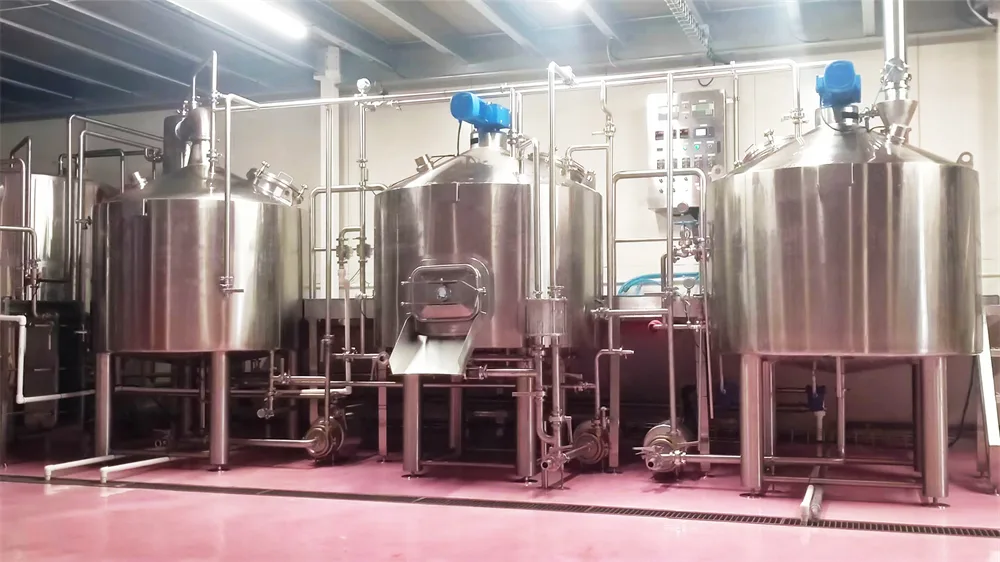
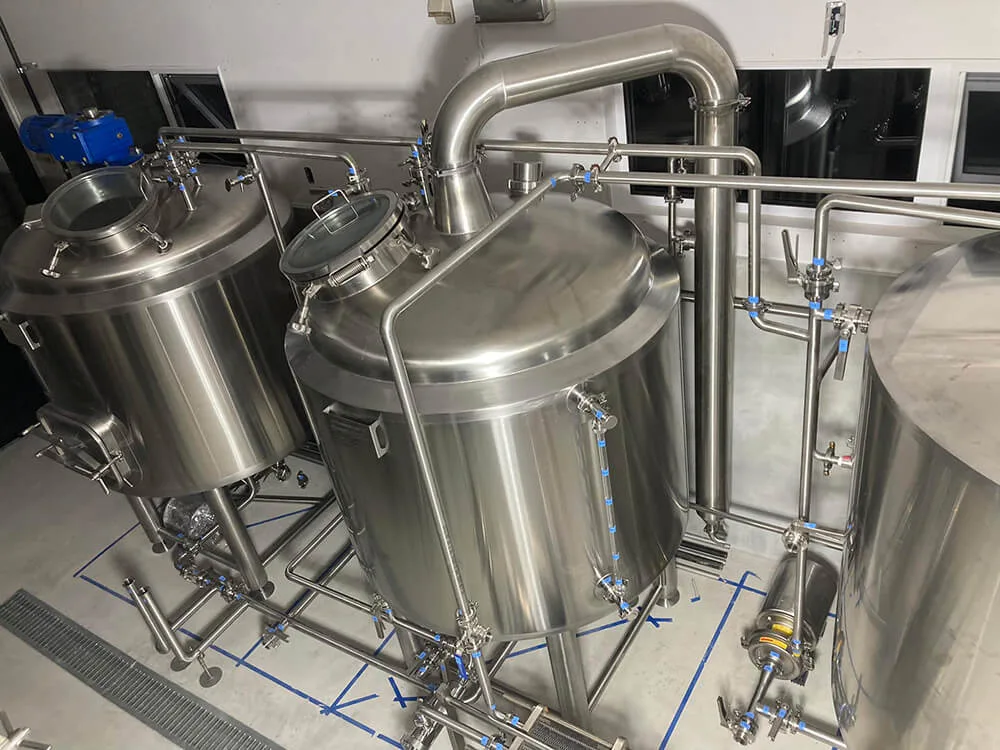
This article introduces the main types of wheat beer, their sensory characteristics, and the key considerations when brewing wheat beer using craft brewery equipment.
What Is Wheat Beer?
Wheat beer is a fermented beer brewed with at least 50% wheat malt in the grist. The original wort gravity is typically 10°P or higher, depending on the target alcohol level and beer style.
Compared with barley-based beers, wheat beer has:
- A lighter color
- Higher carbonation
- A smoother mouthfeel
- A more expressive yeast-driven aroma
These features make wheat beer especially suitable for warm climates and seasonal consumption, giving it strong commercial potential for craft breweries.
Main Types of Wheat Beer
1. Hefeweizen (Unfiltered Wheat Beer)
Hefeweizen, also known as yeast wheat beer, is unfiltered and retains yeast in the final product. Before packaging, brewers must precisely adjust:
- Residual extract
- Yeast concentration in the beer
This style places high demands on process accuracy and quality control, especially during fermentation, maturation, and packaging.
Key characteristics:
- Natural haze
- Soft mouthfeel
- Strong yeast-derived aromas such as banana and clove
2. Kristallweizen (Filtered Wheat Beer)
Kristallweizen is a clear, filtered wheat beer with yeast removed before packaging.
Key characteristics:
- Bright appearance
- Clean, crisp flavor
- Slightly lower yeast aroma compared to Hefeweizen
This style requires reliable filtration equipment and careful oxygen control to maintain freshness.
Key Characteristics of Wheat Beer
1. High Carbonation Level
Wheat beer typically contains 6–10 g/L of CO₂, or about 0.8%–1.0% by volume, which is significantly higher than many other beer styles.
This high carbonation:
- Enhances refreshment
- Creates a lively mouthfeel
- Requires pressure-rated fermentation and bright tanks
Craft breweries should ensure that fermentation tanks and packaging systems are designed to handle higher internal pressure safely.
2. Rich, Stable Foam
One of the most recognizable features of wheat beer is its abundant, white, and fine foam.
- Foam stability often exceeds 250 seconds
- Wheat proteins contribute significantly to head retention
From an equipment perspective:
- Gentle wort handling
- Proper lautering design
- Smooth internal tank finishes
all help protect foam-positive proteins and improve final beer quality.
3. Unique and Elegant Aroma
Wheat beer is famous for its complex aroma profile, driven mainly by yeast metabolism.
Common aroma notes include:
- Banana (isoamyl acetate)
- Clove (4-vinyl guaiacol)
- Floral and fruity esters
These aromas result from higher levels of:
- Esters
- Higher alcohols
- Specific phenolic compounds
Precise fermentation temperature control, healthy yeast management, and consistent oxygenation are essential. Modern craft brewery equipment with accurate temperature jackets and digital control systems is especially valuable for wheat beer production.
4. Light, Refreshing, and Easy to Drink
Wheat beer is generally low to medium in alcohol, making it a refreshing beverage rather than a heavy drink.
Compared with other alcoholic beverages, wheat beer:
- Is less bitter
- Has a softer palate
- Provides a cooling sensation
Это делает его идеальным для:
- Summer beer menus
- Taprooms
- New craft beer consumers
5. Strong Drinkability and Repeat Consumption
The balanced flavor, soft carbonation, and gentle acidity of wheat beer naturally encourage continuous drinking.
From a commercial perspective, this means:
- High customer acceptance
- Fast turnover in bars and taprooms
- Strong potential as a flagship product
Breweries often use wheat beer as an entry-level style to attract new customers.
6. Digestive Benefits
Wheat beer contains:
- A small amount of alcohol
- Naturally released CO₂
These components can stimulate digestive enzyme activity, helping improve digestion when consumed in moderation.
While not a health product, wheat beer is often perceived as lighter and easier on the stomach than stronger beer styles.
7. Mild Diuretic Effect
Due to the presence of hop compounds and potassium salts, wheat beer has a mild diuretic effect.
This characteristic contributes to its reputation as a refreshing and thirst-quenching beverage, especially in hot weather.
Brewing Equipment Considerations for Wheat Beer
When brewing wheat beer, breweries should pay attention to several equipment-related factors:
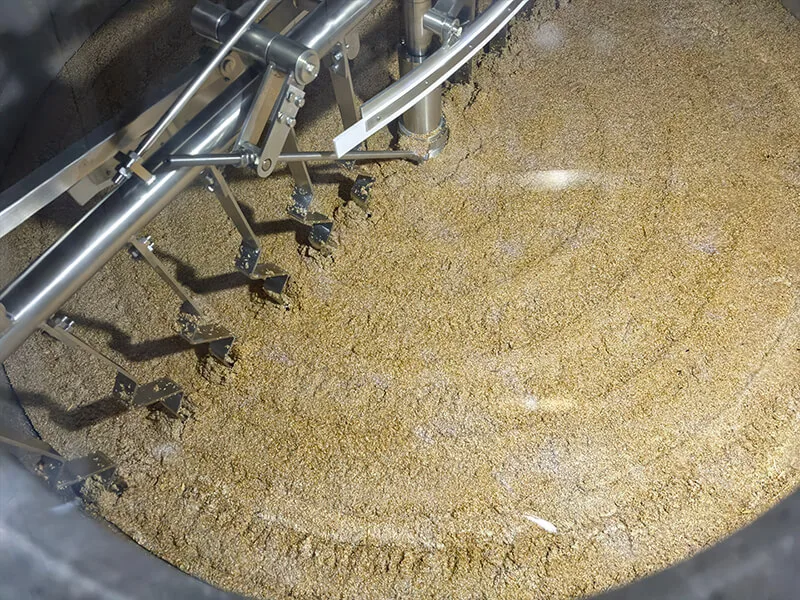
- Mash tun design: Wheat malt lacks husk material, so lautering systems must prevent stuck mashes.
- Емкости для брожения: Accurate temperature control and sufficient headspace are critical for active wheat beer fermentation.
- Carbonation capability: Bright tanks and packaging lines must support higher CO₂ levels.
- Cleaning and sanitation: Yeast-heavy styles require effective CIP systems to prevent contamination.
A well-designed craft brewery system ensures stable production, consistent flavor, and efficient operation.
Заключение
Wheat beer stands out for its refreshing taste, rich foam, and expressive aroma. With growing global demand, it offers excellent opportunities for craft breweries looking to expand their product portfolio.
By combining the right brewing process with reliable craft brewery equipment, brewers can consistently produce high-quality wheat beer that meets both consumer expectations and market demands.
If you have any questions about brewing wheat beer or selecting the right brewery equipment, feel free to связаться с нами for professional support and customized solutions.