Opening or upgrading a bar is not simply a matter of choosing attractive furniture and installing a few refrigerators. The equipment behind the bar directly affects service speed, beverage quality, labor efficiency, energy consumption and long-term operating costs.
For restaurant groups, hotels, pubs, cocktail bars and beverage businesses, choosing the right commercial bar equipment at the planning stage can prevent expensive modifications after opening.
This guide explains the major equipment categories, selection criteria and purchasing considerations for a professional bar, with a focus on B2B projects, bulk purchasing and customized solutions.
Start With the Bar Workflow, Not the Equipment List
A common mistake is to select equipment one item at a time.
For example, a buyer may purchase an ice maker first, then a refrigerator, then a sink and finally a beer dispensing system. Everything may work individually, but the final bar layout can become inefficient.
A better approach is to design the workflow first.
A typical professional bar can be divided into several functional zones:
- Beverage preparation
- Ice production and storage
- Холодильная техника
- Beer dispensing
- Washing and sanitation
- Ingredient preparation
- Storage
- Waste handling
The equipment should be positioned according to how bartenders actually work.
A simple workflow might look like:
Storage → Refrigeration → Preparation → Mixing → Serving → Washing
Reducing unnecessary movement between these areas can improve service speed, especially during peak hours.
For a B2B project, the equipment supplier should ideally review the available floor space, expected customer volume, menu and utility conditions before recommending a final configuration.
Essential Commercial Bar Equipment
The exact equipment list depends on the type and size of the business, but most professional bars require several core systems.
Stainless Steel Bar Workstations
The workstation is the foundation of the bar.
Commercial bar workstations commonly include:
- Stainless steel worktops
- Under-counter storage
- Ice bins
- Speed rails
- Bottle shelves
- Integrated sinks
- Drainage systems
- Waste compartments
For commercial applications, 304 stainless steel is widely used because it provides good corrosion resistance, durability and ease of cleaning.
For environments with higher corrosion risks or specific hygiene requirements, 316/316L stainless steel may also be considered.
The thickness, reinforcement structure and welding quality should also be evaluated rather than focusing only on the visible surface.
Commercial Refrigeration
Refrigeration is one of the most important investments in a professional bar.
Depending on the menu and operating model, a bar may require:
- Under-counter refrigerators
- Back-bar refrigerators
- Bottle coolers
- Worktop refrigerators
- Upright refrigerators
- Freezers
- Wine refrigerators
The correct refrigeration capacity depends on several factors.
Daily beverage volume + peak-hour demand + storage cycle = required refrigeration capacity
Buying a refrigerator that is too small may create inventory problems and temperature fluctuations. Oversizing the refrigeration system, however, can increase the initial investment and operating costs.
For B2B projects, it is better to calculate capacity based on expected sales rather than simply selecting equipment based on cabinet dimensions.
Ice Machines: One of the Most Common Purchasing Mistakes
Ice is often underestimated during bar planning.
A cocktail bar, hotel bar and beer-focused pub can have completely different ice requirements.
Например:
Cocktail bars may need high-quality cube, nugget or specialty ice.
Nightclubs may prioritize large production capacity.
Whisky bars may require large-format cubes or spheres.
Restaurants and hotels may need ice for both beverages and food service.
When selecting an ice machine, consider:
- Daily ice production
- Ice storage capacity
- Ice type
- Ambient temperature
- Water quality
- Available ventilation
- Drainage
- Electrical requirements
Air-Cooled vs Water-Cooled Ice Machines
Air-cooled systems are generally simpler to install because they do not require continuous cooling water.
However, they release heat into the surrounding space.
Water-cooled systems can be useful in environments where heat rejection and ventilation are concerns, but water consumption needs to be considered.
The right choice depends on local utility costs, room temperature, ventilation conditions and operating hours.
For international projects, the supplier should also confirm the local voltage, frequency, plug type and applicable electrical requirements before production.
Beer Dispensing Equipment
For beer-focused bars and pubs, the draft beer system needs to be designed as part of the overall bar rather than treated as an independent appliance.
A typical system may include:
- Beer dispensing tower
- Faucets
- Beer lines
- CO₂ or mixed-gas system
- Pressure regulator
- Keg storage
- Glycol cooling system where required
- Line cleaning equipment
The number of taps should be based on the expected beer selection and sales volume.
Installing too many taps can increase complexity and maintenance requirements, while too few taps can limit product variety.
For larger commercial projects, a centralized draft beer system may provide better temperature control and easier management.
Bar Sinks and Washing Equipment
Cleaning efficiency directly affects both hygiene and labor costs.
A professional bar may require:
- Handwashing sink
- Rinse sink
- Three-compartment sink
- Glass washer
- Pre-rinse system
- Drainboard
- Wastewater drainage
Stainless steel construction is particularly useful because the equipment is exposed to water, cleaning chemicals and beverage residues throughout the day.
When specifying a stainless steel sink, pay attention to:
- Material grade
- Sheet thickness
- Bowl depth
- Drain configuration
- Edge design
- Splash protection
- Welding quality
These details may appear minor during procurement but can significantly affect long-term durability.
Kitchen Equipment for Bars With Food Service
A modern bar often generates a significant portion of its revenue from food.
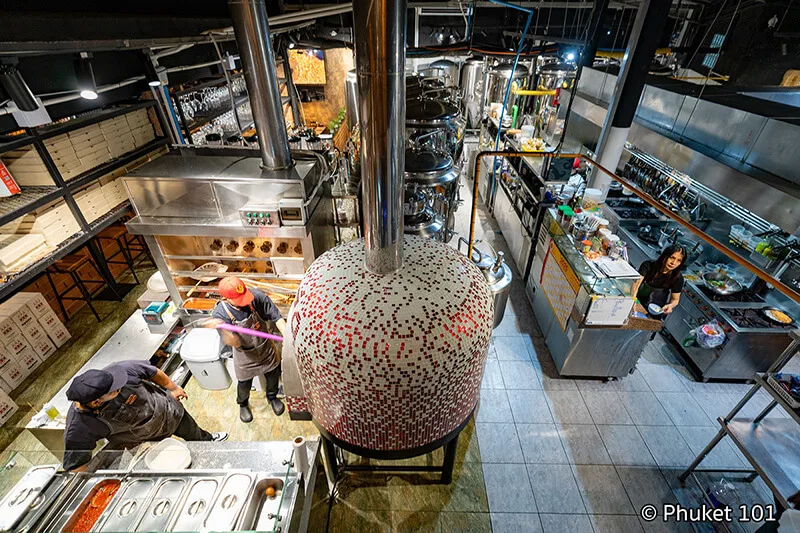
If the business serves burgers, fried food, pizza, snacks or full meals, the back-of-house equipment must be considered together with the bar.
Depending on the menu, the equipment package may include:
- Fryers
- Griddles
- Charbroilers
- Induction cookers
- Convection ovens
- Preparation tables
- Refrigerated counters
- Freezers
- Exhaust hoods
- Stainless steel shelving
- Food preparation sinks
The key is to avoid purchasing equipment based only on individual product specifications.
Instead, evaluate the complete kitchen workflow.
Например:
Cold storage → Preparation → Cooking → Plating → Service → Cleaning
A good commercial kitchen equipment supplier should be able to coordinate these areas into a practical layout.
How Much Commercial Bar Equipment Do You Actually Need?
There is no universal equipment list for every bar.
A 50-seat cocktail bar may require a completely different setup from a 200-seat sports bar or hotel lounge.
A useful starting point is to evaluate four factors:
| Фактор | What to Consider |
|---|---|
| Seating capacity | Number of customers served |
| Peak-hour volume | Maximum orders per hour |
| Меню | Beer, cocktails, wine, food or mixed |
| Floor plan | Available bar and kitchen space |
For example, a high-volume beer bar may invest more heavily in refrigeration and draft beer systems, while a cocktail bar may prioritize ice production, preparation stations and specialty refrigeration.
This is why custom bar equipment can be more practical than purchasing a standardized package.
Custom Bar Equipment for B2B Projects
Standard equipment works well for straightforward installations, but many commercial projects require customized dimensions or functions.
Customization may include:
- Counter dimensions
- Sink configuration
- Refrigeration layout
- Number of beer taps
- Ice bin size
- Bottle storage
- Electrical configuration
- Drainage position
- Stainless steel grade
- Surface finish
- Equipment integration
For overseas projects, customization is especially important because building dimensions, electrical standards and operating practices can vary between countries.
A professional supplier should be able to work from:
- Floor plans
- CAD drawings
- Equipment lists
- Photos of the existing location
- Bar dimensions
- 3D layouts
This allows the equipment configuration to be finalized before manufacturing.
What Should B2B Buyers Ask a Bar Equipment Supplier?
Price is important, but it should not be the only purchasing criterion.
Before placing a bulk order, ask the supplier:
Can You Provide a Complete Equipment List?
A complete list should identify the equipment model, dimensions, capacity, material, electrical specifications and optional accessories.
Can You Provide CAD or 3D Layout Support?
For new bars, layout support can help identify installation conflicts before the equipment reaches the site.
What Stainless Steel Grade Is Used?
Ask whether the equipment uses 304, 316 or another material, and whether material certification is available when required.
What Are the Electrical Specifications?
Confirm:
- Напряжение
- Частота
- Phase
- Power
- Plug configuration
This is particularly important when importing commercial equipment.
Do You Support OEM or ODM Projects?
For distributors, restaurant groups and hotel projects, OEM/ODM capability can be a major advantage.
The supplier may need to modify dimensions, branding, finishes or equipment configurations according to the project requirements.
What Happens After Delivery?
A reliable B2B supplier should clearly explain:
- Installation guidance
- Наличие запасных частей
- Technical documentation
- Warranty terms
- Remote technical support
- After-sales service
A low purchase price has little value if replacement parts or technical support are difficult to obtain later.
How to Reduce the Total Cost of a Bar Equipment Project
The cheapest equipment package is not always the most economical solution.
A better approach is to calculate total cost of ownership.
Consider:
Purchase cost + shipping + installation + energy consumption + maintenance + replacement parts + downtime
For example, a slightly more expensive refrigeration system may consume less energy and provide better temperature stability. Over several years, the operating cost difference can exceed the initial price difference.
For B2B buyers purchasing equipment for multiple locations, standardizing equipment models can also simplify:
- Staff training
- Spare parts management
- Техническое обслуживание
- Procurement
- Replacement
This can create significant savings across a restaurant or bar group.
Turnkey Bar Equipment Solutions
For new commercial projects, purchasing every piece of equipment from different suppliers can create coordination problems.
Different suppliers may use different dimensions, electrical specifications, delivery schedules and installation requirements.
A turnkey supplier can instead coordinate multiple components into one project.
A typical turnkey solution may include:
Bar equipment + refrigeration + beer dispensing + stainless steel fabrication + kitchen equipment + layout design + installation support
This approach can be particularly useful for:
- New bar projects
- Restaurant chains
- Hotels
- Pub groups
- Franchise operators
- Beverage distributors
- Commercial kitchen contractors
The objective is not simply to sell more equipment. It is to make sure that all components work together as one operating system.
Why Stainless Steel Remains the Standard for Commercial Bars
Stainless steel remains one of the most practical materials for professional food and beverage environments.
Its main advantages include:
- Коррозионная стойкость
- Easy cleaning
- High durability
- Hygienic surface
- Professional appearance
- Compatibility with commercial sanitation procedures
However, not all stainless steel equipment is manufactured to the same standard.
Buyers should evaluate the material grade, thickness, welding quality, polishing, reinforcement and overall fabrication quality.
For high-use commercial environments, construction quality can have a greater impact on service life than appearance alone.
Choosing a Bar Equipment Supplier for Your Project
For B2B buyers, the supplier should be evaluated as a project partner rather than simply a product vendor.
Look for a manufacturer or supplier that can provide:
- Product customization
- Commercial-grade materials
- Engineering support
- CAD layout assistance
- OEM/ODM services
- Bulk production capability
- Quality inspection
- Export experience
- Spare parts support
- After-sales service
For large projects, it is also worth requesting technical drawings and a detailed equipment quotation before making the final purchasing decision.
Planning a New Bar? Start With Your Floor Plan
The most efficient way to select commercial bar equipment is to start with the actual project.
Instead of asking only “How much does this equipment cost?”, define:
- Bar dimensions
- Seating capacity
- Expected daily customers
- Peak-hour orders
- Beverage menu
- Food menu
- Local voltage
- Available water supply
- Drainage
- Ventilation
- Refrigeration requirements
- Required customization
From there, the supplier can develop a more accurate equipment list and layout.
If you are planning a new bar, restaurant, hotel lounge or beverage project, send your floor plan, bar dimensions or equipment requirements to our team. We can help review the workflow, recommend suitable commercial bar equipment, and prepare a customized equipment list and quotation for your project.